
Tomatoes are fairly easy to grow. However, there are several elements that can affect its size and sweetness. Pests, insufficient sunlight, sunscald, and inadequate
Here are the essential tips that will guarantee that your tomatoes grow bigger and tastier.
1. Choose the Best Varieties
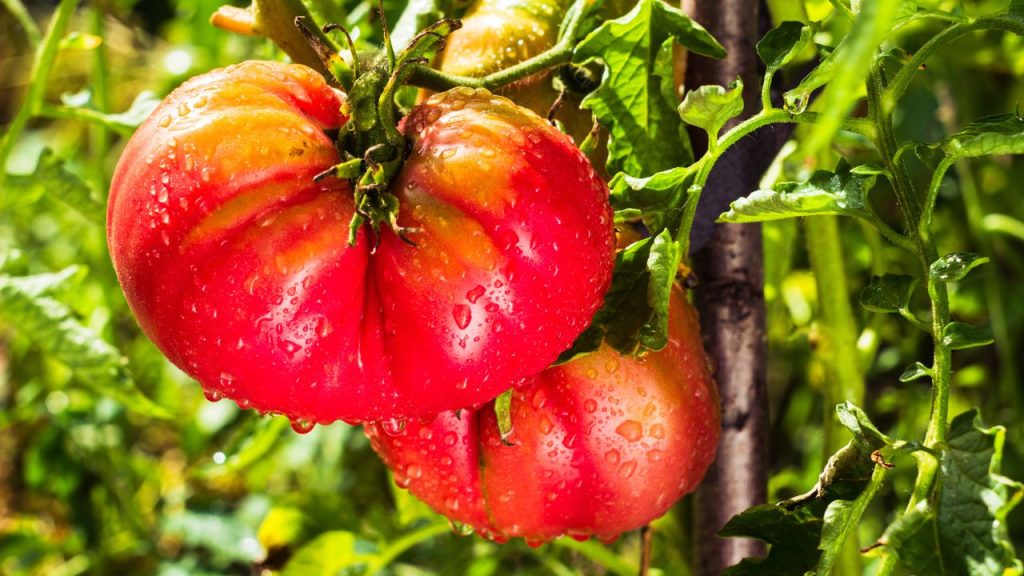
When it comes to growing big and juicy tomatoes, heirloom and hybrid varieties are the best choices. Heirloom tomatoes have been grown for at least fifty years, meaning their seeds have been preserved and replanted the following years to produce the same variety.
On the other hand, hybrid tomatoes are fresh tomatoes obtained from crossing different species to get their best qualities. The bottom line is that both varieties have been tried, tested, and trusted to give you the best results every time you plant.
2. Balance Watering

Tomatoes are sensitive to inconsistent watering. Water your plant in small streams to prevent the soil from dislodging. Also, water your tomatoes from the soil level to prevent water from touching the leaves. It’s best to water your plant in the morning. Always check the soil to see if it is too dry or wet.
3. Plant in Well-Drained Soil

Tomato plants require a lot of water, so it’s important to plant them in well-drained soil to prevent waterlogged roots. Diseased roots can cause tomatoes to be unhealthy.
4. Space Seedlings

Crowding your tomato seeds while planting can cause diseases, which can eventually disrupt the yield. Make sure to space tomato seedlings at least 2-3 feet apart when planting.
5. Choose Between Determinate and Indeterminate
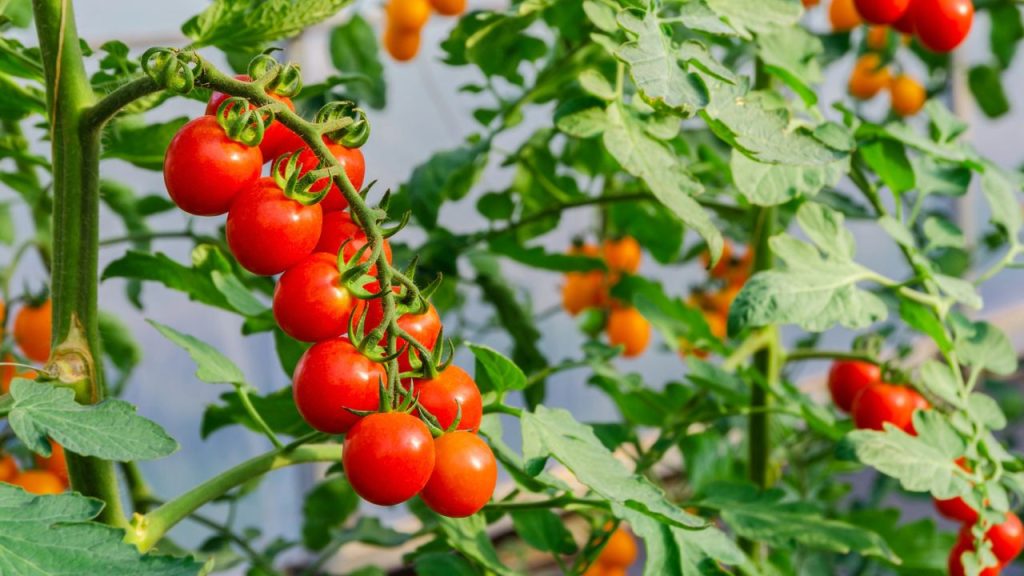
Determinate and Indeterminate are two terms referring to the growth habits of tomatoes. Determinate tomatoes stop growing and producing fruits when they reach their maximum height. In that short period of growth, they produce more tasty, marketable tomatoes.
On the other hand, indeterminate tomatoes keep growing and producing fruits and flowers till they die. They’re also more prone to issues like fruit cracking and fungal diseases, potentially affecting the quality.
6. Mulch Tomatoes
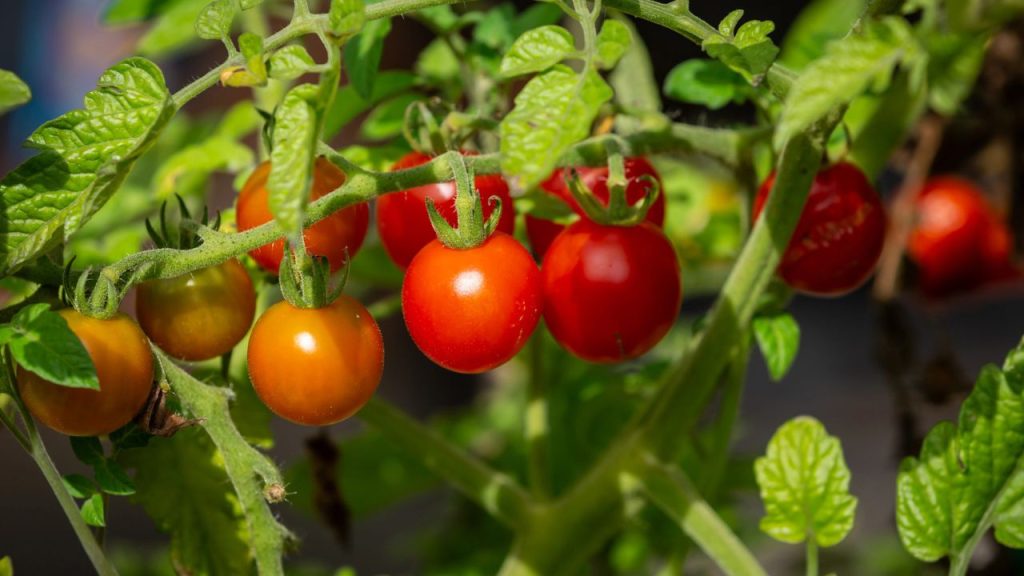
Mulching helps retain soil moisture. It also prevents the growth of early tomato blight, one of the most common diseases that affect the quality of the produce. You can choose between artificial and organic mulching, such as sheet mulch.
7. Prioritize Pollination

Prioritizing pollination ensures bigger and sweeter tomatoes. Pollinators like bees can aid in fertilizing flowers, which can, in turn, result in bigger and richer fruits. You can tap a flower with your finger to cause your tomato plant to release pollen.
8. Ensure Proper Air Circulation
Proper air circulation reduces the risk of fungal diseases, improves photosynthesis, and aids in the absorption of nutrients. To improve air circulation, space your tomato leaves and prune the lower leaves.
9. Plant Early
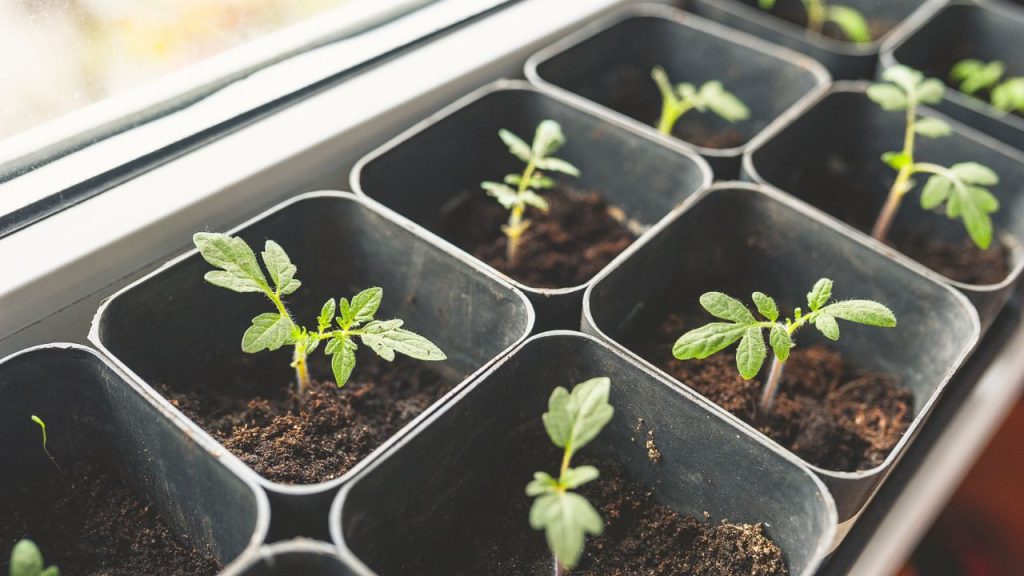
Planting early is another way to ensure great tomatoes, especially if you’re planting from seeds. Begin by growing your tomato seeds indoors and then transfer them outside when the growing conditions are right.
The earlier you start planting, the earlier your tomatoes develop a strong root system to withstand several weather conditions, especially frost.
10. Companion Planting

Companion planting is another way to easily grow healthy and bigger tomatoes. Companion plants can attract pollinators and help attract beneficial insects to feed on pests that would otherwise harm tomato plants.
11. Provide Support

Providing support for your plants doesn’t directly cause tomatoes to grow bigger and sweeter. However, when you provide support, the tomato plant grows healthier, guaranteeing that the fruits it produces remain healthy.
12. Plant with Compost
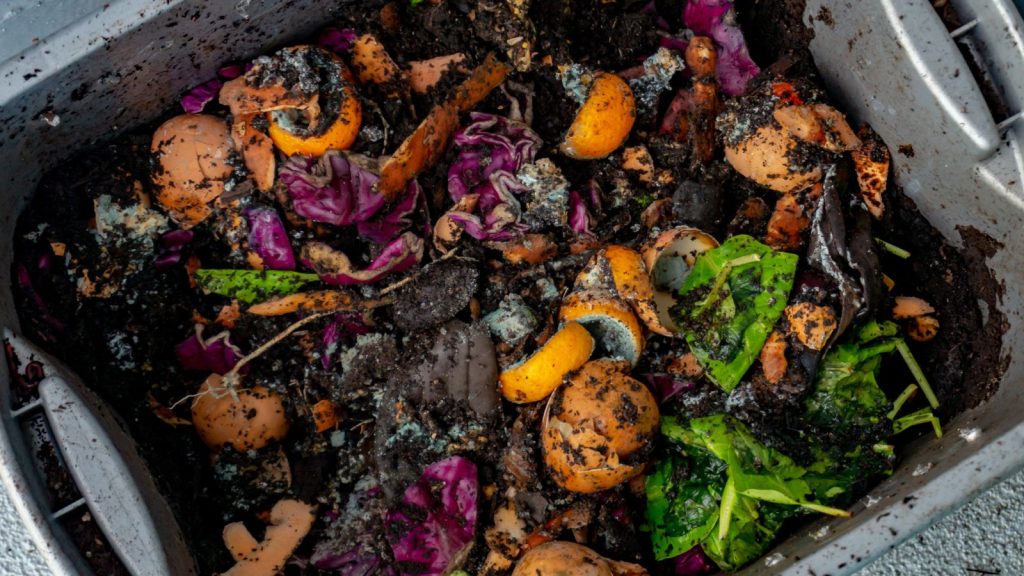
Planting with compost directly enriches the soil with nutrients needed for increased yield. Compost improves the soil’s structure and drainage, making tomatoes bigger and juicier.
13. Cut Lower Leaves

Cutting the lower leaves of tomato plants reduces the risk of tomato diseases, especially those caused by water touching the leaves.
Also, when you remove the lower leaves, the plant will direct more nutrients to the tomatoes themselves rather than the leaves, resulting in bigger and riper tomatoes.
14. Prune Tomato Plants

Pruning your tomato plant can increase its size, make the tomatoes ripen faster, and reduce the risk of fungal diseases. However, pruning may also reduce the yield from your garden.
15. Plant in Direct Sunlight

Direct sunlight is required for photosynthesis, which produces larger fruits. It also increases the plant’s strength and reduces its susceptibility to diseases.
16. Prevent Sunscald

Sunscald or sunburn usually appears as pale blisters on tomato fruits. This phenomenon reduces the size of the fruit and even causes unripe tomatoes.
It’s important to prevent sunscald by avoiding heavy pruning, especially from the top of the plant. Also, efficient pest control should be employed, and essential nutrients should be provided.
17. Control Pests

Pest control is required to grow big tomatoes. The common tomato pests are stink bugs, whiteflies, and nematodes. They damage plant tissue and compete with plants for nutrients. Pests can also cause diseases such as tomato spotted wilt.
To control pests, ensure you plant a pest-resistant variety of tomatoes. Also, practice crop rotations and use
Grow Juicier, Tastier Tomatoes with These 15 Companion Plants

Companion planting is an age-old gardening method that can help prevent common plant issues and boost crop yields. By using some of the best companion plants for tomatoes, your harvests will be better than ever. Here are the 15 best companion plants for your tomato garden.
Grow Juicier, Tastier Tomatoes with These 15 Companion Plants
How to Support Tomatoes: Tomato Stakes vs. Tomato Cages
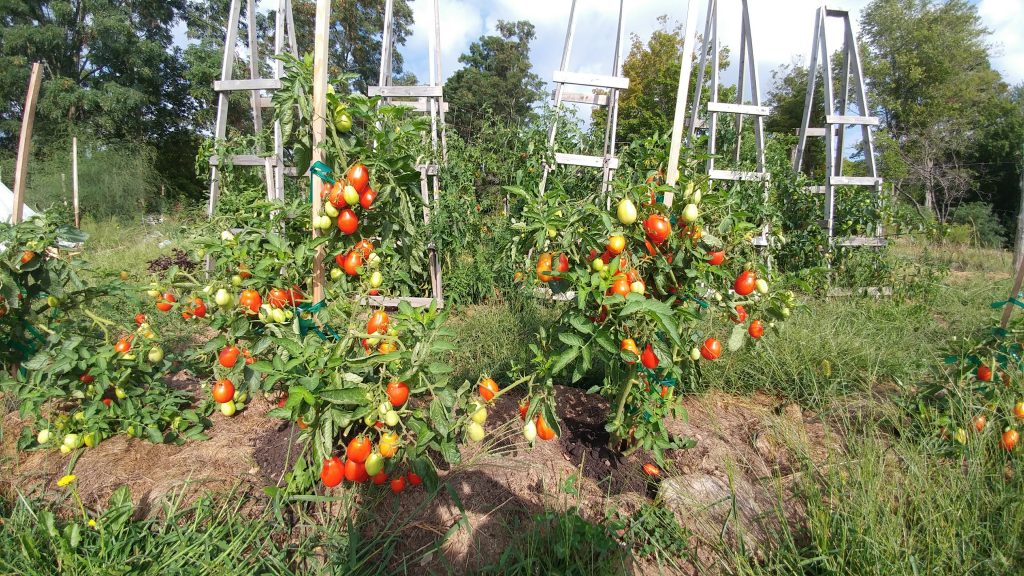
Supporting garden tomatoes with tomato stakes or cages is necessary for all but a few varieties of tomatoes. Without some form of support, your tomato plant will sprawl out over the ground. Here, we’ll share some considerations to help you make a choice that will work for your garden.
How to Support Tomatoes: Tomato Stakes vs. Tomato Cages
How to Keep Deer from Ruining Your Tomato Harvest

Though deer are nice to watch, they can cause problems in the garden, particularly when they start munching on tomatoes. To help you protect your tomato plants this season, here are 15 strategies to keep deer at bay.
How to Keep Deer from Ruining Your Tomato Harvest

Sandra Enuma
Sandra Enuma is a writer who's as comfortable with a trowel as she is with a keyboard. She’s passionate about sharing simple, down-to-earth tips to help you start and manage your own home garden, no matter your experience.