
If you live in a cold climate, you know the struggle of keeping your garden alive through freezing temperatures. Replanting everything each spring is exhausting, not to mention time-consuming. Thankfully, these 15 perennials are not just tough enough to survive winters, but they look pretty while doing it.
1. Coneflower (Echinacea)
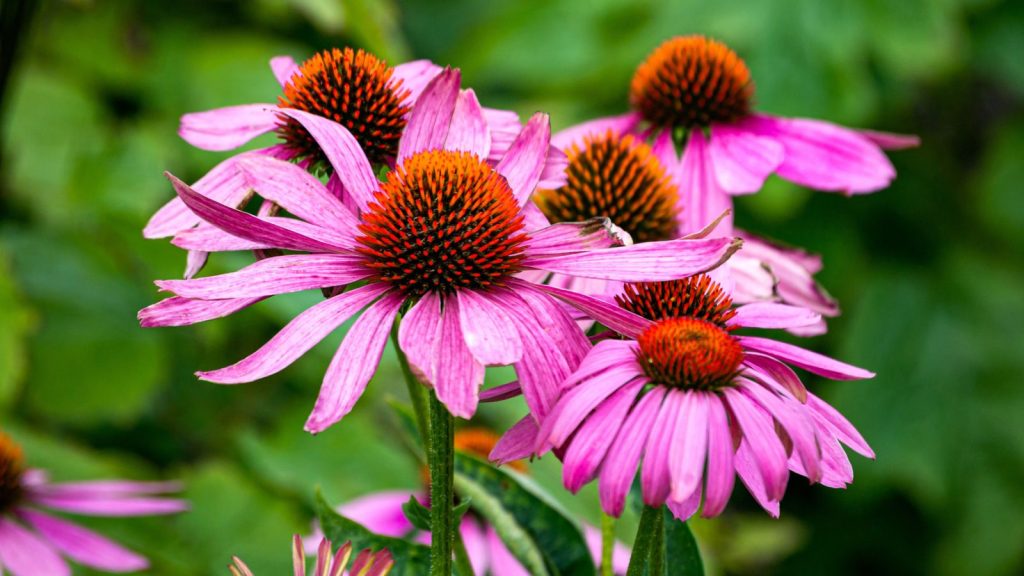
Coneflowers are bright, bold perennials that are native to North America. They’ve adapted to survive tough winters by going dormant and storing energy in their strong root system. Most varieties are hardy in USDA zones 3–9, prefer full sun, and well-drained soil.
Once established, they require very little maintenance, except for the occasional watering. In late fall, you can leave the seed heads for winter appeal and bird food, or trim them back to tidy things up. Either way, they’ll be back once conditions become favorable again.
2. Black-Eyed Susan (Rudbeckia)

Black-eyed Susans are a garden classic because of their cheery yellow petals and dark centers. They’re drought-tolerant, heat-tolerant, and also cold-tolerant. These perennials die back in winter but reliably return in spring, especially in USDA zones 3 through 9.
Give them full sun and average soil, and they’ll bloom from summer through fall. You can cut them back after flowering or leave them standing for winter interest. They self-seed easily, so expect a few bonus plants next year.
3. Russian Sage (Salvia yangii)

Russian sage is as tough as they come; don’t be fooled by the delicate-looking
4. Sedum (Stonecrop)

Sedum, especially the upright varieties like Autumn Joy, are among the most forgiving perennials you can grow. That’s because they have fleshy leaves and a strong internal water storage system that helps them to withstand the cold. Sedums are low-maintenance plants that are hardy in USDA zones 3–9 and love full sun.
5. Hellebore (Lenten Rose)

Hellebores are perennials that not only thrive in winter, but also produce downward-facing blooms. They’re hardy in USDA zones 4–9 and prefer part shade and rich, well-drained soil. Their evergreen foliage may look tattered after winter, but if you trim it before spring, they’ll bounce back.
6. Yarrow (Achillea millefolium)
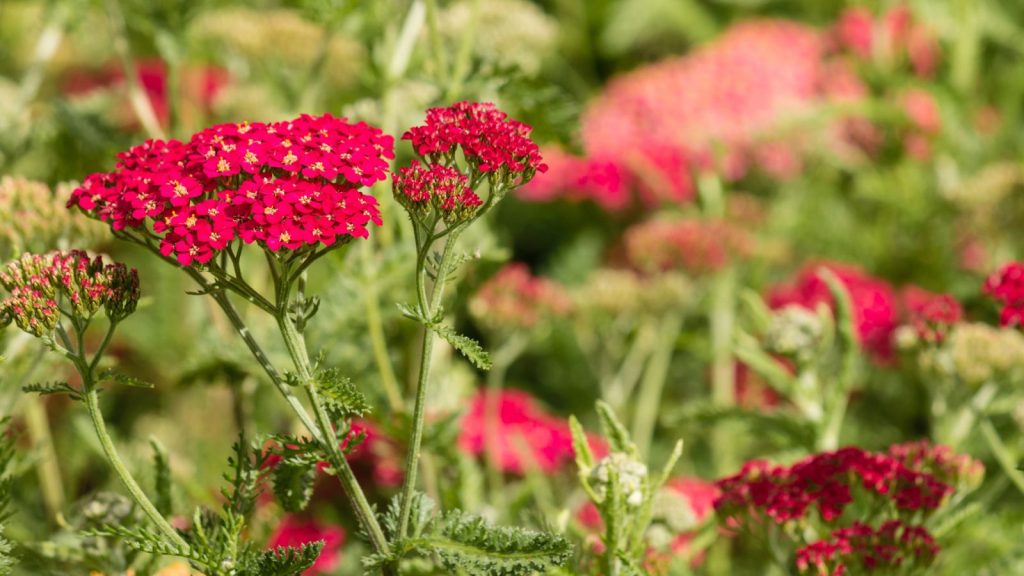
Yarrow is tough as nails; native varieties have been growing wild for centuries, unfazed by heat, drought, or cold. It thrives in USDA zones 3–9 and needs little more than sun and lean soil. When it gets cold, you can deadhead for more flowers, or let the dried flower heads stand for a rustic winter touch.
7. Daylily (Hemerocallis)

Although daylily blooms only last a day, the plant itself returns like clockwork every year. Their thick, tuber-like roots help them to survive extreme cold, and they do well, even with neglect. Daylilies grow well in USDA zones 3–9, full sun and average soil. Divide clumps every few years to keep them vigorous.
8. Peony (Paeonia)
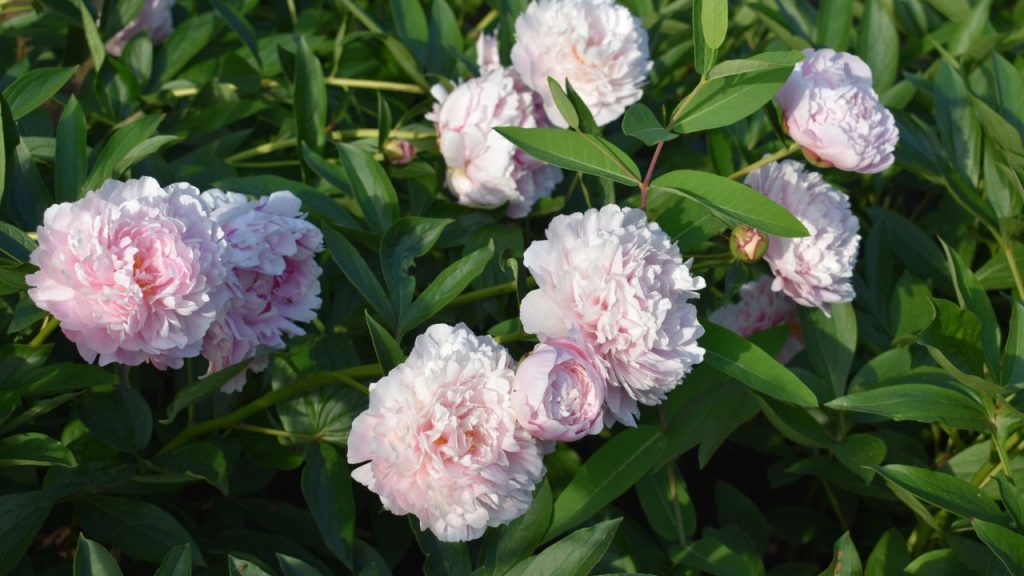
Peonies don’t mind cold winters and can produce flowers for decades. In fact, they need it to bloom their best. They retreat underground in the fall and reemerge in the spring with a flourish.
Plant them in USDA zones 3–8, full sun with rich, well-drained soil, and give them space to breathe. Don’t bury the crown too deeply when planting; that’s one of the few things they won’t forgive.
9. Hosta

Hostas may not produce showy flowers, but their colorful leaves help brighten up shady spots. They’re cold-hardy plants that die back completely in winter and regrow from their crown in spring.
They prefer to grow in USDA zones 3–8, partial to full shade and moist, well-drained soil. Keep an eye out for slugs during the growing season, and apply mulch in the fall to insulate the roots.
10. Bee Balm (Monarda)
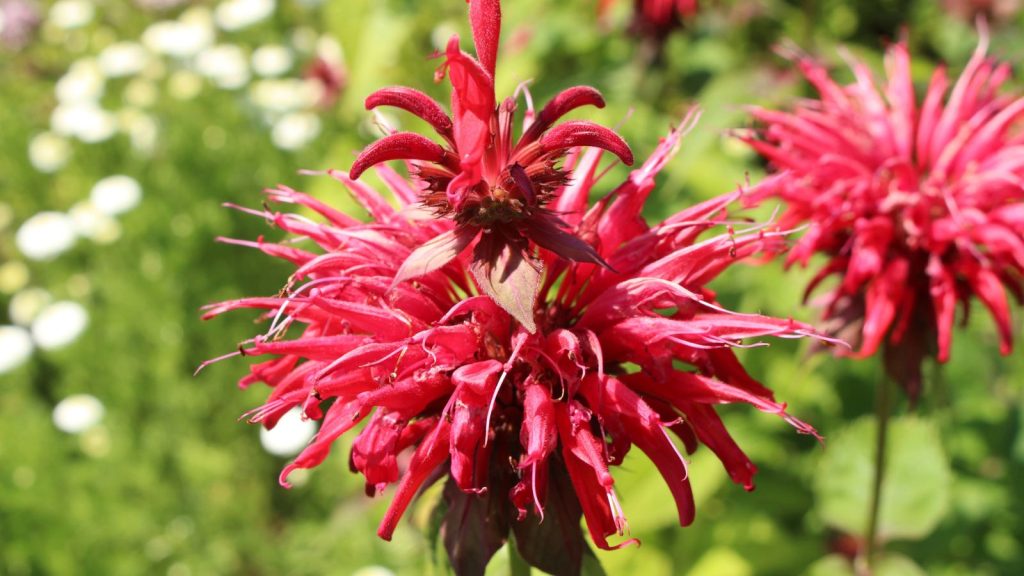
If you want a pollinator magnet that stands tall even after frost, bee balm is a winner. With fragrant leaves and vibrant summer blooms, it survives winters in zones 3–9. Full sun is best, though it can handle part shade.
Bee balm can be prone to powdery mildew, so space it well and cut it back in late fall or early winter. It will spread — but that’s just more flowers for you and the bees next year.
11. Lungwort (Pulmonaria)
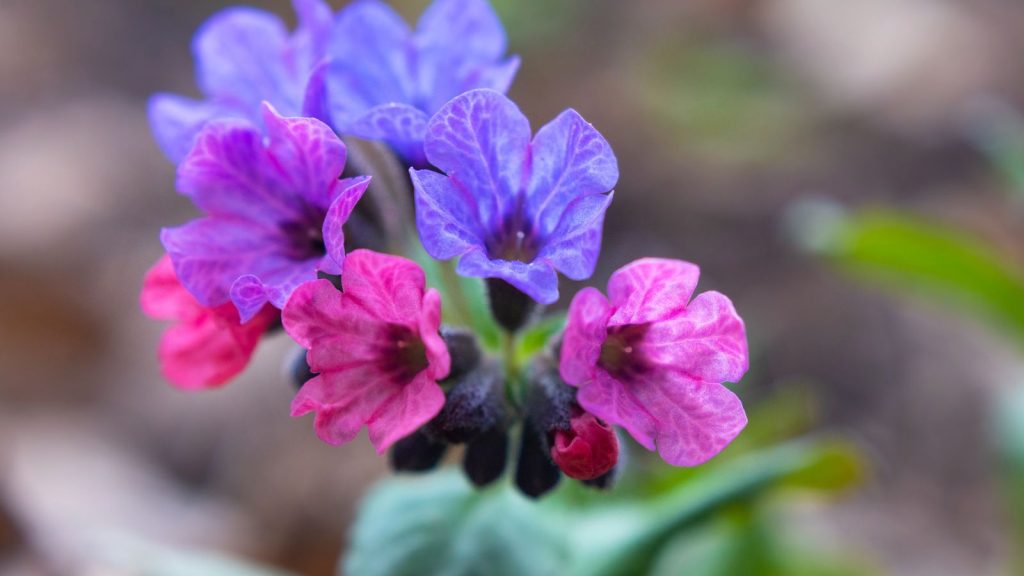
Lungwort is a very pretty plant with speckled leaves and flowers that bloom in early spring in shades of pink, blue, or purple. This low-growing perennial is perfect for borders or under taller plants.
It thrives in the shade and can handle cold temperatures in USDA zones 3–8. It needs moist, rich soil and regular division to stay happy.
12. Coral Bells (Heuchera)

Coral bells are mostly grown for their colorful foliage, which ranges from lime green to deep burgundy, but their dainty flowers are a sweet bonus. They thrive when planted in USDA zones 4–9, in partial sun, and in well-drained soil. They won’t do well in winter if the soil is consistently wet, so choose a spot with good drainage and add mulch to insulate the crown.
13. Lady’s Mantle (Alchemilla mollis)
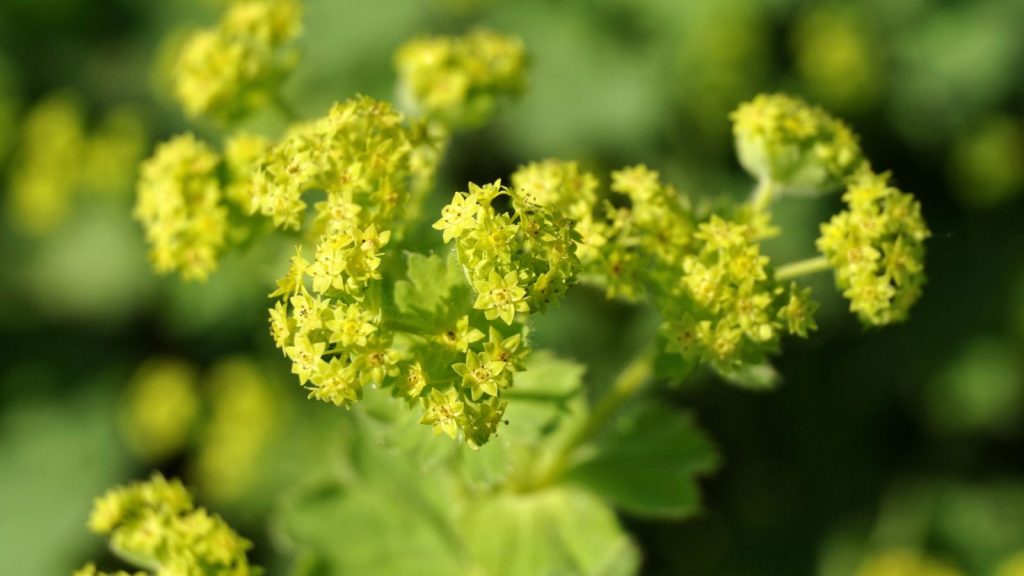
Lady’s mantle has scalloped leaves that catch dew like tiny jewels to produce a very appealing effect. It’s hardy in USDA zones 3–8, especially when grown in part shade and moist soil. The yellow-green blooms appear in late spring and can be trimmed back to encourage a second growth. Even if no flowers are blooming, its tidy mound shape looks good.
14. Baptisia (False Indigo)

Once established, baptisia is almost indestructible. Baptisia is a tall, bushy perennial that produces pea-like flowers in spring. Once established, it’s almost indestructible. That’s because it develops strong, deep roots that help it ride out harsh conditions, including winter, with ease. Baptisia grows well in USDA zones 3–9 and loves full sun and poor to average soil.
15. Blanket Flower (Gaillardia)

Blanket flower produces bright, fiery flowers that bloom even in poor soil and dry conditions. It’s a short-lived perennial but reseeds easily, so it often returns after winter with ease. Give it full sun and well-draining soil in USDA zones 3–10, and it’ll bloom from early summer into fall.