If you’re dreaming of a garden that stays colorful and cheerful all year, then you’re in the right place. Several flowering plants bloom continuously or nearly continuously when given the right care. Here are 17 plants to help you create a constantly flowering garden.
1. Geraniums

Geraniums are easygoing flowers that bloom for a long time, especially in warm climates. Outdoors, they flower year-round in USDA zones 10–11. In cooler areas, they’re usually grown as annuals or overwintered indoors.
Geraniums prefer plenty of sun, well-draining soil, and regular deadheading to maintain a continuous bloom. If you’re growing them indoors for year-round blooms, place them near a bright window and give them some shade between waterings to prevent root rot.
2. Impatiens

Impatiens are one of the best options for shady spots. They produce small, colorful blooms almost nonstop in warm, humid conditions. Outdoors, they bloom year-round in frost-free zones (ideally, zones 9–11).
In cooler regions, gardeners treat them as annuals or grow them indoors. Impatiens like their soil to be consistently moist but not soggy, and avoid watering from above to prevent disease. If they start looking leggy, trim them back a little, and they’ll bounce back quickly.
3. Petunias

Petunias can flower almost year-round with enough sun and warmth. They do best in full sun and are best suited for USDA zones 9–11, although they’re often treated as annuals in other regions.
To keep them blooming continuously, water regularly, feed them every couple of weeks with a mild fertilizer, and remove faded blooms. When grown indoors, they require bright light, ideally 6 hours or more per day, to continue producing flowers.
4. Begonias

Begonias are low-maintenance bloomers that can flower nearly all year, especially when grown in partial shade in USDA zones 9–11, where it’s warm and humid. They like moist, rich soil and do well in containers or garden beds.
If grown indoors, they’ll keep blooming near a bright window with indirect light. Avoid splashing water on the leaves, as that can cause powdery mildew. Also, when you notice a few leggy stems, trimming them helps the plant stay compact and tidy.
5. Lantana

Lantana is a tough, sun-loving plant that blooms in the heat and withstands drought, making it perfect for hot, dry areas. It flowers nearly year-round in USDA zones 9–11, especially if you deadhead the spent blooms and give it full sun.
Lantana doesn’t require rich soil; any average or even poor soil will work fine. If you’re growing it in a pot or indoors, make sure it gets lots of light, or it may stop blooming in cooler months.
6. Marigolds
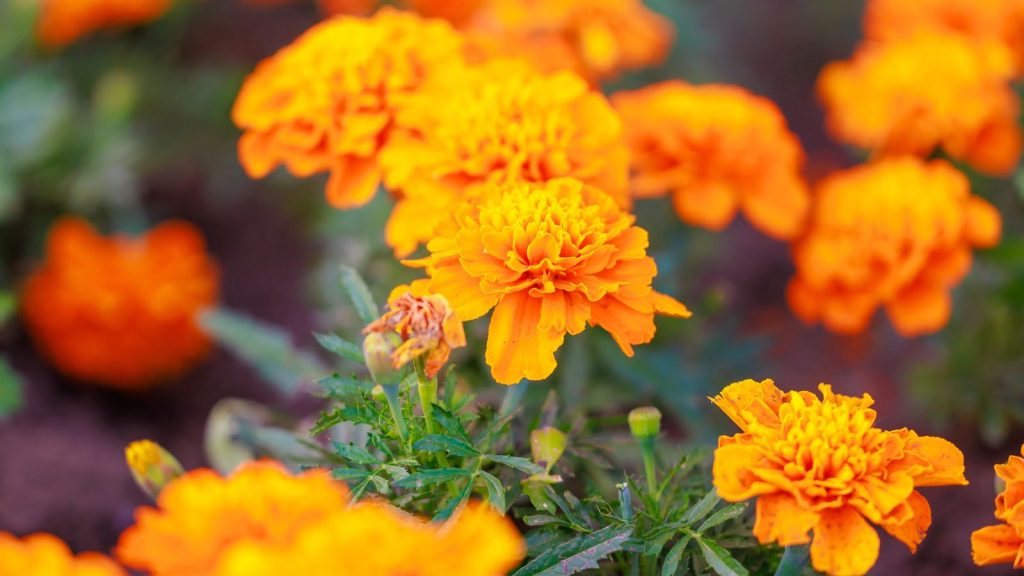
Marigolds are sunny little powerhouses. These hardy plants will bloom brightly from spring until frost, and all year in USDA zones 9–11. They love full sun and aren’t picky about soil as long as it drains well.
To keep
7. Verbena

Verbena grows a steady stream of small, colorful blooms through the warm months and nearly year-round in USDA zones 9–11. It thrives in full sun and actually prefers to grow in poor to average soil, as long as it drains well.
One way to keep verbena blooming is to deadhead regularly Giving it a light trim now and then helps the plant stay full and tidy. Also, water early in the day so leaves dry off and can avoid powdery mildew.
8. Roses
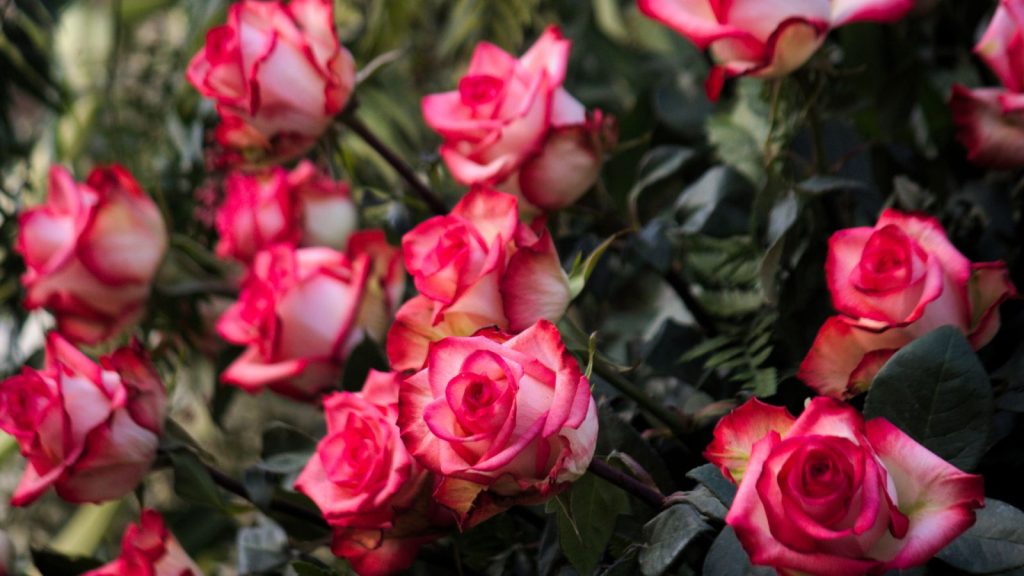
Not all types of roses are capable of blooming nonstop, all year round. However, with the right care, some modern varieties like floribundas, knockouts, and some climbers can flower nearly all year in USDA zones 8–11.
Give them full sun, rich soil, and steady moisture. Let the soil dry slightly between deep waterings, and make sure air can flow around the plant to prevent disease. Prune lightly between blooming cycles and feed them a few times a year to keep flowers coming.
9. Hibiscus

Tropical hibiscus produces bold, dramatic flowers that can flower all year and in USDA zones 9–11, where there’s no frost. They prefer full sun, consistently moist but not soggy soil, and regular fertilization, especially during periods of active blooming.
If you have hibiscus plants growing indoors, place them near a sunny window and mist them occasionally to maintain humidity. Also, be aware of pests such as aphids or spider mites, especially in dry conditions.
10. Bougainvillea

Bougainvillea is covered in colorful blooms almost year-round in warm climates (USDA zones 9b–11). It thrives in full sun and dry conditions, so once it’s settled in, it actually blooms better without maintenance.
Plant it in a sunny spot with well-drained soil, and avoid overfertilizing. Trim it back after a big bloom to encourage more flowers and prevent it from becoming too wild.
11. Portulaca (Moss Rose)

Portulaca is one of the few plants that thrive where others struggle. It thrives in full sun, dry soil, and heat, making it ideal for zones 9–11. Because it’s drought and heat tolerant, its small, colorful flowers keep popping up even through the hottest days of summer.
Portulaca leaves are succulent, so it doesn’t need much watering. Just snip off the old blooms now and then to encourage new ones.
12. Anthurium
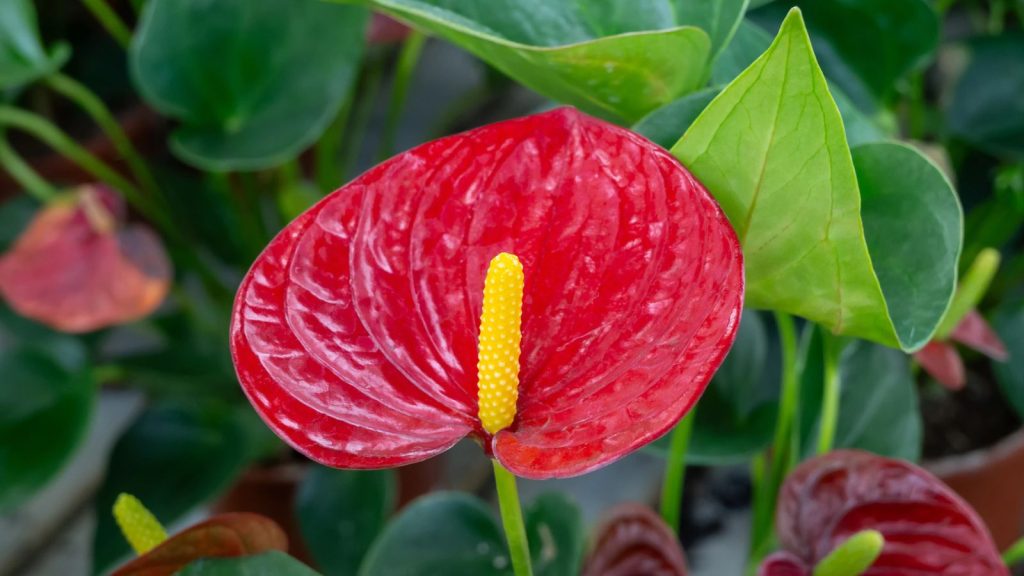
Anthuriums are often called flamingo flowers because their colorful red flowers look like the beak of a flamingo. They can bloom all year round indoors if you provide them with the right care.
They grow well in USDA zones 10–12 and prefer bright, indirect light and warm, humid conditions. Wipe the leaves occasionally to keep them glossy, and fertilize them lightly every few months to encourage continued blooming.
13. Gerbera Daisies

Gerberas are bright, cheerful flowers that grow well in full sun or bright indoor light. Under the right conditions, they bloom on and off all year in USDA zones 9–11. Keep them in rich, well-draining soil, and water at the base to avoid rot around the center. Also, remove spent blooms so the plant can put more energy into making new ones.
14. Calendula
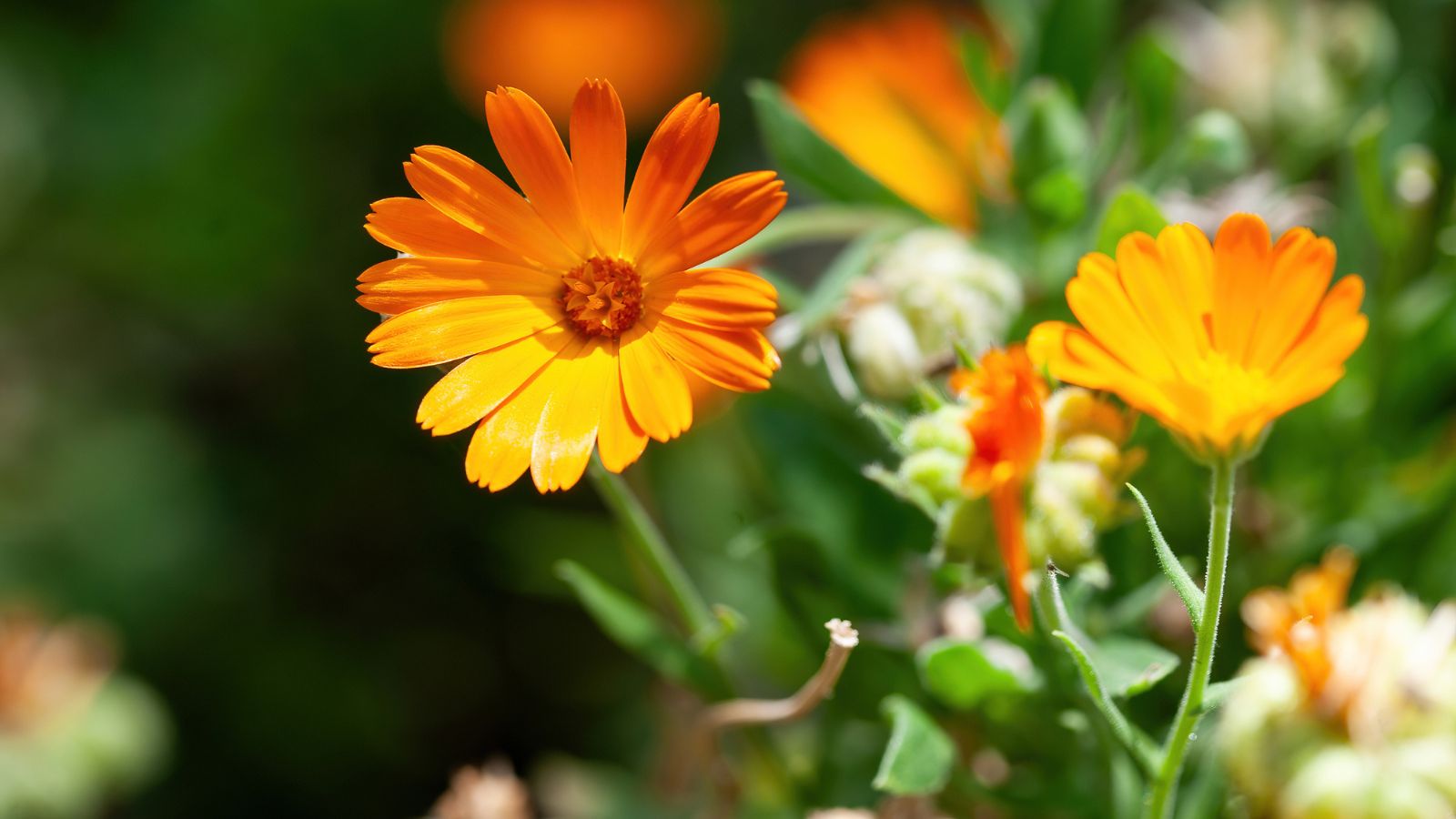
Calendula blooms steadily in cooler, mild climates, even into winter in USDA zones 9–11. These cheerful golden-orange flowers aren’t just pretty, they’re also edible and great for soothing teas or homemade salves. Grow them in full sun with average soil, deadhead regularly, and thin out crowded plants.
15. Salvia
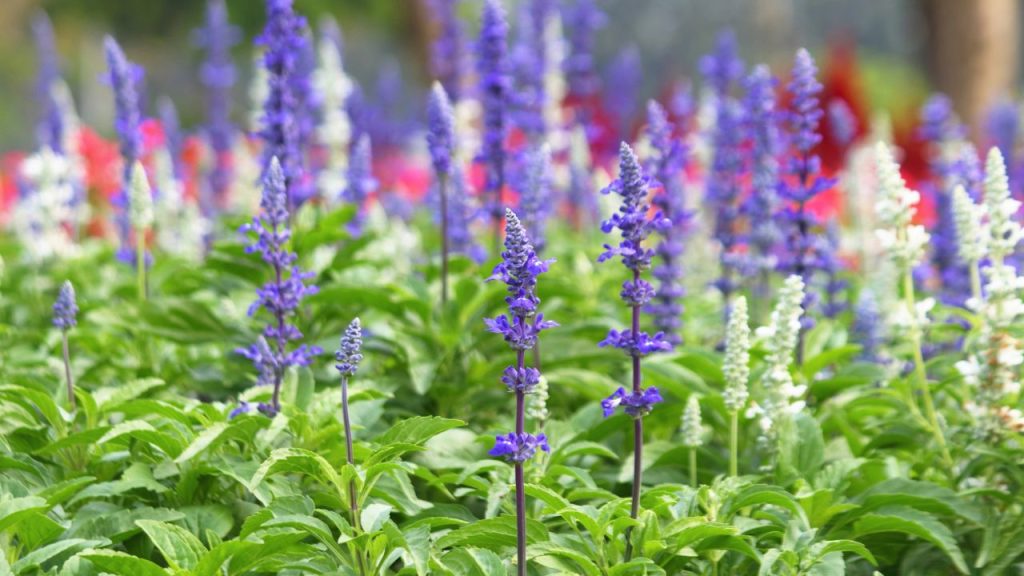
Some Salvia varieties, such as the ornamental sages or Ranch Pink, are long-blooming plants that can flower nearly year-round in USDA zones 8–11.
Salvia loves full sun and soil that drains well. Trim the fading flowers to keep new ones coming. While they bloom, expect visits from bees and hummingbirds because of their colorful, pleasant-smelling flowers.
16. Kalanchoe

Kalanchoe is a flowering succulent that thrives indoors or outdoors in USDA zones 10–11. When grown in bright light, it produces clusters of small, colorful blooms that can last for weeks or even months. Let the soil dry before you water the plant, and snip off dead flowers to help it bloom again.
17. Pentas
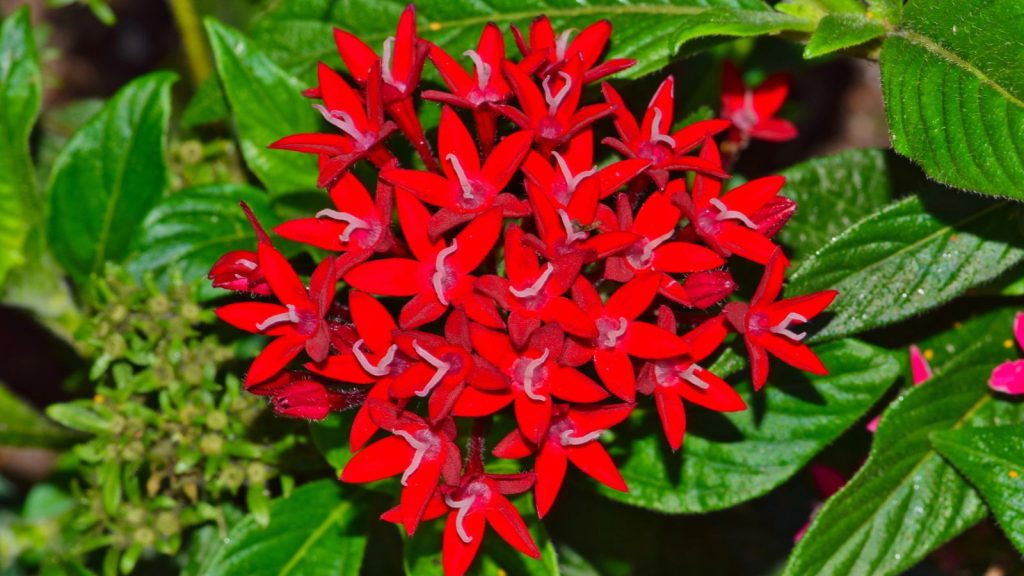
Pentas flowers heavily in warm weather and can keep blooming all year round in USDA zones 9–11. These star-shaped flowers come in shades of pink, red, white, and
10 Reasons to Grow a Wildflower Garden

Besides their beauty, wildflowers provide numerous environmental benefits and are useful throughout the year, not just when they bloom. Here are ten reasons why you should grow a wildflower garden.
10 Reasons to Grow a Wildflower Garden
21 Cheap Perennials to Grow That Will Make Your Garden Pop

You can fill your space with lush, eye-catching blooms with the right selection without overspending. Here are 21 affordable perennials bringing long-lasting beauty without stretching your wallet this year.