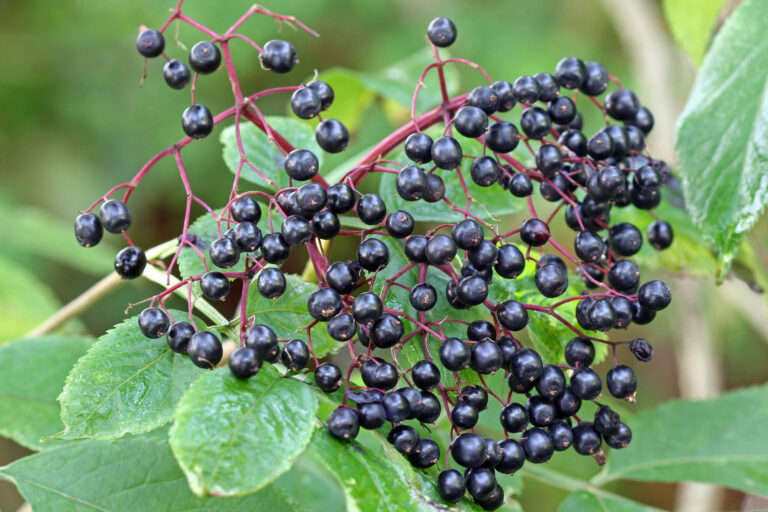


Ticks are sneaky little parasites that can carry dangerous diseases like Lyme, anaplasmosis, and Rocky Mountain spotted fever. Some of these diseases can linger or even become life-altering if not caught early. What makes them even trickier is how quietly they move. Ticks don’t jump or fly; instead, they hang out on tall grass, low branches, or shady groundcover, waiting for a host (often deer, rodents, pets, or even humans) to brush past so they can hitch a ride and feed.
While you can’t always control the wildlife that wanders through your yard, you can influence how inviting it is to ticks. Here are 16 plants that naturally provide the kind of sheltered environments that ticks and their hosts love. Knowing which plants tend to attract ticks can help you make smarter choices about what to prune, remove, or plant away from high-traffic areas.
1. Japanese Barberry

The Japanese barberry may look like an innocent little shrub with its glossy leaves and reddish tint, but it’s actually one of the worst offenders when it comes to tick-friendly plants. Japanese barberry grows in tight, thorny clumps that trap moisture and block sunlight, producing exactly the kind of humid, hidden environment ticks love. To make things worse, it attracts mice and deer, which are the main carriers of ticks.
You can replace Japanese barberry with native alternatives, such as ninebark or bayberry, that offer a similar appearance without the tick problem.

18-page quick guide and reference for gardeners dealing with pests that show up the most. From prevention strategies to treatment and remedies, this is the perfect printable for your garden.
2. Honeysuckle

Honeysuckle is a sweet-smelling shrub that’s useful in the garden because it attracts butterflies. However, it also attracts tick-carrying deer and creates dense, shady cover for ticks to thrive in.
The tangled stems and low-hanging branches give them the cool, humid environment they crave. If you have honeysuckle, especially the bushy invasive types, keep it trimmed and avoid letting it sprawl near walkways or seating areas.
3. Forsythia

Forsythia does not technically attract ticks, but after its bright yellow flowers fade, it becomes a thick, leafy tangle close to the ground. Ticks love hiding in the shaded undergrowth. If you keep forsythia, thin it out regularly so light can reach the base and reduce humidity.
4. Thistle (wild types)

Thistles grow in dense patches that can create a dark, humid environment for ticks. It also doesn’t help that they attract wildlife like rodents and deer that may be harboring ticks. Their spiny leaves also make maintenance difficult, which allows the ticks to roam unchecked.
5. Multiflora Rose

As lovely as those wild-looking blooms may seem, it’s best to steer clear of multiflora rose shrubs. These thorny, fast-growing plants form dense thickets with arching stems that trap humidity and create the perfect shady hideout for ticks. Even worse, research suggests that ticks found in multiflora rose patches are nearly twice as likely to carry Lyme disease. Definitely not a plant you want hanging around your yard.
6. English Ivy

English ivy is another non native invasive species that is notorious for harboring ticks. The dense mat that it forms near the ground traps moisture and creates an ideal breeding zone. If you already have ivy, keep it under control and avoid walking barefoot or sitting near it. You can also plant native alternatives to English ivy, like golden ragwort, Christmas fern, or hairy alumroot.
7. Tall Ornamental Grasses
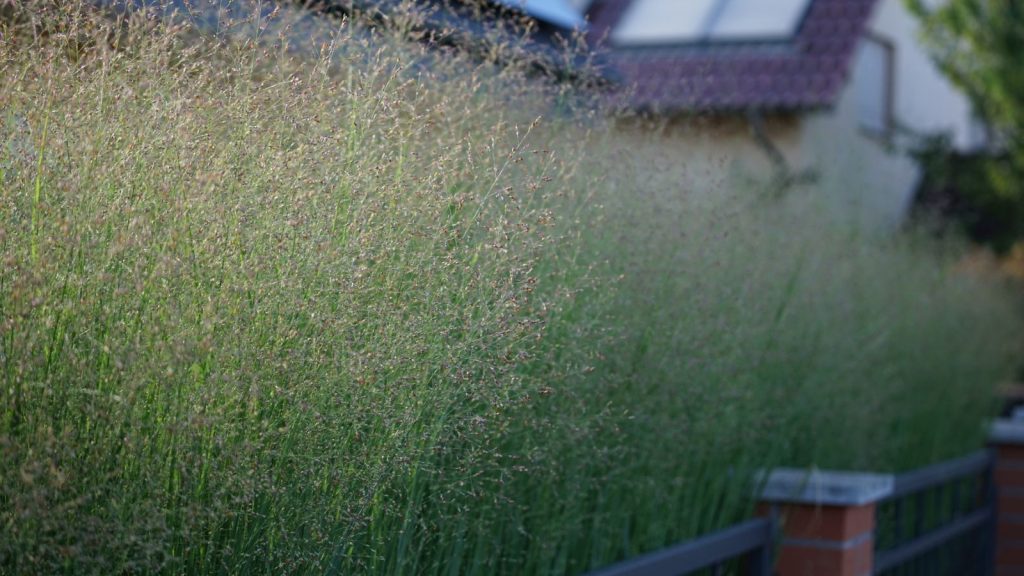
Ornamental grasses like miscanthus, switchgrass, and other tall grasses add great texture but also great cover for ticks. Ticks prefer to hide in tall grasses, where they can easily latch onto unsuspecting humans or animals that pass through. If you have to plant them, make sure they’re in contained sections, and don’t let them flop over into walkways or play areas.
20 Ornamental Grasses That Add Rich Texture to Your Garden
8. Sumac

Wild sumac indirectly attracts ticks because it forms dense colonies of low branches, especially near woodlands and fence lines. These thickets are shady, humid, and often located near animal trails, making them prime pickup and drop-off areas for ticks. If you have sumac on your land, prune the lower branches and keep the surrounding areas clear.
9. Privet

This is a common hedge plant that is often used for privacy, and frequented by tick-carrying wildlife. Its thick leaves and dense growth offer a perfect habitat for ticks to nestle under while waiting for pets or humans to pass. Keep privet trimmed and clean up fallen leaves or debris underneath.
10. Azalea

If you have azaleas in your yard and live in an area with deer, you might be inviting ticks without realizing it. Deer are drawn to azaleas, and if they’re carrying ticks, those pests can easily drop off and settle in. Azaleas also tend to grow thick and dense, creating a shady, humid environment that is ideal for ticks to thrive and multiply. It’s a beautiful plant, but it comes with risks.
11. Reed Grass

Reeds are towering grasses that thrive in moist environments, exactly where ticks love to breed. Once it takes root, it grows aggressively and becomes a dense jungle that’s difficult to manage or walk through without picking up a few ticks on the way. If you have reed grass growing around your yard, you’re better off removing it.
12. Rhododendron

Much like azaleas, rhododendrons are deer favorites. They also become dense and shadowy after flowering. Their large leaves help hold in moisture, which ticks love. Keep them trimmed from the bottom up, and avoid clustering too many together in tight spaces.
13. Mugo Pine

Mugo pine, also known as Swiss mountain pine, is a compact pine that stays low and bushy, which means more shaded, still air underneath, making it a suitable habitat for ticks. If you plant mugo pines, give them space to breathe and trim any dead inner branches that hold humidity.
14. Virginia Creeper

Virginia creeper is often mistaken for poison ivy, and it doesn’t help that they grow under the same conditions. Both of these climbing vines spread fast and create a tangled groundcover where ticks can easily lurk. If you’re letting it grow, ensure it doesn’t form a thick mat near sitting areas or where kids and pets play, so ticks don’t latch onto them.
15. Leafy Groundcovers

Groundcovers are a landscaping favorite, but the wrong ones can be tick magnets. Thick, leafy varieties like pachysandra keep the ground damp and dark. They also habor tick-carrying animals like mice and voles. Plant them with caution, and consider mixing with gravel or mulch borders to prevent tick transfer.
14 Ground Covers and Shrubs for Erosion Control in Your Yard
16. Wild Raspberry & Blackberry Bushes

These bushes produce delicious berries, but they’re also full of thorns and tangled brambles that are hard to manage. They also often grow in sunny woodland edges where deer and rodents pass through, leaving ticks behind. If you grow them, keep paths cleared and harvest regularly to discourage wildlife from lingering.
How to Get Rid of Squash Bugs for Good
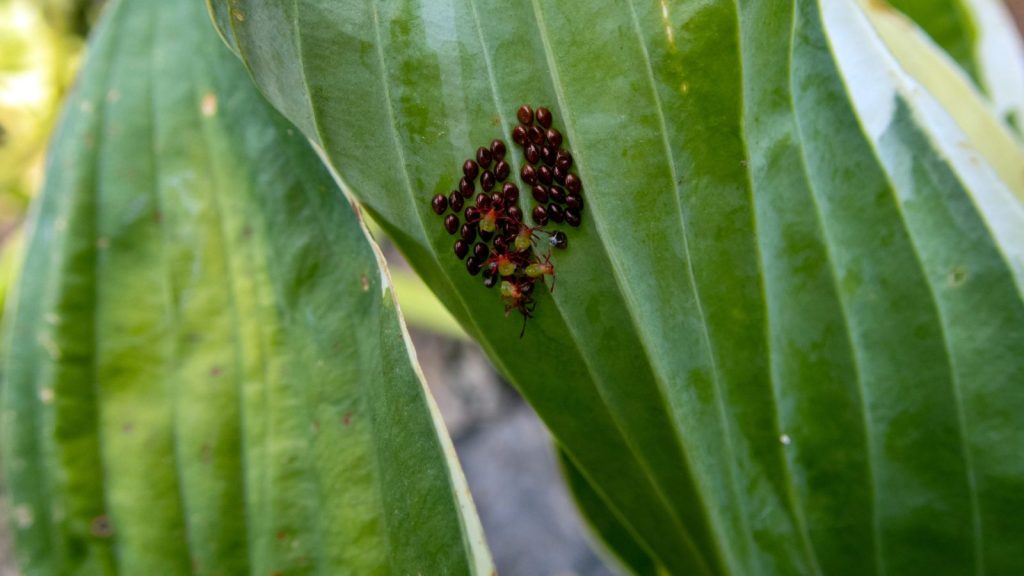
Let’s talk about ways you can identify squash bugs at every stage of their life cycle, recognize the damage they leave behind, and explore effective, natural methods to control and eliminate them for good!
How to Get Rid of Squash Bugs for Good
How to Defeat Japanese Beetles in Your Garden

If Japanese beetles are causing problems in your garden, consider trying one of these natural methods to eliminate them.
How to Defeat Japanese Beetles in Your Garden
Common Pests That Could Ruin Your Fall Vegetable Garden

Fall gardens can attract a variety of pests eager to snack on your crops, threatening your harvest. The good news is that nature provides ways to manage these unwanted visitors. Here’s a guide to some of the most common fall garden pests and tips on how to prevent and manage them.