When most people think of beautiful gardens, their minds go straight to colorful flowers with showy petals and rich fragrances. There’s another category of plants that’s often overlooked but also brings just as much charm and character. They’re called ornamental grasses.
Ornamental grasses are also some of the hardest-working plants you can have in the garden. Many are drought-tolerant, pest-resistant, and easy to grow. They thrive where other plants struggle and require very little maintenance. Plus, they’re beautiful in every season.
If you’re looking to bring a little more structure and grace into your yard, here are 20 ornamental grasses worth planting.
1. Blue Fescue (Festuca glauca)
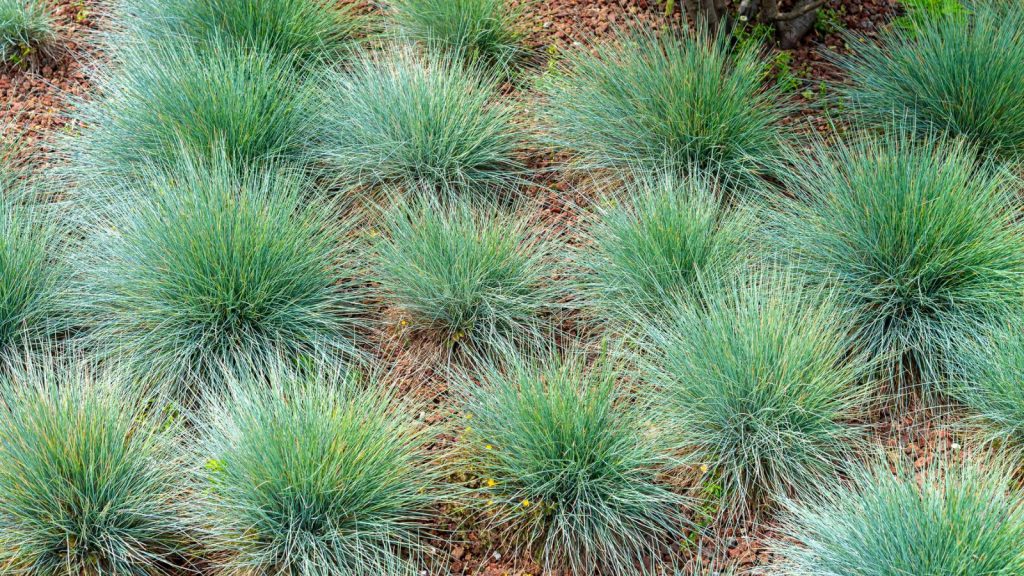
Blue fescue is a low-growing grass with powdery blue-green leaves that look good all year round. Its neat clumps and cool tones make it perfect for edging paths or dotting rock gardens. Blue fescue thrives in full sun and well-drained soil in USDA zones 4 to 8. Once established, it needs little water and can tolerate heat and drought.
2. Japanese Forest Grass (Hakonechloa macra)
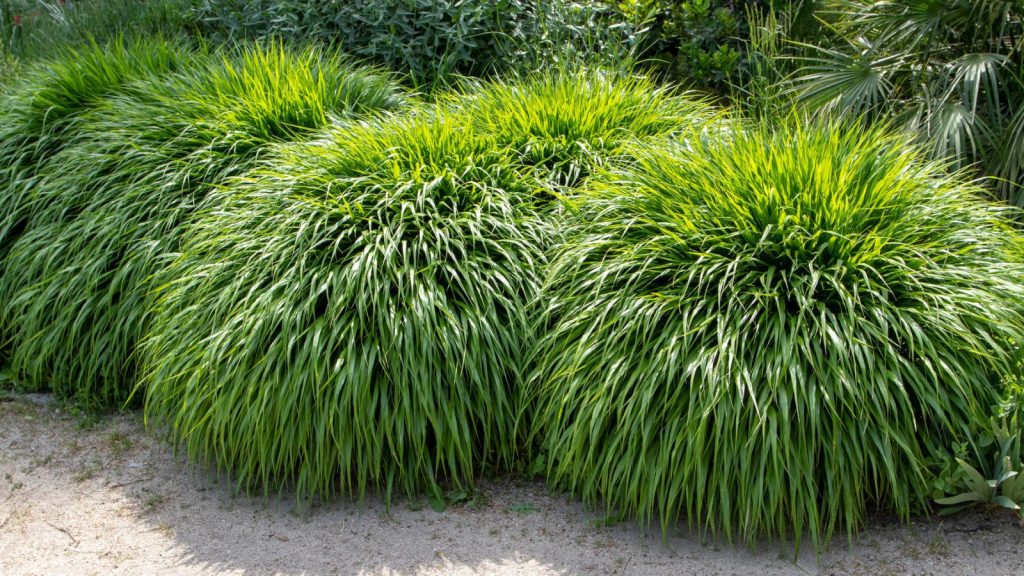
If you have a shady spot that needs softening, Japanese forest grass is your sure bet. Its arching blades often come in shades of gold or variegated green and ripple in the wind and light. Japanese forest grass prefers moist, rich soil and is partial to full shade. It grows well in USDA zones 5 to 9 and, unlike many grasses, this one prefers cooler, woodland-like conditions.
3. Purple Fountain Grass (Pennisetum setaceum ‘Rubrum’)

Purple fountain grass is renowned for its dramatic burgundy leaves and bottlebrush plumes. It’s most commonly grown as an annual in colder climates, but it’s perennial in USDA zones 9 to 11. Plant it in full sun with well-drained soil for the most vivid color. It’s especially striking in containers and makes beautiful cut stems.
4. Little Bluestem (Schizachyrium scoparium)
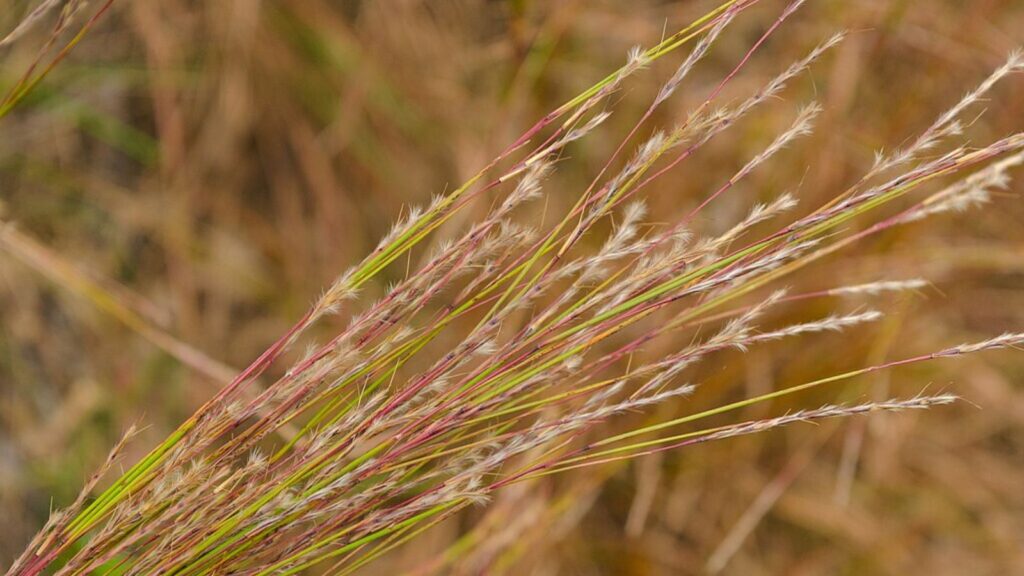
Little bluestem’s foliage shifts from blue-green in summer to fiery orange-red in fall. This North American native is both drought-tolerant and deer-resistant, making it a smart choice for low-maintenance gardens.
It does best in full sun and dry to medium soil in USDA zones 3 to 9. Its upright posture adds vertical depth to your garden, and the fluffy seed heads glow in autumn light to add some beauty as well.
5. Pink Muhly Grass (Muhlenbergia capillaris)

Few grasses have the power to enthrall you like the pink muhly grass does. In the fall, its plumes are like clouds of cotton-candy pink that glow in the sunlight. It grows in tidy, little clumps, loves full sun, and handles drought well. When grown in USDA zones 6 to 9, this grass turns even a plain patch into a soft scenery from a fairytale movie.
6. Switchgrass (Panicum virgatum)
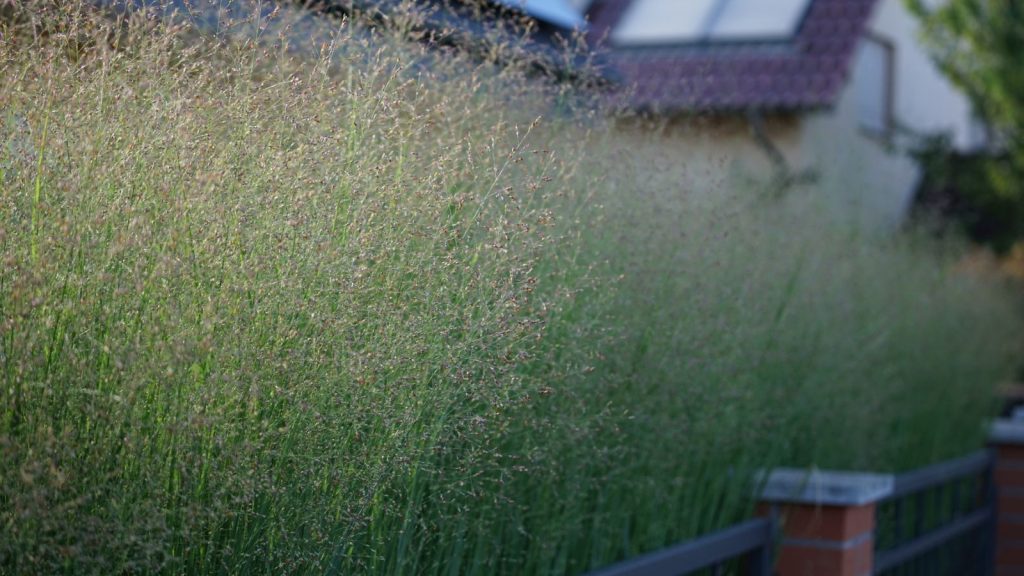
Switchgrass is an upright, native prairie grass with blue-green blades that turn golden or wine-red in fall. It thrives in full sun and moist soil but can adapt to drier conditions. It’s hardy in USDA zones 3 to 9, and works well in rain gardens, wildlife habitats, and large landscape designs.
7. Feather Reed Grass (Calamagrostis x acutiflora ‘Karl Foerster’)

Feather reed grass is prized for its upright feathery plumes that turn from green to golden tan. It’s adaptable and easy to grow in full sun or partial shade in USDA zones 4 to 9. It doesn’t flop and adds depth and structure to your garden all year long.
8. Northern Sea Oats (Chasmanthium latifolium)

The Northern sea oats grass has a woodland appeal, with bamboo-like foliage and flat, dangling seed heads that resemble fish scales. It grows well in shade to partial sun and moist, rich soil, especially in USDA zones 5-9.
However, it’s worth noting that the Northern sea oats readily self-seed and may need some control. Overall, it’s a charming plant for naturalistic or shaded gardens.
9. Zebra Grass (Miscanthus sinensis ‘Zebrinus’)

The zebra grass is named for its horizontal yellow stripes, like a zebra’s. It grows up to 7 feet tall, automatically becoming the center of attention wherever it’s planted. Zebra grass prefers full sun and moist but well-drained soil, thriving in USDA zones 5 to 9. Its late-summer plumes and variegated leaves provide year-round interest.
10. Blue Oat Grass (Helictotrichon sempervirens)

Blue oat grass is a cousin of the blue fescue, but with larger, fountain-shaped mounds with icy blue blades and tall, oat-like seed heads. It loves full sun and well-drained soil, thriving in USDA zones 4 to 9. The blue oat grass doesn’t like soggy roots, so plant it where water drains well.
11. Sedge (Carex spp.)

Although technically not a true grass, sedges still earn a spot in ornamental gardens thanks to their finely textured foliage and ability to grow in shade. Varieties like Carex elata ‘Aurea’ glow with golden hues in moist soil.
Most sedges prefer partial shade and are hardy in USDA zones 5 to 9. They’re ideal for softening shady borders and wet areas.
12. Giant Sacaton (Sporobolus wrightii)

If you have a lot of space and need an ornamental grass with a bold look that fills the space, consider the giant sacaton. It’s native to the Southwest and resembles pampas grass, but is more cold-hardy (in USDA zones 5-9).
It grows in full sun and poor soils, producing tall, airy seed heads on arching stems. It’s great for prairie-style landscapes.
13. Indian Grass (Sorghastrum nutans)

This tall, golden grass is a favorite in native plant gardens. It thrives in full sun, dry to medium soil, and USDA zones 4 to 9. In late summer, it develops bronze flower heads that shimmer in the wind. Indian grass attracts pollinators and birds, adding both beauty and biodiversity to your garden.
14. Tufted Hair Grass (Deschampsia cespitosa)

Tufted hair grass is perfect for cool, moist gardens. It forms dense clumps of green blades topped by airy flower heads. It grows in sun or part shade and tolerates clay soils, thriving in USDA zones 4 to 9. Its fine texture and early bloom time make it a quiet but effective background ornamental plant to love.
15. Maiden Grass (Miscanthus sinensis ‘Gracillimus’)

This maiden grass is a refined variety of miscanthus, and a longtime garden favorite. It has slender leaves and coppery-pink plumes that rise above the foliage. Plant it in full sun and well-drained soil, especially in USDA zones 5-9, to grow optimally. It’s slow to emerge in spring but rewards patience with graceful and beautiful foliage.
16. Dwarf Mondo Grass (Ophiopogon japonicus ‘Nana’)

Dwarf mondo is also technically not a true grass. However, this low-growing ground cover is grass-like and makes an excellent filler for shady borders or between stepping stones. It grows in USDA zones 6 to 11 and prefers moist, well-drained soil and dappled shade.
17. Prairie Dropseed (Sporobolus heterolepis)

The prairie dropseed grass is a fine-textured and fragrant gem. It forms fountain-like mounds and produces delicate, airy blooms in late summer that have a faint scent of
18. Black Mondo Grass (Ophiopogon planiscapus ‘Nigrescens’)

This stunning plant has an unusually deep black-purple foliage. The color pops more when planted in contrast with plants with silver or green foliage. The black mondo grass prefers moist, well-drained soil in partial shade and grows in USDA zones 6 to 10. It’s slow-growing but makes a bold impact in borders and containers once it matures.
19. Bamboo Muhly (Muhlenbergia dumosa)

Like the name suggests, bamboo muhly is feathery and bamboo-like. This grass, native to Arizona and California, is drought-resistant and prefers arid to semi-arid conditions.
It grows best in full sun and sandy, well-drained soil, and thrives in USDA zones 8 to 11. Its tall, arching stems create a breezy, cloud-like effect that pairs beautifully with cacti or succulents.
20. Silvergrass (Miscanthus sinensis ‘Morning Light’)

Morning Light is a graceful cultivar with fine, variegated blades that seem to shimmer in the sun. It grows well in full sun and well-drained soil, and is hardy in USDA zones 5-9. It’s slower to flower than other Miscanthus species but remains one of the most refined ornamental grasses for structured gardens.