Several flowers have an interesting characteristic of changing color throughout the season. Sometimes, the reason is natural and simply part of the aging process. However, environmental factors can also have something to do with it. Here are 15 flowers that can change color throughout the season and why.
1. Butterfly Pea (Clitoria ternatea)

The butterfly pea is a pea-shaped flower with petals resembling a butterfly’s wing. Its flowers are often deep blue with a yellow center.
Butterfly pea can turn red due to the reaction of pigments with the soil pH. In high acidity, they produce purple or pink blooms, and in high alkalinity, they yield blue blooms.
2. Lantana (Lantana camara)

Lantana’s flowers grow in clusters. They can be pink, red, yellow, purple, or orange. This vibrant shrub flowers all summer. Lantana changing colors is normal and part of the growth process. The flower often begins with a yellow color, which later changes to red to symbolize aging.
3. Lilies (Lilium)

Lilies are known for their six petals, which are shaped like a funnel or a trumpet. They have a variety of colors, including pink, white, yellow, red, and purple.
The most common reason lilies may change color is their variety. An example is Oriental lilies, which usually start with white buds, then turn pink or purple as they bloom. Other reasons could be aging (especially the Calla lilies), temperature factors, light sensitivity, and humidity.
4. Hydrangea (Hydrangea macrophylla)

Hydrangeas are vibrant and artsy shrubs. Their blooms can either have a lacy or round shape. Common colors of flowers are purple, blue, white, or pink.
Hydrangeas change colors simply because of the pH of the soil. Hydrangeas grown in acidic soil (below 6.0 pH) have a purple or pink tint on their flowers. Neutral or alkaline (above 6.0 pH) soil causes the flowers to have pink or red petals.
Also, the more aluminum present, the deeper the shade of blue or purple on your flowers. Sometimes, hydrangeas may also change color because of aging.
5. Hibiscus (Hibiscus rosa-sinensis)

Hibiscus has trumpet-shaped flowers that can be frilled. Common colors range from yellow, purple, red, and blue. Hibiscus can change color due to the production of carotenoids. During the hot weather, when carotenoid production is higher, hibiscus will produce bright red and orange blooms. When it reduces during cool weather, the color or the bloom lightens.
Because they also contain anthocyanin, soil pH may also influence color changes. Anthocyanin is a pigment that produces red blooms in acidic soils and blue flowers in neutral/alkaline environments.
6. Morning Glory (Ipomoea purpurea)

Morning glory has pink, blue, red, white, or purple flowers that resemble a trumpet. The flowers open in the morning and close at night or on cloudy days.
The pH in the petals’ cells increases as the
7. Tulips (Tulipa)

Tulips are showy and vibrant with red, yellow, pink, orange, and white blooms. Some tulip varieties (like Apricot Foxx Triumph) are predisposed to color changes. Their hybrid nature causes them to choose one parent’s color over the other as they mature.
Environmental factors such as temperature, soil pH, sunlight, etc, can also cause your flower colors to change.
8. Daylilies (Hemerocallis)

Some daylilies have petals that resemble a star shape, while others have long and narrow petals. Their colors range from orange, pink, purple, and red.
Some varieties of daylilies are naturally prone to changing colors during the day. Other times, it may just be because of pigment modifications. Environmental factors like sunlight and temperature can affect the pigments on flowers, making them appear darker, lighter, or a mixture of both.
9. Magnolia (Magnolia)

Magnolias have sweet-smelling blooms that often appear yellow, white, pink, purple, or white. Magnolias appear in a star shape on trees or shrubs. Their flowers change color mainly because of genetics, for example, Japanese magnolias. Also, air temperature, especially cooler temperatures, can affect flower colors.
10. Poinsettias (Euphorbia pulcherrima)
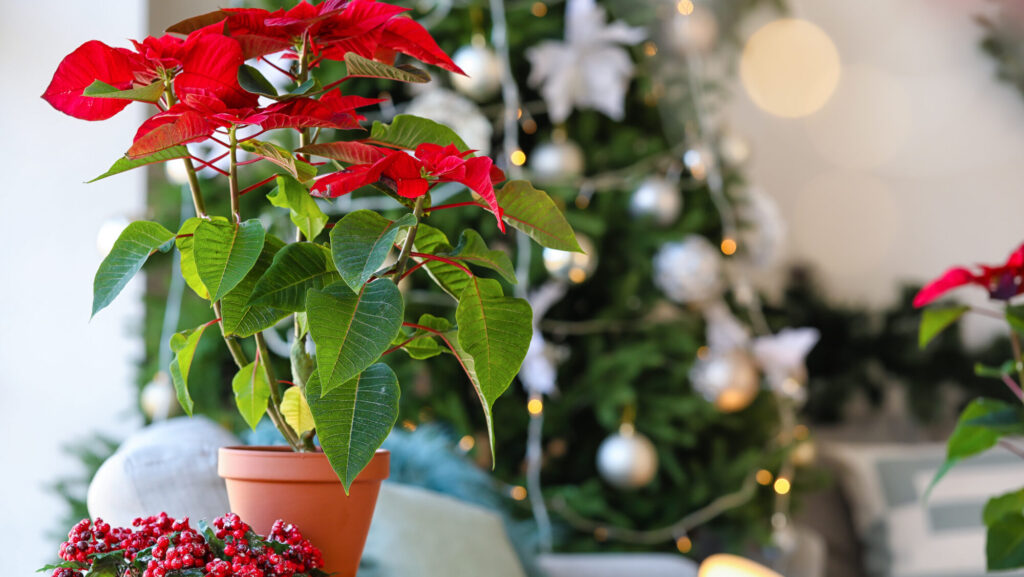
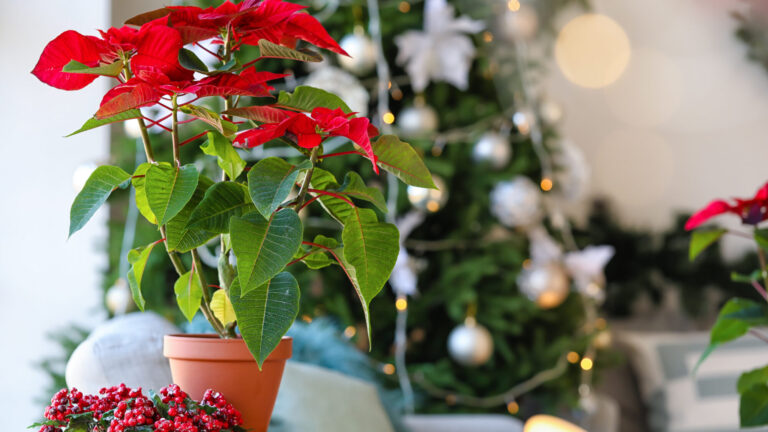
Poinsettias have colorful leaves called bracts. Poinsettias prefer shorter days so they can have at least 12 hours of darkness to grow. During this period, the bracts change from green to a colorful red.
11. Roses (Rosa rubiginosa)

Roses have layered petals that are often pink, white, and yellow. In warmer temperatures, flowers can appear light pink. While in cooler weather, they can look deep pink or red.
Rose can also change color and fade due to the natural aging process. Another reason is soil pH. Acidic soil produces vibrant red flowers, while alkaline soil produces softer red or blue blooms.
Related: 16 Plants That Will Perfectly Complement Your Roses
12. African Violets (Saintpaulia ionantha)

African violets are low-growing flowers with five violet-like petals. The flowers are often white, pink, and violet. The hybrid kind has petals that can be spotted around the edges.
The main reason why African violets change color is that they’re a hybrid plant with the DNA of more than one parent. So the flower can change color to the parent of its choice. Other factors responsible for color change include water and soil’s pH levels or temperature sensitivity.
13. Four o’clock (Mirabilis jalapa)

This trumpet-shaped bloom opens in the late afternoon or early evening. They have vibrant yellow, pink, white, and red flowers.
Changing colors can be because of genetics. The presence of two alleles causes the flower to become a blended color of both genes. Also, acidic soil can cause the production of blue anthocyanins, while alkaline soil can make red anthocyanins.
14. Larkspur (Delphinium)

Larkspurs have tall and elegant spikes of blooms. They can bloom in pink, blue, or purple, and the colors can change for several reasons.
The biggest of them all is the pH. If the pH of the flower’s epidermal cells increases, the flower changes from a reddish purple to a blue with purple hues. Aging can also be another cause of color change.
15. Yesterday-Today-Tomorrow (Brunfelsia pauciflora)

The name of this plant signifies the color changes the flowers undergo over time: dark purple (yesterday),
Yesterday-Today-Tomorrow changes color because of the breakdown of anthocyanin pigments. As the flowers mature, their hues get lighter, going from dark purple to yellow or white.

Sandra Enuma
Sandra Enuma is a writer who's as comfortable with a trowel as she is with a keyboard. She’s passionate about sharing simple, down-to-earth tips to help you start and manage your own home garden, no matter your experience.