
Mealybugs might look like harmless bits of cotton, but they’re anything but innocent. These relentless pests damage plants by sucking on their sap, which can lead to yellowing of leaves, stunted growth, and even the death of the plants.
They also leave a sticky honeydew residue that attracts black mold and other pests. If left unchecked, they can quickly become uncontrollable. Here are 15 ways to eliminate mealybugs.
1. Water Pressure Blast
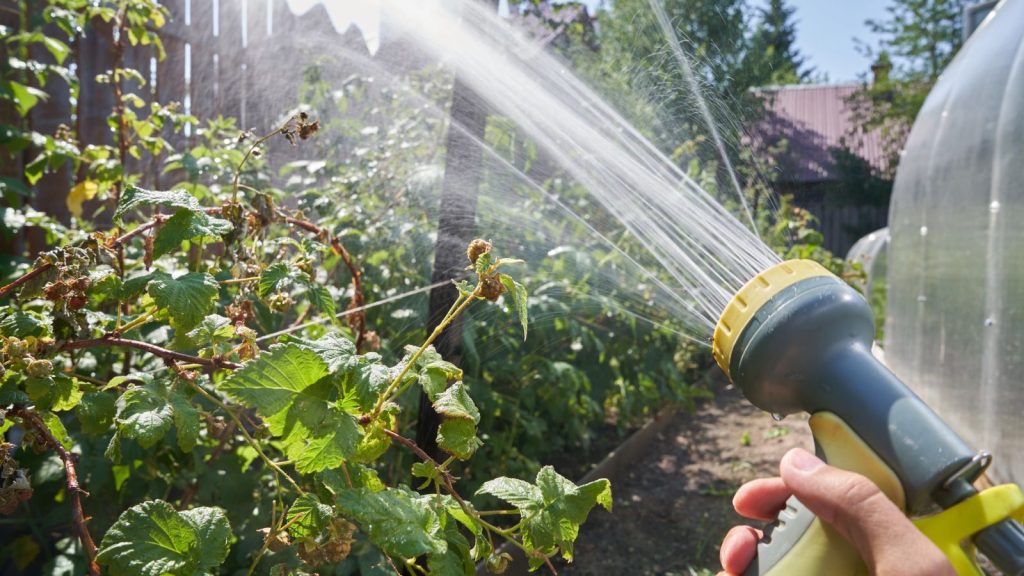
Focusing a strong jet of water on the mealybugs can knock them off your plants, especially outdoors. Use a garden hose or
This temporary solution works best early in an infestation and should be followed up with another treatment. Be gentle so you don’t damage your plants.
2. Spot Treatment with Rubbing Alcohol (Isopropyl Alcohol)
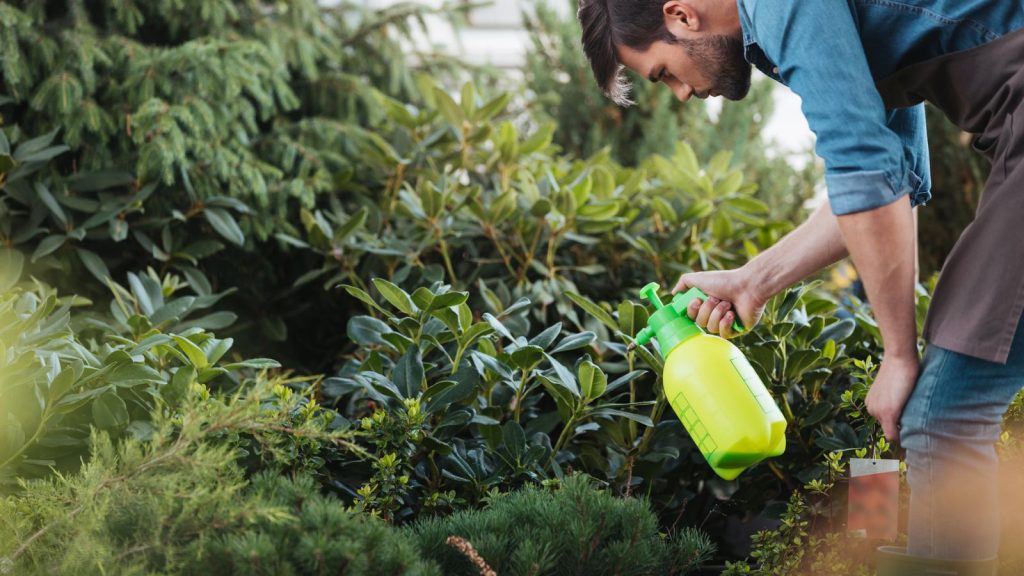
One of the quickest ways to kill mealybugs in small infestations is by dabbing them directly with 70% rubbing alcohol. The alcohol dissolves their protective coating and kills them on contact.
However, if the infestation is extensive, make a solution using 1 part alcohol and three (3) parts water in a
3. Neem Oil

Neem oil is an organic pesticide that disrupts the feeding and reproduction of mealybugs, causing them to die. Mix 1–2 teaspoons of
Reapply every 7–10 days until the pests are gone. Although effective, note that
4. Hydrogen Peroxide Spray

Mix 1 part 3%
Spray directly onto affected areas and repeat every few days while monitoring the plant for improvement.
5. Essential Oil Spray Solution

Studies show that some essential oils, like
Related: Rosemary Essential Oil: Benefits and Uses
6. Baking Soda Spray

Although baking soda may not do much for a mealybug infestation in itself, a mixture of baking soda, mild dish soap, and water (1 tsp baking soda + a few drops of soap in 1 liter of water) can discourage the growth of black mold and create an inhospitable surface for mealybugs.
Spray the leaves weekly, especially the undersides where they like to hide, and combine with stronger treatments like
7. Bonide Systemic Granules
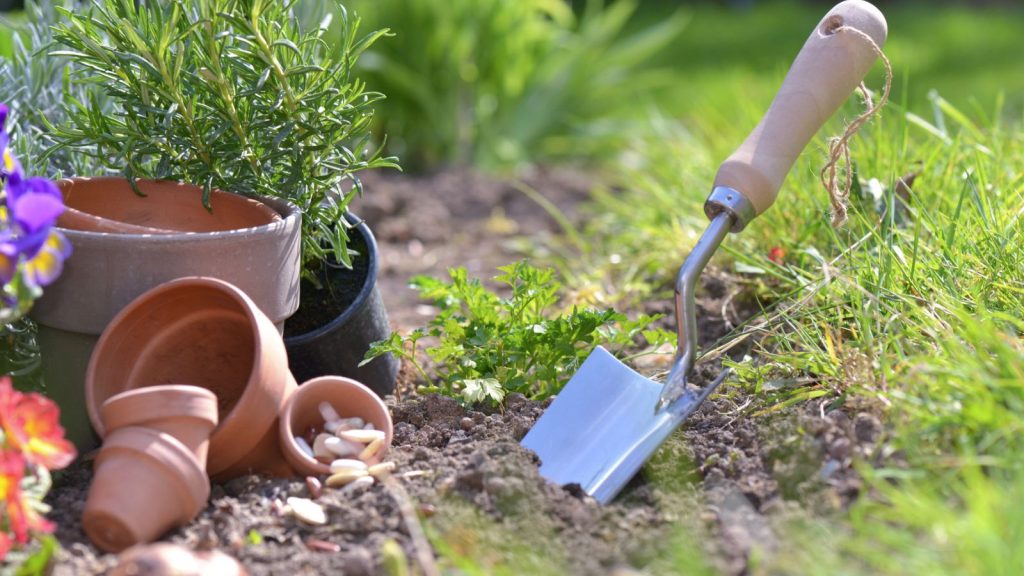
These insecticide granules are the most surefire way to completely wipe out mealybugs from your plants. The granules are absorbed through the plant roots, and once the pests feed on the sap, the active ingredients kill them from the inside out.
A single application remains effective for as long as 8 weeks. However, they should only be used on non-edible plants because of how they’re absorbed.
8. Use Insecticidal Soap
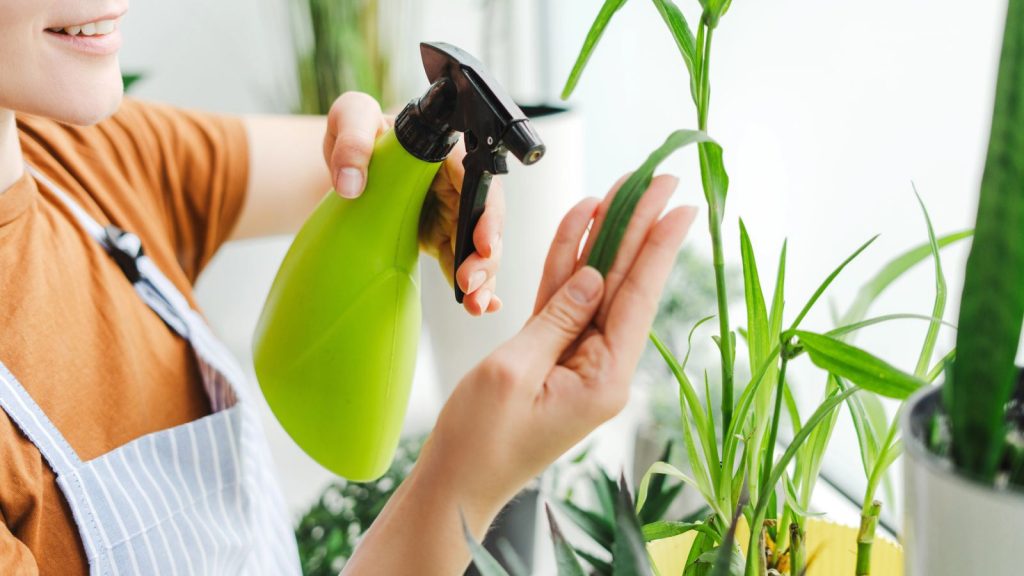
When you spray infested plants with a solution made with
Use a ready-made spray or make your own by mixing 1–2 teaspoons of mild liquid soap (not detergent) with 1 liter of water. It’s safe for most houseplants and garden crops, but you may need to reapply after rainfall or watering.
9. Biological Control
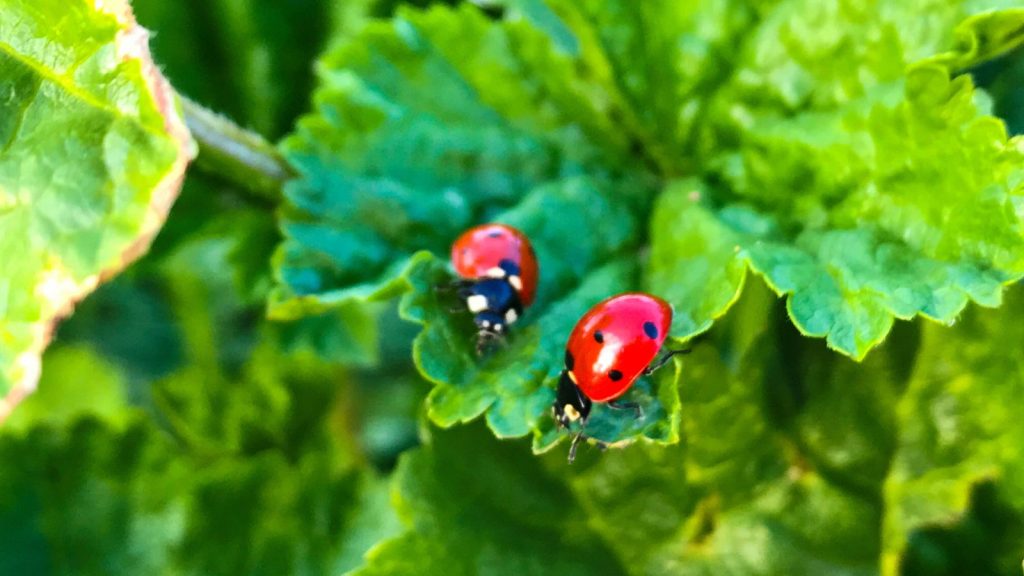
Introducing natural predators like ladybugs and green lacewings to your garden is an eco-friendly way to control mealybugs. These beneficial insects feed on soft-bodied pests and help maintain a natural balance without the need for chemicals.
10. Pruning Infested Areas
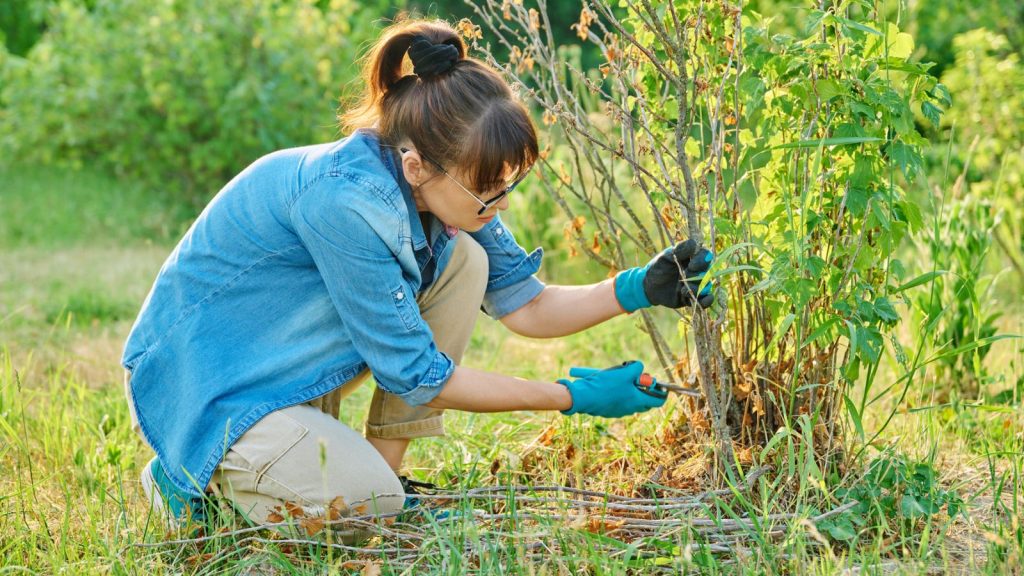
You can prune and dispose of the affected parts if the mealybug infestation is isolated in a small area, like a few leaves or stems. Be sure to seal and discard the clippings far away from your plants to avoid reintroducing pests. Also, don’t add them to your compost pile.
11. Diatomaceous Earth
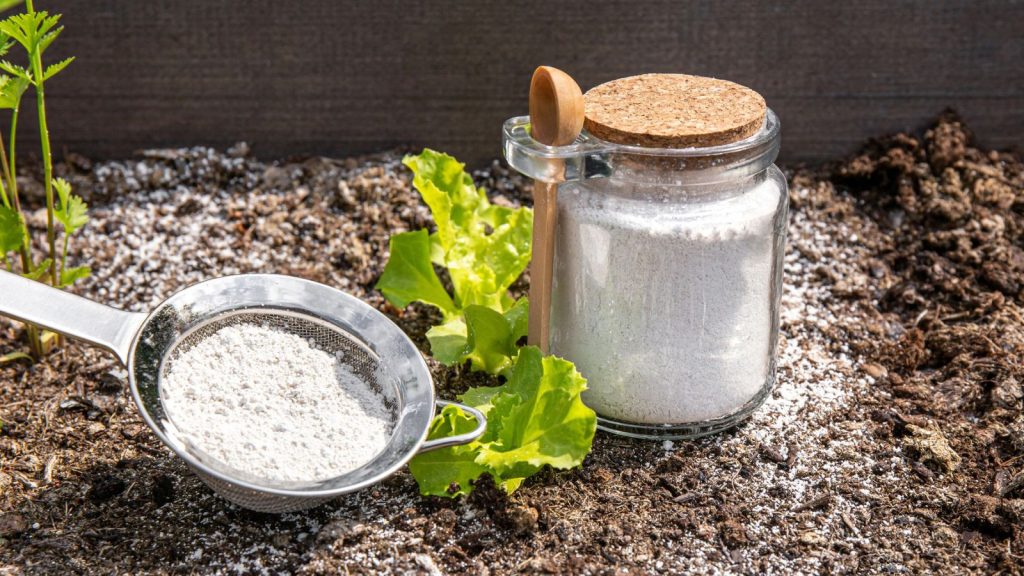
Diatomaceous earth is a fine, natural powder made from the fossilized remains of algae. When sprinkled around the base of plants or directly on leaves, it destroys mealybugs by damaging their exoskeleton, which causes them to dehydrate.
It’s completely safe to use around people and pets; just make sure to buy the food-grade version. For best results, it should be used in dry conditions.
Related: 15 Ways to Use Diatomaceous Earth Around the Home and Garden
12. Companion Planting
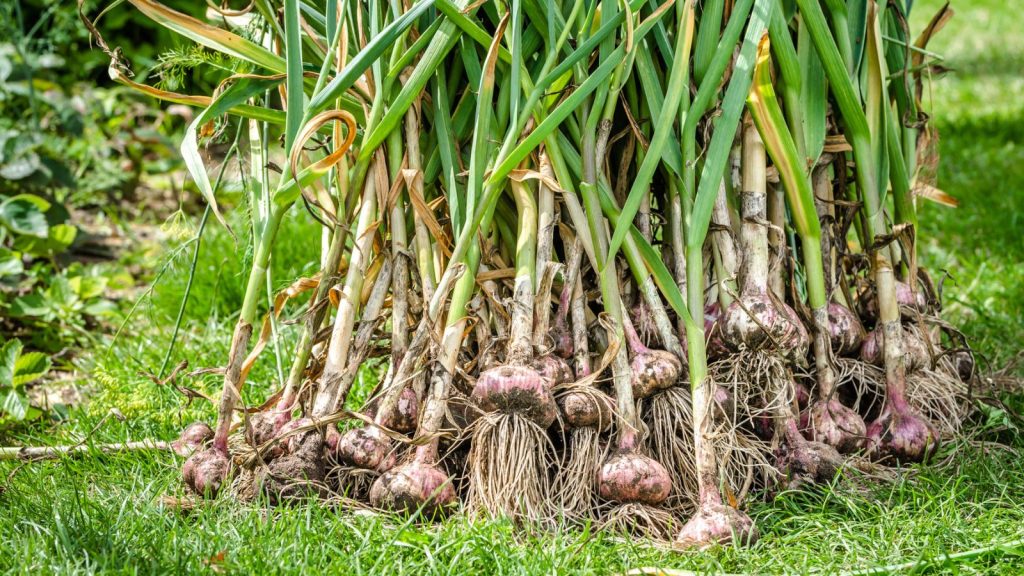
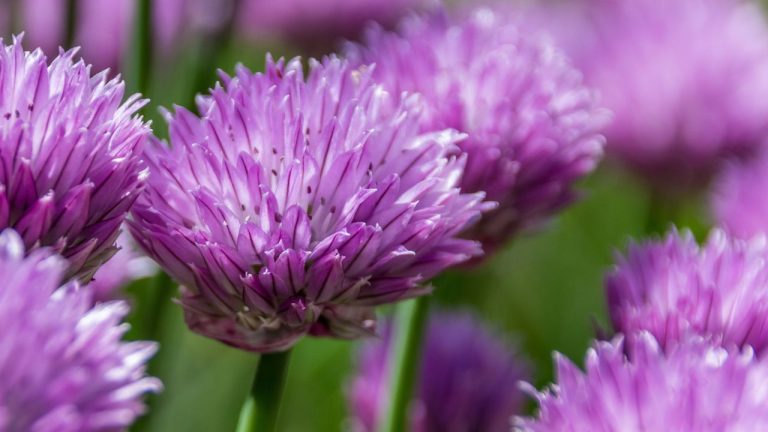
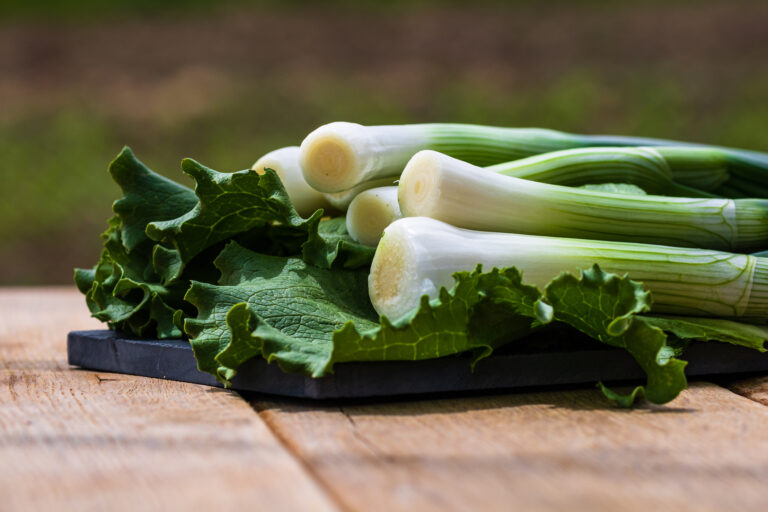
Adding companion plants to your garden is one way to control pests like mealybugs naturally. Aromatic plants like onions,
13. Sticky Traps
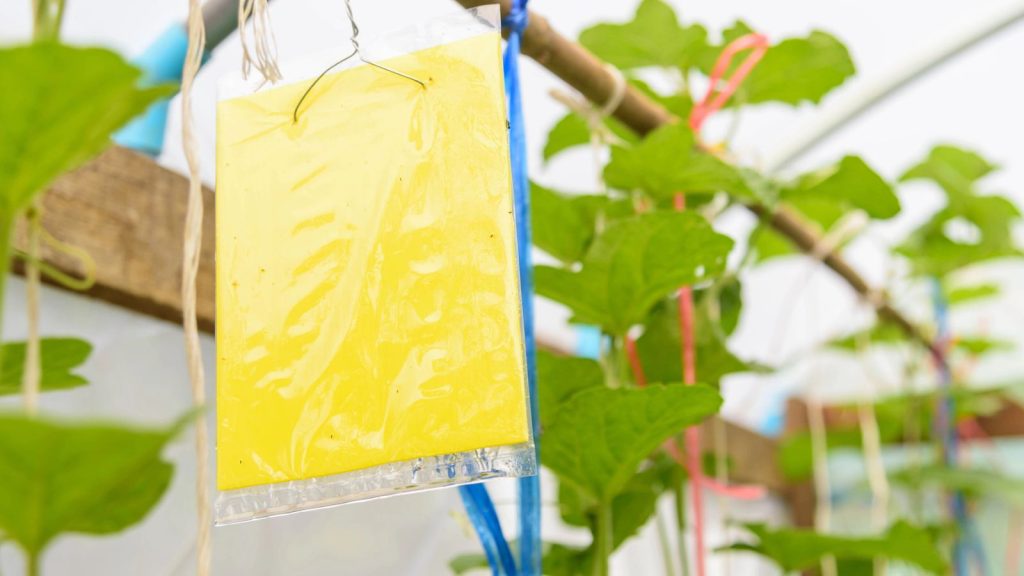
Yellow sticky traps attract and catch adult male mealybugs, the only ones capable of flight. While these traps won’t capture the wingless, fuzzy-looking females—the main culprits behind plant damage—they can help reduce the population by limiting breeding opportunities. They’re also low maintenance. Just place the traps near the plant to monitor pest activity and slow the spread.
14. Quarantine New Plants

Mealybugs are notorious for spreading quickly, especially indoors. One of the most common ways they infest new spaces is by hitching a ride on newly purchased plants.
These pests can be hard to spot at first, hiding in leaf joints or under the soil, so it’s important to isolate any new plant for at least 1–2 weeks before introducing it to your home or garden.
15. Regular Inspections

Early intervention is much easier than dealing with an advanced infestation. Keep a routine inspection schedule for all your plants and regularly check the undersides of leaves, leaf axils, and new growth for signs of white cottony masses.
How to Defeat Japanese Beetles in Your Garden

If Japanese beetles are causing problems in your garden, consider trying one of these natural methods to eliminate them.
How to Defeat Japanese Beetles in Your Garden
29 Deer Resistant Flowers with The Most Beautiful Blooms

If you’re looking for beautiful, deer-resistant flowers to add color and charm to your garden, here are 29 stunning options that deer will likely leave alone.
29 Deer Resistant Flowers with The Most Beautiful Blooms
How to Outsmart Gnats to Keep Them Away From Your Houseplants
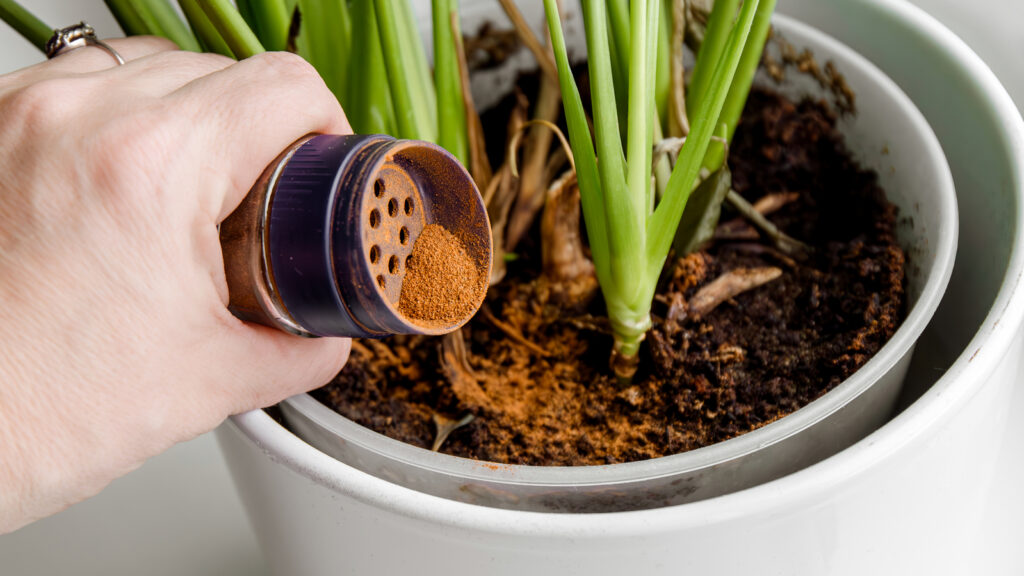
Gnats are more than just a minor annoyance; these tiny pests buzz around with a persistence that’s hard to ignore. Here are ten effective ways to keep gnats away from your house plants.
How to Outsmart Gnats to Keep Them Away From Your Houseplants