Tomatoes are rewarding to grow, but they are also very sensitive to environmental conditions. One wrong move and they’ll curl, wilt, or flat-out refuse to fruit. If your tomato plants look unhappy or your harvest isn’t what you expected, chances are you’re making one of these 16 common mistakes.
1. Planting too early in the season

Tomatoes grow better when it’s warm, and planting them too early is a surefire way to stress or even kill young plants. Even if it feels sunny during the day, nighttime temperatures can sometimes drop below 50°F (10°C), which can shock the plant.
Additionally, cold soil delays root development, making the plants more vulnerable to diseases. The ideal time to plant tomatoes is after your last expected frost, ensuring both soil and air temperatures are consistently warm before planting.
2. Choosing the wrong tomato variety
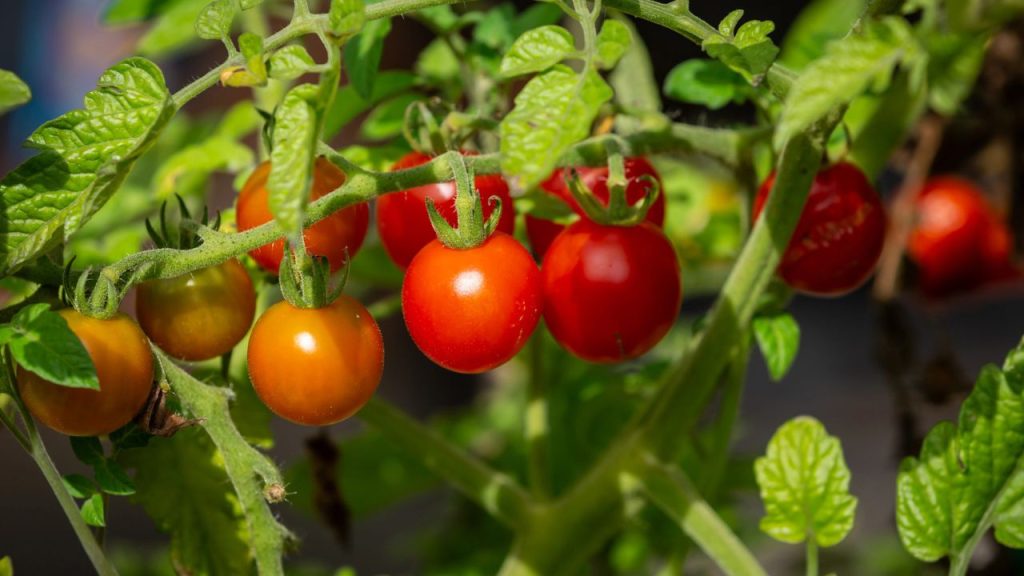
Not all tomatoes are created equal when it comes to climate. If you live in a hot, humid area, growing a cold-climate heirloom may lead to poor fruit set or disease issues. Dry, desert climates need heat-tolerant and crack-resistant varieties.
Always check whether a tomato is determinate or indeterminate and choose types bred for your region’s specific conditions. Your local gardening centers are a great place to find these climate-appropriate cultivars.
3. Not hardening off seedlings before transplanting

Jumping straight from prime indoor conditions to outdoor sun and wind can be traumatic for tender seedlings. Hardening off involves gradually exposing them to outdoor conditions over 7–10 days. Start with a few hours in dappled shade, then work up to full sun and wind. Skipping this step can cause sunscald, wilting, or stunted growth.
4. Planting tomatoes too close together
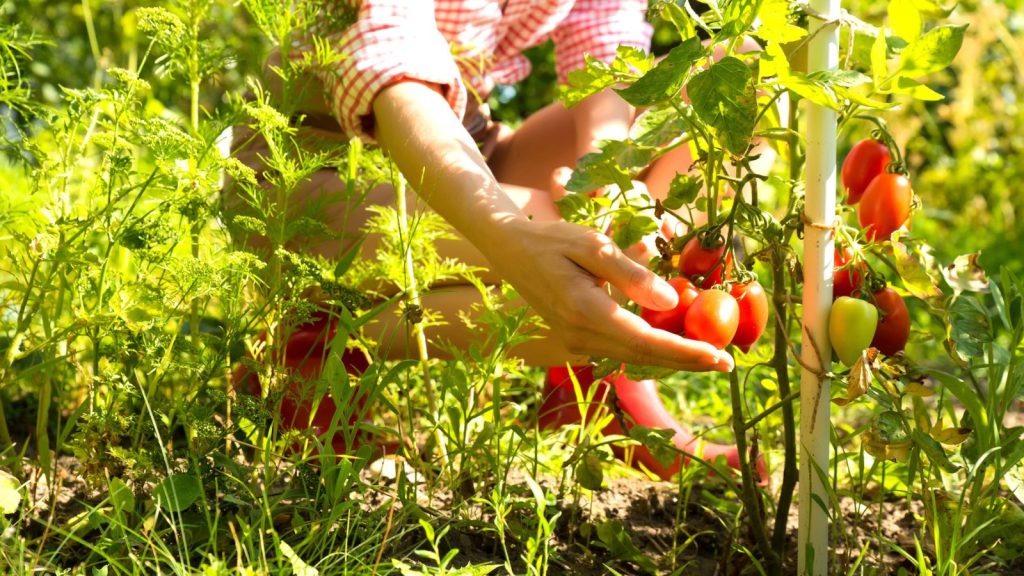
Tomatoes need space, both for better growth and improved airflow. When the plants are crowded together, they trap moisture, creating the perfect environment for fungal diseases like blight and powdery mildew to grow. Depending on the variety, plants should be spaced 18 to 36 inches apart.
5. Planting tomatoes in shallow soil

Tomatoes are unique in that they can grow roots along buried stems. When you plant them deeply (i.e., up to the first set of true leaves), you encourage strong root systems. However, if you plant them in shallow soil, it results in weak, top-heavy plants that struggle in wind or drought.
Bury at least 10 inches of your tomato seedlings to prevent this. If the seedlings are tall and leggy, dig a trench and lay them sideways to bury more stem length.
6. Overwatering or underwatering

Tomatoes don’t prefer consistency when it comes to watering. Too much water can lead to root rot, split fruit, or blossom end rot, while too little causes stress, leaf curl, and poor fruit production.
Try to water the plants evenly and deeply, about 1 to 1.5 inches per week, especially during the flowering and fruiting stages. Allow the top inch of soil to dry out between waterings, and avoid allowing it to become soggy.
Related: How to Water Your Garden The Right Way
7. Poor soil quality and pH
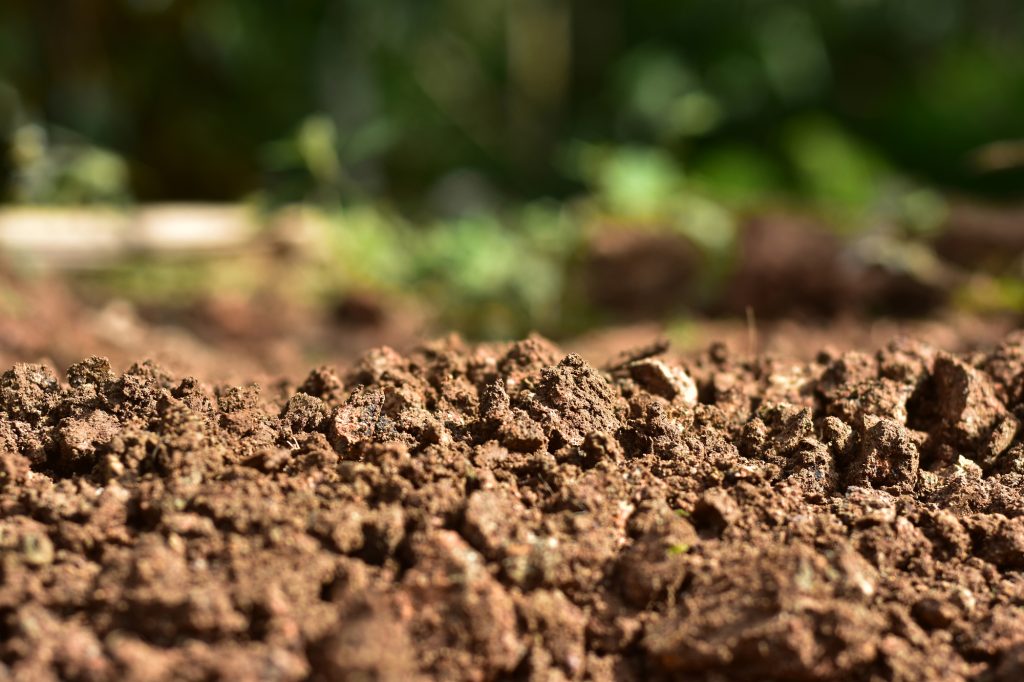
Healthy soil is the foundation of healthy tomatoes. Ideally, they prefer loose, well-draining soil rich in organic matter with a pH between 6.2 and 6.8. Too acidic or too alkaline soil interferes with nutrient uptake. If you’re not sure, test your soil before planting. A simple test can save you a whole season of trouble.
Related: My Soil Test Report and Where to Get Your Soil Tested
8. Using poor-quality or compacted soil

Compacted or heavy clay soil restricts root growth and holds too much moisture. Likewise, poor soils that lack nutrients or texture leads to weak plants. You can improve the soil nutrients and texture by mixing compost or aged manure into your beds to improve texture and nutrition.
Alternatively, if your soil is beyond redemption, you can grow tomatoes in raised garden beds or containers with a quality potting mix.
9. Not mulching the soil
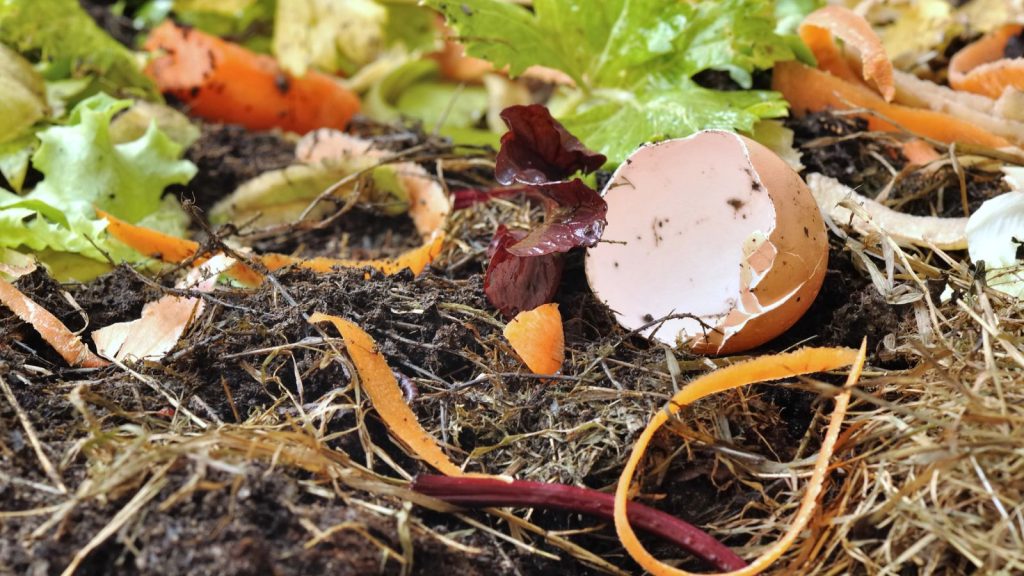
Mulching is one of the simplest yet most overlooked steps in tomato care. Adding a 2–3 inch layer of straw, shredded leaves, or compost can go a long way in helping to retain moisture, suppress weeds, and regulate soil temperature.
Mulching also prevents soil-borne diseases from transferring onto lower leaves during watering or rain. Just keep mulch a few inches away from the stem to avoid rot.
10. Overfertilization

Too much fertilizer, especially nitrogen-rich blends, will give you beautiful foliage but little to no fruit. For tomatoes, phosphorus and potassium play a bigger role in fruit development. If you’re seeing plenty of leaves but few flowers, reduce the nitrogen you’re feeding the plant and switch to a balanced or fruiting-specific fertilizer.
Related: How to Give Your Garden a Nitrogen Boost
11. Not providing support
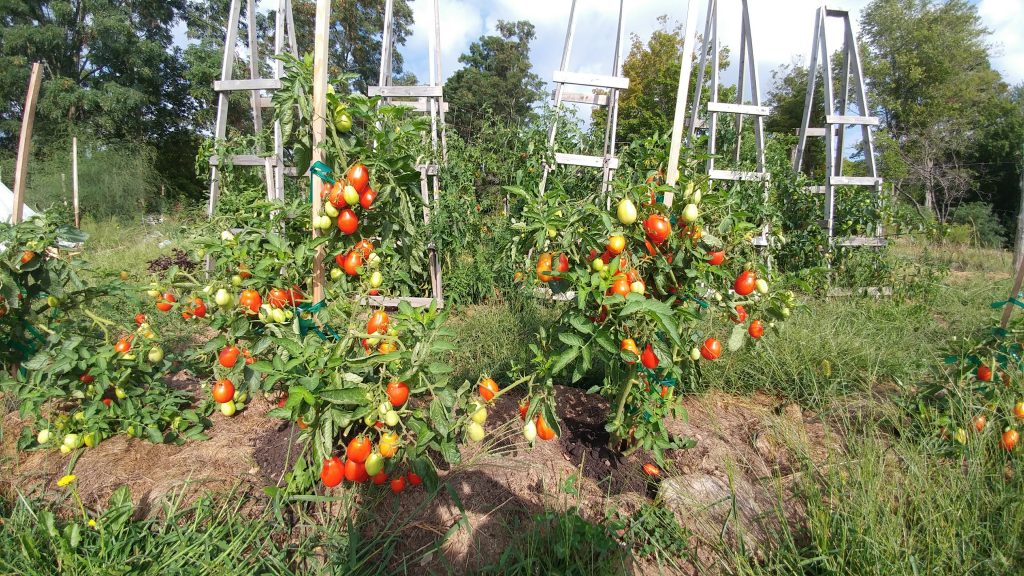
Tomato plants, especially indeterminate varieties, grow fast and heavy. Without support, they sprawl on the ground, making fruit and leaves more vulnerable to pests and disease.
Install stakes, cages, or trellises when planting to provide support and not after the plant has grown tall and unruly. Also regularly tie the main stem and branches as they grow for stability.
How to Support Tomatoes: Tomato Stakes vs. Tomato Cages
12. Letting suckers grow uncontrollably
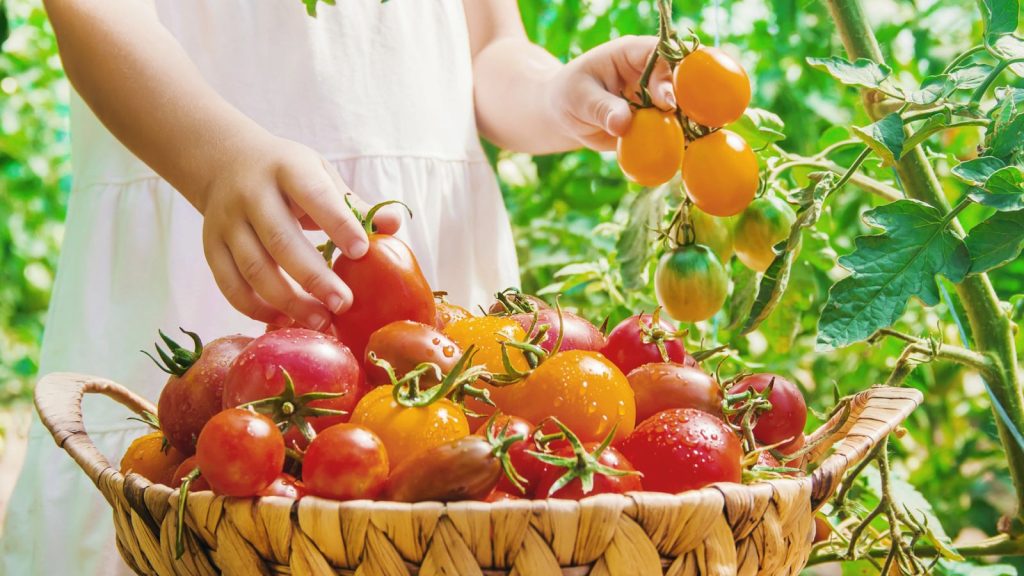
Suckers are the small shoots that appear between the main stem and a leaf branch. Left unchecked, they develop into full-blown branches, making your plant bushier and more difficult to manage.
While you don’t have to remove every sucker, especially with determinate types, pruning a few early on helps improve airflow and direct energy toward fruit production.
13. Failing to prune when necessary

Proper pruning is essential for healthy tomato growth, especially for indeterminate varieties. Remove lower leaves that touch the soil to prevent disease.
Also, thin out overly dense foliage to allow air and light to reach interior branches. Regular pruning helps prevent fungal diseases and encourages better fruit sets.
14. Failing to rotate crops each season

Tomatoes are heavy feeders and magnets for pests and disease, especially soil-borne pathogens like verticillium wilt or nematodes. Planting them in the same spot year after year guarantees those problems will build up.
Instead, you should rotate crops every year, ideally using a 3- to 4-year cycle. Legumes and brassicas, such as kale, cauliflower, and others, are great choices to plant after tomatoes. Also, avoid following tomatoes with other nightshades, such as peppers or potatoes.
15. Ignoring signs of pests or diseases
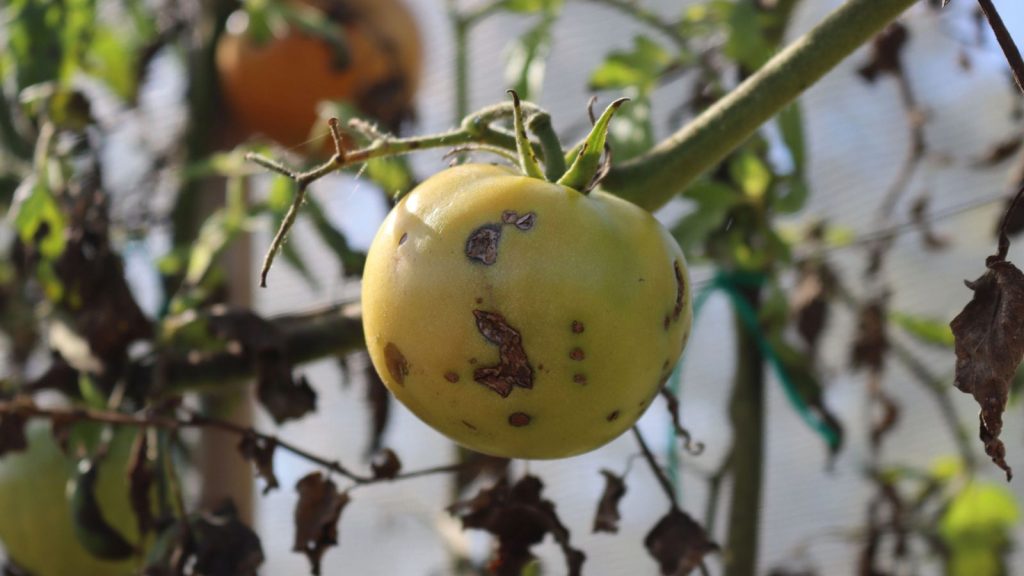
Early detection is key to managing the spread of tomato pests and diseases. Plant issues, such as aphids, whiteflies, hornworms, and fungal spots, can escalate quickly if left unattended.
Make it a habit to inspect your plants regularly. Look under leaves, along stems, and around the base. Yellowing, curling, holes, or fuzzy growth are signs of trouble. Address issues early with organic treatments or hand removal.
16 Common Tomato Pests Hiding in Your Garden
16. Harvesting tomatoes too early or too late

If tomatoes are picked when they’re still too green, they don’t ripen properly. However, leaving them on the vine for too long can also lead to splitting or sunscald.
Harvest when they’re fully colored (depending on the variety) and slightly soft to the touch. If pests or birds are a problem, pick them at the breaker stage, when color just begins to appear, and ripen them indoors.
How to Keep Deer from Ruining Your Tomato Harvest

Though deer are nice to watch, they can cause problems in the garden, particularly when they start munching on tomatoes. To help you protect your tomato plants this season, here are 15 strategies to keep deer at bay.
How to Keep Deer from Ruining Your Tomato Harvest
Grow Juicier, Tastier Tomatoes with These 15 Companion Plants

Companion planting is an age-old gardening method that can help prevent common plant issues and boost crop yields. By using some of the best companion plants for tomatoes, your harvests will be better than ever. Here are the 15 best companion plants for your tomato garden.
Grow Juicier, Tastier Tomatoes with These 15 Companion Plants
How to Properly Prune Tomato Plants

If you’re dealing with tomato plants that often get diseased, tend to droop, or look unhealthy, pruning should be on your gardening checklist. Here’s how you can properly prune your tomato plants.