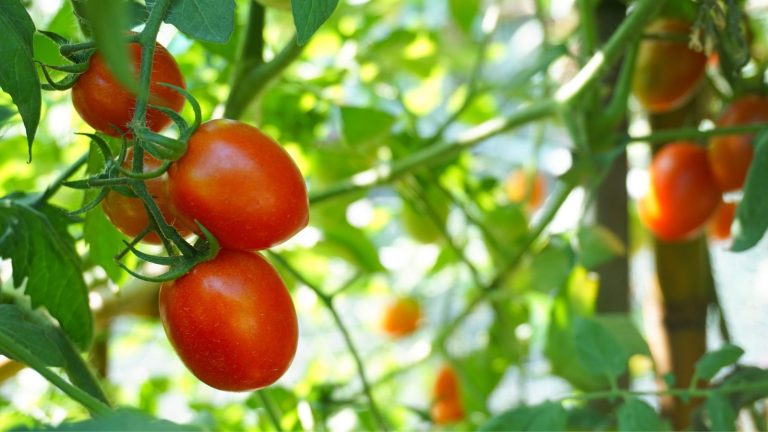
If there’s one thing our grandmothers knew how to do, it was homesteading. They could make anything grow, fix just about anything, and always had a way of making a house feel like home. The garden, especially, was a special place. The colors, the scents, the way the flowers swayed in the breeze… was magic. It captured a youthful joy that lingers long after the seasons change.
Here are 20 nostalgic flowers your grandma probably grew—and why you should consider planting them, too.
1. Zinnias
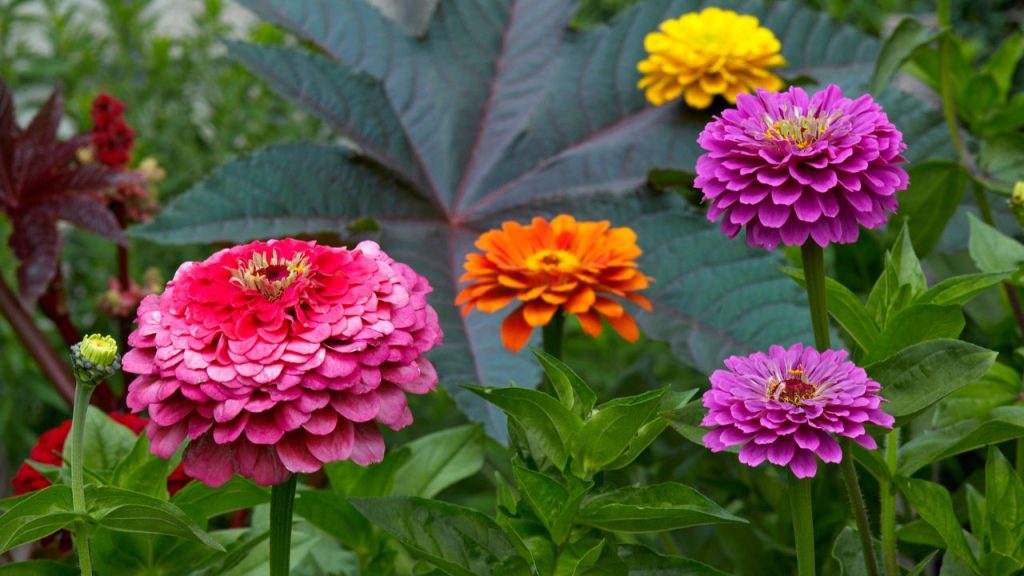
Zinnias are the cheerful, low-maintenance flowers that star in many old-fashioned gardens. These flowers come in almost every color you can imagine and bloom all summer.
They love full sun and grow best in well-draining soil in USDA zones 3 to 10. They’re great for beginners because they don’t ask for much and make wonderful cut flowers, too.
2. Hollyhocks

Hollyhocks are tall, showy flowers that look like they belong on a magazine cover. With their towering stalks and large, colorful blooms, they add height and flair to garden beds.
You may have seen your grandma planting them along fences or the side of a barn. They like full sun and rich, well-drained soil, and grow best in USDA zones 3 to 9.
3. Peonies

Peonies only bloom briefly each year, but they steal the show with their big, fluffy, fragrant flowers when they do. They prefer USDA zones 3 to 8, cooler climates, well-draining soil, and full sun to partial shade. And if you’re patient, they can bloom for decades with little fuss from you.
4. Sweet Peas

Sweet peas are dainty climbing flowers that smell as sweet as they look. You probably found them trailing up a trellis or poking out of an old picket fence in grandma’s garden.
These flowers prefer cooler weather and thrive when planted early in the spring. They thrive in well-drained soil and full sun in USDA zones 2 to 9, although they appreciate a bit of afternoon shade in hotter areas.
5. Marigolds

Marigolds were a staple in many traditional gardens due to their spicy scent, vibrant color, and extended blooming season. These cheerful, golden blooms also repel pests, making them handy for companion planting with vegetables. They’re easy to grow and thrive in USDA zones 2–11, like full sun, and can tolerate poor soil well.
6. Cosmos

Cosmos have wispy stems and delicate petals that make them as carefree as they look. They self-seed easily and will pop up year after year with very little effort from you. These flowers are perfect if you’re going for that charming, slightly wild cottage garden look. They require full sun, average soil, and grow best in USDA zones 2 to 11.
7. Bleeding Heart
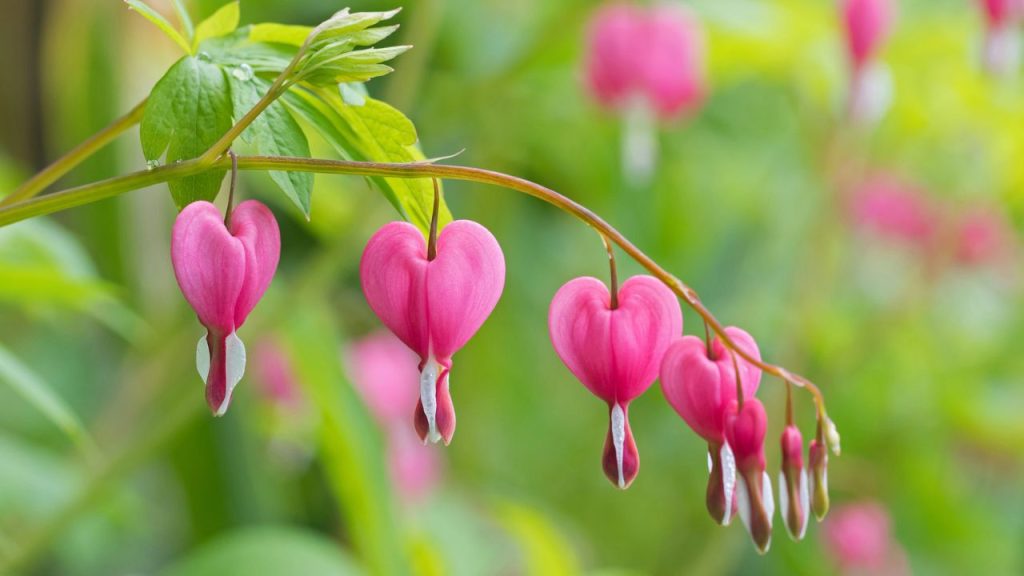
Bleeding hearts are named after their heart-shaped pink or white blooms that hang from arching stems. They have a whimsical, fairy-tale feel and were often tucked into shady corners of older gardens. They do best in part shade and moist, well-draining soil, and USDA zones 3 to 9.
8. Snapdragons
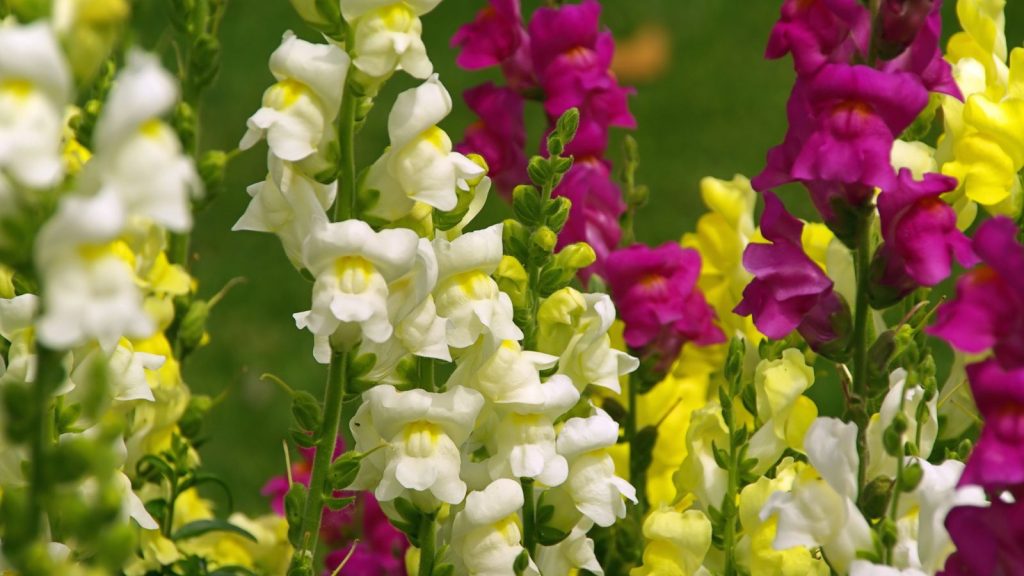
Snapdragons get their name from how their blooms open and close like little dragon mouths. They come in various colors and grow upright, making them a fun choice for borders. They love full sun, rich, well-drained soil, and USDA zones 7 to 11, though they’re often grown as annuals in cooler areas.
9. Irises

Irises are pretty, tall flowers that add a touch of elegance to any garden. They bloom in late spring in beautiful shades of blue, purple, yellow, and white.
Iris likes full sun and well-drained soil and thrives in USDA zones 3 to 9. Once established, it is also drought-tolerant. Plant it once, and it will keep popping up like clockwork.
10. Lily of the Valley
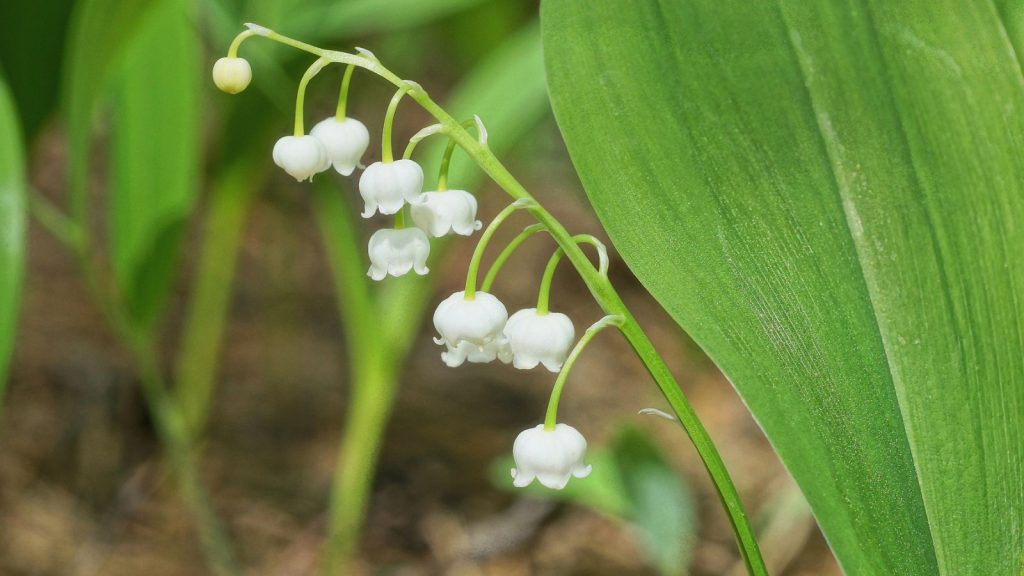
If grandma had a shady garden corner, she filled it with Lily of the Valley. These tiny, white, bell-shaped blooms pop up in spring, smell heavenly, and spread quickly, making them an excellent ground cover. They love part shade and moist soil and grow best in USDA zones 2-9.
11. Phlox

Garden phlox has soft, fragrant flowers that bloom in clusters and attract butterflies. You could often find them in old cottage gardens with pink, purple, or white petals and a sweet scent that carried on summer evenings.
These upright perennials love full sun and rich, moist, well-drained soil and perform well in USDA zones 4 to 8.
12. Morning Glories

Who doesn’t remember the magic of morning glories unfurling with the sunrise in tender blooms of blue, purple, or pink? Morning glories are fast-growing flowers that are perfect for fences, arbors, or trellises.
Plant in full sun and average soil after the last frost. They grow best in USDA zones 3 to 10, reseeding easily for more blooms the next year.
13. Black-Eyed Susans
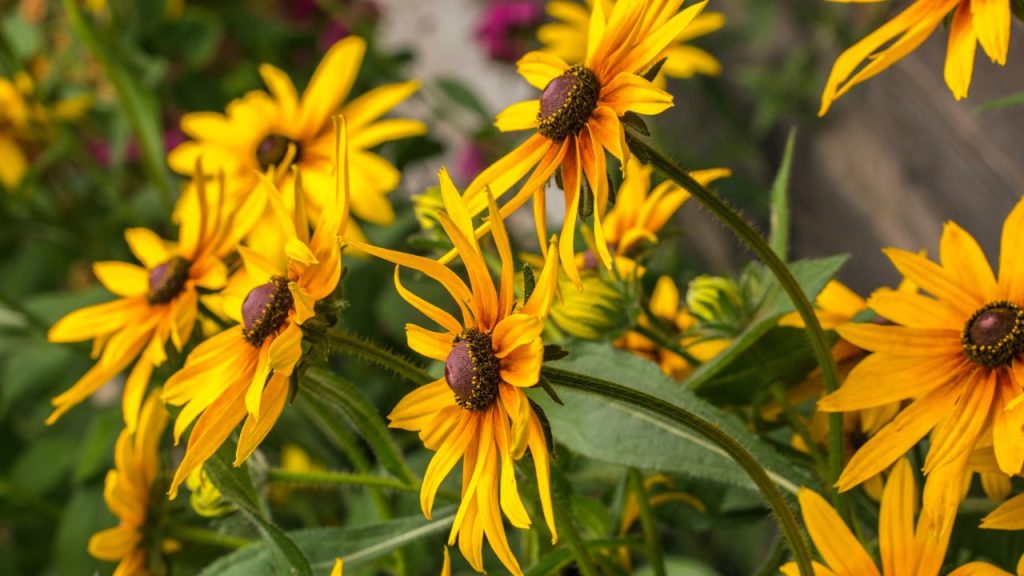
These sunny yellow blooms with their dark centers bring warmth to the garden in late summer. They’re sturdy, easy to grow, drought-tolerant, low-maintenance, and attract pollinators. Plant them in USDA zones 3 to 9 in full sun, average soil, and give them room to spread.
14. Four O’Clocks (Mirabilis jalapa)

Grandma might have called them “Marvel of Peru,” but most folks know them as Four O’Clocks because they bloom in the late afternoon. They come in pink, white, yellow, and red, sometimes even on the same plant! Full sun to partial shade, and zones 7 to 10.
15. Dianthus (a.k.a. Pinks)

Dianthus are charming little flowers that smell faintly of cloves. They’re often pink, red, or white, and are popular in flower beds and borders. They like full sun and well-drained soil in USDA zones 3 to 9, and bloom best when deadheaded regularly.
16. Pansies
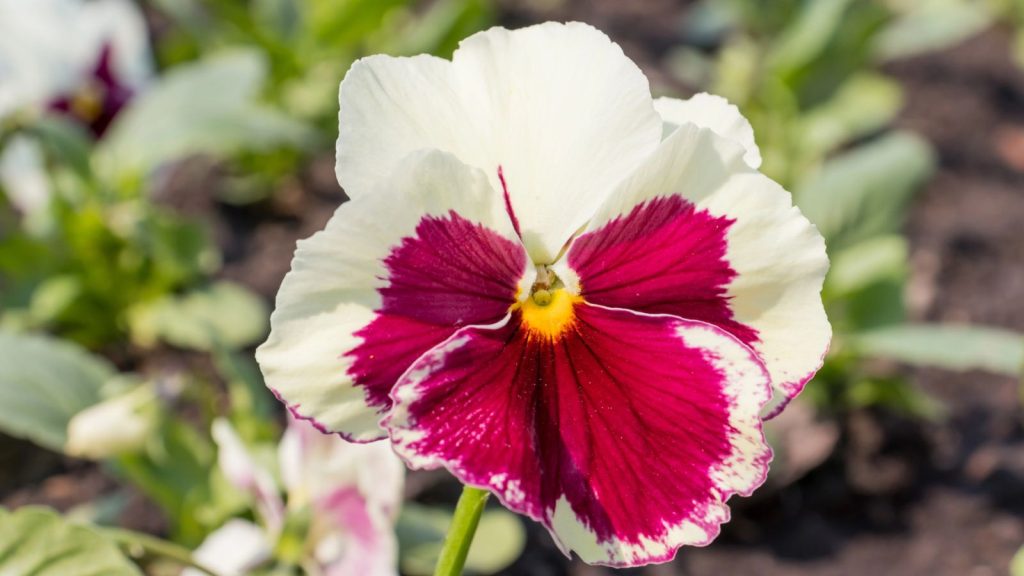
Pansies were a regular in Grandma’s cool-season beds, with their sweet little blooms and rainbow colors. They’re cold-hardy and great for tucking into pots or borders in early spring or fall.
Pansies grow well in USDA zones 4 to 9, preferring cooler temps, moist soil, and partial to full sun.
17. Lavender

You cannot make a list of nostalgic flowers without including some of the classics, like
Lavender is not only a beautiful flower but also useful in the kitchen, for crafts, and to repel bugs. It prefers full sun and well-draining soil and does best in USDA zones 5 to 9.
18. Lilacs

Have you ever smelled a lilac bush in full bloom? If your grandma had one of these old-time favorites, I guarantee you’ll never forget the smell. It filled the air with perfume and marked the start of spring.
Lilacs love full sun and rich, well-drained soil in USDA zones 3 to 7. They’re long-lived and well worth the space they take up.
19. Daylilies

Daylilies are tough, colorful, and practically indestructible. You can almost always count on them to bloom somewhere in Grandma’s yard. Each flower lasts only a day, but the plant keeps producing new buds for weeks. Daylilies thrive in USDA zones 3 to 9 with full sun and average soil.
20. Roses

No flower says “Grandma’s garden” like a rose bush. It doesn’t matter if she trained them to climb over the porch or kept them as tidy little shrubs near the walkway; roses always appeared, and they were always the crown jewel.
They do best in USDA zones 4 to 9 with lots of sun, good air circulation, and regular pruning. And yes, a little love goes a long way.