We all know perennials take their sweet time to bloom, especially compared to fast-growing annuals. But what many people don’t realize is that some perennials take even longer than others, especially when grown from seed.
If you’ve got a plant that’s dragging its feet and hasn’t flowered yet, check it against the list below before giving up. And if you’re just getting started with perennials, this guide will help you know exactly when to expect blooms.
1. Peonies (Paeonia spp.)

Peonies are legendary for their lush, scented flowers. These plants often bloom in their fourth year from seed, and even plants grown from divisions may take two years to settle before flowering well. They thrive in full sun and fertile, well‑drained soil in USDA zones 3–8.
To get the most from
2. Delphinium (Delphinium elatum)

Delphiniums produce towering flower spikes in shades of blue, purple, and white. It takes them about two to three years to bloom flowers from seeds, and when they flower, it’s for a short time. Delphiniums prefer cool summers, rich soil, and full sun in USDA zones 3 through 7. Stake the plants early to prevent wind damage, deadhead spent flowers to encourage new growth, and cut back after flowering to tidy the bed.
3. Hollyhock (Alcea rosea)

Hollyhocks look like they’re straight out of an old garden, with their tall flower stalks that line fences and walls. They usually act like biennials, spending their first year growing and their second year blooming.
However, in the right climate (USDA zones 3–8), they can act as short-lived perennials, resprouting a few more times. Plant them in full sun, in well‑drained soil, and leave enough space between each plant to prevent rust, a common leaf disease.
4. Foxglove (Digitalis purpurea)
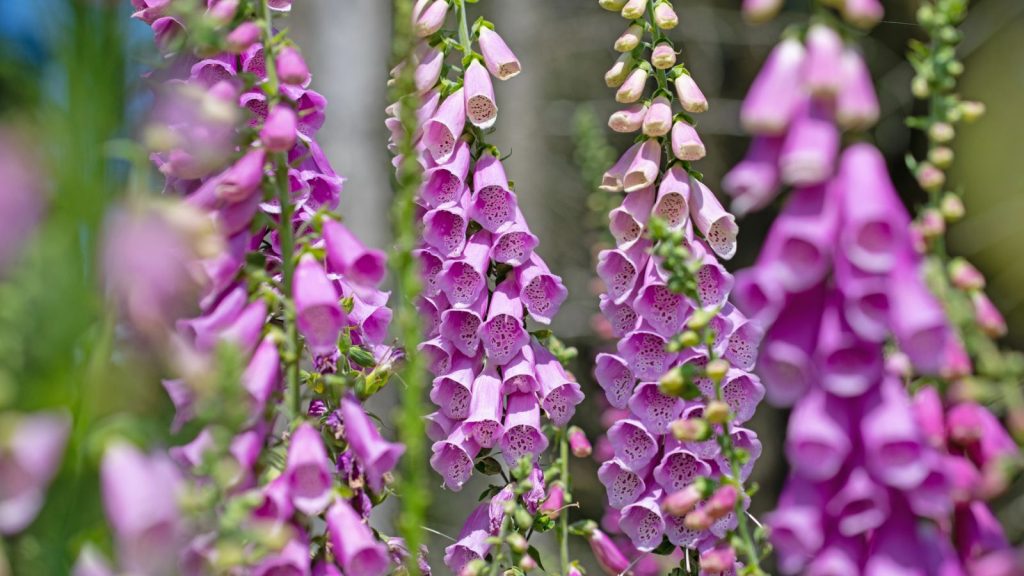
Foxgloves are a classic favorite for cottage gardens. Like hollyhocks, they act as biennials in certain climates but can grow as short-lived perennials in others. In the first year, they form a rosette and some leaves, and in the second year, produce a 3–5 foot tall spike with several tubular flowers in soft pinks, creams, and purples.
Foxgloves thrive in partial shade and humus-rich soil in USDA zones 4–9. They often reseed themselves, so once they start blooming, you may get a steady flow year after year. However, note that foxgloves are toxic, so handle them with care, especially around kids or pets.
5. Bleeding Heart (Lamprocapnos spectabilis)
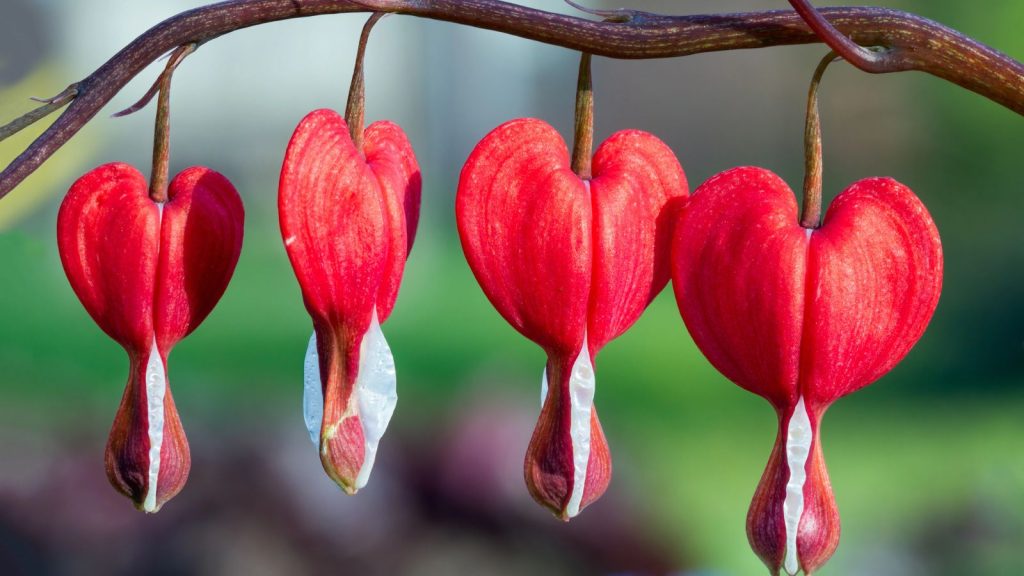
Bleeding hearts may take 2–3 years to grow flowers if grown from seed. But once they do appear, their heart-shaped, dangling blooms bloom for several weeks in Spring, often extending into Summer.
Bleeding hearts grow best in partial shade with moist, well-drained soil in USDA zones 3–9. Add a layer of organic mulch to help keep them hydrated through the summer heat. Cut back foliage after flowering to revive the bed.
6. Lenten Rose (Helleborus orientalis)
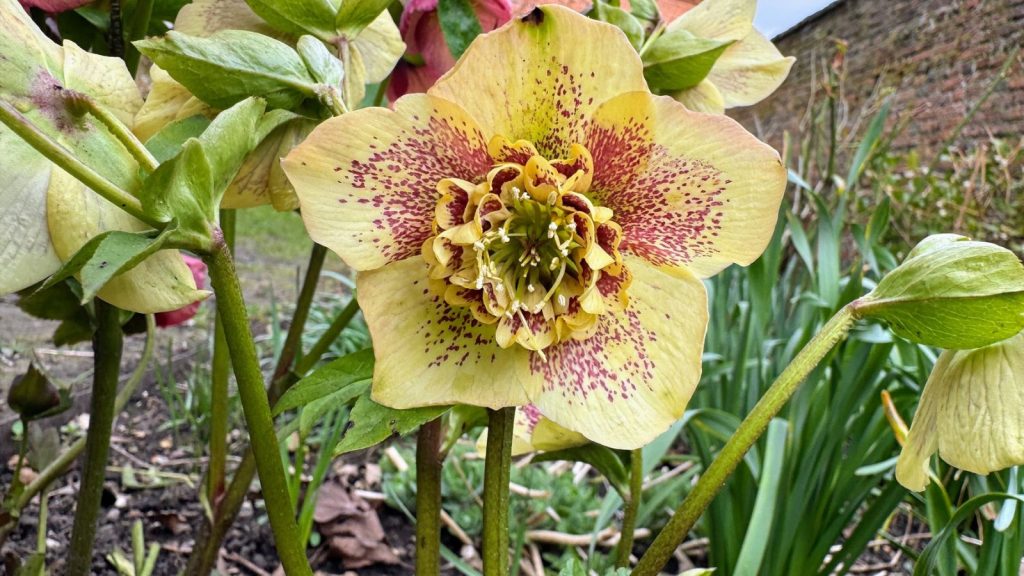
Lenten roses, also called hellebores, are winter-bloom perennials that can take four to five years to flower. Seedlings don’t often come true to seed, meaning they may look different from the parent plant, especially with hybrids. For consistency, most gardeners prefer buying mature plants or letting them self-seed naturally.
But once established, they bloom reliably in late winter to early spring and can live undisturbed for decades. Plant hellebores in full shade to partial sun with rich soil in USDA zones 4–8.
7. Monkshood (Aconitum)

Monkshood, also known as wolfsbane, takes two to three years to reach maturity. When they do, they produce tall, striking spikes of hooded blue flowers in late summer.
Monkshood thrives in cooler climates in USDA zones 3–7, especially when grown in moist, evenly watered soil and full sun to partial shade. All parts of the monkshood plant are toxic to touch and ingest, so wear
8. Gooseneck Loosestrife (Lysimachia clethroides)

Gooseneck Loosestrife gets its name from the slender arching spikes of white flowers it produces, each of which has a graceful crook. It takes at least two years for them to establish themselves before producing flowers in mid-to-late summer. In fall, their leaves become a rich, mesmerizing golden color.
Gooseneck Loosestrife thrives when grown in USDA zones 4–8 in partial shade and moist soil. Since it spreads by rhizomes, trim the seed stalks or divide the plant annually to prevent it from overtaking smaller plants.
9. Coneflower (Echinacea)
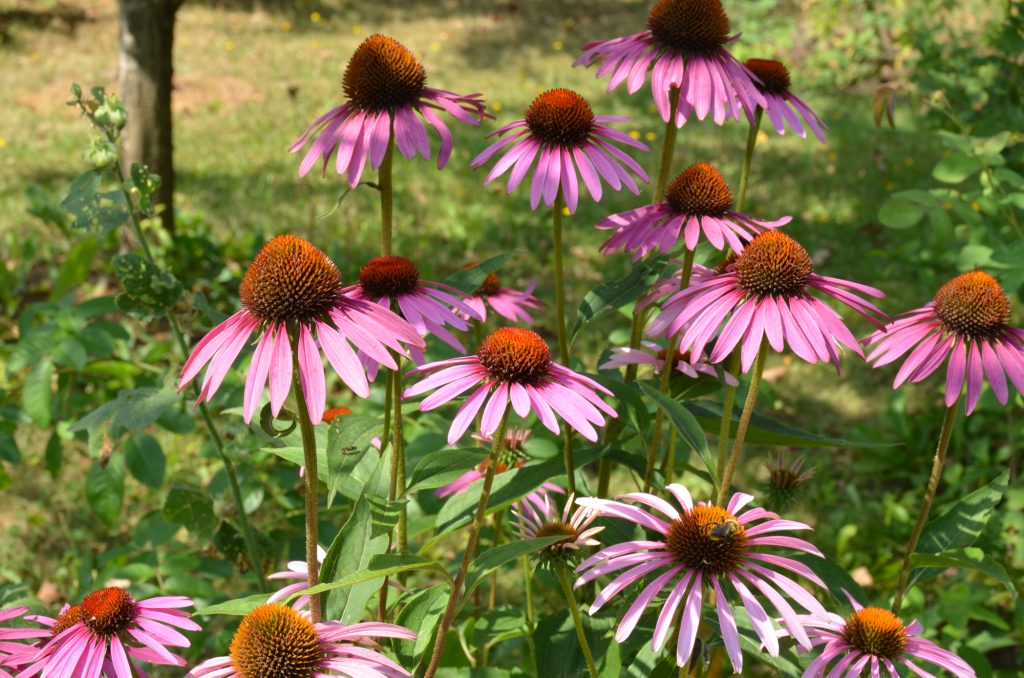
Coneflowers need 2–3 years to produce flowers. In the first year, the plant is primarily focused on root development. You may see some growth above ground, but not flowers. In the second year, they produce cheerful daisy-like flowers from summer into fall.
Coneflowers are drought-tolerant perennials that grow well in USDA zones 3–9. Since they’re pollinator favorites, you need to deadhead for more blooms, or leave the seed heads for hungry birds.
10. Globe Thistle (Echinops spp.)
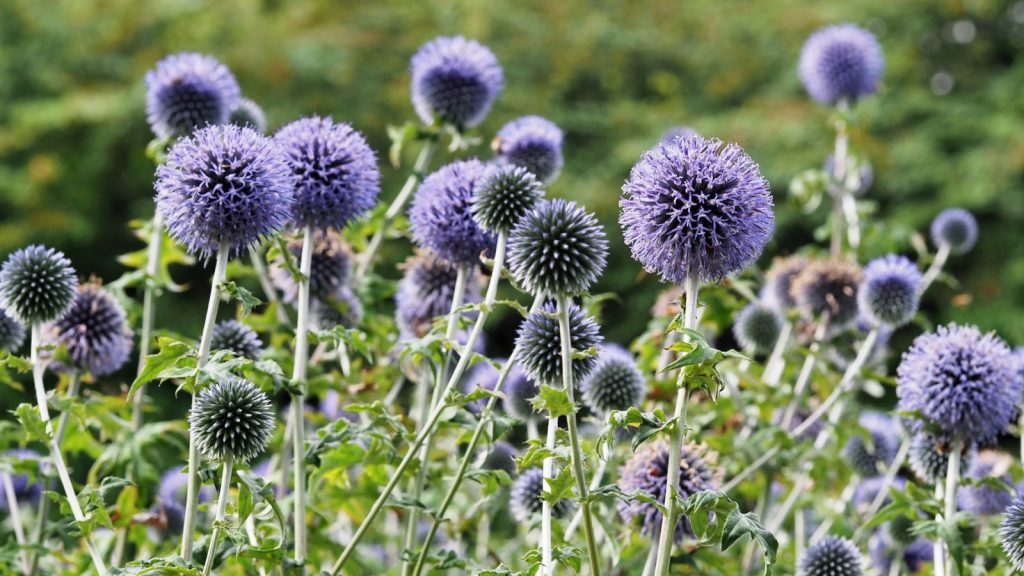
Globe thistles spend at least two years preparing for their first flowers; the first year or two focuses primarily on vegetative growth, followed by flowering. They produce spiky, steel-blue flower globes that attract bees and butterflies equally.
They thrive in dry, poor soil and full sun in USDA zones 3 through 9. Be careful when handling them as their leaves are prickly, but that’s also what makes them rabbit and deer-resistant. Cut the stalks after they bloom to keep the garden tidy.
11. Sea Holly (Eryngium)

Sea holly doesn’t usually bloom its spiky, silvery-blue flowers until its second or third year. When it does, it’s often mistaken for globe thistle; both have a similar metallic hue and texture. But sea holly’s blooms are more oval than round and surrounded by dramatic, star-like bracts.
They grow well in USDA zones 3–9 and are low maintenance once established. Sea holly is heat and drought-tolerant, making it perfect for coastal or sunny gardens. Plus, it’s a favorite among pollinators.
12. False Indigo (Baptisia)

Baptisia earned the name “false indigo” for its resemblance to the true indigo plant. True indigo was a prized plant because of its deep blue dye. Early American settlers discovered Baptisia produced a similar, though less intense, blue color, and they began using it as a local alternative. So the name False Indigo stuck.
It produces pea-like flowers in blue, yellow, or black colors after 2–3 years. Baptisia grows best in USDA zones 3–9 [include soil and weather conditions here]. Once established, it becomes a sturdy, shrub-like plant that lasts through summer with minimal care. Allow the seed pods to dry out, providing food for native birds in winter.
13. Pasque Flower (Pulsatilla vulgaris)

Pasque flowers are early spring bloomers that take about two years to mature. They produce soft purple flowers first, which are then followed by fuzzy seed heads that look great in the light.
These low-maintenance plants thrive in sandy, well-drained soil and full sun in USDA zones 4–8. Once established, they don’t need much care, just mulch in spring to retain moisture.
14. Oriental Poppy (Papaver orientale)

Oriental poppies usually take 2 to 3 years to bloom flowers from seed. They produce huge, crepe-like flowers up to 6 inches wide, in fiery reds, oranges, and pinks.
After blooming, the foliage dies back completely, so it’s smart to pair them with other late-summer plants to hide the bare spots. Oriental poppies grow best in full sun and well-drained soil in USDA zones 3–7.
15. Bear’s Breeches (Acanthus mollis)

Bear’s breeches feature bold, glossy, tropical-looking leaves and tall spikes of purple and white blooms. But it takes 2 to 4 years to get these dramatic flowers.
This perennial is hardy in USDA zones 5–9, and prefers partial shade and well-drained soil. Bear’s breeches spread underground by rhizomes, so if they start to grow uncontrollably, divide and rehome them instead of pulling them.