
Fire ants are an aggressive, invasive species. They’re also very dangerous, and the effects of a single sting can last as long as 10 days. If you’ve ever been bitten by a fire ant before, then you definitely know these are visitors you don’t want camping out in your yard.
Here are 16 practical ways to eliminate fire ants before they cause any significant damage.
Pour Boiling Water Into Ant Mounds

Boiling water kills ants on contact and is a simple, fast, chemical-free way to tackle small or new fire ant mounds. Pour it directly into the center of the mound, and it’ll clear it out in seconds. Just be careful not to burn yourself or damage nearby grass and plants.

18-page quick guide and reference for gardeners dealing with pests that show up the most. From prevention strategies to treatment and remedies, this is the perfect printable for your garden.
Use Food-Grade Diatomaceous Earth (DE)

Sprinkle DE around the mound and along ant trails. This natural powder dries out and kills ants upon contact. However, it’s safe for pets, plants, and people. Make sure to wear a mask while applying to avoid breathing in the dust.
Introduce Beneficial Nematodes
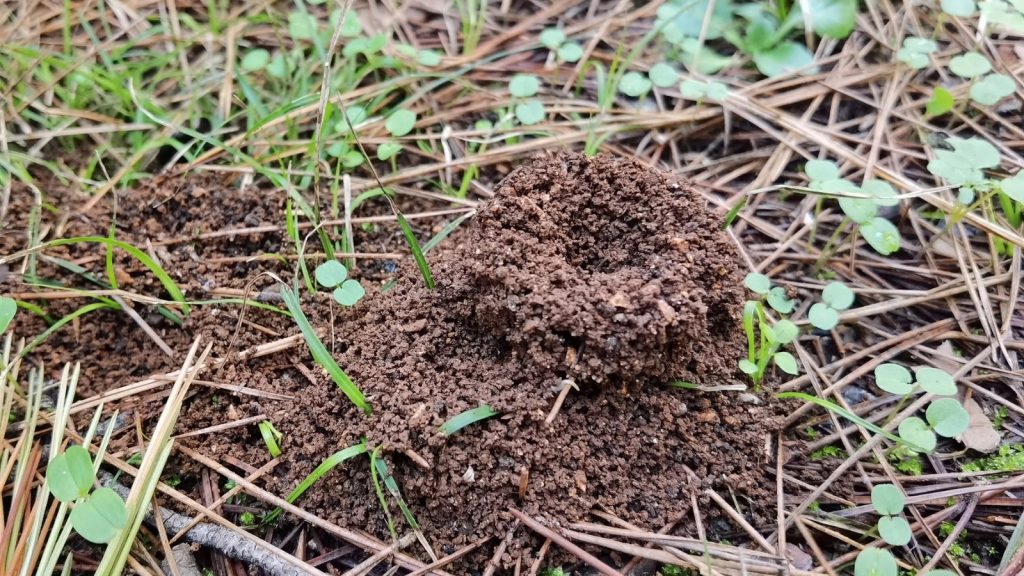
Nematodes, like the Steinernema spp., are tiny, harmless worms that hunt fire ant larvae underground. When added to moist soil in warm weather, they can wipe out an entire colony from below. Just one treatment is enough to bring noticeable results.
Apply Orange Oil or Citrus Essential Oil

Citrus oil contains compounds such as d-limonene and linalool, which are effective biopesticides. Mix a few drops of orange or citrus oil with water and a bit of dish soap. Spray directly on the mound and along trails.
It damages the ants’ exoskeletons and disrupts their communication. Best used in conjunction with a follow-up method to reach the entire colony.
Related: How to Make Orange Extract
Spread Cornmeal Around Colonies

Ants are attracted to cornmeal but can’t digest it. There’s a lot of myth circulating that, over time, it kills them off naturally, but none of these have been factually proven to be true.
However, you can use a mixture of cornmeal, sugar, and
Sprinkle a thin layer around the active mounds and let it sit for a while to work.
Set Up Boric Acid Bait Stations

Mix boric acid with a sweet substance, such as sugar or jelly, in shallow containers. Place the boric acid bait stations near mounds to lure worker ants. They’ll take it back to the colony, where it poisons the queen and others.
Just a small amount of boric acid is needed. It’s generally safer than other conventional chemicals, but still keep it out of reach of children and pets.
Set Up Electric Ant Barriers

Electric ant barriers are small battery-powered strips that give ants a mild shock when they try to cross them. Use them around planters, patios, perimeter edges, or other areas where ants keep coming back. They’re also safe around pets and kids.
Introduce Natural Predators Like Poultry

Chickens and guinea fowl naturally hunt bugs, including fire ants. They’ll scratch and peck at ant hills to expose and feed on the ants and their larvae. It’s a very hands-off method, especially if you have space for free-range birds to roam. Just be careful they don’t trample your garden in the process.
Keep Mulch from Getting Too Thick
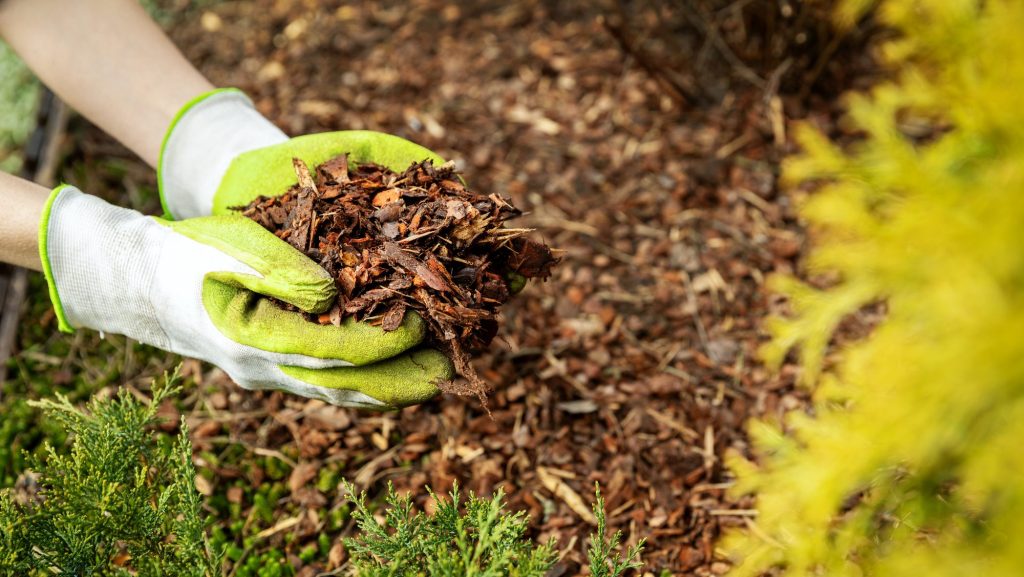
Mulches retain moisture, but too much of it can attract ants. Keep the mulch around your yard thin, instead of letting it pile high. You should also fluff it now and then to prevent ants from settling in. And if the mulch is located near the house (such as a pathway), consider replacing it with pea gravel or leaving the ground bare.
Apply Boiling Vinegar to Infested Spots

Using boiling vinegar disrupts ant behavior just as boiling water does. In fact, it works even better because it delivers a double hit to the colony. If any ants survive the heat from the boiling liquid, the acidity of the vinegar ensures they don’t return to the colony by making the environment inhabitable for them.
Pour the hot liquid slowly and carefully using a
Practice Regular Yard Maintenance

Ants love cluttered places where their colonies will remain undisturbed. Remove any hiding spots by raking leaves, moving wood piles, trimming tree roots, and sealing cracks around your patios and foundations. Regular maintenance helps you catch new mounds early before they grow into bigger problems.
Use Citrus Spray

Scents from citrus peels (like orange or lemon) repel ants by interfering with their scent trails.
Boil orange or lemon peels in water, let them sit overnight, then strain and pour into a
Use Entomopathogenic Fungi

Entomopathogenic fungi, such as Beauveria bassiana, infect and kill fire ants upon contact. They’re available in either spray or powder form. The best time to apply them is right before rain and when the colony is active, as the fungal spores require warm, humid conditions to be activated. With this method, you can target the whole colony without harming other living things in your yard.
Keep Lawns Trimmed and Drained

Fire ants prefer warm, sunny, and undisturbed areas. Mow your lawn regularly and fix soggy patches to keep your yard dry and unwelcoming. A neat, dry lawn makes it harder for ants to settle in, and if they do, you can find them with ease.
Apply Green Cleaning Vinegar
Spraying 20–30% acetic acid, green cleaning vinegar can help decimate the population of fire ants in your yard. Apply it directly on ant hills and trails; it’ll burn and break down the bodies of the ants. Remember to wear
Create Bentonite Clay Barriers
Sprinkle
How to Get Rid of Squash Bugs for Good
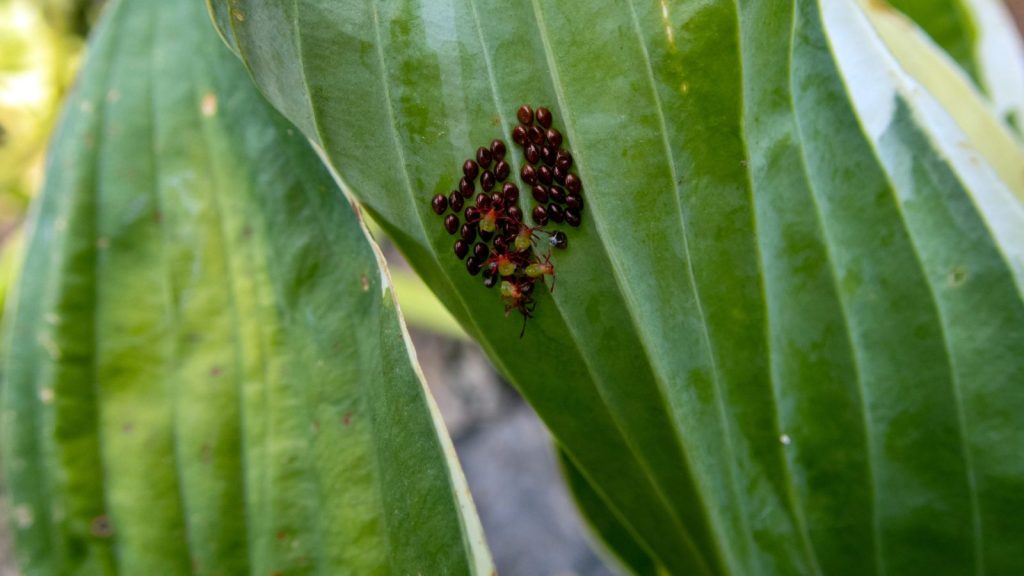
Let’s talk about ways you can identify squash bugs at every stage of their life cycle, recognize the damage they leave behind, and explore effective, natural methods to control and eliminate them for good!
How to Get Rid of Squash Bugs for Good
How to Defeat Japanese Beetles in Your Garden

If Japanese beetles are causing problems in your garden, consider trying one of these natural methods to eliminate them.
How to Defeat Japanese Beetles in Your Garden
Common Pests That Could Ruin Your Fall Vegetable Garden

Fall gardens can attract a variety of pests eager to snack on your crops, threatening your harvest. The good news is that nature provides ways to manage these unwanted visitors. Here’s a guide to some of the most common fall garden pests and tips on how to prevent and manage them.