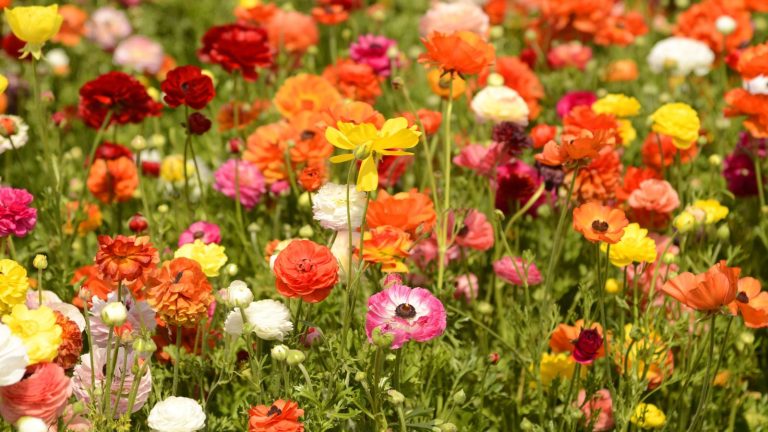
If your garden doesn’t get much sun, shade-loving annuals are the perfect solution. These plants add color to the sheltered parts of your landscape and make it interesting.
Many are low-maintenance and offer long-lasting blooms throughout the season. Below are 15 of the best shade-loving annuals that will turn heads in your garden.
1. Viola (Viola)

Violas are classy and delicate annuals that thrive in shade. This flowering plant is easily recognizable by its five heart-shaped petals. The flowers bloom in spring, summer, and sometimes fall, depending on the variety, in shades of yellow, purple, white, or blue. They grow best in acidic, moist soil in USDA zones 3-8.
2. Pineapple Sage (Salvia Elegans)

Another annual that does well under shade is pineapple sage. The plant blooms in late summer or fall and usually grows five feet tall or less. It has soft, green leaves that smell like pineapples and are covered with short hairs, giving them a fuzzy appearance.
Pineapple sage requires full sunlight when necessary. However, you can shade it in hotter climates. It grows well in moist, well-drained, and slightly acidic/neutral soil in USDA zones 8-11.
3. Nemesia (Scrophulariaceae)

Nemesias are colorful, rich, and vibrant. They are grown essentially for garden borders or hanging baskets and bloom from late spring to frost. They have two-lipped petals that are tubular and come in a variety of colors, including yellow, blue, white, and lilac.
This South African native requires at least 6 hours of sunlight daily before you provide partial shade. Grow them in rich, moist, well-drained soil in USDA zones 9-11.
4. Impatiens (Impatiens Walleriana)

Impatiens are brightly colored plants. They can have petals with pretty pink, purple, orange, red, or white colors. The flowers often have intrinsic markings on them and bloom from spring to fall.
Impatiens grow best in shade, so give them only early morning sun and in small portions. They grow well in fertile, well-drained, and slightly acidic soil in USDA zones 10-11.
5. Caladium (Caladium)
Caladiums, also called elephant ears, are characterized by their big, heart-shaped leaves, deeply veined with vibrant colors ranging from red to green. They can grow under partial sunlight and shade, but should not be exposed to more than four hours of sun daily.
Caladiums thrive in rich, well-drained, and slightly acidic soil. They do well in USDA zones 9–11 and typically bloom in fall, spring, and summer.
6. Cineraria (Pericallis × hybrida)

Cineraria is a low-growing plant recognized by its daisy-like flowers and heart-shaped leaves. Its clusters bloom in red, pink, purple, blue, or white, making it the perfect ornamental plant. It prefers partial shade or filtered sunlight, but not direct sun.
Cineraria grows best in slightly acidic to neutral soil with a pH of 5.5-6.0 and is suited for USDA zones 9–11. It blooms from late winter to early spring.
7. Wishbone Flower (Torenia fournieri)

Wishbone flowers are fragrant annuals that thrive in shade. They’re named for the wishbone-shaped markings often seen on their petals, which can be purple, pink, or white.
These flowers prefer rich, well-drained, and slightly acidic to neutral soil. They do best in USDA zones 10–11 and bloom from late spring through early summer and into fall.
8. Begonia (Begonia cucullata)

Begonias are late-summer bloomers that tolerate all light conditions but prefer more shade in warmer climates. Their low-maintenance nature makes them ideal for gardeners of any level. They produce delicate pink or white flowers with green, wing-shaped leaves marked with patterns.
Begonias grow well in porous, moist, and well-drained humus-rich soil and typically bloom in summer and fall.
9. Coleus (Plectranthus scutellarioides)

Coleus is a colorful annual that loves the shade and grows well in containers. It’s known for its straight, bushy growth and ruffled or arrow-shaped leaves in vibrant hues. Coleus flourishes in consistently moist and well-draining soil. It grows in USDA zones 10–11 and blooms from summer to fall.
10. Sweet Alyssum (Lobularia maritima)
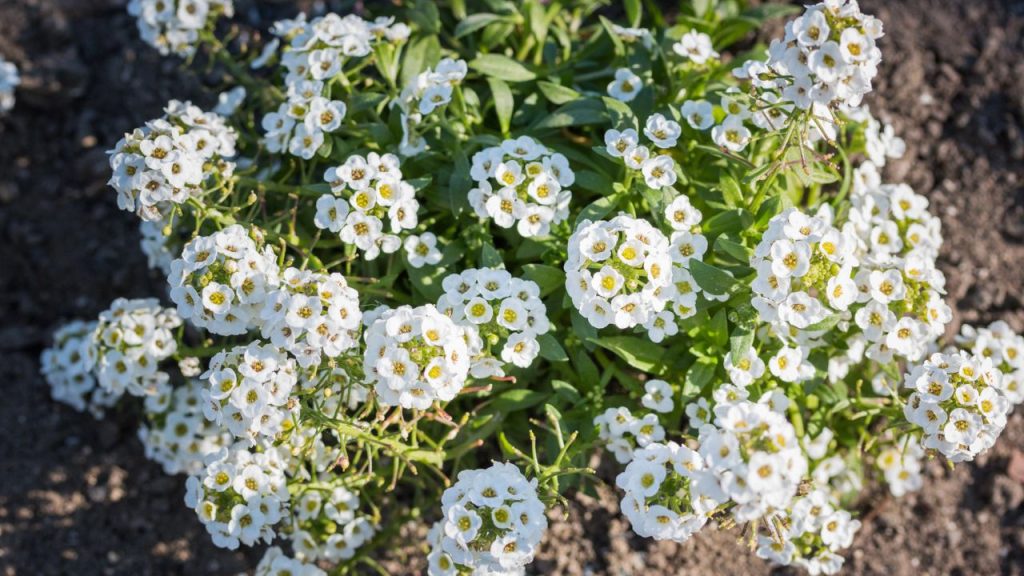
Sweet alyssums are low-growing and sweetly scented plants that produce clusters of tiny petals in white, purple, or pink. They do well in full sun or partial shade and prefer moist, well-drained soil with acidic to neutral pH. These hardy annuals are suited for USDA zones 5–9 and bloom from late spring to the first frost.
11. Sweet Potato Vine (Ipomoea batatas)
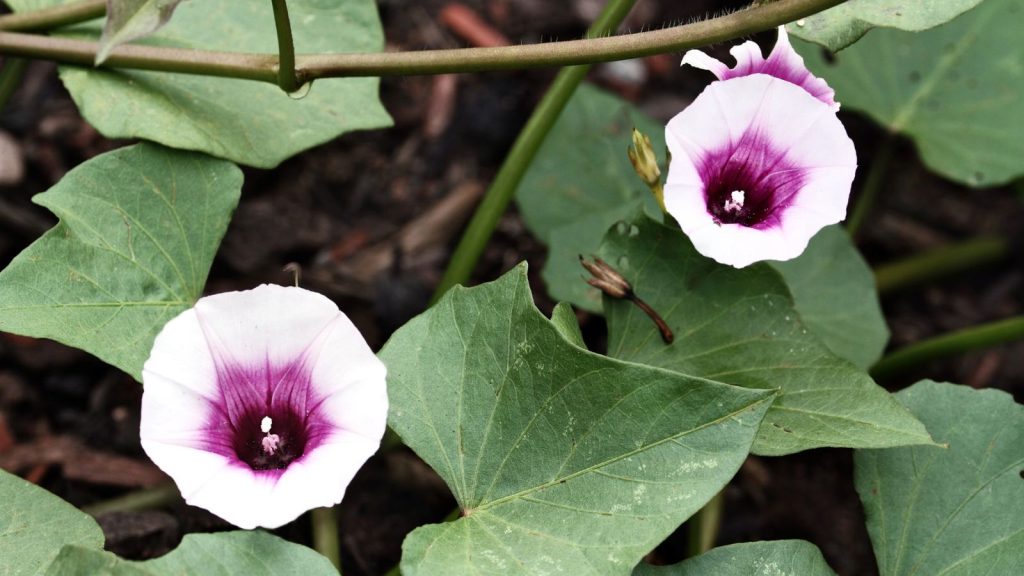
Sweet potato vines are grown more for their ornamental value than for flowering. They feature heart-shaped leaves in tones of pink, purple, and brown. While these plants are shade lovers, their vines perform best with at least six hours of sunlight daily.
They grow well in well-drained loamy or sandy soil with a pH of 4.5-7.0 and are hardy in USDA zones 5–11. Their bloom season spans spring and summer.
12. Lobelia (Lobelia erinus)

Lobelias are a beautiful choice for shaded gardens. They are known for their exotic appearance and ability to complement surrounding plants. Native to North America, they bloom in soft colors like blue, purple, pink, and white.
These flowers prefer moist, well-drained soil with a slightly acidic pH between 6.0 and 7.0. They thrive in USDA zones 10–11 and bloom from spring to fall.
13. Beefsteak Plant (Perilla frutescens)

The beefsteak plant is a fragrant annual with coarse leaves that grow opposite each other along tall stems. The foliage typically features green, purple, and brown hues and emits a minty scent.
Though it thrives in shade, it can also tolerate partial or full sun. It prefers moist or dry, well-drained soil, and grows in USDA zones 10–12. Its bloom season runs from summer into fall.
14. Polka Dot Plant (Hypoestes phyllostachya)

Polka dot plants are known for their charming green leaves speckled with pink or white dots. These plants do not tolerate direct sunlight well and should be grown in shade or partial sun. They grow best in rich, well-draining soil with a slightly acidic to neutral pH. They’re suitable for USDA zones 10–11, and typically bloom in fall, spring, and summer.
15. Fuchsia (Fuchsia spp.)

Fuchsias are distinct for their elegant, dangling blooms in pink, red, and violet shades. This shade-loving annual is perfect for hanging baskets or as edging plants.
Fuchsias prefer shaded areas, especially in extremely cold weather. They do best in well-drained, compost-rich soil, are suited to USDA zones 10–11, and bloom from late spring to early fall.