If deer are regular visitors to your yard, you’ve likely seen the damage they can do, especially in shady areas where delicate plants already struggle to thrive. While no plant is completely deer-proof, there are plenty of beautiful options that deer typically avoid, even in low-light spots.
Choosing shade-loving plants that are naturally unappetizing to deer is an easy, low-maintenance way to protect your garden without relying on constant sprays or fencing. Here are 15 tough, attractive plants that grow well in the shade—and are far less likely to end up on the dinner menu for passing wildlife.
Bergenia
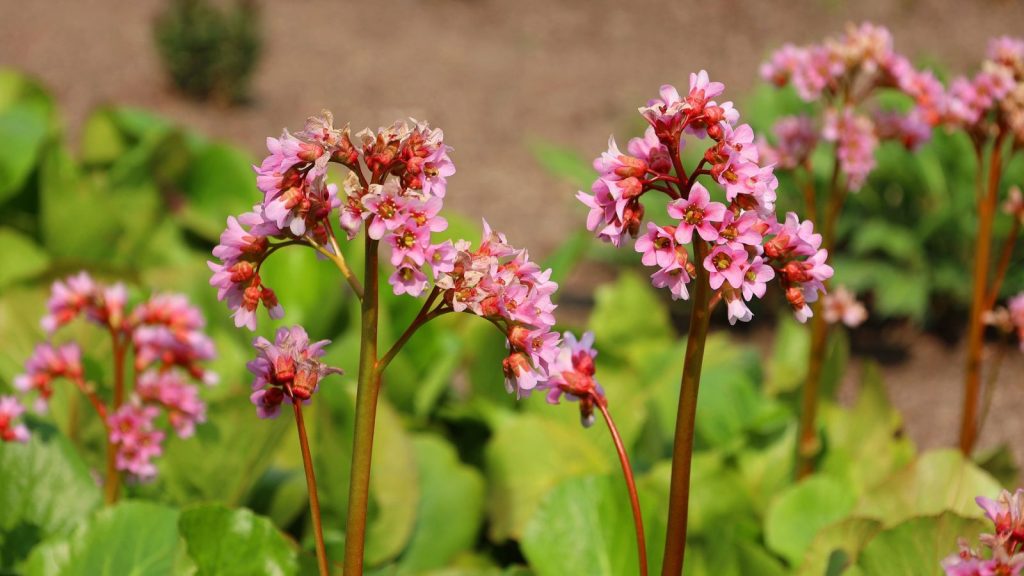
Bergenia adds a bold pop of color to shady spots with its clusters of bright pink blooms rising above glossy, heart-shaped leaves. Nicknamed “pigsqueak” for the quirky sound its leaves make when rubbed, this hardy, evergreen perennial thrives in rich, moist soil and brings year-round interest in milder climates.
Ligularia

Ligularia is a perennial with bright yellow flowers that appear in summer. It thrives in moist, well-drained soil and prefers partial to full shade, making it perfect for adding color and texture to shaded spots in the garden. Suitable for zones 4-9
Meadow Anemone (Anemone canadensis)

Anemones, ideal for cut flower arrangements, bloom in the fall with delicate, poppy-like flowers. For the healthiest growth, plant them in partial shade with fertile, moist soil that drains well but doesn’t dry out too quickly. Divide the clumps every few years to keep your anemones vigorous and produce more blooms.
Columbine (Aquilegia Canadensis)

Columbine is a perennial with bright flowers contrasting against dark, clover-shaped leaves. Available in various colors, including two-tone, its unique bell-shaped flowers with five spurs catch the eye. Ideal for slopes, ledges, or open garden spaces, Columbine adds beauty, attracts wildlife, and deters deer.
Begonia
Begonias are beloved for their lush foliage and vibrant blooms in many colors and shapes, ranging from upright bedding begonias to cascading tuberous begonias. They prefer partial shade and well-drained soil, perfect for summer blooms.
Begonias may attract pests like slugs, snails, and aphids. Soft pest control measures, such as handpicking or organic repellents, can help mitigate these issues without damaging the blooms.
Lenten Rose

Lenten Rose, or Hellebores, blooms early, offering flowers in shades of white, green, pink, purple, and red. It’s a hardy, low-maintenance perennial for the shade garden. They prefer partial to full shade and well-drained soil. Zones 4-10
Lungwort (Pulmonaria)

Lungwort is a deer-resistant, shade-loving perennial that blooms in early spring. Its flowers shift from pink to blue as they mature. The plant’s textured, hairy leaves deter deer, making it ideal for enhancing shady areas of the garden with minimal risk of deer damage.
Lily of the Valley
Lily of the valley is a lovely perennial known for its delicate, bell-shaped flowers and strong, sweet fragrance. Blooming in spring, its dainty white blossoms hang gracefully from slender stems, creating a classic look for your garden.
This low-maintenance plant thrives in moist, well-drained soil and is best suited for shaded areas where it can form lush ground cover. Given the right conditions, the lily of the valley spreads quickly, making it an excellent choice for filling in shady spots but requiring occasional control to prevent it from becoming invasive.
Jack in the Pulpit

This plant has a unique shape resembling a pulpit, adding an exciting touch to shaded garden areas. Jack-in-the-pulpit is far from fussy and doesn’t require much maintenance—plus, it’s deer-resistant. It tolerates heavy shade and looks striking when planted near low-growing ferns. Zones 4-9
Japanese Painted Fern

Japanese Painted Fern brings grace to shaded areas with its silver-green fronds and purple accents. It’s perfect for adding texture and contrast in color. Grow this fern in sheltered, shady spots near water sources such as streams and ponds. Zones 4-8
Wild Ginger

Wild Ginger presents a lush carpet of glossy, heart-shaped leaves, perfect for ground cover in shaded areas. Its subtle, reddish-purple flowers bloom close to the ground, and the roots smell of ginger when bruised or cut – hence its name. Shade is essential for this plant; it needs rich, moist, well-drained soil to flourish. Zones 4-8
Skimmia

Skimmia is a shade-loving evergreen shrub that offers fragrant white spring blooms and bright red berries in the fall, adding year-round interest to your garden.
It’s deer-resistant, attracts songbirds, and makes a great choice for foundation plantings or low hedges. However, for berries to form, you’ll need both male and female plants.
Foamflower (Tiarella cordifolia)

Foamflower is a charming ground cover with white or pinkish flowers rising above variegated foliage, perfect for a woodland garden. It is a tough plant that requires little care to grow and flower. Zones 3-9
Bleeding Heart

Known for its heart-shaped flowers on arching stems,
Lamium (Lamium maculatum)

Also known as dead nettle, it is a tough and adaptable ground cover ideal for controlling erosion in shady areas. Its dense foliage helps stabilize soil, while its pink, purple, or white flowers add subtle color.
Astilbe (Astilbe spp.)

Astilbe lights up the shade with its feathery plumes of pink, red, and white flowers. Its fern-like foliage remains attractive throughout the season. Zones 4-9
Foxglove
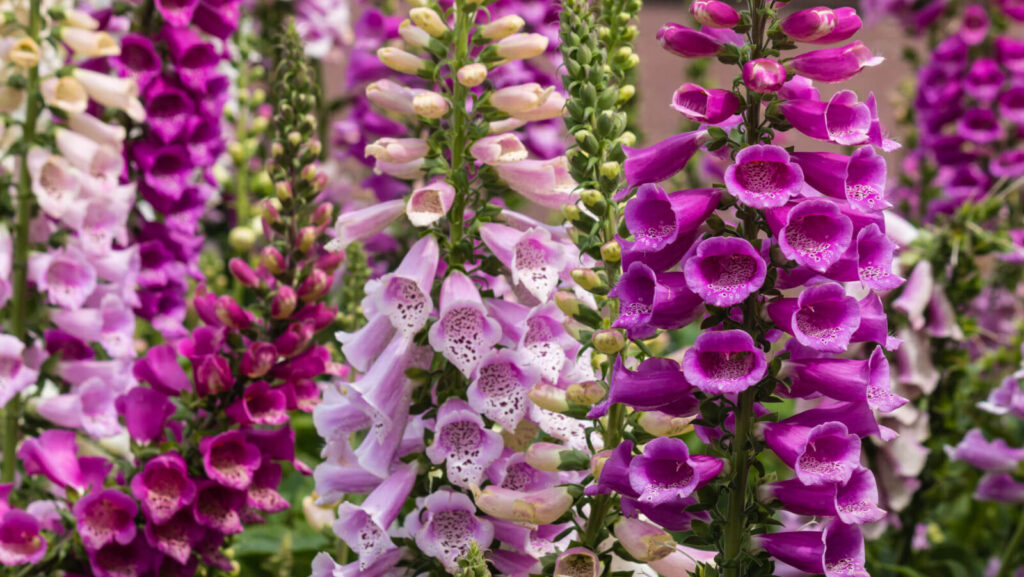
Foxglove has tall spikes of bell-shaped flowers, perfect for adding height to shaded gardens. Blooms in late spring to early summer. Zones 4-10