
A lush, green lawn is something most homeowners take pride in displaying. Unfortunately, we occasionally encounter brown patches here and there. It can be frustrating when your grass doesn’t match the amount of effort you’ve put in.
There’s always a cause, sometimes even more than one, and figuring it out is the first step toward fixing it. Here are 17 reasons your lawn may be turning brown and how to address them.
1. Underwatering

When your lawn doesn’t get enough water, especially in the heat, the grass blades begin to turn brown and dry out. When watering your lawn, aim for about 1 to 1½ inches of water per week. For each session, water deeply (for about 20 minutes) rather than shallow daily sprinkles. This trains the roots to reach deeper for water, avoid drought stress, and stay greener.
2. Overwatering or Poor Drainage

Too much water makes the soil soggy, depriving plant roots of oxygen. When this happens, the grass begins to drown and turn brown. Use a screwdriver or soil probe to test your soil; if it feels like pudding, you may need to improve the drainage on your lawn.
One way to do this is to use compost to lighten heavy soils. You can also aerate compacted spots and space out your watering so the soil has enough time to dry before the next watering session.
3. Heat Stress

Extreme heat and intense sunlight can dry out grass blades, especially in the afternoon. Even if the roots are alive, the top will turn brown. When mowing, make sure your grass is a little higher (about 3 inches) to shade the soil, and water your lawn early in the morning.
You can also overseed with heat-tolerant grass varieties suited to your region; this approach yields better long-term results.
4. Soil Compaction
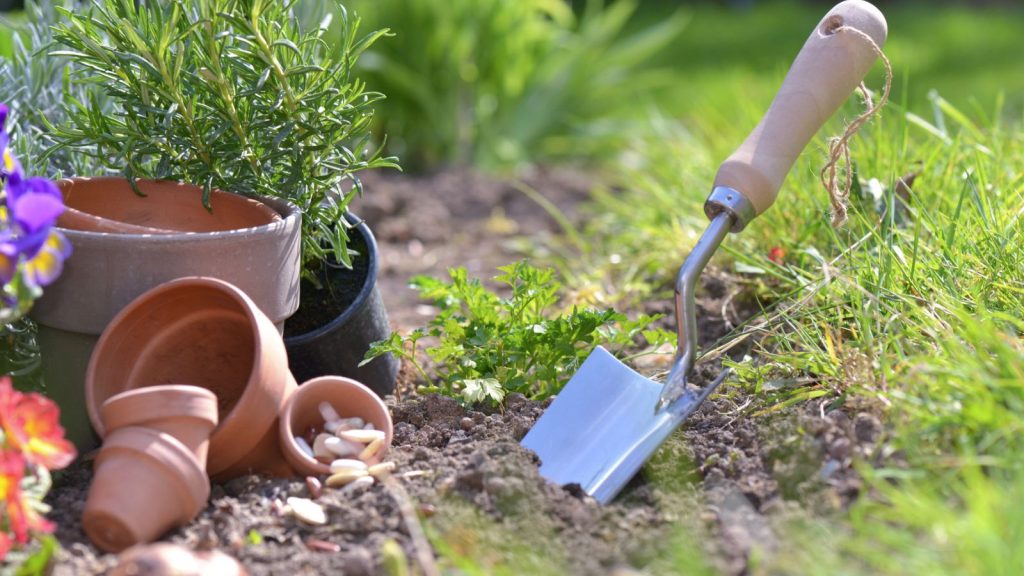
Heavy foot traffic compresses the soil tightly and may cause the grass to turn brown. That’s because compacted soil prevents air, water, and nutrients from reaching the plant roots.
Aerate your lawn once or twice a year with a spike or plug aerator to loosen the soil and improve airflow. Adding compost also helps soften compacted areas and improve soil structure naturally.
5. Thatch Build‑Up

Thatch is a layer of dead grass and roots sitting between the green blades and the soil. If it gets thicker than ½ inch, it blocks water, air, and nutrients. Dethatch with a special rake or machine in spring or early fall. Follow up by reseeding bare areas and spreading a thin layer of compost to rebuild healthy soil.
6. Nutrient Deficiencies

Your lawn needs a balanced flow of nutrients. Nitrogen encourages green, leafy growth, iron supports photosynthesis, while potassium improves stress resistance. Yellowing or browning often occurs when essential nutrients, such as nitrogen, iron, or potassium, are lacking. Do a soil test and use a slow-release fertilizer based on the results. Avoid guesswork, as too much of one nutrient can be just as harmful as too little.
Related: My Soil Test Report and Where to Get Your Soil Tested
7. pH Imbalance in the Soil

Soil that’s too acidic or too alkaline can block nutrient absorption, causing the grass to brown even if your lawn is fertilized. Most grasses prefer a pH between 6.0 and 7.0. Test your soil, and adjust with lime to raise pH or sulfur to lower it. Many local garden centers offer easy-to-use soil test kits.
8. Pest Infestations
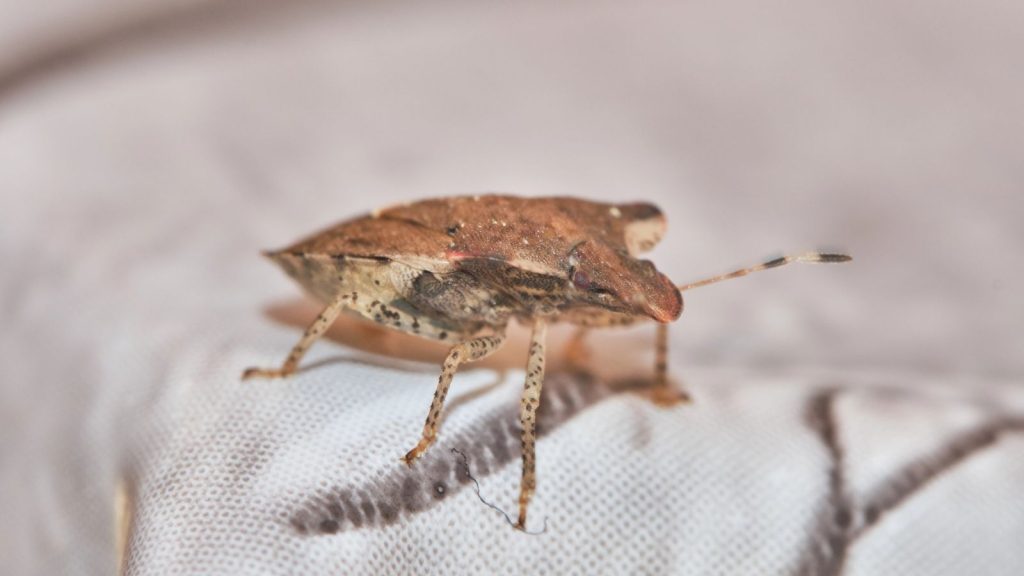
Pests like grubs and chinch bugs may be chewing up your roots or grass blades, causing them to turn brown. One way to tell for sure that you’re dealing with pest damage is to look for brown patches that feel squishy and pull up like carpet.
If you find those, you can start treatment by introducing beneficial nematodes or using pest-specific insecticides. Afterward, follow up by reseeding and watering the area to help it bounce back.
Related: Weird Holes Showing Up in Your Lawn? Here’s What’s Causing Them
9. Fungal Diseases

Lawn diseases caused by fungi can show up as brown rings, spots, or rust-colored dust on grass blades. These fungi love damp, crowded lawns, especially if you keep watering them in the evening. Mow regularly to improve airflow, water early in the day, and apply a fungicide or organic treatment if needed.
10. Mowing Mistakes

Cutting grass too short (a process called scalping) stresses the plant and exposes its roots to sun and heat. Never cut more than one-third of the grass blade at once. Also, keep mower blades sharp, as dull blades will tear rather than cut, leaving damaged, brown tips, and making your lawn more vulnerable to disease.
11. Not Reseeding Bare Patches

When grass thins or dies, weeds and moss quickly take over, visually damaging the lawn. If you don’t reseed these spots in early spring or fall, prepare yourself to see a lot of ugly, brown spots. You can also try other measures to help new grass grow in those barren spots. Examples include leveling the soil, spreading seed, light composting, and keeping the area consistently moist (not soaked).
12. Too Much Shade From Trees or Structures

Too much shade weakens grass, causing brown, thin patches. Trim trees to let in dappled sunlight, or plant shade-tolerant grass types close to tall trees and structures. Leave a gap of at least 6–8 inches around the tree trunks where grasses seem to struggle the most.
13. Dog Urine Spots

That’s right. Dog urine is high in nitrogen and can cause grass to burn. If you have a dog that likes to do its business on your lawn, always hose down the spot immediately after to dilute it. Consider training your dog to use a specific area or planting more urine-tolerant grass in zones they’re bound to visit.
14. Fertilizer Burn

Using excessive fertilizer or applying it to dry grass can chemically burn roots and cause discolored patches. Always follow the package instructions when applying fertilizers. Also, spread the fertilizer evenly, and water after each application to disperse it and help the plant roots absorb nutrients without damage.
15. Chemical Damage
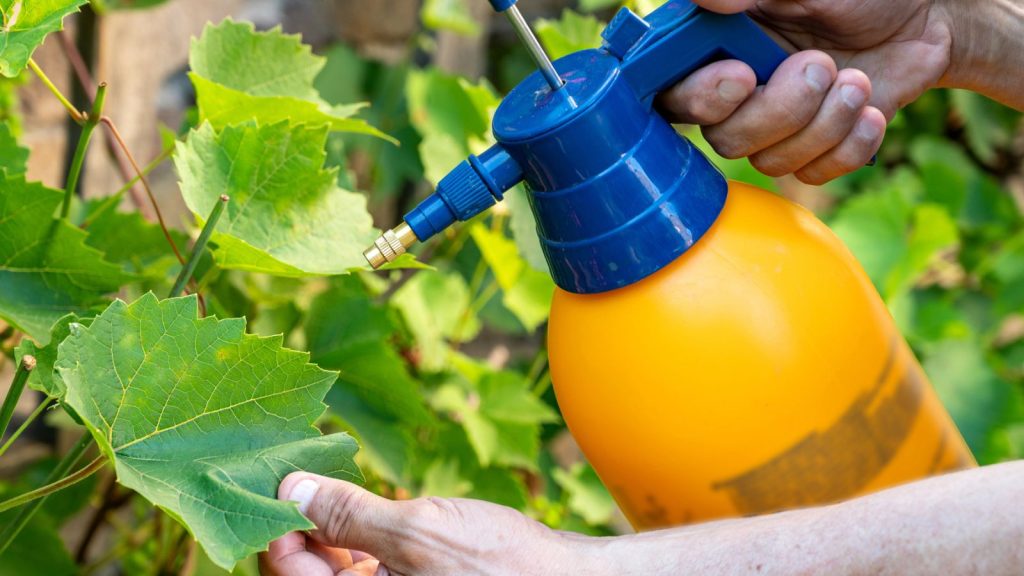
Chemicals from weed killers, herbicides, or pesticides can stunt or kill grass. If brown patches appear after chemical use, you can still try to fix them. First, water the spot properly, mow off the damaged blades, and reseed the grass.
In the future, use shields or spot treatments to protect the surrounding turf. Also, watch out for herbicide drift from neighboring lawns.
16. Companion Plant Overgrowth

Companion planting has numerous benefits, but when you plant too many shrubs and flowers together, it can cause problems instead. They start to compete for light, steal water and nutrients, or occupy space that prevents roots from growing.
Keep a 6-inch buffer between grass and other plants so they have enough space to grow without competition. Also, mulch under trees and prune back overgrowth to reduce crowding.
17. Natural Dormancy in Summer

Cool-season grasses often turn brown and go dormant during the summer. This is normal. Instead, you can water deeply but less frequently to keep the roots alive. Also, avoid mowing too short, and wait patiently; it’ll green up again once cooler weather returns.
How to Water Your Garden The Right Way
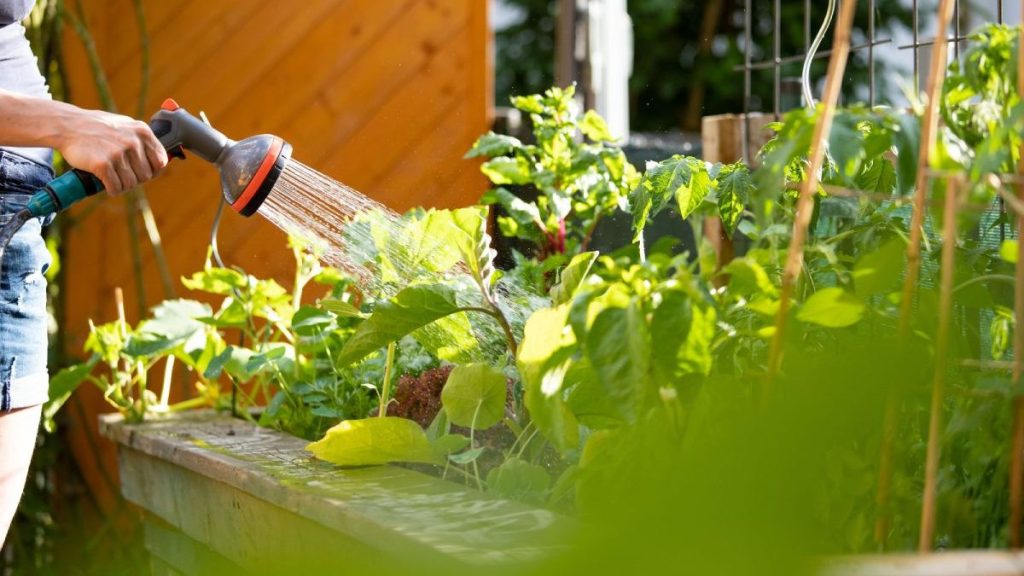
There are watering best practices that strike the perfect balance. Let’s make sure your plants stay happy and hydrated!
How to Water Your Garden The Right Way
8 Sneaky Animals That Are Secretly Destroying Your Lawn and Garden

Many pests can quietly cause significant damage if not controlled. It’s important to stay on top of these threats to keep your outdoor space looking its best. Here are seven sneaky pests to keep a close eye on.
8 Sneaky Pests That Are Secretly Destroying Your Lawn and Garden