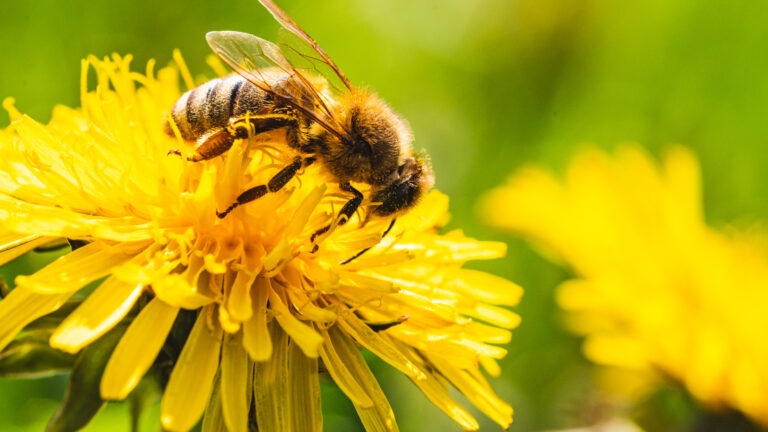

Dividing perennials means digging up a mature plant and separating it into two or more smaller sections. It remains one of the best-kept secrets of gardening. Each section will have roots and shoots, so it can grow into a full-sized plant again.
Gardeners typically divide perennials to keep their plants healthy, control size, or fill out more garden areas without spending an extra dime. Most perennials benefit from being divided every few years, especially when they’re crowded or blooming less.
Sounds like something your garden needs, but don’t know where to begin? Below are 17 perennials you might not realize you can divide, and how to keep them happy.
1. Shasta Daisy (Leucanthemum x superbum)
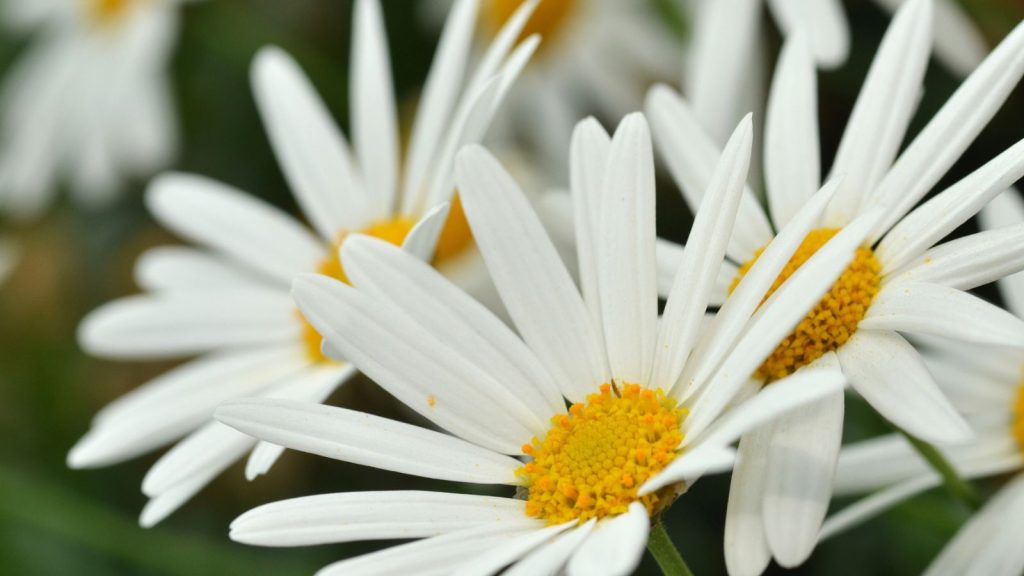
Shasta daisies are low-maintenance classics that bloom for weeks in the summer. However, anyone who has planted these perennials knows they’re short-lived and tend to develop dense, tangled roots and flower less over time. They’re best divided in spring when their foliage is still small.
Dig up the clump, gently pull apart sections with roots and shoots, and replant in well-drained soil in full sun. They’ll last another 3 years before needing division again.
2. Black-Eyed Susan (Rudbeckia)

Black-eyed Susans are great plants in your garden because their bright colored petals bring pollinators like bees and butterflies. However, they also spread quickly and get crowded, which reduces flowering and invites disease.
Divide in early spring or fall as soon as they spread and grow new leaves. Split the root clump into small sections and replant in full sun and moderately moist soil. Avoid making divisions too small so they grow well. They’re good for 3 to 4 years between divisions.
3. Bee Balm (Monarda)

Bee balm plants spread quickly through rhizomes and often develop powdery mildew. Dividing it controls growth, improves airflow, and reduces disease. It’s better done in spring when young foliage is just emerging, as it makes handling easier.
Dig up the rhizomes and slice them into chunks with at least one healthy shoot and root. Replant each chunk in moist, rich soil in full sun to part shade. Most plants grow well for 3 to 4 years before being divided again.
Related: How to Make Bee Balm Tea
4. Daylilies (Hemerocallis)

Daylilies are tough perennials, but their centers may die out over time, and blooms may slow down. Dividing them every 5 to 7 years can help rejuvenate them.
Dig up the whole plant in early spring or late summer, and pull apart the fans with roots attached. Rebloomers should be divided before they begin to flower. Once you have separated them, replant in full sun and well-drained soil.
5. Coreopsis (Tickseed)
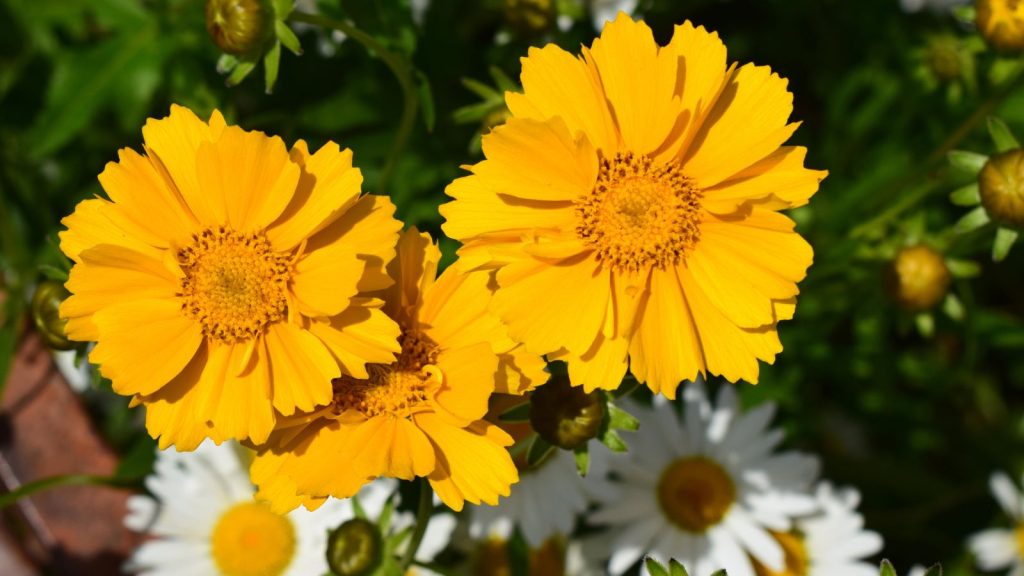
These daisy-like flowers are beautiful and easy to care for, but can become woody and sparse after a few years (usually within 3 to 4 years). Divide in spring or summer and replant in full sun and average soil.
6. Sedum (Stonecrop)

Sedums, especially Autumn Joy, are great for adding structure and late-season color to your garden. But as clumps get too large, the center may die out. Divide in early spring when the foliage is still small for better blooms.
Use a sharp knife to slice through the root ball and replant sections in sunny spots with well-drained soil. Sedum plants can thrive for every 3 to 4 years between divisions.
7. Irises (Iris × germanica)
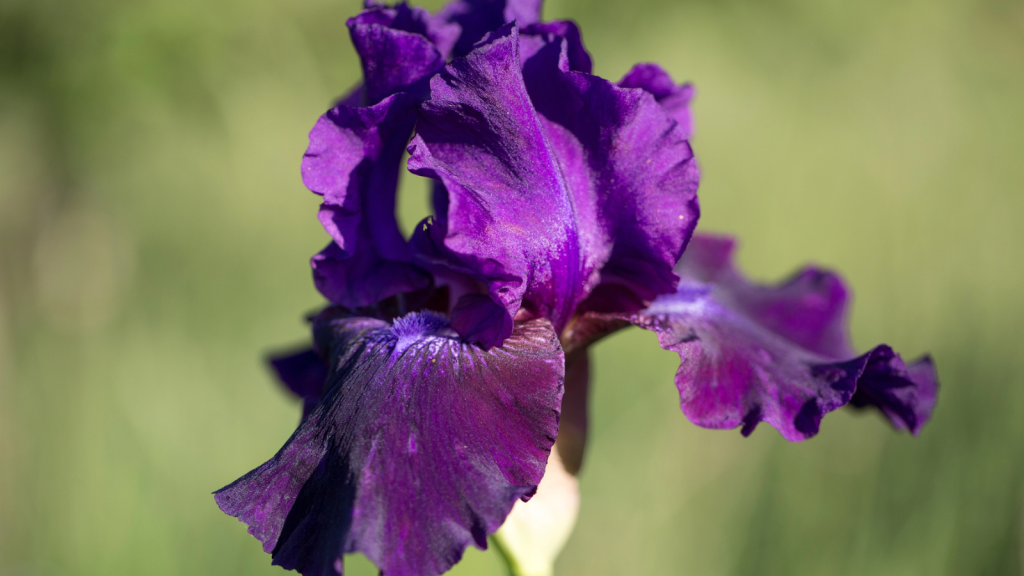
Irises are fast spreaders; their rhizomes crowd each other over time and reduce flowering. Some species, like the bearded iris, need to be divided every 3 to 4 years; others, like the Siberian irises, do not need to be divided as often.
Divide in summer after flowering, at least 6 weeks before frost, so they have time to establish themselves before the flowering season. Lift and cut rhizomes, trim leaves, before replanting in full sun to part shade in moist, slightly acidic soil.
8. Hardy Geranium (Geranium spp.)
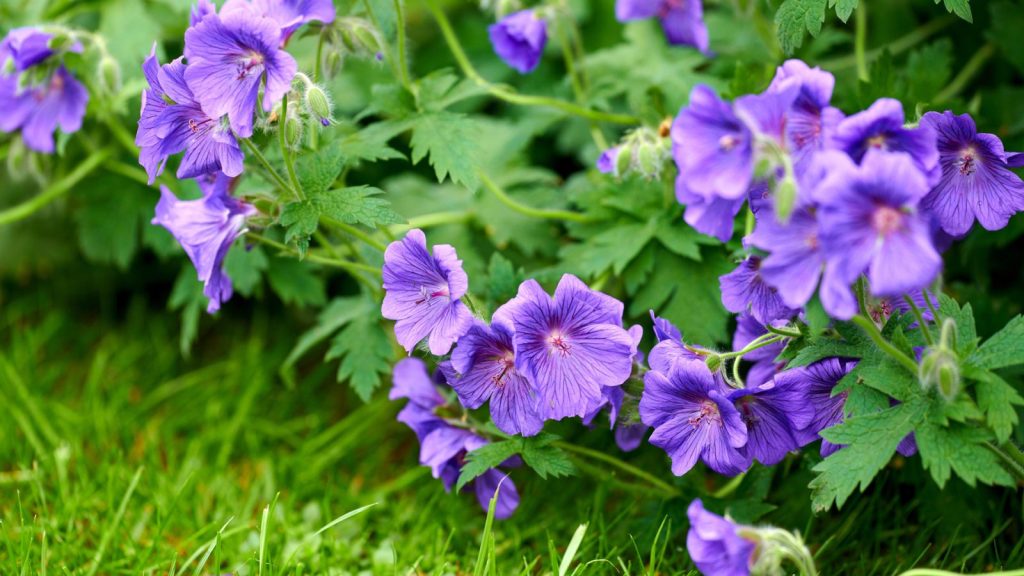
Hardy geraniums bloom all summer and handle various conditions, ergo the name. However, plants can get woody and have fewer flowers as they age.
A ring of foliage with a dead center indicates that the geranium is due for a division. This usually happens every 3 to 4 years. Gently pull apart the crown and replant in sun to partial shade in moist but well-drained soil.
9. Blanket Flower (Gaillardia x grandiflora)
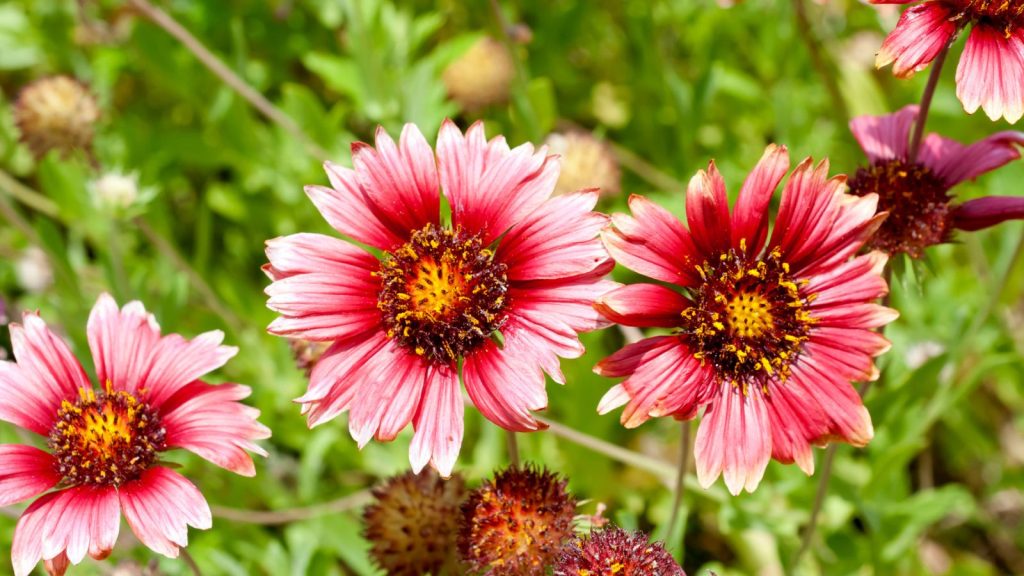
After about 3 to 4 years,
10. Lungwort (Pulmonaria)
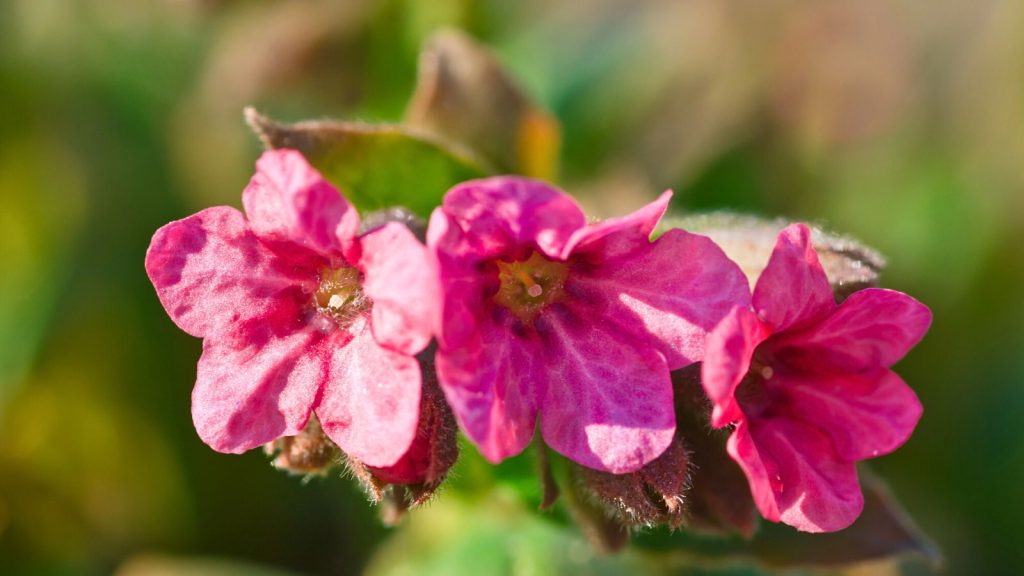
Over time, lungwort may spread too much or thin out in the center. Bigger leaves also tend to wilt easily. Dividing the plant every 3 to 4 years helps to rejuvenate it. The best time to do this is in summer/early fall or spring, right after flowering.
Carefully dig and split the clump into smaller plants, ensuring each section has several leaves and part of the root system. Then, replant in partial to full shade in moist, well-drained soil.
11. Yarrow (Achillea)

Yarrow is a tough, drought-tolerant perennial, but it spreads too quickly. Also, as the plant ages, the center of the clump dies out. Divide every 2 to 3 years in early spring or fall by splitting the clump. They grow best in full sun and poor to average soil.
12. Japanese Anemone (Anemone hupehensis)
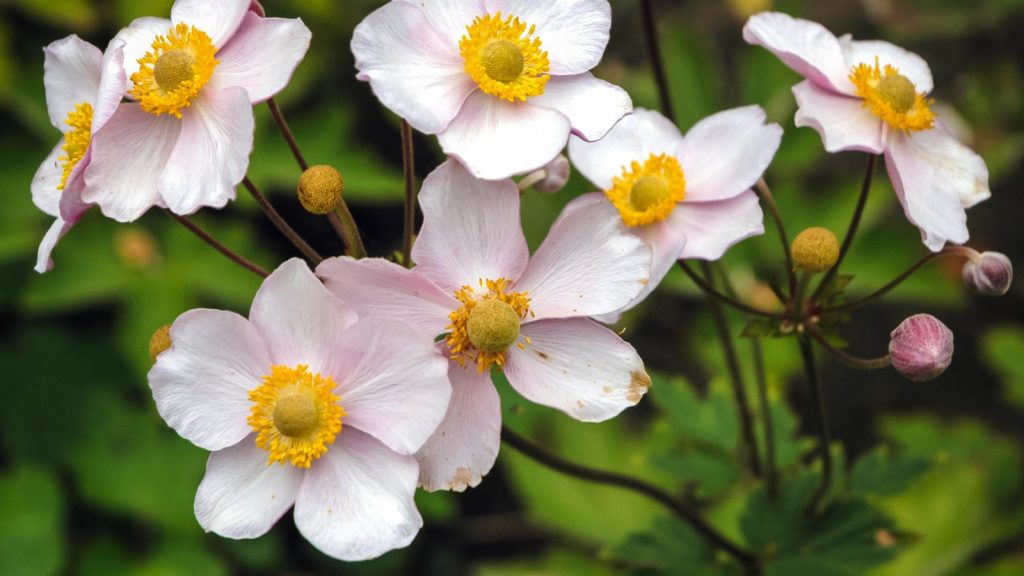
Japanese anemones spread by roots and can crowd out nearby plants. These late-summer bloomers are surprisingly easy to divide. Division is best done in early spring or fall.
Dig deeply to get the fibrous roots, split the clumps with a knife or spade, and replant in part shade and moist, rich soil. Plants live about 4 to 5 years before becoming congested and needing division.
13. Lady’s Mantle (Alchemilla mollis)
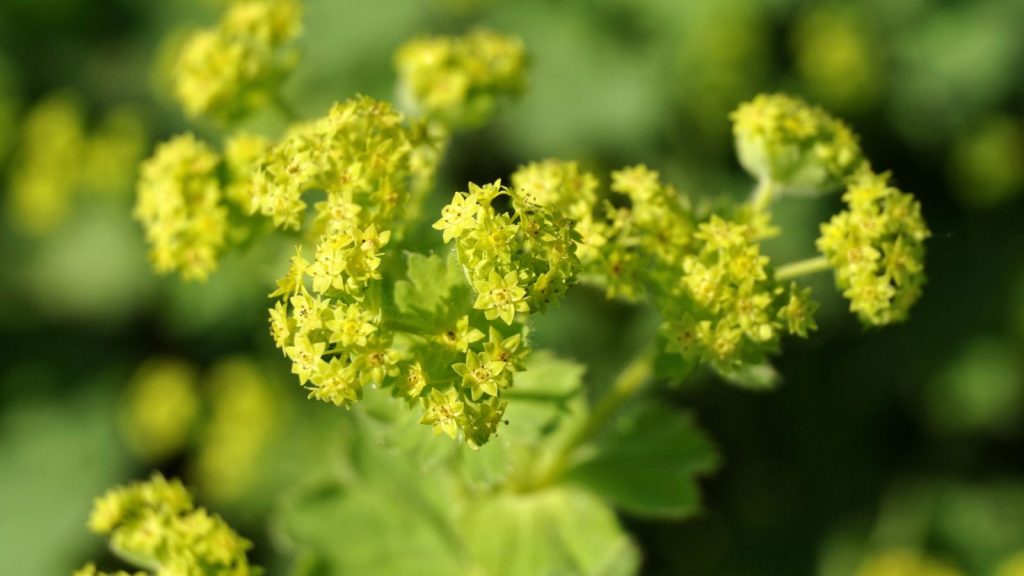
Older clumps of the lady’s mantle may lose vigor and crowd out companions. Lift the clump, split it into chunks, and replant in part shade and moist, well-drained soil.
Lady’s mantle doesn’t need frequent division; anytime between 3 and 10 years is fine. Divide in early spring or fall, although early spring is more ideal
14. Garden Phlox (Phlox paniculata)
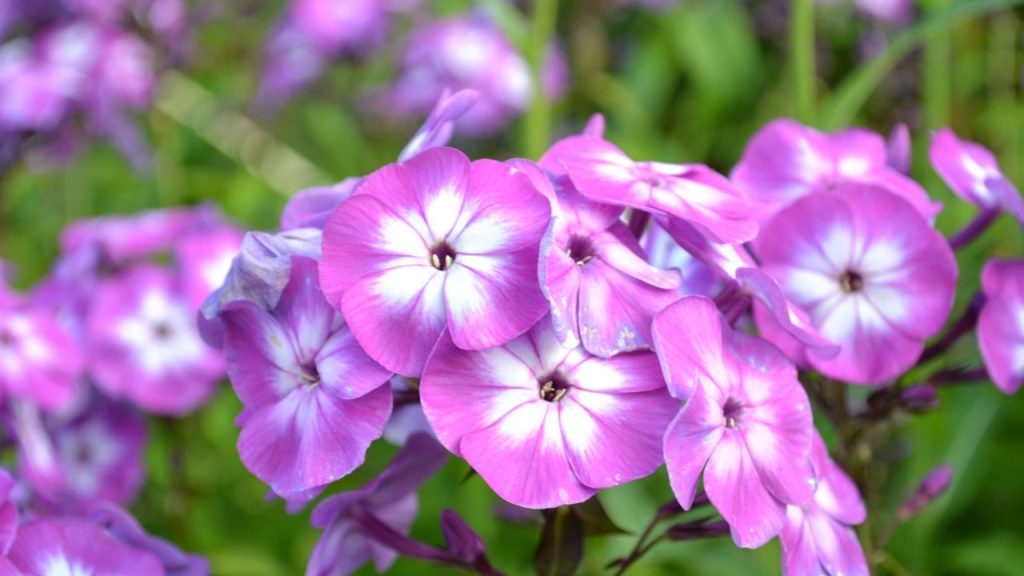
Garden phlox is more prone to mildew when it gets overcrowded. Divide every 3 years, or when flowering is over, in early spring or fall. Use a shovel to lift and split the root ball. Replant in full sun and moist, fertile soil.
15. Perennial Sweet Pea (Lathyrus latifolius)
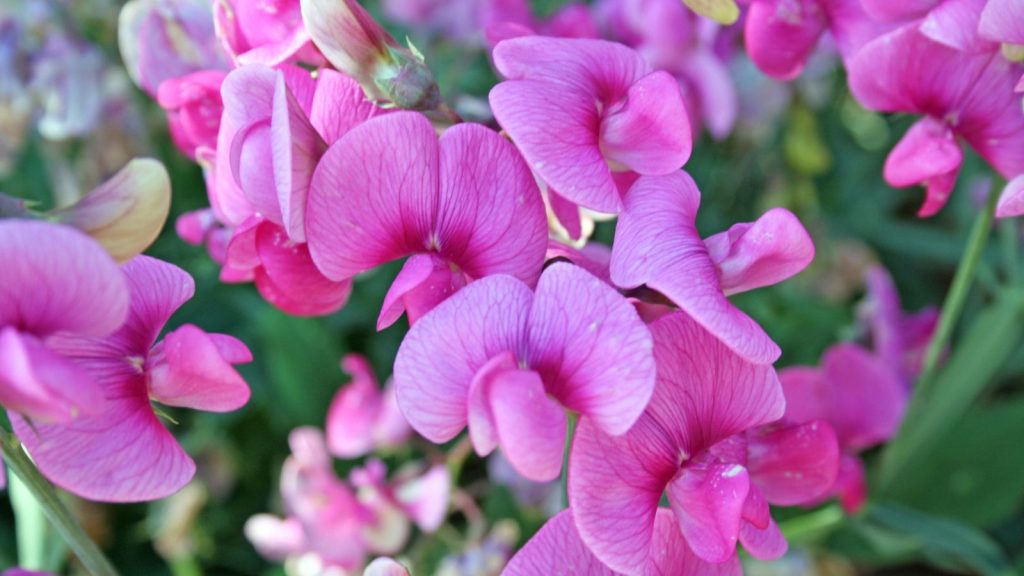
Perennial
They also tend to have pinkish blooms and vining stems that can get tangled and overtake trellises or fences. Divide every 3 to 5 years in spring. Dig and gently separate roots, then replant in full sun and rich, well-drained soil.
16. Lupine (Lupinus)
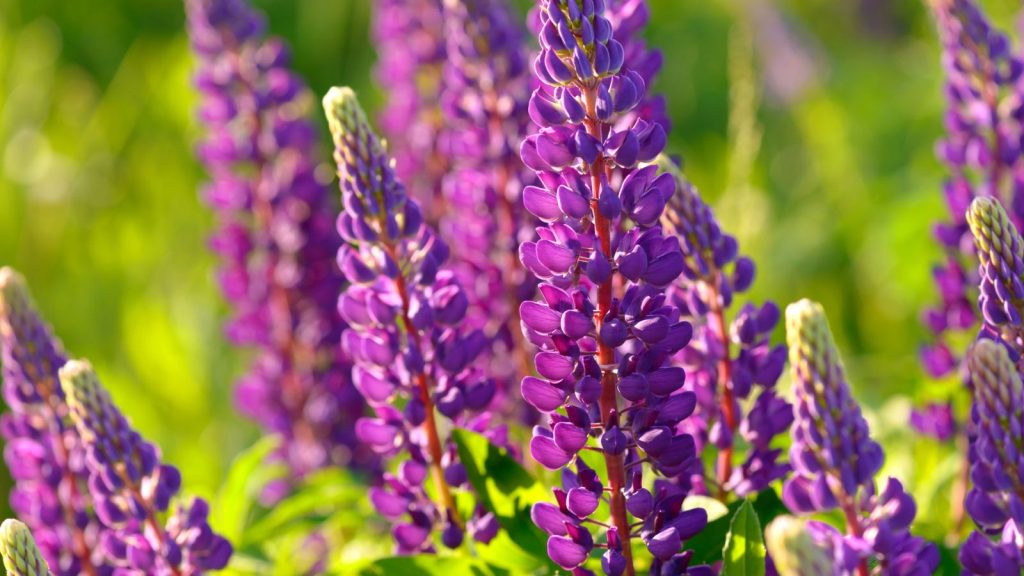
Lupines have a deep taproot, so division can be tricky, but helps maintain vigor. It’s best done in early spring before growth begins. Carefully dig and split clumps with root sections intact. Replant in full sun and sandy, slightly acidic soil. Expect them to last about 3 years before needing another division.
17. Joe-Pye Weed (Eupatorium purpureum)

Joe-Pye weed needs to be propagated every 3 to 5 years. You can divide in early spring (better for easy handling) or in the fall (cut back the flowers). You may need a saw or a hatchet to cut apart the woody crown. Joe-Pye weed grows best in full sun to partial shade and fairly rich, well-drained soil.
30 Native Plants That Will Draw Beautiful Birds to Your Yard

If you want to attract more birds to your garden, the right plant choices can make all the difference. Here are 16 native plants that will attract a variety of birds.
30 Native Plants That Will Draw Beautiful Birds to Your Yard
21 Cheap Perennials to Grow That Will Make Your Garden Pop

You can fill your space with lush, eye-catching blooms with the right selection without overspending. Here are 21 affordable perennials bringing long-lasting beauty without stretching your wallet this year.
21 Cheap Perennials to Grow That Will Make Your Garden Pop
29 Deer Resistant Flowers with The Most Beautiful Blooms

If you’re looking for beautiful, deer-resistant flowers to add color and charm to your garden, here are 29 stunning options that deer will likely leave alone.