People are embracing the romantic, free-flowing style of English gardens. Unlike the neat and structured look of many American yards, English gardens favor a wild, natural feel. They blend flowers, shrubs, and vines in a way that looks effortless and feels enchanting.
Choose plants that add color, texture, and whimsy layers for the classic English garden look. Here are some must-have plants to bring that English charm to your garden.
1. Hollyhocks

Hollyhocks are very colorful plants that are perfect for English gardens. They add vertical depth to your garden and create a nostalgic cottage feel. In their mature state, they can reach 3-8 ft tall and 1-2 ft wide.
To grow hollyhocks, you need fertile, moist, well-drained soil and at least 6 hours of full sunlight daily. They also need a place protected from strong winds but with good airflow to prevent rust fungus. Hollyhocks flourish in USDA zones 3-8.
2. Peonies

Peonies are fragrant flowers with pretty blooms. They require well-drained, slightly acidic soil, at least 6 hours of sunlight, and enough room to grow well. During the humid season, they’re prone to gray mold. However, they can flourish with proper maintenance. They prefer USDA zones 3-9 and can grow up to 3 ft tall when mature.
3. Dianthus

Dianthus are low-growing, fragrant flowers perfect for pathways and borders. These lively plants produce a sweet clove scent. They’re hardy in USDA zones between 3-9 and can reach up to 12-15 inches at maturity. They prefer well-drained garden soil or a container with potting compost, and they require at least 6 hours of sunlight every day.
4. Foxgloves
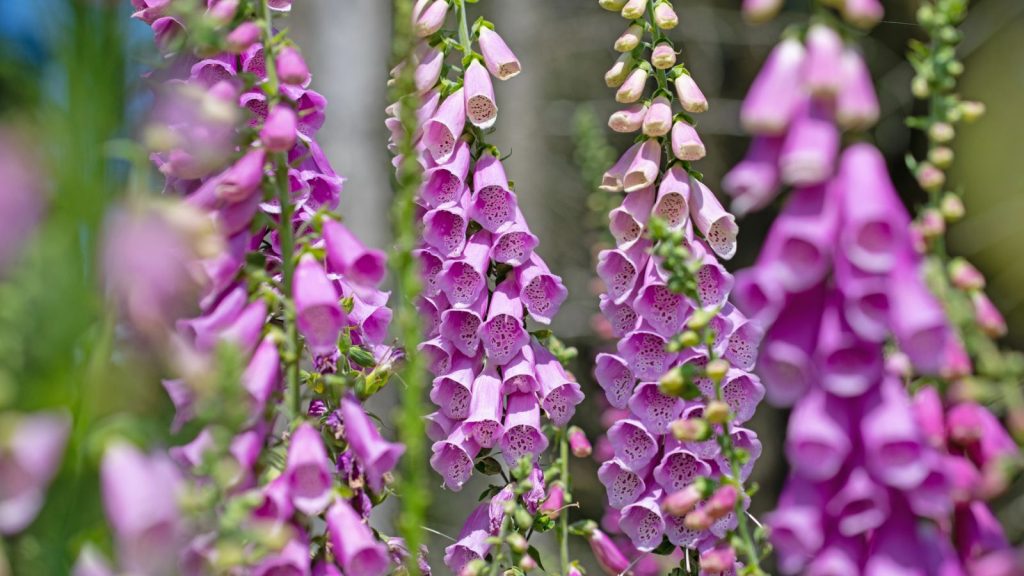
No English garden is complete without foxgloves, which add that characteristic wild charm. Their tall pink, purple, or white blooms make a striking backdrop for other plants and look stunning along paths or in mixed borders.
These biennials thrive in humus-rich, damp soil and grow best in USDA zones 4-9. At maturity, they can reach up to 8 ft and are excellent at attracting pollinators.
5. Lilacs

Lilacs attract pollinators like butterflies, bees, and moths, which can greatly benefit your English garden. They grow in USDA zones 3-7, well-drained, fertile, alkaline/neutral soil, and require at least 6 hours of sunlight every day.
Lilacs are not very tolerant of heat or moisture and should be spaced properly to reduce exposure to diseases and mildew. Mature plants can grow to 8-15 ft and be 6-12 ft wide.
6. Hardy Geraniums
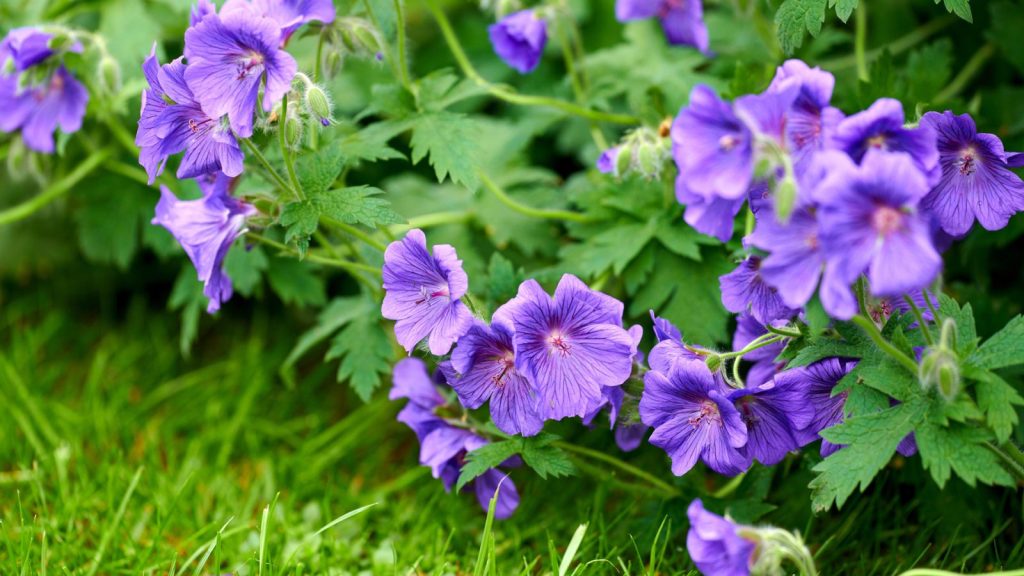
Hardy Geraniums are versatile groundcover plants that give garden beds a uniform look. They grow in moist, well-drained soil under full sunlight or partial shade. However, note that slugs, mildew, and rust may affect your plant if grown under partial shade. USDA zones 5-8 are most suitable for this plant.
7. Lupines

Lupines are towering plants with bold colors that add a nice vertical contrast with other softer blooms in your garden. The flowers range from soft pastels to bold reds, purples, and blues, allowing gardeners to choose colors that complement their garden design.
Apart from their aesthetic appeal, lupines are nitrogen-fixers that help improve soil health. They require well-drained, slightly acidic to neutral soil under full or partial sun to grow and flourish in USDA zones 4-8.
8. Lady’s Mantle
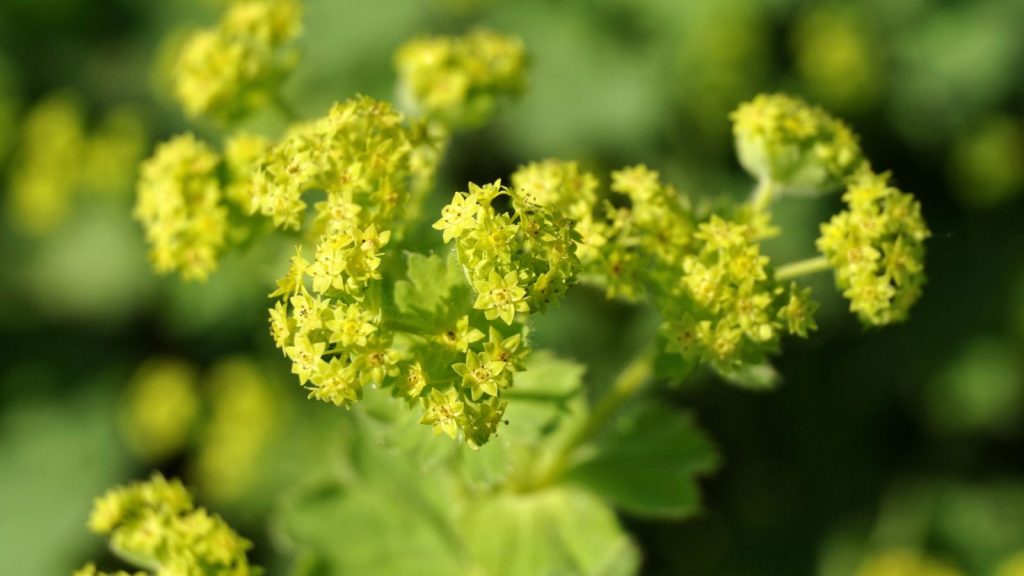
Lady’s Mantle can be grown along borders or pathways to soften the edges. It’s small, with beautiful, chartreuse-colored flowers that contrast well with taller, spikier plants (like lupines).
Lady’s mantle tolerates most soils except dry or waterlogged ones. They grow best in USDA zones 3-8 with 6 hours of sun daily. Mature height is about 18-24 inches.
9. Roses
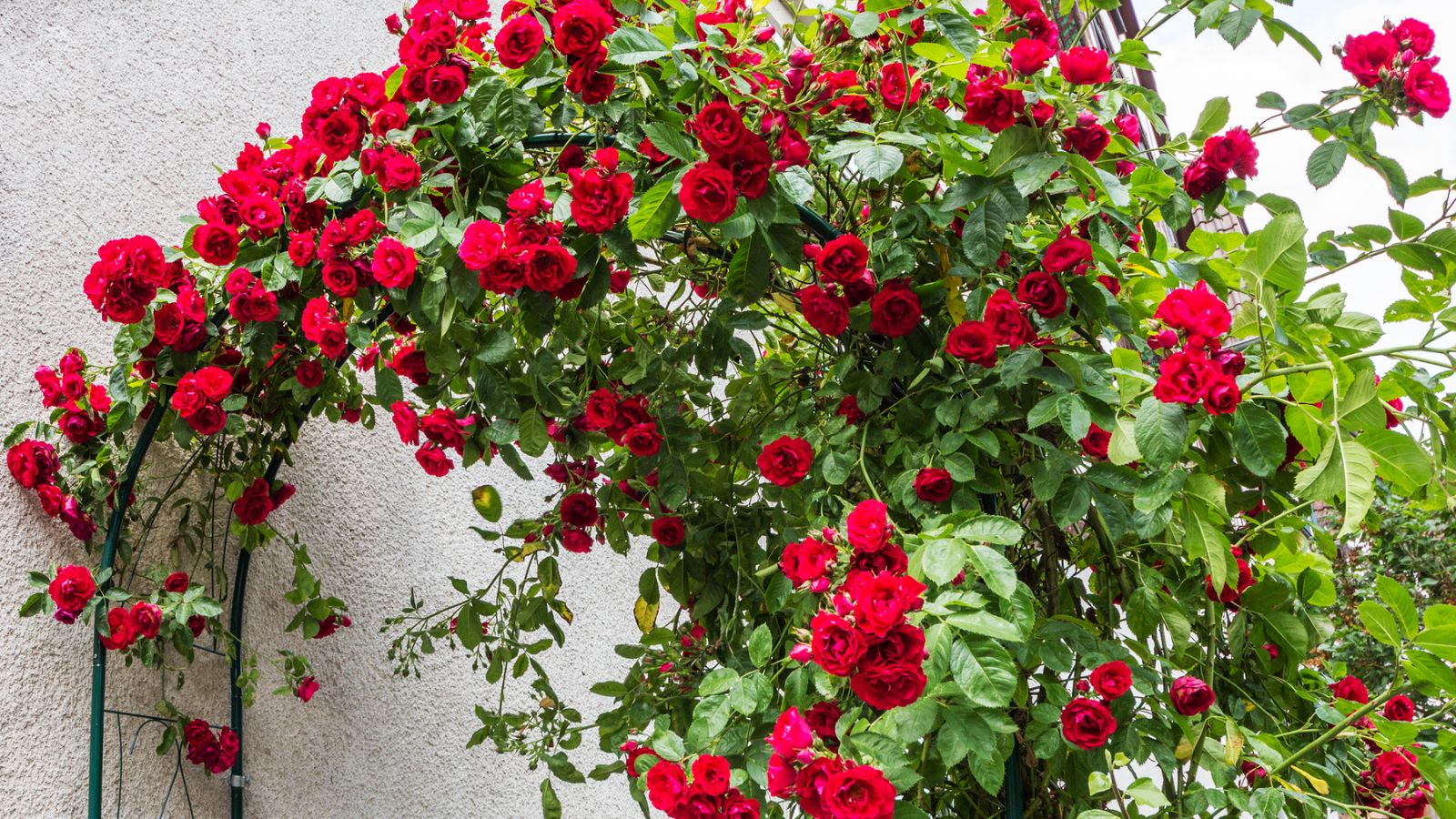
You cannot complete an English garden without throwing in a few rose bushes. After all, that is the national flower of England. Apart from its historical significance, roses are also a symbol of beauty, elegance, romance, love, and all the other whimsical aspects of an English garden.
A mature rose plant can grow as tall as 3-5 feet and is a great attraction for pollinators. Roses thrive in USDA zones 3-5 and require slightly acidic, well-drained soil and at least 6 hours of full sunlight each day.
10. Astilbe

Even though English gardens appear wild and untamed, a lot of care and consideration go into creating that charm. Most of the plants listed here thrive under well-lit conditions, but what about the shaded areas of the garden? That’s where the
Its delicate, feathery flowers provide much-needed color and texture in shady areas of your garden. They grow best in USDA zones 3-9, in well-drained soil, partial to full shade. Ensure the plant is watered heavily every week. At maturity, the plant can grow to 3 ft in height.
11. Sweet William

Sweet William is a short plant that grows only 12-24 inches tall when mature. However, its clusters of red, white, and pink blooms add a burst of color to your garden, attracting pollinators like bees. They grow well in USDA zones 3-9, and fertile, well-drained soil with 5-8 hours of daily sunlight.
12. Daisy

Daisies have a simple, cheerful appearance, making them essential plants for an English garden. They do well in borders and natural-style plantings. They’re best grown in well-drained soil under full to partial sunlight and are suitable for USDA zones 5-9. Depending on the variety, daisies can reach up to 3 feet tall.
13. Garden Phlox
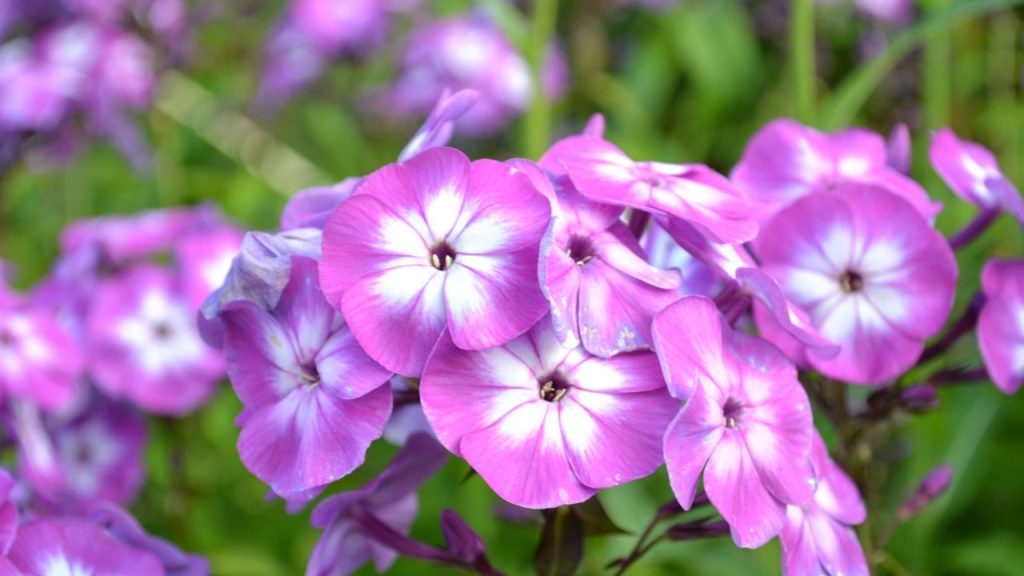
Garden phlox is a tall plant that mostly blooms during late summer. It produces large clusters of fragrant flowers in a wide range of colors, making it great for borders, especially when layered behind shorter blooms.
Garden phlox thrives in USDA zones 4-8 in well-drained, moist, fertile soil with full sun or light shade. Although these plants are adaptable to many conditions, too much shade may reduce flowering and increase disease risk. Mature plants can grow 3-4 feet tall.
14. Sweet Pea

Sweet peas are another kind of plants that bring vertical depth to your garden. Their pastel-colored blooms are perfect for climbing trellises or archways.
They grow well in USDA zones 3-8, in moist, slightly alkaline, well-drained soil. They must be watered 2-3 times a week and require 6+ hours of sunlight. Their mature height varies with support but often reaches 4-6 ft.
15. Japanese Anemones
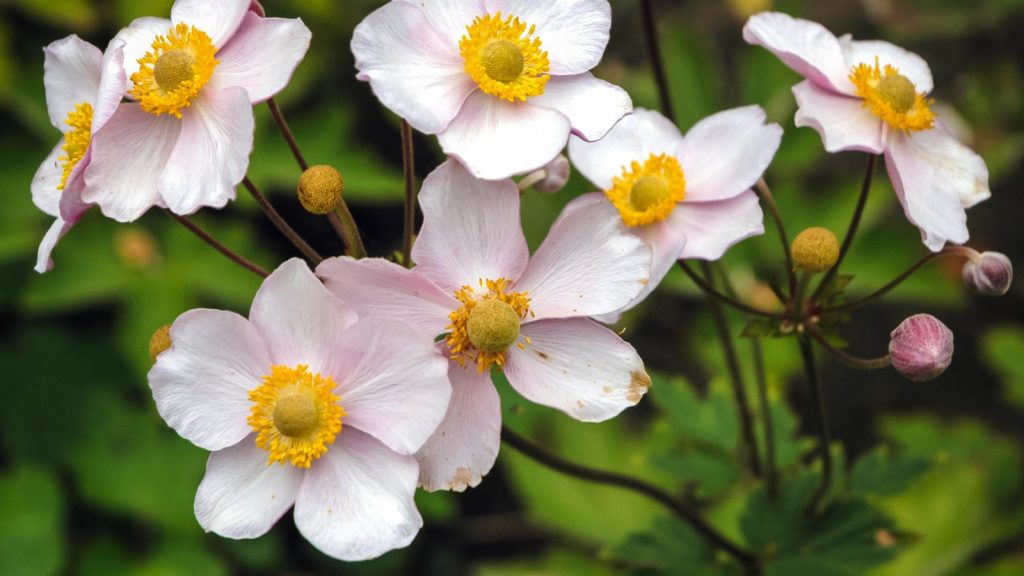
Japanese anemones make great border plants because, like astilbes, they grow well in the shade. Their tall, late-season blooms, which are soft pink or purple, are perfect for filling in gaps as summer blooms fade.
They grow well in USDA zones 4-8 in moist, well-drained, acidic to neutral soil with full or partial sunlight. At maturity, they can grow up to 4 ft tall.