Nasturtiums are more than just a pretty flower—they’re a hardworking addition to any garden. These cheerful, easy-to-grow flowers bring lots of color to your garden and are known to attract pollinators and help keep pests in check.
Growing nasturtiums makes your garden healthier and more productive. Here’s all the reasons why you’ll want to plant them in your garden this year.
Easy to Grow and Maintain
Image Credit: Deposit Photos
If you love plants that practically take care of themselves, nasturtiums are for you. These fast-growing flowers thrive in poor soil, require little watering, and flourish in garden beds, containers, or even hanging baskets. Once planted, they spread quickly, filling empty spaces with lush greenery and bright blooms. They’re a great choice for beginner gardeners and anyone who loves a low-maintenance plant with high rewards.
Great Companion Plant
Image Credit: Deposit Photos
Nasturtiums aren’t just pretty—they’re great team players in the garden. They work well alongside vegetables like tomatoes, peppers, and beans by attracting beneficial insects and keeping harmful ones far away. They are a must-have for companion planting.
If you’ve ever struggled with aphids, nasturtiums might be the solution you need. They act as a “trap crop,” attracting aphids and other pests away from more vulnerable plants like tomatoes, peppers, and lettuce. While some plants may take a hit, nasturtiums help protect your valuable crops from infestations. They’re also known to deter squash beetles, making them a great addition to any vegetable garden.
A Magnet for Pollinators
Image Credit: Deposit Photos
Bees, butterflies, and hummingbirds can’t resist nasturtiums. Their nectar-rich flowers provide an important food source, encouraging pollinators to visit your garden regularly. More pollinators mean better fruit and vegetable production, making nasturtiums a win-win for both beauty and productivity.
Beyond drawing in pollinators, nasturtiums also lure helpful insects like ladybugs, lacewings, and parasitic wasps—natural predators that keep aphids, caterpillars, and other pests under control. By planting nasturtiums, you create a balanced ecosystem where nature takes care of pest control for you.
A Natural Barrier Against Rabbits
Image Credit: Deposit Photos
Rabbits may be cute, but they can wreak havoc on a garden. Luckily, nasturtiums have a strong, slightly spicy scent that rabbits find unappealing. While they won’t guarantee a rabbit-free garden, planting nasturtiums around more vulnerable plants can help deter these furry nibblers from feasting on your vegetables and flowers.
Deer Resistant
Image Credit: Deposit Photos
Like rabbits, deer aren’t big fans of nasturtiums either. Their peppery taste and scent make them less appetizing to deer, which can help protect your more delicate garden plants. If deer frequently visit your yard, planting nasturtiums around the perimeter of your garden may discourage them from browsing.
Want to enjoy your garden without pesky mosquitoes? Nasturtiums can help. While they don’t completely eliminate mosquitoes, their scent is known to deter them, making your outdoor space a little more comfortable during the warmer months.
Edible and Packed with Flavor
Image Credit: Deposit Photos
Not many flowers can claim to be as delicious as they are beautiful, but nasturtiums do just that! Their leaves, flowers, and even seeds are edible, with a peppery flavor similar to arugula. Toss the flowers in a salad, use the leaves in sandwiches, or pickle the seeds as a substitute for capers. They bring both beauty and bold taste to the table.
Weed Suppression Made Easy
Image Credit: Deposit Photos
Nasturtiums grow quickly and spread across the ground, helping to smother weeds before they have a chance to take over. Their dense foliage shades the soil, reducing weed growth and making garden maintenance easier.
Ideal for Cut Flower Arrangements
Image Credit: Deposit Photos
Beyond being great for the garden, nasturtiums also make lovely cut flowers. Their bold, colorful blooms bring a cheerful touch to vases and floral arrangements, brightening up your home with a fresh-from-the-garden feel.
They’re Just Plain Gorgeous
Image Credit: Deposit Photos
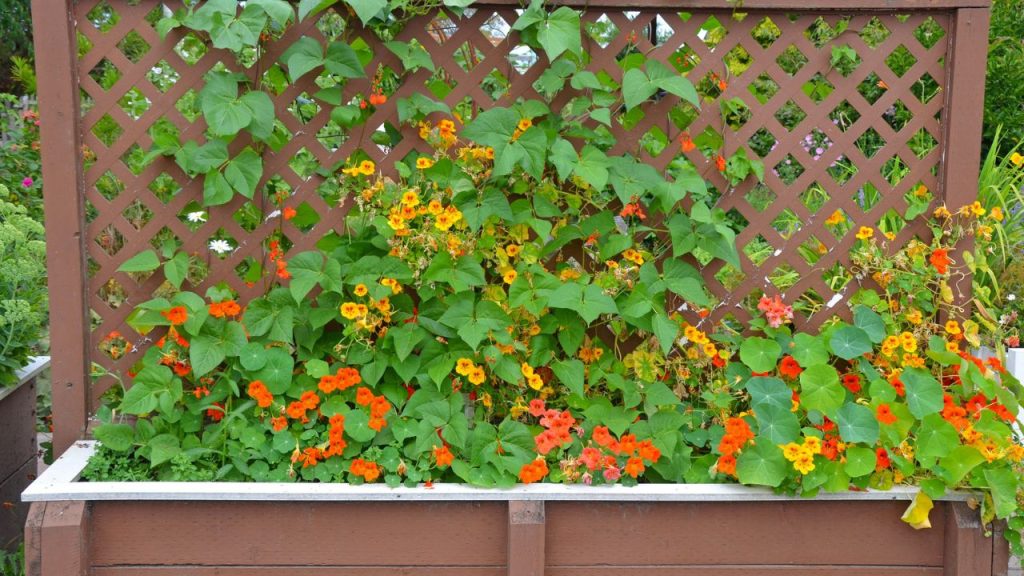
With their bright yellows, deep oranges, fiery reds, and lush green foliage, nasturtiums are a showstopper in any garden. Whether they’re spilling out of a container, climbing up a trellis, or weaving through your vegetable beds, they add a burst of color and a touch of wild beauty to your space.
19 Stunning Red Flowers to Add Bold Color to Your Garden
Image Credit: Deposit Photos
Adding red flowers to your garden introduces vibrant pops of color, creating a warm and lively atmosphere. Here’s a list of 19 varieties to brighten your garden, bringing in the perfect touch of spring and summer cheer.