

Mosquitoes are relentless and annoying in more ways than one. If they’re not buzzing in your ears, they’re biting and leaving itchy welts behind. Worse, they’re also carriers of diseases like malaria, making them more dangerous than just a nuisance.
The truth is, mosquitoes don’t just show up by chance. They’re drawn to places where the environment makes it easy for them to hide, breed, and feed. So if you’re constantly fighting with mosquitoes, it may be a sign that your environment is giving them exactly what they need. Here are 18 reasons mosquitoes might be swarming your yard and how to stop them.
1. Removing Standing Water

Mosquitoes lay eggs anywhere there is stagnant water, even if it’s as little as a teaspoon of water. Piles of old toys, plant saucers, clogged gutters, or even birdbaths make great nurseries for mosquito larvae because they collect water.
The solution is to drain all standing water at least weekly. Clear your environment from anything that can collect water; flip over buckets and fill saucers with gravel or sand so water won’t pool.
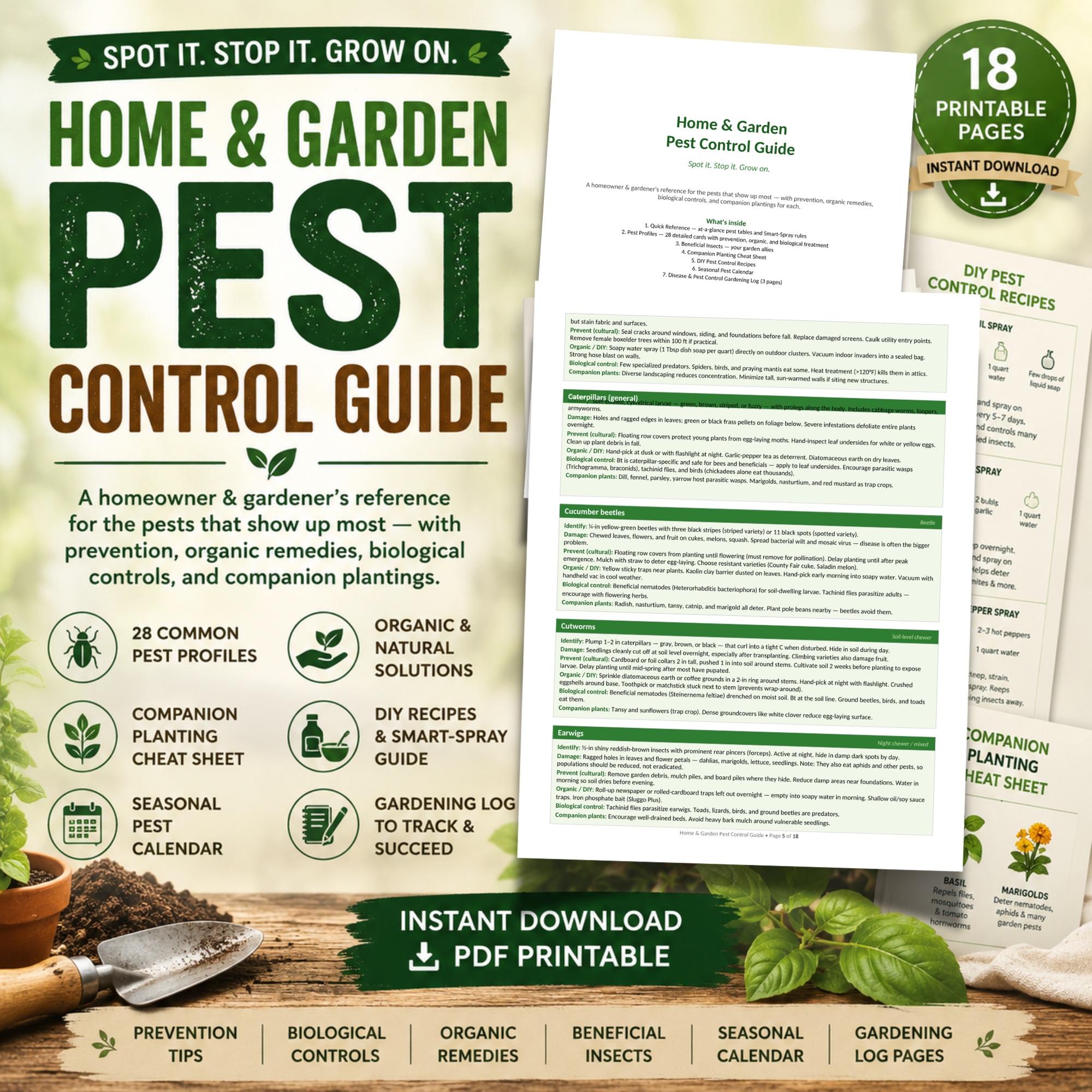
18-page quick guide and reference for gardeners dealing with pests that show up the most. From prevention strategies to treatment and remedies, this is the perfect printable for your garden.
2. Fix Neglected Pools and Hot Tubs

Even if your pool looks clean, there are still many places where mosquitoes can lay eggs, like the water that collects on covers, pool toys, or along the edges. Hot tubs that aren’t in use are even worse because they’re warm, still, and perfect for breeding.
To prevent this, run your pool filter daily and treat the water with chlorine or bromine. If you’re not using your hot tub, drain it completely and scrub the cover once a week.
3. Trim Overgrown Grass and Weeds

If your yard is overrun with tall grasses, dense shrubs, and untrimmed plants, you’re essentially giving mosquitoes a lot of cover to rest during the day and procreate. Mow your lawn regularly, prune thick shrubs, and thin out groundcover to let in air and sunlight. The fewer plant covers you have for them to hide, the fewer the mosquitoes.
4. Clear Shady, Damp Areas

Covered decks, patios under trees, and umbrellas create the kind of humid, still environments mosquitoes love to hover in, especially in the evenings. If you have one of these in your yard, set up outdoor fans. Moving air, even if it’s just a gentle breeze from a box or ceiling fan, makes it hard for mosquitoes to fly or land nearby.
5. Rethink Outdoor Lighting

Certain bright lights, especially those with a cool tone or high UV intensity, can attract mosquitoes, drawing them straight to your patio. Replace those bulbs with yellow “bug lights” or use LED lights with warmer tones that are less attractive to pests. You can also install motion‑sensored lighting that only activates when needed.
6. Repair Leaky Hoses and Faucets

If you have a leaky tap or hose, it can quickly become a catalyst for a mosquito invasion. That small drip, although harmless at first, can build up to form damp puddles that become breeding spots for mosquitoes. Fix all leaks right away. Even better, instead of hoses, you can use a drip irrigation system with timers to control the water flow and prevent puddles from forming due to overwatering.
7. Uncovered Trash or Recycling Bins

Those empty cans, containers, and lids sitting in or near your bins (especially if they’re open) are a haven for mosquitoes. Once rain falls, they quickly collect water that becomes a breeding ground.
Always use trash can lids, and rinse the bins occasionally. Store recyclables under a shelter if possible, or ensure containers are dry before disposing of them.
8. Mosquito-Attracting Plants

Some plants attract mosquitoes because they retain moisture and provide a cozy spot for them to hide in. Examples include water
9. Low Spots and Poor Drainage

Some areas in your yard may remain soggy long after it rains, especially in shaded or low-lying spots, and that standing water can quickly attract mosquitoes. If you’re dealing with constant mosquito problems, it’s worth investigating.
Regrade those areas so that water drains away from your house, or fill them with gravel or well-draining soil to help it soak in more quickly. For persistent trouble spots, consider installing a French drain or soakaway pit to more effectively move water out.
10. Standing Water in Garden Features

Mosquitoes only need a few days of still water to lay eggs. Like pools, fountains, birdbaths, and ponds in the garden can become a problem fast if the water isn’t moving. Run the pump daily and ensure your filters remain in place to make the area inhospitable for mosquitoes.
For ponds, you can add fish that feed on mosquito larvae, like gambusia, guppies, or minnows, or drop in mosquito control tablets labeled safe for wildlife.
11. Clogged Rain Gutters

Clogged gutters hold water for weeks, which is enough time for mosquito larvae to hatch and continue their lifecycle. Clean your gutters at least twice a year. Also, consider installing gutter guards to reduce leaves and debris buildup between each cleaning.
12. Poorly Maintained Compost Bins
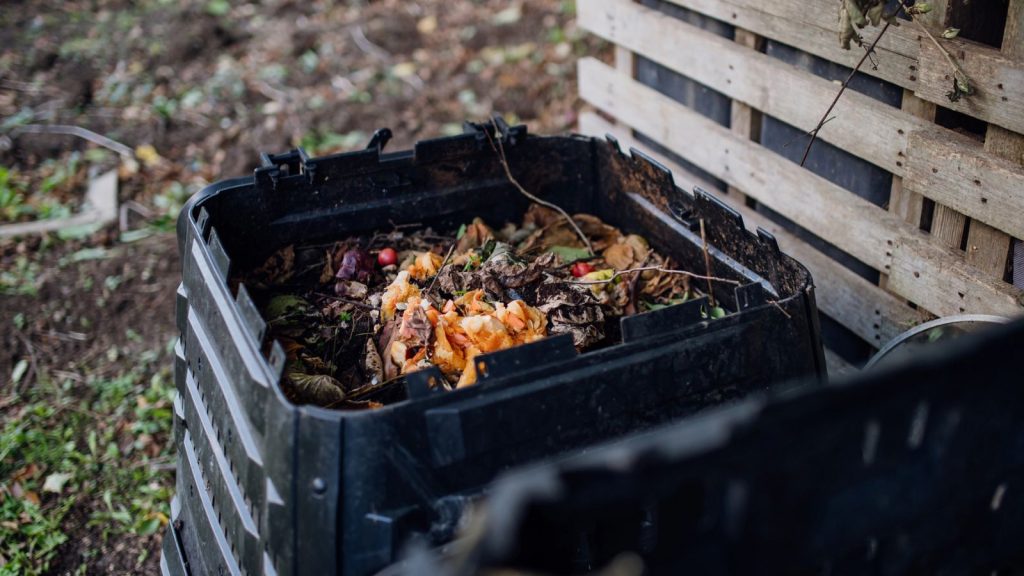
Mosquitoes don’t just breed in water; compost heaps provide all the things they like: decomposing organic matter, dampness, and warmth. Turn the compost regularly, keep the bins covered, and limit the amount of wet waste (such as melon rinds or fruit peels) you add at once.
Related: How to Improve Garden Soil Without a Compost Pile
13. Frequent Outdoor Grilling or Cooking

The aromas from the food and the carbon dioxide released from burning fossil fuels while cooking outdoors can attract mosquitoes. Toss a bundle of rosemary or sage onto the fire; it adds extra flavor and helps repel insects. You should also position grills downwind, keep food covered, and clean up any spills or crumbs quickly.
14. Wildlife Activity in the Yard

Birds, frogs, rodents, and even outdoor pets can attract mosquitoes looking for a warm body with blood to feast on. Mosquitoes also often lay eggs in damp nesting areas.
Limit the number of outdoor feeding stations you have and clean up fallen food and scraps before they attract even more animals. Also, fence garden beds to deter unwanted wildlife, inspect for nests under eaves or in trees, and discourage nesting near your home.
15. Strong Scents and Fragrances

If you use strong scents like floral perfumes, fruity body sprays, or heavily scented candles, you might be drawing mosquitoes without realizing it. Avoid layering fragrances before heading outdoors, and if you need to spray your space, choose unscented bug repellents or natural options made with citronella or eucalyptus.
16. Mosquito Breeding on Neighboring Properties
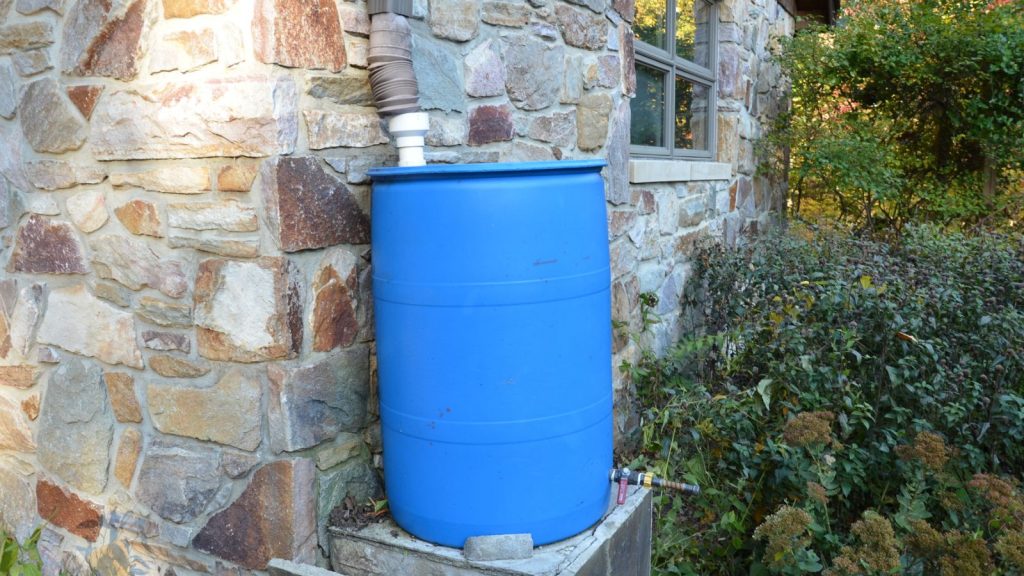
You might be doing everything right in your own yard, but if your neighbors aren’t, mosquitoes will still find their way over. They don’t care about fences or property lines. If there’s standing water or overgrowth nearby, it becomes everyone’s problem. Talk to your neighbors about organizing a joint cleanup or coordinated mosquito control plan.
17. Lack of Natural Predators
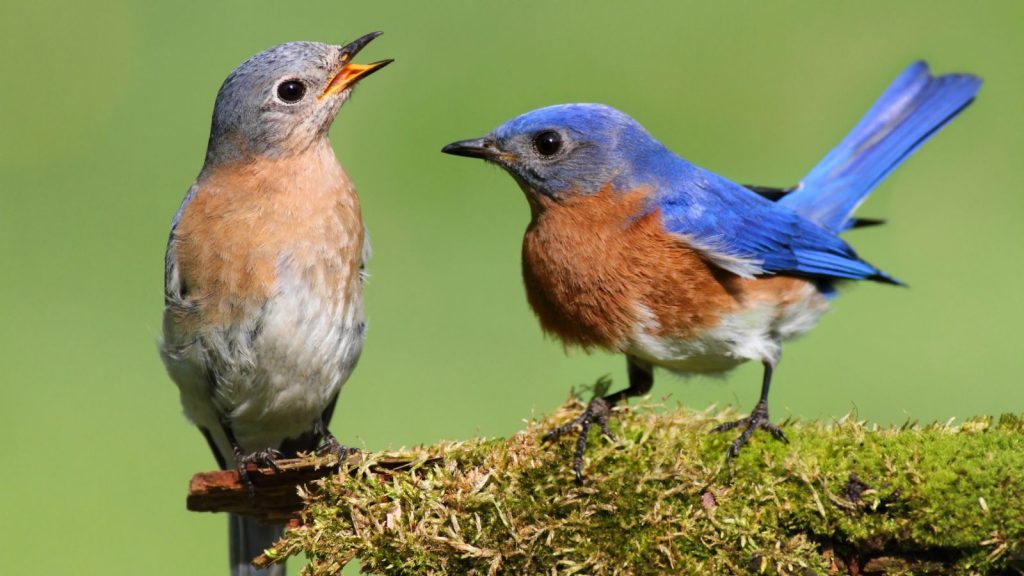
If your garden lacks birds, dragonflies, or bats, you’re missing out on free, natural pest control. Most of these animals naturally feed on mosquitoes, so having them around will be a bonus for you. Add birdhouses, a small pond, or pollinator plants to attract insect-eaters. Even bat boxes can help reduce the number of nighttime mosquitoes.
How to Get Rid of Squash Bugs for Good
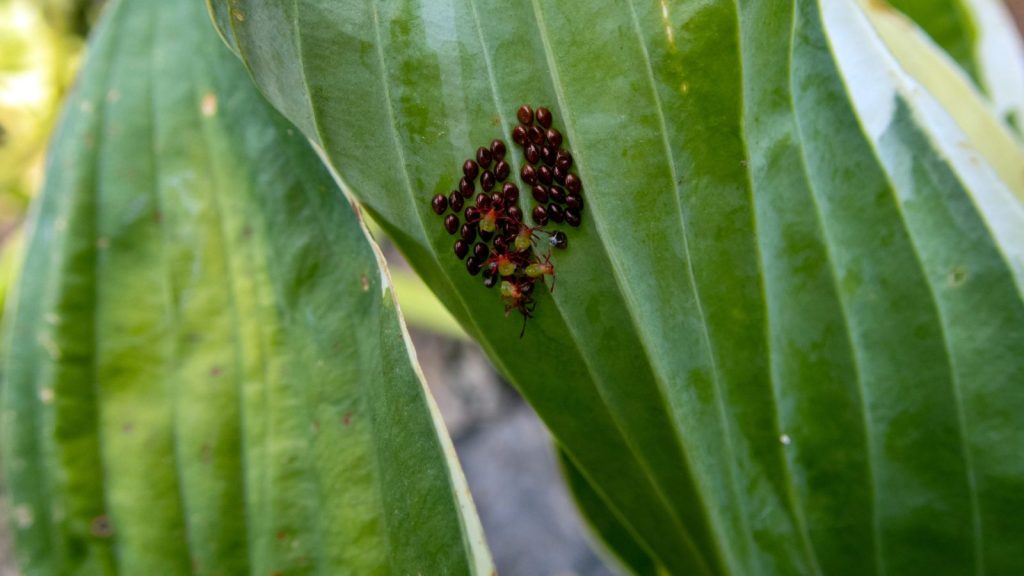
Let’s talk about ways you can identify squash bugs at every stage of their life cycle, recognize the damage they leave behind, and explore effective, natural methods to control and eliminate them for good!
How to Get Rid of Squash Bugs for Good
Plants to Grow Now for a Mosquito-Free Summer
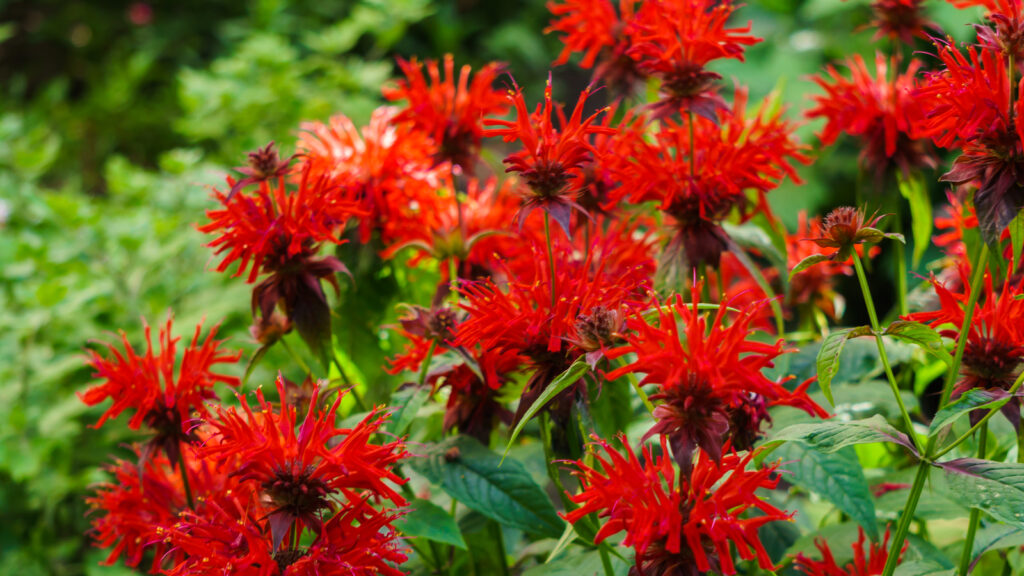
Here are some of the best plants that you can grow in your yard to help keep the mosquitoes at bay.