Planting a flower garden comes with plenty of rewards. It brightens up your yard, provides fresh blooms for vases, and gives pollinators like butterflies and bees a reason to visit.
But one perk you might not expect? Some flowers are just as tasty as they are beautiful. Edible flowers bring a splash of color to your garden—and to your kitchen. Whether you’re dressing up a salad, flavoring a drink, or decorating a dessert, these blooms do double duty.
Here are 15 edible flowers that will turn heads in the garden and impress at the table.
Lavender (Lavandula angustifolia)

Lavender is best known for its soothing scent. The soft purple blooms have a sweet, slightly herbaceous flavor with floral notes that pair beautifully with both sweet and savory recipes.
From drinks, sugar to baked goods,
Echinacea (Echinacea purpurea)
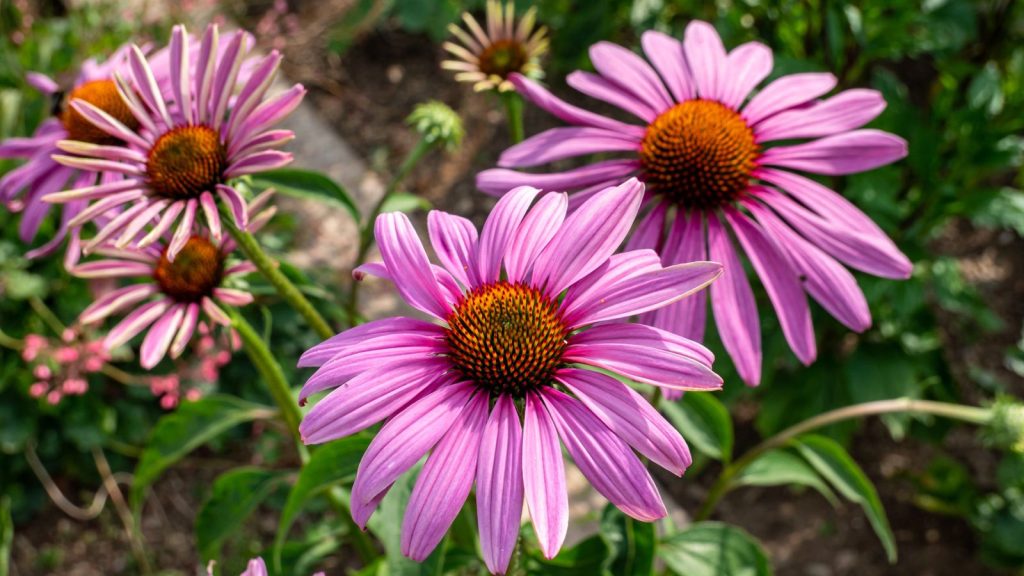
Echinacea’s
Plant
Nasturtium (Tropaeolum majus)
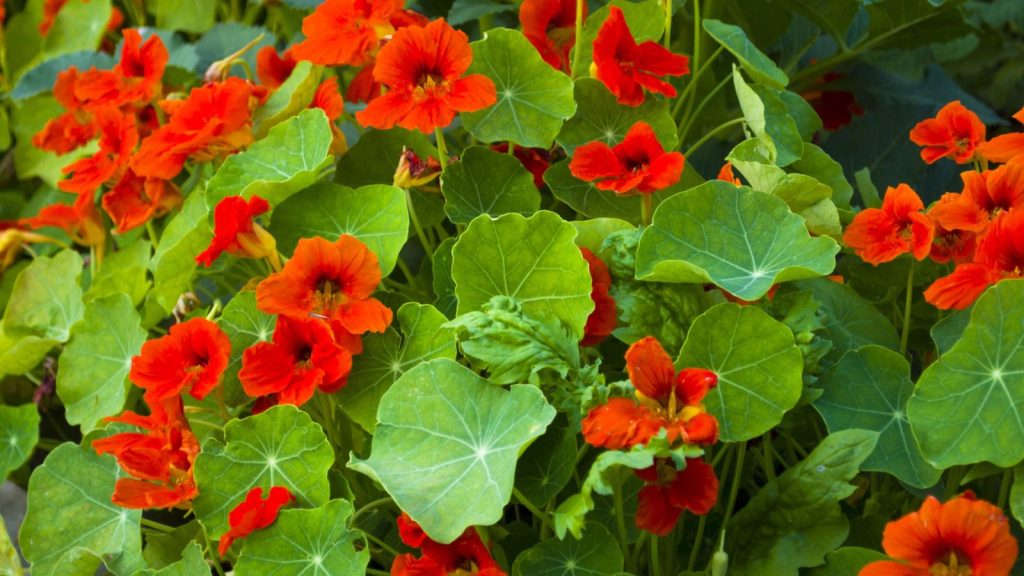
Nasturtiums are vibrant and easy-to-grow flowers that offer much more than good looks. Their rounded leaves and brightly colored flowers are edible, with a flavor reminiscent of peppery
They’re an eye-catching addition to garden beds and edible landscapes, thriving in sunny spots and poor soil.
Toss the blossoms into salads, use them to garnish deviled eggs, or even stuff the larger leaves for a floral twist on wraps. The flavor intensifies with sun exposure, giving these cheerful blooms an extra kick in summer.
Calendula (Calendula officinalis)

Calendula is a bright and cheerful plant that enhances any garden. Plant it in early spring to enjoy its vibrant flowers from late spring until early summer.
Calendula flowers and petals can be used in cooking. While the leaves are edible, they tend to be bitter and are commonly added to salads for an extra bite.
Calendulas are easy to grow in well-drained soil and thrive in gentle sunlight. They also help control pests and deter deer and rabbits, making them beneficial for protecting vegetable gardens.
Rose (Rosa spp.)
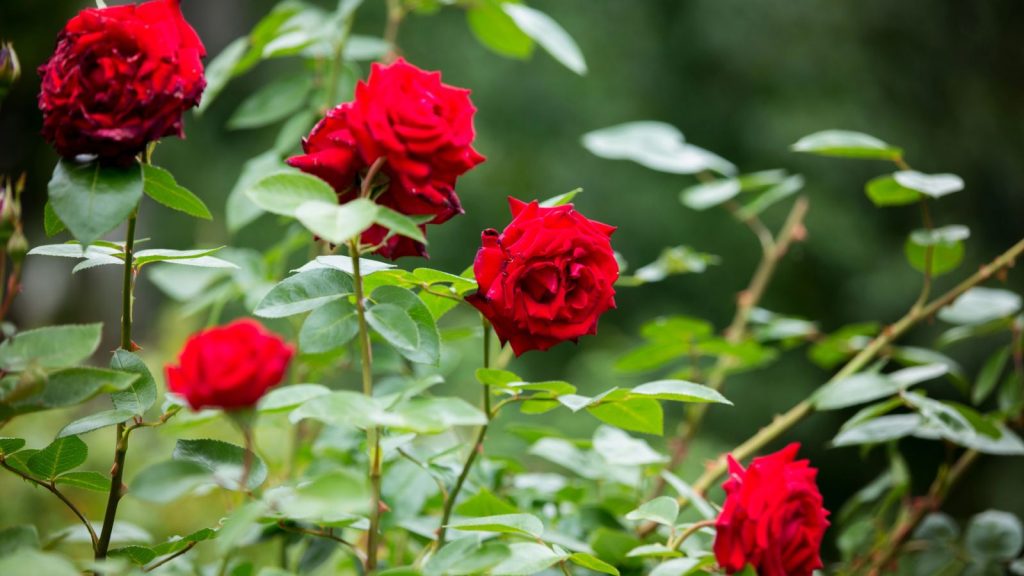
Roses are a classic feature in many stunning gardens and bouquets. Every variety of rose is edible, with the most fragrant ones typically offering the best flavor.
If you plan to eat roses, ensure they are completely pesticide-free. To add a unique touch, you can incorporate rose petals into cakes, cookies, and salads.
Hibiscus (Hibiscus sabdariffa)

With their large, conspicuous, trumpet-shaped flowers, hibiscus can resemble tropical roses. The blooms can be single or double and come in various colors, including white, pink, red, and yellow.
Hibiscus plants love sun and heat and thrive in garden beds and containers as long as they are well watered and protected from winter’s cold. The entire plant is edible and can be enjoyed in refreshing drinks or teas.
Bee Balm (Monarda didyma)

Bee Balm adds bright color to borders and attracts hummingbirds and beneficial insects. It is best in full sun to partial shade in rich, well-drained soil. Water regularly and manage pests like mildew and insects.
Chamomile (Matricaria chamomilla)

Chamomile enjoys full sun but can tolerate light shade. It prefers well-drained soil and is drought-tolerant once established. It’s generally easy to grow from seed and can self-seed prolifically.
Chamomile tea, with its gentle, apple-like flavor, is famous for its ability to induce calmness and improve sleep. It’s also gentle on the stomach, making it a great after-meal drink.
Daylily (Hemerocallis spp.)

Daylilies are versatile and hardy. With their variety of colors and sizes, they are suitable for any border and also work well in larger plantings. They prefer slightly acidic, well-drained soil. Water regularly, especially in dry periods, and deadhead spent flowers.
Chives (Allium schoenoprasum)

Chives are one of the few perennial vegetables that can thrive in nearly all kinds of soil and weather conditions. These hardy plants are known for their slender, grass-like leaves and delicate onion-like flavor. They are a perfect addition to creamy potato dishes, providing a subtle and fresh onion taste.
Additionally, the purple flowerheads of chives can add a vibrant touch to any garden space, attract pollinators, and bring beauty and color to your outdoor area.
Pansy (Viola tricolor var. hortensis)

Pansies are vibrant, fast-growing flowers perfect for containers or garden beds. Their bright and bi-colored flowers are attractive and edible. Pansies are favored in culinary uses, appearing both fresh in salads and candied in desserts.
They grow best in locations that receive full morning sunlight but are protected from harsh afternoon heat. Plant pansies in well-drained, fertile soil rich in organic matter to promote plentiful blooms.
Viola (Viola spp.)

Similar to pansies, violas are edible (but often appear smaller). They are quite mild in flavor and beautiful for garnishes and desserts.
Dandelion (Taraxacum officinale)

The dandelion is a resilient plant that thrives in various environments. Often dismissed as a common weed, dandelions actually offer many benefits. They can be consumed or used in natural remedies.
Every part of the dandelion, from the yellow flower to the roots, is edible. The green leaves can be a nutritious addition to salads, teas, and other dishes.
Salvia (Salvia officinalis)

Salvia adds vertical interest to borders and attracts pollinators, such as bees and butterflies, with its vibrant blooms. Requires full sun and well-draining soil. Water moderately, ensuring mature plants do not remain soaked, and deadhead to promote continuous blooms.
Begonia (Begonia spp.)

Hardy Begonia features beautiful, heart-shaped leaves and delicate flowers. It’s a resilient choice for adding a splash of color to the shaded parts of the garden. This plant does best in partial to heavy shade in rich, moist, well-drained soil. Zones 6-9