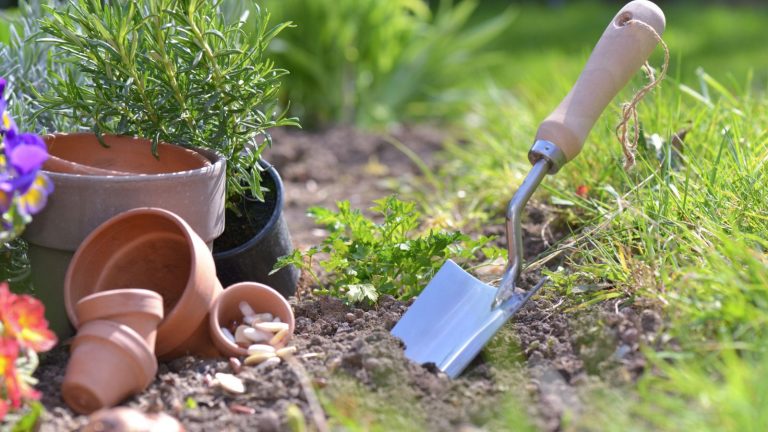

Deadheading a flower head is a form of grooming that requires you to cut off dull and spent flower heads. It’s a safe practice that encourages plants to produce new flowers rather than expending resources on seed production. Here are 15 colorful flowers that bloom intensely even after you deadhead them.
1. Butterfly Bush
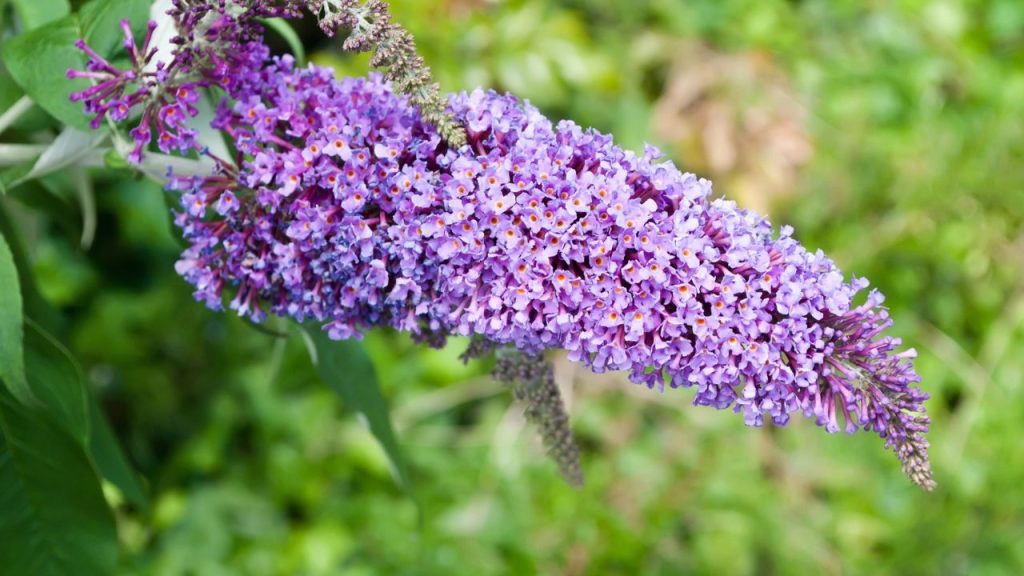
Butterfly bush or Buddleja is a deciduous shrub with fragrant flowers. They are often trumpet-shaped and bloom during midsummer. However, its flowers need to be deadheaded to encourage more flowering.
Cutting back flowers allows the butterfly bush to focus on sprouting fresh and healthier blooms. It also helps to prevent seeds from setting in other areas and spreading invasively.
2. Petunias

Petunias are summer favorites because they bloom hard and fast. But without deadheading, they tend to get leggy and their flowering slows down. Cut off spent flowers (along with a bit of the stem) to keep them compact and productive. They love full sun, regular watering, and benefit from a little fertilizer every couple of weeks.
3. Tickseed
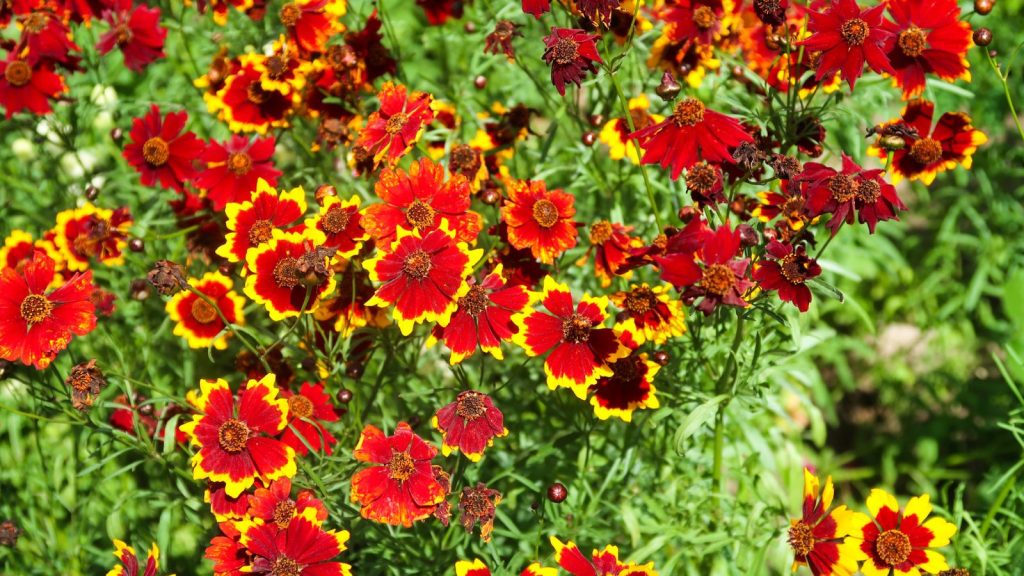
As the name suggests, tickseed is an annual plant that produces a lot of ticklike seeds. Regular deadheading helps the plant focus more on flower production all summer instead of maintaining those seeds. It’s a low maintenance plant that produces bright daisy-like flowers in shades of red, pink, and yellow.
4. Cosmos
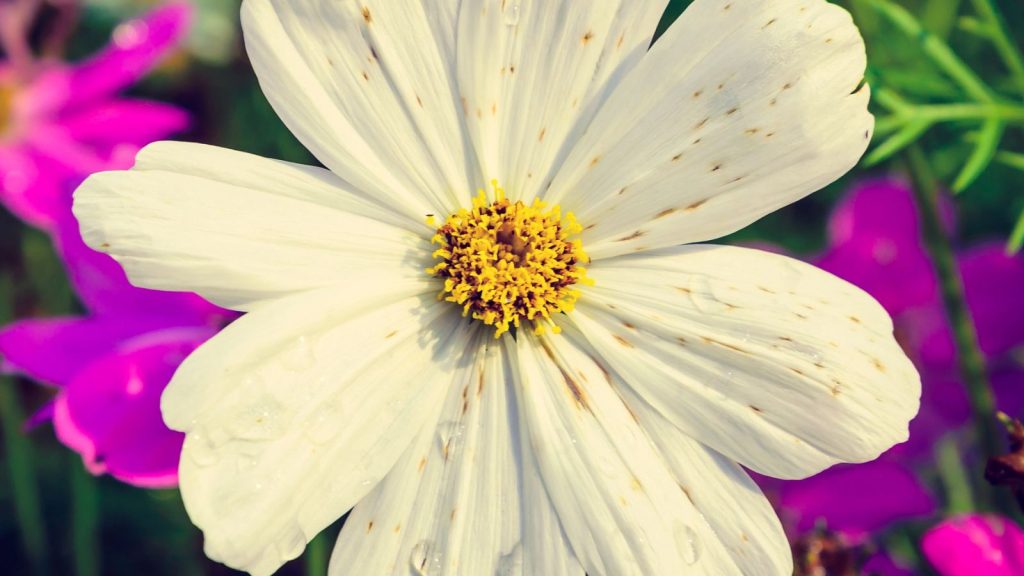
Cosmos requires regular deadheading for the flowers to grow bigger and healthier. In addition, adopting this practice prevents your plant from self-seeding and showing up in unwanted spaces. It’s best to cut the set of flowers once you notice them dying.
5. Snapdragon
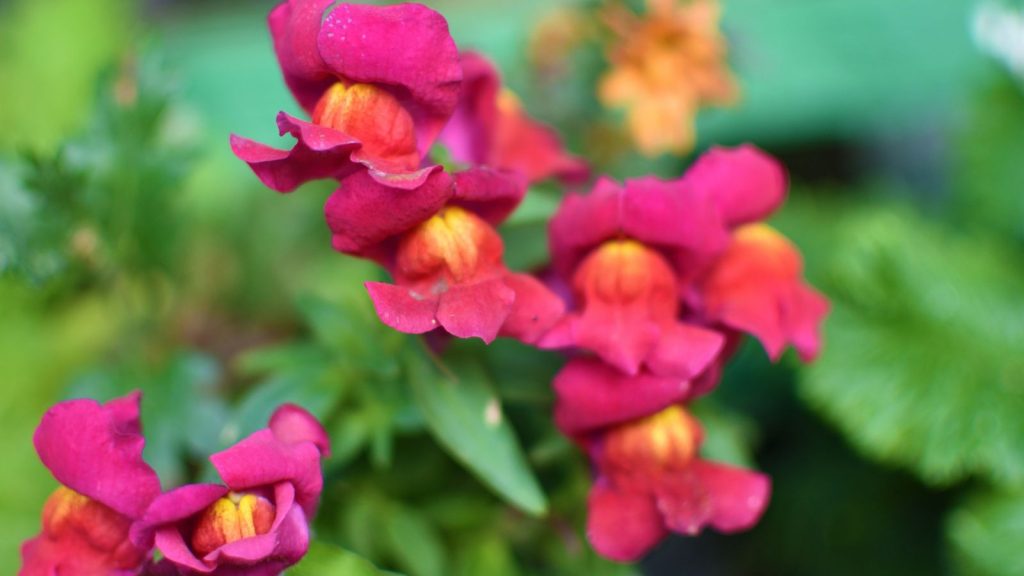
Snapdragons start blooming in cool weather but tend to fade and die quickly. Regular deadheading encourages more blooms. Plant them in rich, well-drained soil and water regularly, especially in dry spells. They may even overwinter when planted in USDA zones 7–10.
6. Rose
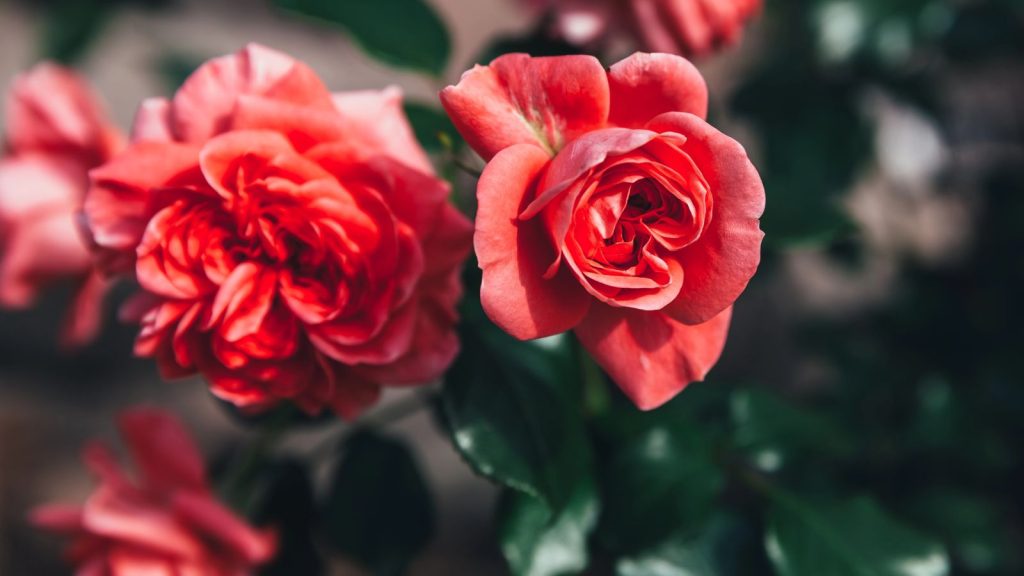
Roses are a diverse plant with several cultivated varieties that can have different structures, colors, and needs. However, deadheading is a practice that many professional gardeners encourage. Apart from improving blooms, deadheading also helps to reduce fungal diseases caused by dead or decaying flowers.
7. Camellia
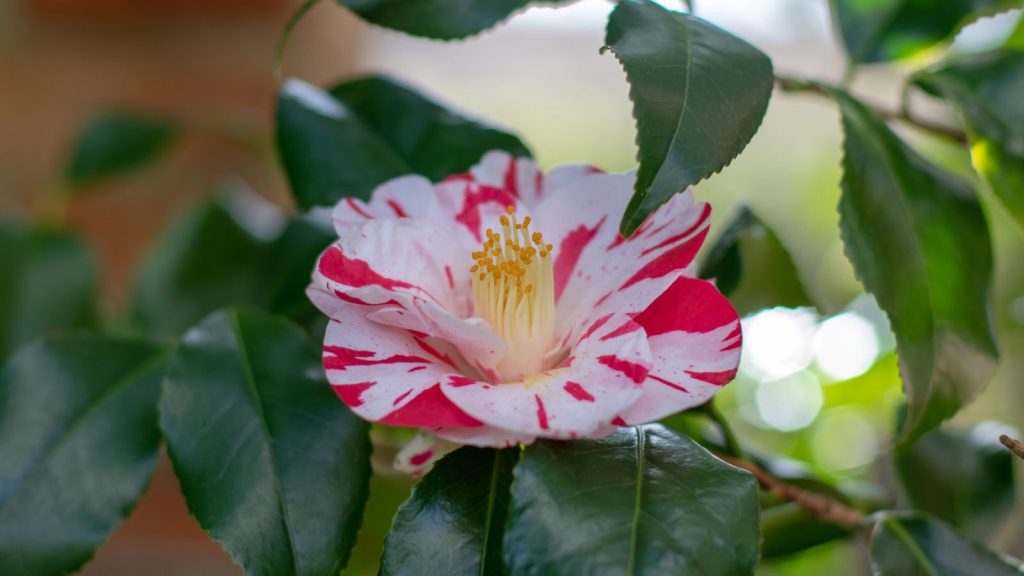
Camellias come in a variety of shapes and colors. The size can differ too but they are mostly dainty and fragrant. Although they don’t technically need it, proper deadheading helps to keep the blooms fresh and healthy.
This practice is one of the few ways to safely remove petals with blight and other fungal diseases, thereby controlling their spread.
8. Marigold

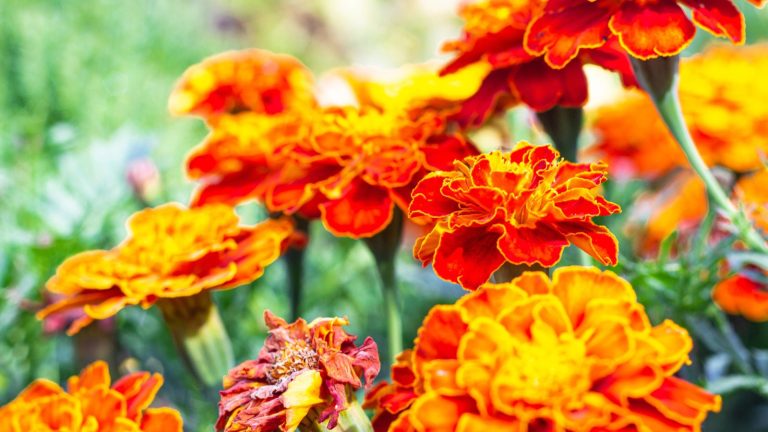
Marigolds need frequent deadheading during the blooming season. Don’t wait until the petals begin to wilt before removing them. You can use a pair of scissors,
After that, you’ll need to properly dispose of the trimmings to prevent fungal disease from happening.
9. Peony
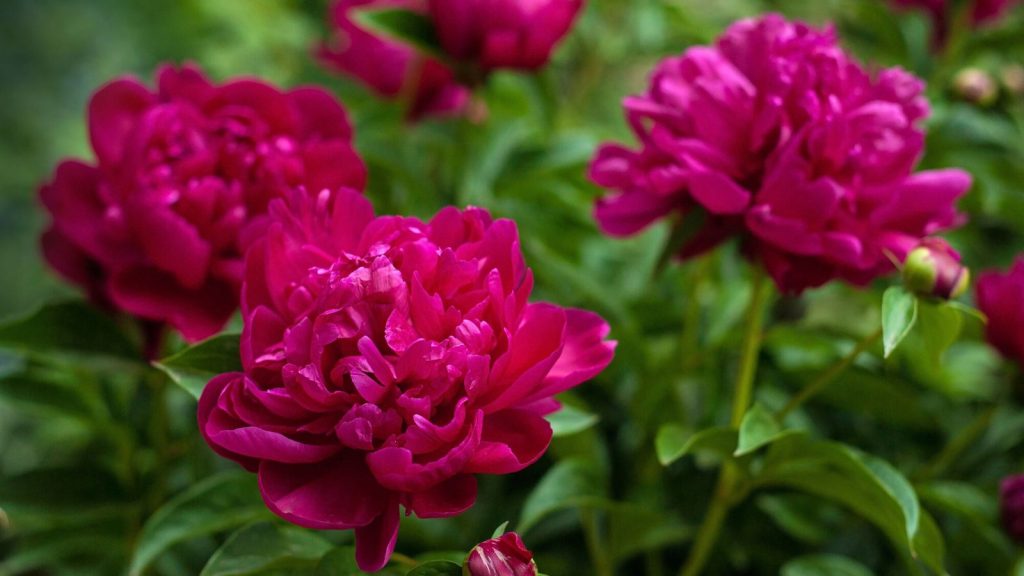
Peonies are attractive plants with large, fragrant, bowl-shaped flowers and large green glossy leaves. They bloom once a year in spring or early summer, so deadheading doesn’t do much to improve their blooms.
However, removing the faded blooms helps redirect energy into storing up strength for next year’s growth. Snip just below the spent flower, but leave the foliage alone to continue feeding the roots.
10. Canna Lily
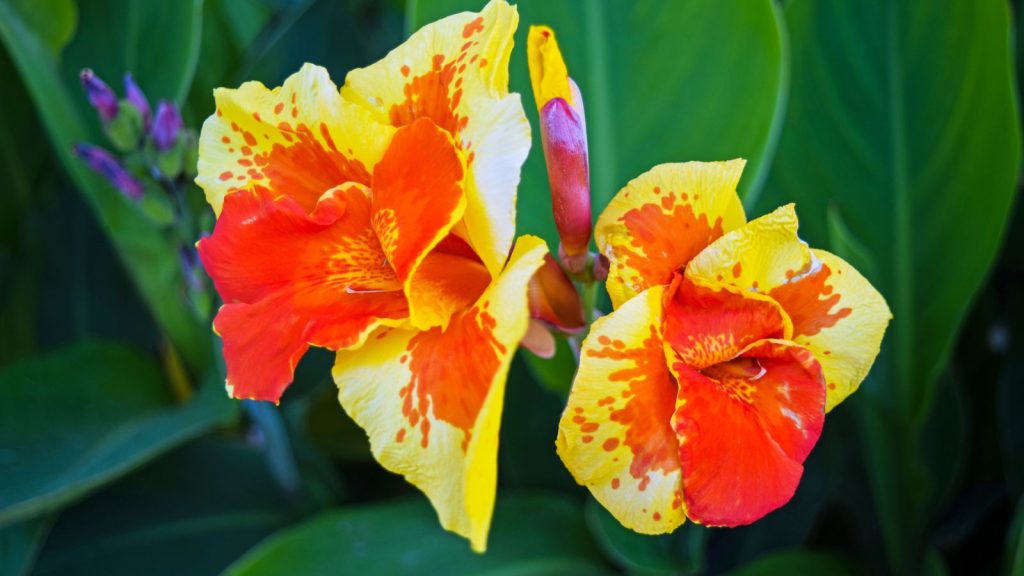
Canna lily is a vibrant perennial beneficial in almost every garden type. They can be grown in containers or along borders. Deadheading individual flowers is crucial for better growth, regardless of how you grow them.
Once the flowers begin to fade, cut them from the stem with a pair of scissors or
11. Sunflowers
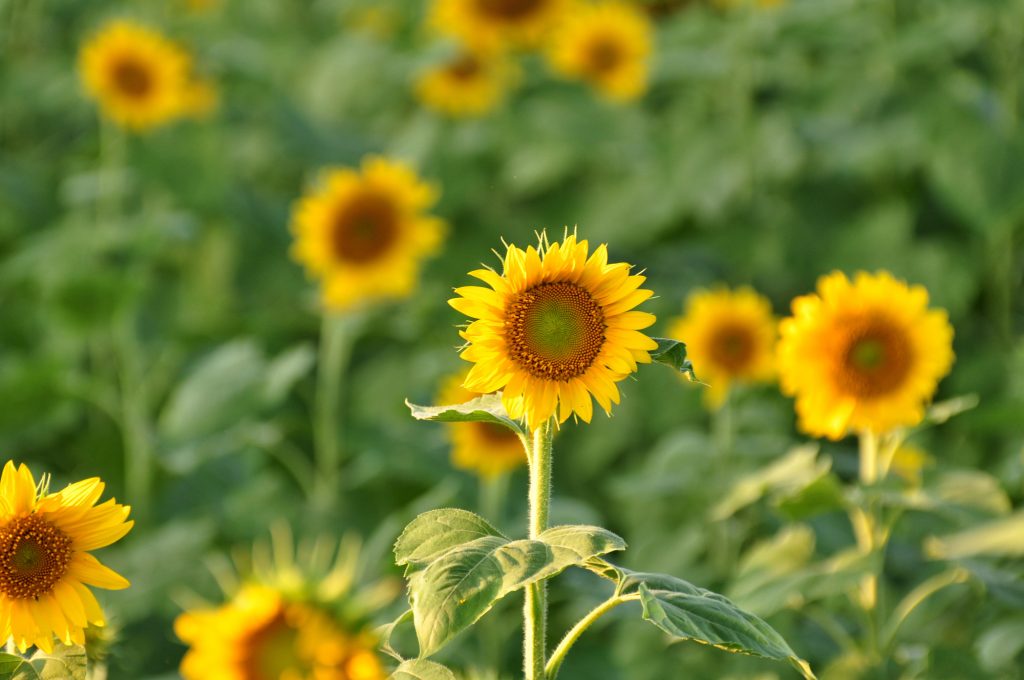
Sunflowers need to be looked after to maintain a tidy appearance. While classic
Removing spent flowers signals the plant to focus its energy on producing more flowers instead of seed production, leading to a more extended blooming period. The best time to deadhead
12. Daisies

Daisies are easily recognized by their yellow centers and surrounding beautiful white petals, known as ray florets. Deadheading will keep your daisy patch looking clean and extend the bloom period. The best time to remove the dead flowers is during the blooming season (around summer and spring). Don’t forget to remove yellow and wilting leaves from the stem as well.
13. Impatiens

Impatiens is a compact, shade-loving annual. They are usually showy and produce blooms in orange, pink, red, or white colors. Although impatiens will bloom for a long time, you need to trim spent flowers to maintain vigor and health. Some modern varieties are self-cleaning, but it never hurts to give them a little grooming.
14. Mums

Mums, also called chrysanthemums, are dense annuals that are famous for their fall flowers. They can also be grown as shrubs or perennials. Deadheading can extend the season or even encourage reblooming in some types.
Once the flowers begin to fade, trim them just above the next leaf. Mums love full sun, and cutting them back mid-season (before buds appear) can help produce bushier plants.
Instead of Mums, You Should Grow These Gorgeous Fall Plants
15. Phlox

Garden phlox produces beautiful clusters of flowers that respond well to deadheading. Once a cluster fades, cut the stem back to a healthy set of leaves to encourage more flowering. Deadheading also helps to prevent the spread of powdery mildew in the fall. Ensure you throw away the wilted plants after cutting them.
21 Cheap Perennials to Grow That Will Make Your Garden Pop

You can fill your space with lush, eye-catching blooms with the right selection without overspending. Here are 21 affordable perennials bringing long-lasting beauty without stretching your wallet this year.
21 Cheap Perennials to Grow That Will Make Your Garden Pop
20 Flowering Shrubs That Will Make Your Garden Look Like a Work of Art
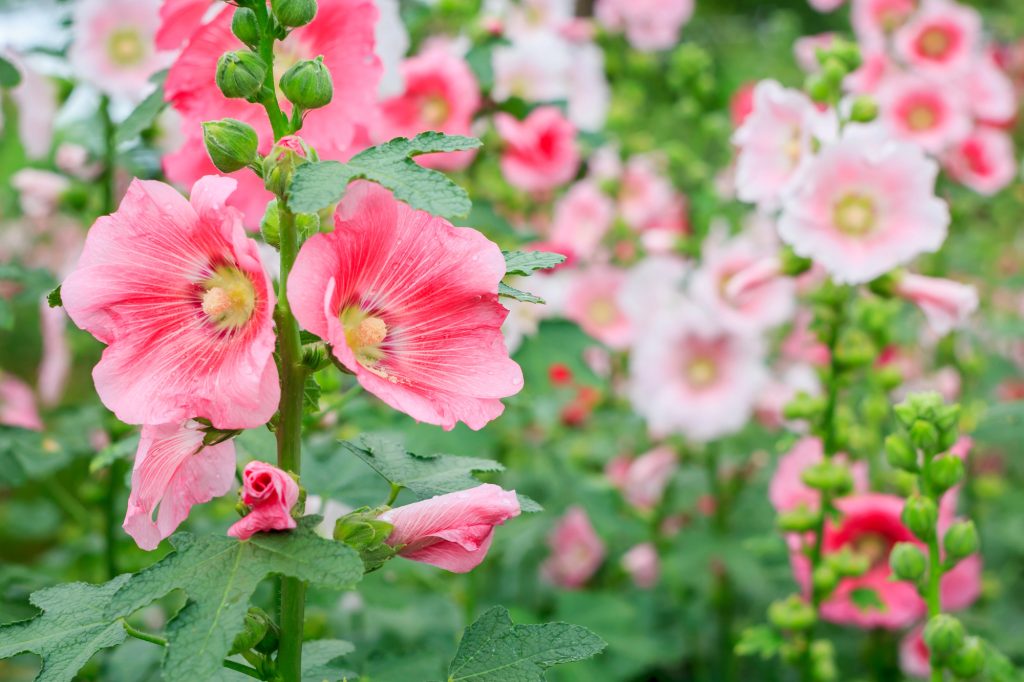
If you’re looking to bring a gorgeous touch to your landscape, here are 20 flowering shrubs that will make your garden look like a work of art.
20 Flowering Shrubs That Will Make Your Garden Look Like a Work of Art
14 Native Flowers That Thrive in Dense Clay Soil
Whether you’re aiming for bursts of color, pollinator-friendly blooms, or hardy perennials that return year after year, these native plants will transform your clay-heavy garden into a thriving, beautiful space.