Tomato plants are highly sensitive to changes, and almost anything can cause their leaves to curl. In fact, that’s usually an early warning sign that something’s off about the plant’s condition. If you act fast and introduce the right measures, you can reverse the curling symptoms.
However, if you’ve been battling this issue for a while and find it stressful to trace the root of the leaf curl, then this might just be your lucky day. Here’s a list of common reasons why tomato leaves curl up, as well as immediate remedies that can be applied to prevent or control them. Go through the list and tick off the one that appears to be the most likely culprit.
1. Environmental stress

Tomato leaves curl as a natural defense when plants experience sudden changes. Some of these changes include a heatwave, transplant, or temperature drop.
If you recently moved your plants or the weather has been unpredictable, curl is often just the plant’s way of buying time to adjust. Sometimes, all you need to overturn the curl is a consistent watering routine and, if needed, some temporary shade.
2. Excessive heat
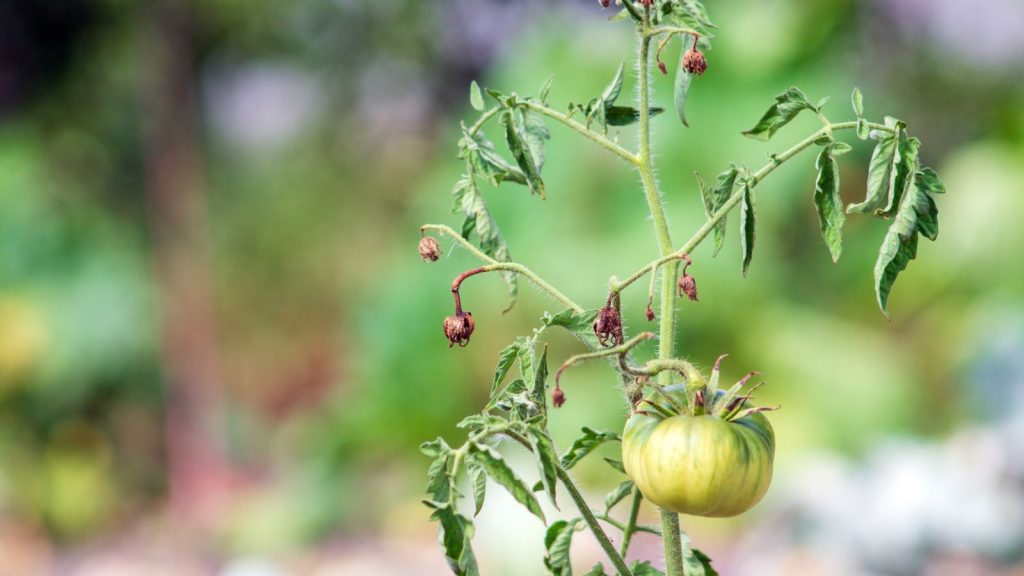
When temperatures rise above 90–95°F, tomato leaves respond by curling upward. It’s their survival strategy to conserve moisture. As temperatures drop in the evening or through natural weather shifts, the leaves will uncurl normally.
The key is to keep the soil evenly moist during heat waves, and don’t panic because the curl should ease off when conditions improve.
3. Underwatering

When soil dries out, tomato plants respond by curling leaves inward to reduce the exposed surface area and prevent water loss. If your soil feels dry to the touch below an inch, your plant is likely stressed due to insufficient water.
Water your tomato plants deeply, not just a quick splash. Mulching can also help retain moisture and reduce the chances of leaf curl due to drought.
4. Overwatering
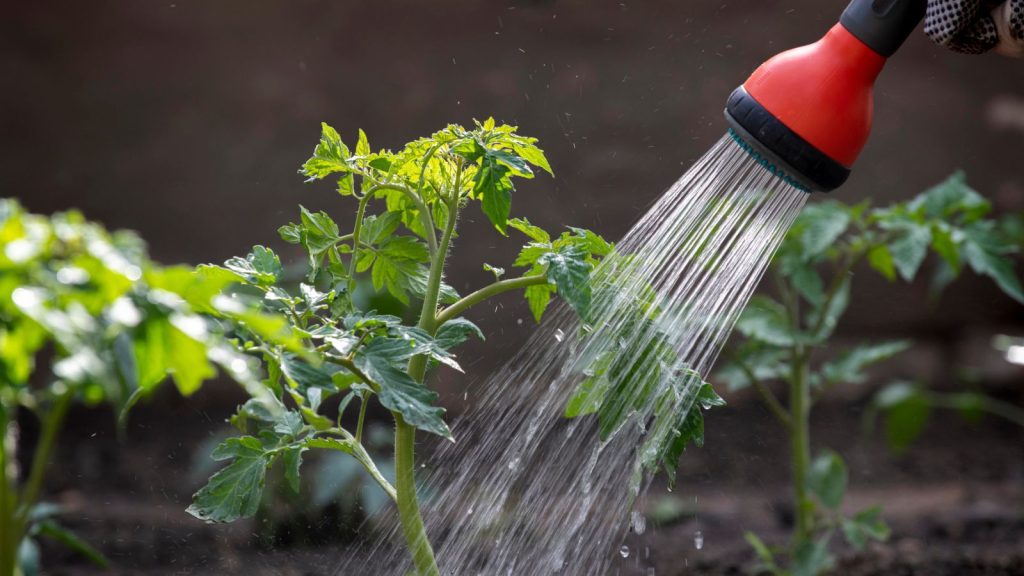
On the other hand, a tomato plant suffering from overwatering can also mimic drought conditions. Exposure to too much water can cause the roots to suffocate, and stress sets in. In response, the tomato leaves curl to conserve water, even though the soil is soaked.
To check if you’re overwatering, feel the top inch of soil. If it’s constantly wet, you’re overwatering. Switch to watering only when the top of the soil begins to dry, and opt for pots or raised beds if your garden bed has heavy clay or poor drainage.
5. Wind damage

Excessive wind can twist tomato leaves into curling shapes. Wind can dry out foliage and physically damage the plant. Installing a simple windbreak, such as a garden fence or row stakes, helps to keep the wind out while still letting in plenty of sunlight. That buffer lets leaves relax and uncurl as soon as conditions calm down.
6. Herbicide drift

So far, we’ve only mentioned environmental causes of curling, but sometimes the culprit can be chemical. Herbicides used nearby can drift onto your tomatoes, causing the leaves to twist tightly. It can also lead to distorted growth and even stunted fruit.
Unfortunately, nothing can fix the drift when it occurs, not even water. The only fix is prevention by planting your tomatoes upwind or farther away from treated fields. Also, talk to neighbors about chemical use.
7. Viral infections
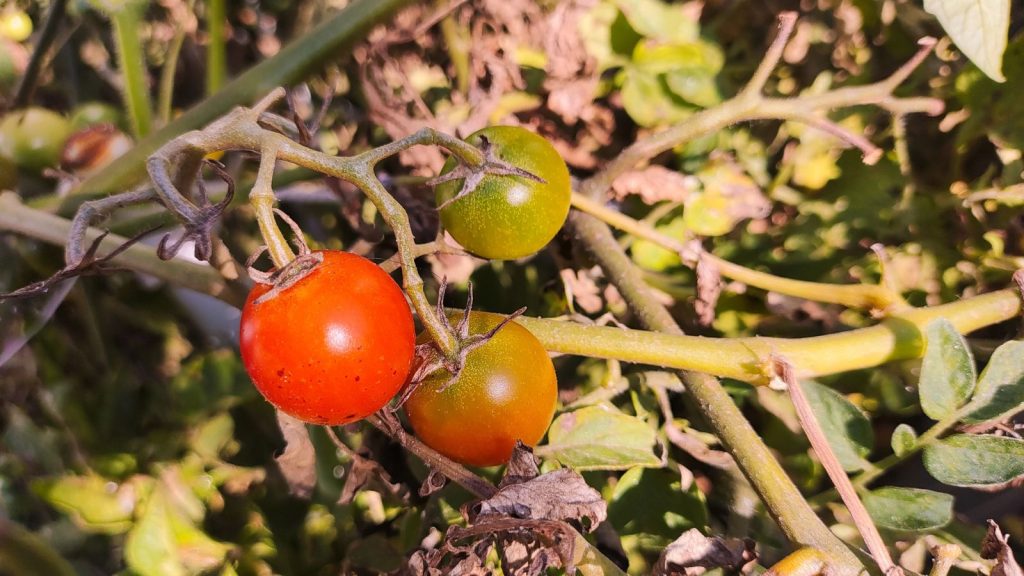
If your tomato leaves are curling, showing yellow blotches, distorted, or stunted, a virus such as the Tomato yellow leaf curl virus might be responsible.
This virus is transmitted by pests such as whiteflies and thrips. Infected plants can’t be cured. The only solution is to remove them, dispose of them carefully, and keep the garden clean to protect the remaining plants.
8. Bacterial infections
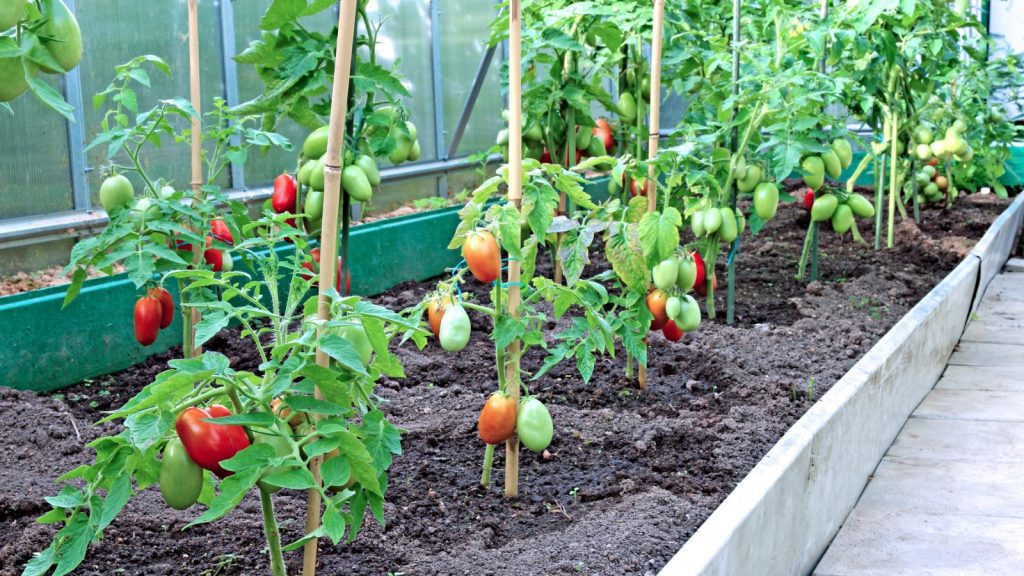
Several tomato bacterial diseases can also cause leaf curl. This condition is sometimes accompanied by dark spots or slimy growth and gets worse with poor air circulation and overhead watering.
To control this, remove any affected foliage and improve airflow around the plant. In some cases, the plant recovers, but if the infection spreads quickly, removing the plant may be the best option.
9. Pest infestation

Tiny sap-sucking insects, like aphids or whiteflies, may be the cause of curling leaves. Check the undersides of your tomato leaves for sticky residue or small bugs. You can get rid of these pests with a gentle spray of
You can also introduce natural predators that are safe for your tomatoes, like ladybugs, to help. Correcting the infestation often restores normal leaf health in a few days.
10. Excessive pruning

Too much pruning or cutting at the wrong time can stress tomato plants, causing the leaves to curl as a response. If you’ve recently thinned out the foliage, allow the plant to recover before pruning further.
Ideally, there should be a rest period of 10 to 14 days between pruning sessions. You can add compost and water the plant consistently afterwards to soften the impact of pruning.
11. Nutrient deficiencies

A lack of certain nutrients, especially calcium and magnesium, can manifest as curling edges. Use a balanced tomato fertilizer or soil amendment, or add crushed eggshells for calcium and Epsom salts for magnesium. Within a week or two, plants that are sufficiently fed usually stop curling and resume normal growth.
12. Nutrient imbalances

When the soil has too much of one nutrient, typically nitrogen, it can prevent plants from accessing other essential nutrients. This leads to distorted leaves that curl, despite appearing lush and green from the abundance of nitrogen.
Cutting back on heavy feeds and switching to a balanced mix helps restore harmony. A soil test can guide you efficiently, rather than relying on guesswork.
13. Root damage

Tomato roots do not like being disturbed. So, digging or planting anything nearby can disrupt them and lead to leaf curl. The good news is that you can easily reverse it by gently pressing the soil back down.
You also need to water the plant deeply and avoid digging around the affected plant. With time and proper care, the roots heal and leaves return to their usual form.
14. Transplant shock

Moving seedlings from pots into the garden can cause a shock reaction, including leaf curl. Make sure you water the soil thoroughly immediately after transplanting. Shade them the first few afternoons if summer heat arrives suddenly. Almost always, plants recover within about a week with proper care and attention.
15. Poor soil drainage

If walking across soggy ground is unpleasant, you can bet plant roots don’t love it either. The constant wetness from poor drainage leads to similar results as overwatering, stressing the plant and causing the leaves to curl.
Raised beds, compost, and lightweight soil mixes help enormously to improve drainage, and when it happens, the leaf curl from water stress should unroll quickly.
16. Contaminated mulch or compost

Mulch or compost carrying herbicide residue, pesticide, or even weed seeds can cause curling and stress in tomato plants. If you notice sudden leaf curl after applying new mulch, there’s a high chance that it has been contaminated. To avoid this, only use clean, well-sourced compost or homemade mulch.
Grow Juicier, Tastier Tomatoes with These 15 Companion Plants

Companion planting is an age-old gardening method that can help prevent common plant issues and boost crop yields. By using some of the best companion plants for tomatoes, your harvests will be better than ever. Here are the 15 best companion plants for your tomato garden.
Grow Juicier, Tastier Tomatoes with These 15 Companion Plants
How to Support Tomatoes: Tomato Stakes vs. Tomato Cages
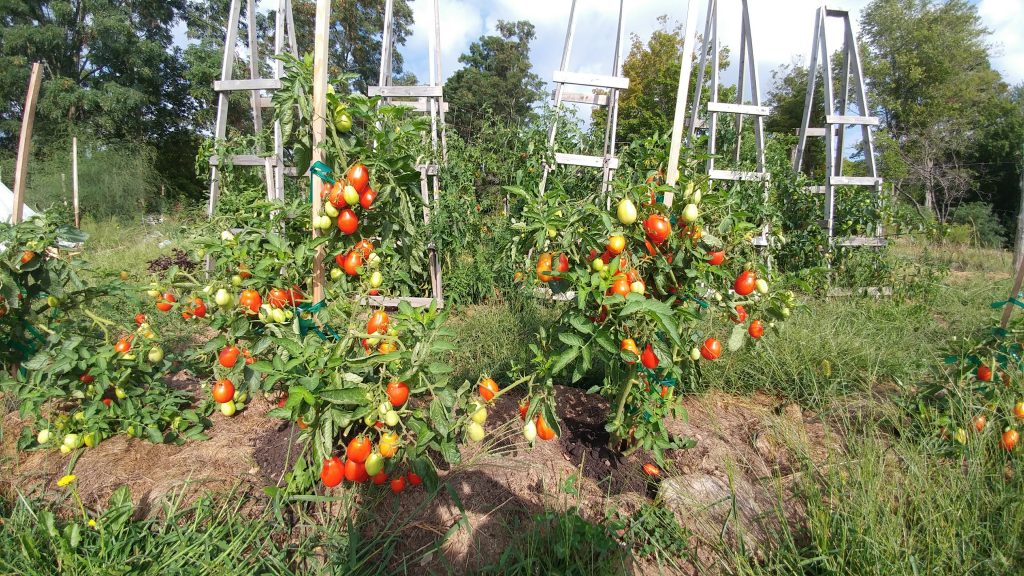
Supporting garden tomatoes with tomato stakes or cages is necessary for all but a few varieties of tomatoes. Without some form of support, your tomato plant will sprawl out over the ground. Here, we’ll share some considerations to help you make a choice that will work for your garden.
How to Support Tomatoes: Tomato Stakes vs. Tomato Cages
How to Keep Deer from Ruining Your Tomato Harvest

Though deer are nice to watch, they can cause problems in the garden, particularly when they start munching on tomatoes. To help you protect your tomato plants this season, here are 15 strategies to keep deer at bay.