Ladybugs are one of the best natural allies a gardener can have. Both the adults and their larvae are voracious predators of aphids and other garden pests, making them an essential part of a healthy, balanced ecosystem. Unlike chemical pesticides, which can harm beneficial insects, attracting ladybugs is a safe and sustainable way to keep pests in check.
While ladybugs are primarily known for their appetite for small insects, they’re also drawn to specific plants—especially those with pollen-rich blooms. Adding these plants to your garden can create a welcoming environment that keeps ladybugs around and naturally reduces pest populations. Here are 14 plants that will help attract these tiny garden defenders to your yard!
Marigold

Marigolds are a garden favorite, known for their bright, sun-loving blooms and natural pest-repelling properties. They help keep mosquitoes and other unwanted insects at bay and attract beneficial pollinators like bees, butterflies, and—most importantly—ladybugs.
Ladybugs are drawn to marigolds for their rich pollen and distinctive scent, making these flowers a powerful tool in natural pest control. By planting marigolds, you’re not just adding a pop of color to your garden—you’re creating a welcoming environment for one of nature’s best pest fighters.
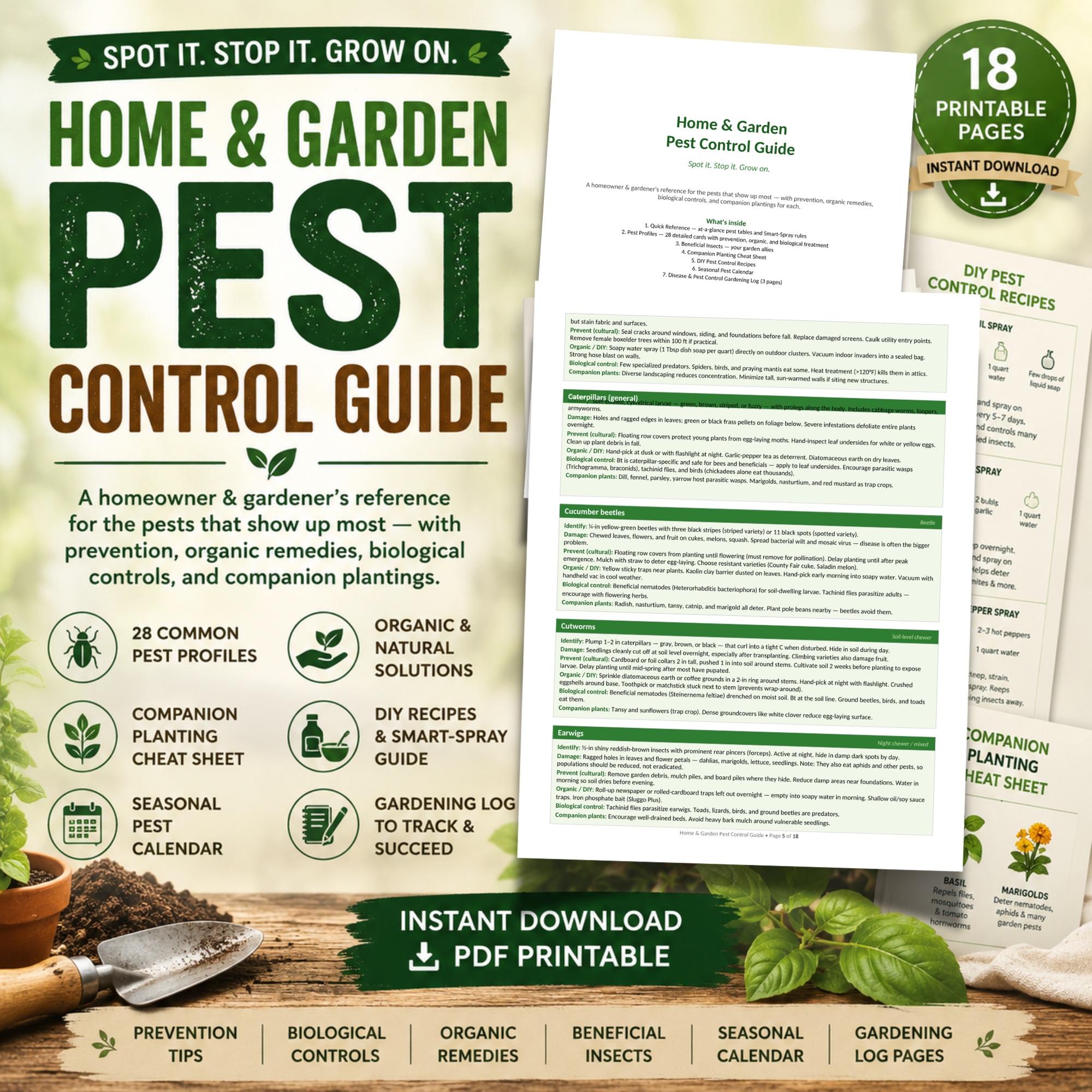
18-page quick guide and reference for gardeners dealing with pests that show up the most. From prevention strategies to treatment and remedies, this is the perfect printable for your garden.
Fennel

Fennel is more than just a flavorful herb—it’s also a magnet for ladybugs. Its delicate, umbrella-shaped flowers are packed with nectar and pollen, providing the nourishment these beneficial insects need to thrive.
By planting fennel in your garden, you’re growing a useful culinary herb and creating a natural habitat that supports ladybugs and other helpful pollinators.
Cornflower

Also known as Echinacea, cornflower is a hardy, low-maintenance plant that thrives in full sun. Its nectar-rich blooms are a magnet for ladybugs and other beneficial pollinators like bees and butterflies. Adding it to your landscape will attract helpful insects that naturally keep pests in check while enjoying its vibrant, long-lasting flowers.
Calendula

Calendula is a bright and cheerful addition to any garden—ladybugs absolutely love it! These easy-to-grow flowers provide plenty of nectar, making them a favorite landing spot for beneficial insects.
Calendula flowers are edible and often used in salads or as a garnish, but they also serve a practical purpose in the garden. Their natural pest-repelling properties help keep unwanted insects, deer, and rabbits away from vegetable plants.
Calendula readily self-seeds, ensuring a steady supply of blooms from late spring to early summer without becoming invasive. Plant them in well-drained soil with gentle sunlight, and enjoy their beauty while supporting a healthy garden ecosystem.
Milkweed
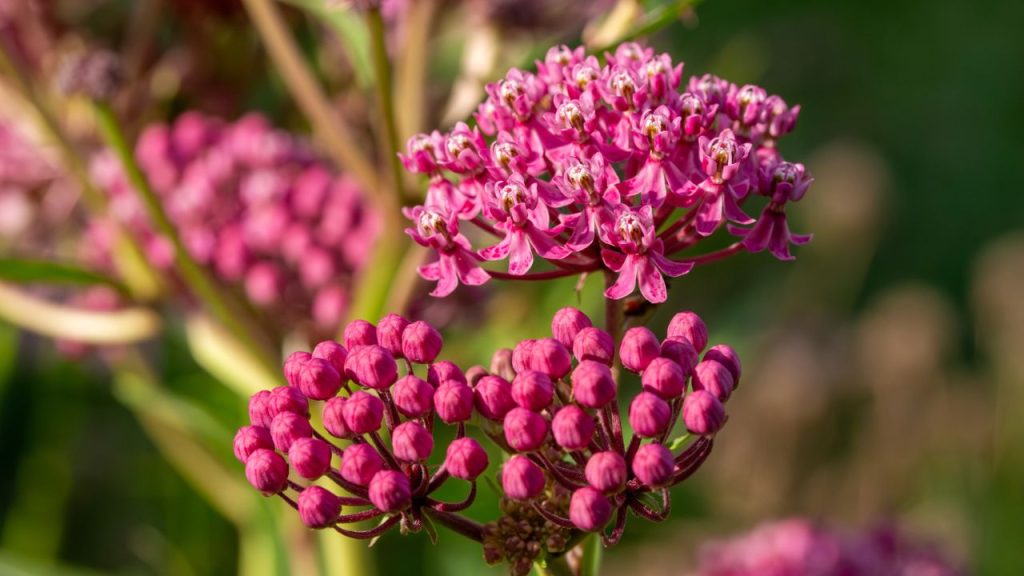
Milkweed is more than just a pollinator-friendly plant—it’s a valuable addition to both the environment and your garden. Its young shoots, pods, and flowers are edible when properly prepared, making it a useful plant for a survival garden.
Milkweed is a natural magnet for pollinators, including monarch butterflies and ladybugs. It attracts milkweed aphids, which cluster on new growth, providing an abundant food source for ladybugs and other beneficial insects.
Sweet Alyssum

Sweet alyssum is a low-growing plant that works beautifully as ground cover. It thrives as an annual in most climates, blooming from spring until the first frost, adding a delicate touch to garden beds and borders.
This resilient plant continues to flower through the hottest months when given some afternoon shade. It brightens up your space with clusters of tiny blooms and attracts beneficial insects like ladybugs, helping to naturally control pests in your garden.
Azaleas

Azaleas are a beautiful addition to the garden but are also a favorite of ladybugs. Their lush blooms and dense foliage create a welcoming habitat, attracting these beneficial insects to help keep pests under control. By planting azaleas, you’ll add vibrant color to your landscape while attracting massive amounts of ladybugs to your garden.
Borage

Borage is a hardy, self-seeding plant with edible, star-shaped blue flowers that attract both ladybugs and bees, making it a fantastic addition to any pollinator-friendly garden.
Its low-maintenance nature means it thrives in various soil conditions without much need for fertilizer. This herb prefers full sun to partial shade and is an excellent companion plant, especially for tomatoes.
Goldenrod (Solidago spp.)
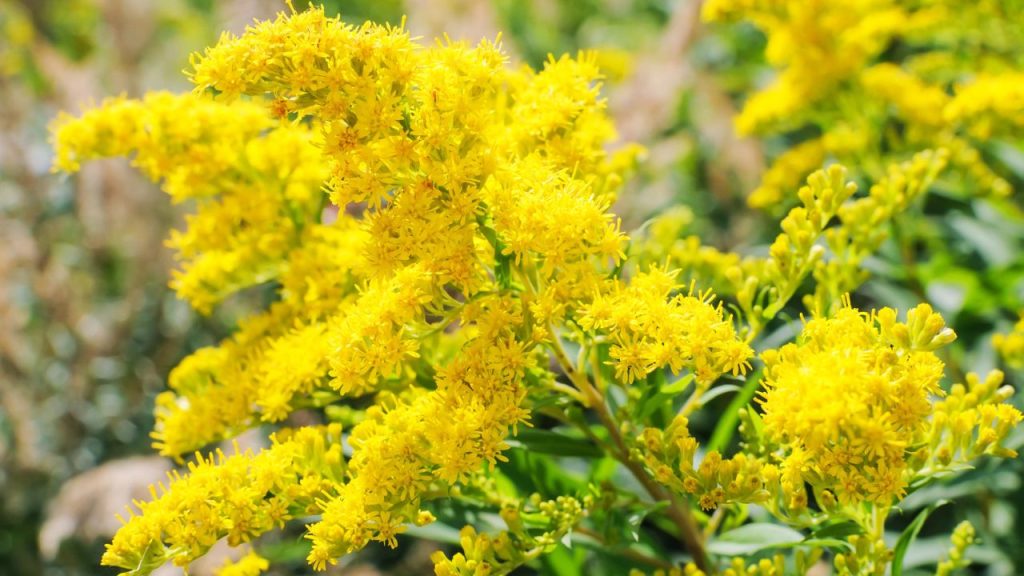
Goldenrod is a late-summer bloomer that adds a burst of bright yellow to the garden with its tall, flower-filled spikes. Thriving in both full sun and partial shade, this hardy plant is a favorite among pollinators, including bees and ladybugs.
Its nectar-rich flowers act as a natural magnet for beneficial insects, helping to support a healthy garden ecosystem. By planting goldenrod, you can provide a valuable late-season food source for pollinators while enjoying its vibrant color well into fall.
Nasturtium (Tropaeolum Majus)

Nasturtiums are vibrant, trailing plants with bright green leaves and bold orange, yellow, or red flowers that ladybugs love. Their sprawling growth makes them excellent for covering bare soil, filling garden gaps, or spilling beautifully from hanging baskets.
Hardy and low-maintenance nasturtiums thrive in both full sun and partial shade, tolerating drought and poor soil conditions. Their ability to outcompete smaller plants makes them a natural ground cover and attracts beneficial insects that help keep pests in check.
Sunflower (Helianthus Annuus)

Sunflowers, with their iconic tall stems and cheerful yellow blooms, are a favorite not only among gardeners but also among ladybugs. Their large, pollen-rich flowers attract beneficial insects, making them a natural addition to a pest-friendly garden.
From towering giants to compact varieties, sunflowers thrive in full sun and fertile soil. They’re best sown directly in the garden, as they don’t transplant easily. Known for their rapid growth and vibrant summer presence, sunflowers bring beauty, joy, and biodiversity to any garden space.
Dill

If you are a big fan of
Cosmos

Ladybugs are naturally drawn to cosmos, making them a great addition to any garden looking to attract beneficial insects. With their daisy-like blooms and feathery foliage, cosmos plants bring vibrant color and movement from summer through fall.
These hardy flowers thrive in sunny locations with well-drained soil and require little maintenance once established. Available in a range of colors—including pink, white, red, orange, and purple—cosmos add beauty to any garden.
Feverfew

Though not often talked about, feverfew is a favorite among ladybugs. This hardy perennial is easy to grow from seed and makes a great addition to any low-maintenance garden. Its daisy-like white flowers with yellow centers bloom from early summer through fall.
Feverfew has been traditionally used for medicinal purposes, including relief from migraines, arthritis, and fevers. With its anti-inflammatory and antioxidant properties, this herb thrives in both full sun and partial shade, making it a resilient and useful plant for any garden.
Parsley (Petroselinum Crispum)
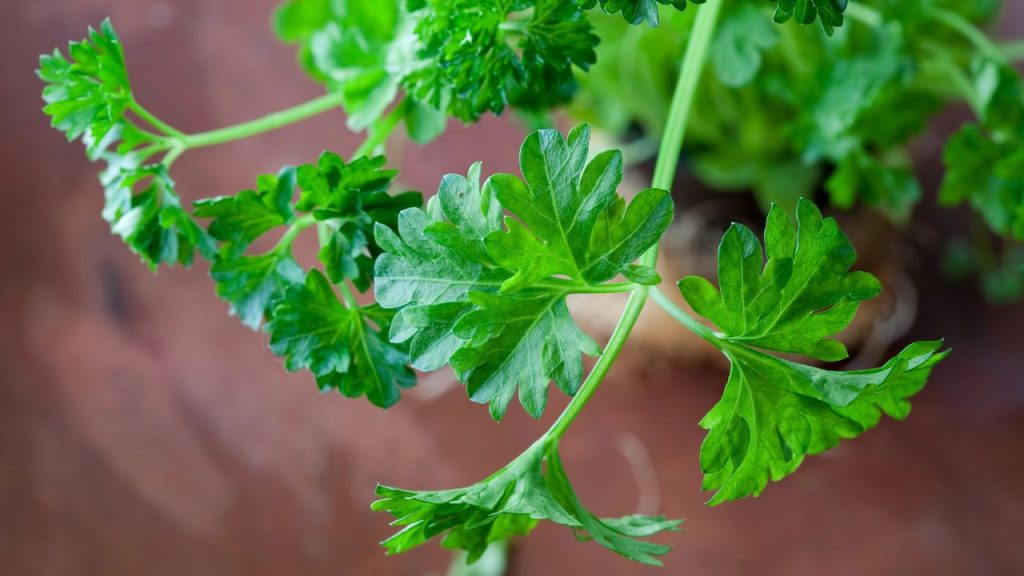
Parsley is a beginner-friendly plant that is more forgiving than other herbs and can grow easily in many conditions. You won’t regret adding it to your garden as ladybugs very much love it.
Yarrow (Achillea millefolium)
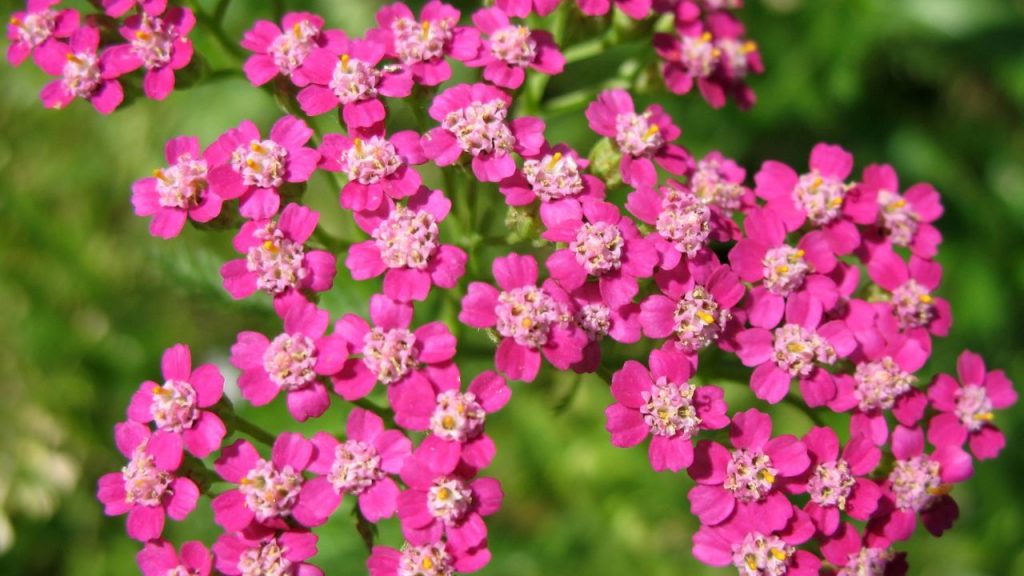
Yarrow is both a striking ornamental plant and a medicinal herb known for its healing properties. Its flat clusters of tiny flowers bloom in shades of white, pink, and yellow, lasting from early summer through fall. Plant it in your garden and watch the ladybugs flock to it.
While yarrow is drought-tolerant and low-maintenance, it can spread quickly. Occasional thinning may be needed.
Chives
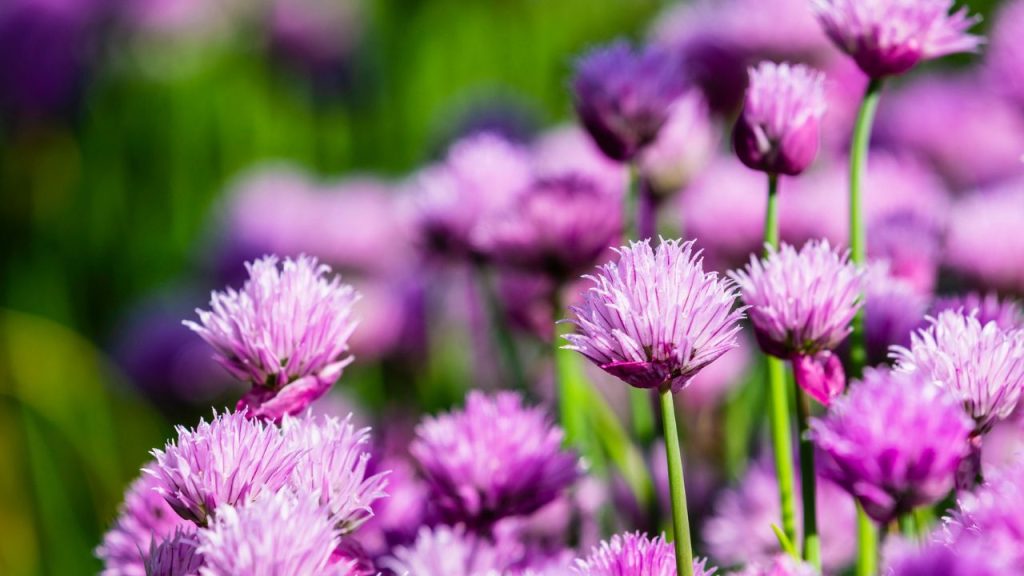
Chives are a hardy perennial vegetable that can thrive in a variety of soil and weather conditions, making them a reliable addition to any garden. Their slender, grass-like leaves and mild onion flavor make them a kitchen staple, especially in creamy potato dishes and other savory recipes.
Easy to grow and low maintenance, chives are perfect for outdoor and windowsill gardens. Their delicate purple blooms attract ladybugs and other beneficial insects, helping to keep your garden healthy and thriving.
Coreopsis (Tickseed)
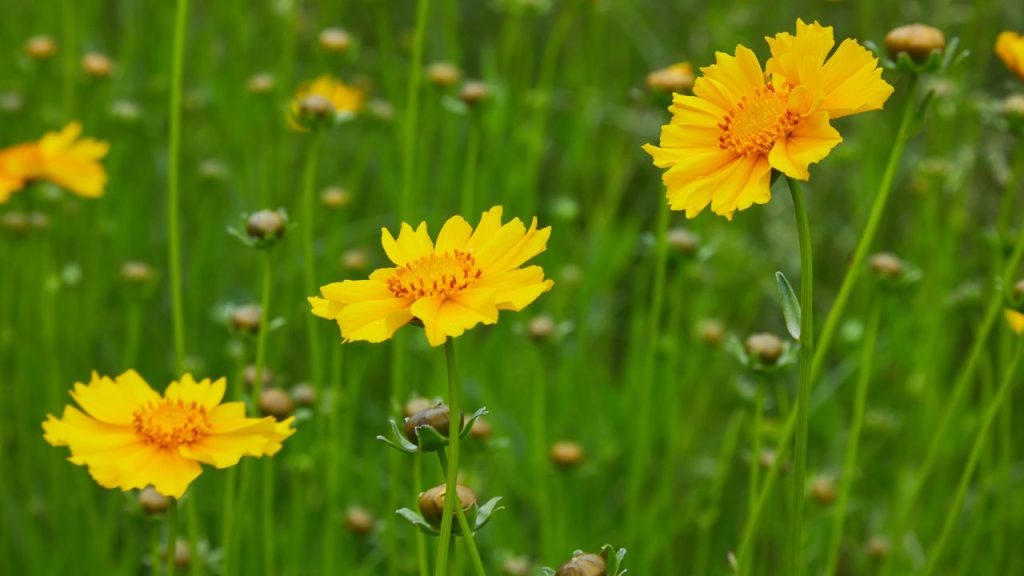
Coreopsis, or Tickseed, is known for its cheerful, daisy-like flowers that bloom from summer into late fall, particularly in warmer climates. These bright yellow or red blooms provide long-lasting color and attract bees, butterflies, and ladybugs, making them perfect for pollinator-friendly gardens.
Regular deadheading encourages continuous flowering, but if you let some flowers dry on the stem, they will reseed naturally for the next growing season. Thriving in full sun and tolerating drought conditions, Coreopsis is both beautiful and resilient.
Geranium

Perennial geraniums are hardy, long-blooming flowers that thrive in well-drained, fertile soil with minimal care. Geraniums are a natural magnet for ladybugs, providing a welcoming environment for these beneficial insects. Available in a variety of colors, they make excellent additions to fresh-cut flower arrangements while adding charm to any garden space.
Mint (Mentha)
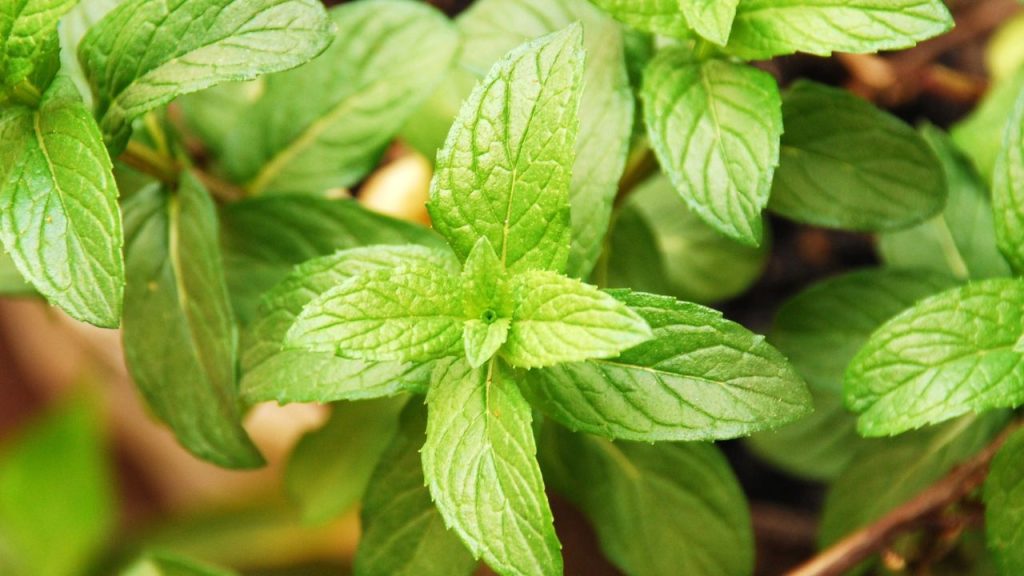
Mint is a hardy, fast-growing herb that thrives in containers, making it an excellent choice for small-space gardening. In the ground, it can quickly take over, so keeping it in a pot helps control its spread.
Ladybugs are naturally drawn to mint, not just for its strong scent but also for the shelter it provides. Its dense foliage creates a cozy habitat for these beneficial insects, helping to support a balanced garden ecosystem. Beyond its garden benefits, mint’s fresh flavor makes it a versatile ingredient for teas, drinks, salads, and many other dishes.
Bachelor’s Button

Bachelor’s button is a hardy, self-seeding plant that ladybugs love. Thriving in a variety of climates and soil conditions, these resilient flowers require little maintenance and can withstand drought, making them an easy addition to any garden.
While their classic blue blooms are the most well-known, bachelor’s buttons also come in shades of purple, pink, and white. In addition to attracting ladybugs, these cheerful flowers are a favorite among pollinators, helping to create a balanced and thriving garden ecosystem.
8 Sneaky Animals That Are Secretly Destroying Your Lawn and Garden

Many pests can quietly cause significant damage if not controlled. It’s important to stay on top of these threats to keep your outdoor space looking its best. Here are seven sneaky pests to keep a close eye on.
8 Sneaky Pests That Are Secretly Destroying Your Lawn and Garden
11 Impressive Trees You Can Tap for Sap and Syrup
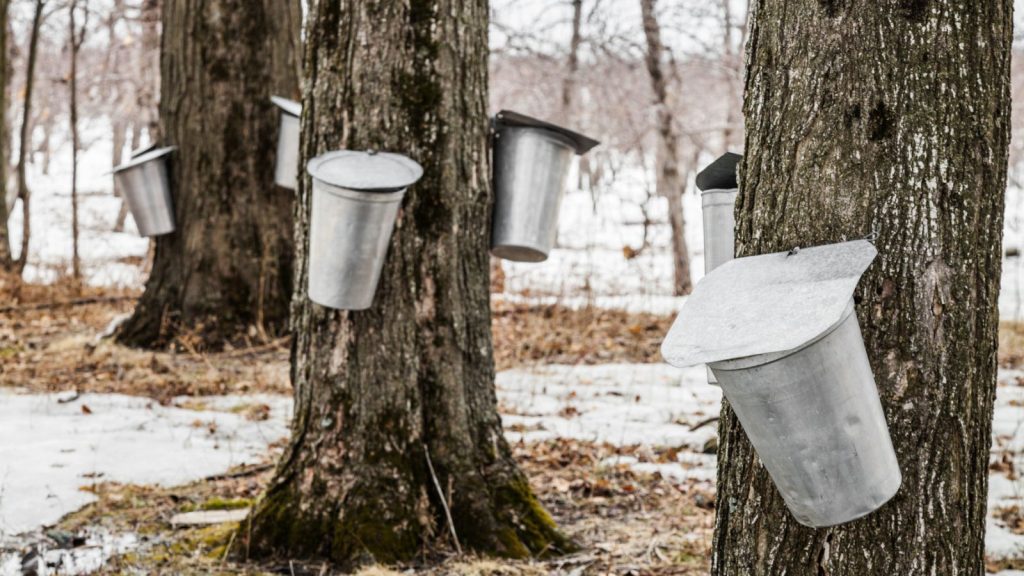
Tapping trees is an age-old skill that is often overlooked by modern-day homesteaders. But when you realize that tree sap can be used to make syrup, candy, vinegar, natural sweeteners, and fermented drinks, this free resource becomes far more appealing!