Flea beetles may be small, but the damage they cause can be significant. They especially like to target young, tender crops like eggplant, kale,
If you’re battling a flea beetle infestation and need ways to help remove them without the use of any toxic chemical sprays, we’ve got a few solutions for you. Here are 15 safe, tried, and tested ways to stop flea beetles from munching through your plants.
1. Use Floating Row Covers

Floating row covers protect seedlings and their delicate foliage from pests by creating a physical barrier over them. Use them in early spring when plants are most vulnerable and secure the edges with soil or landscape pins. Don’t forget to lift them temporarily when your plants start flowering for pollinators to reach them.
18-page quick guide and reference for gardeners dealing with pests that show up the most. From prevention strategies to treatment and remedies, this is the perfect printable for your garden.
2. Plant Trap Crops

Flea beetles are obsessed with certain plants, especially
3. Rotate Crops Yearly

Flea beetles tend to hang around where their favorite crops were planted the year before. If you grow brassicas (such as cabbage, kale, or broccoli), consider moving them to a different part of your garden the following season. Crop rotation breaks the life cycle of flea beetles and makes it harder for them to survive and return.
4. Attract Beneficial Insects

Natural flea beetle predators like ladybugs, lacewings, and spiders can help control flea beetle populations in your garden. You can attract them by planting flowers such as
5. Apply Diatomaceous Earth
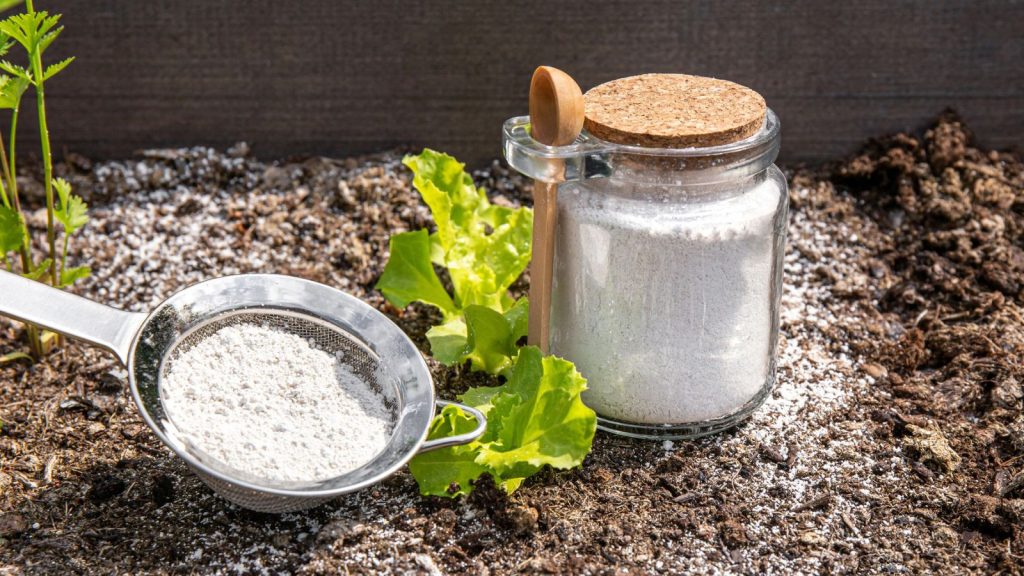
Diatomaceous earth is a natural, fine powder that damages the outer shells of flea beetles, causing them to dehydrate and die. Lightly dust it around the base of your plants and let it work its magic.
However, there are some things to note before using
6. Use Neem Oil Spray

Neem oil is an organic insecticide that disrupts feeding and egg-laying cycles in flea beetles. Mix according to label instructions and spray the undersides of leaves, where beetles love to hide. Repeat every 7–10 days, especially after rain.
7. Try Companion Planting
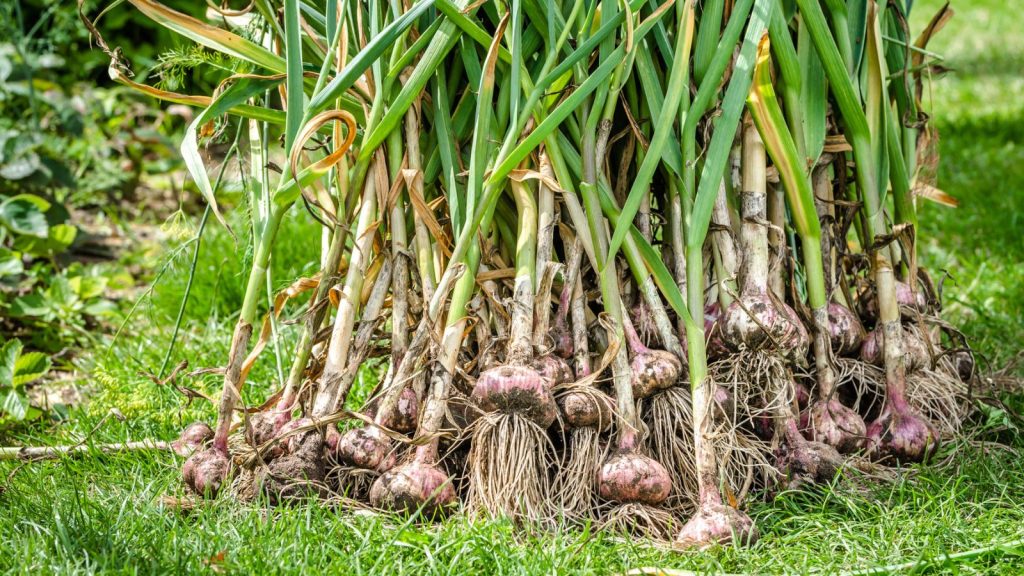
Some plants naturally repel pests, such as flea beetles, with their strong scent. Examples include
Related: Companion Planting Guide for Beginners
8. Try Reflective Mulch

Reflective mulches (for example, silver or aluminum plastic) can confuse flea beetles by bouncing light back at them, making it harder for them to land on your crops. As an extra bonus, they also help to regulate soil temperature and suppress weeds.
9. Hand-Pick Visible Beetles

It sounds tedious, but there’s nothing as reassuring as checking your plants each day for flea beetles. If you find some hiding among your plants, pick them off or shake them over a white sheet to make them drop. You can quickly squash them or drop them into a bowl of soapy water to get rid of them completely.
10. Grow Varieties That Mature Early
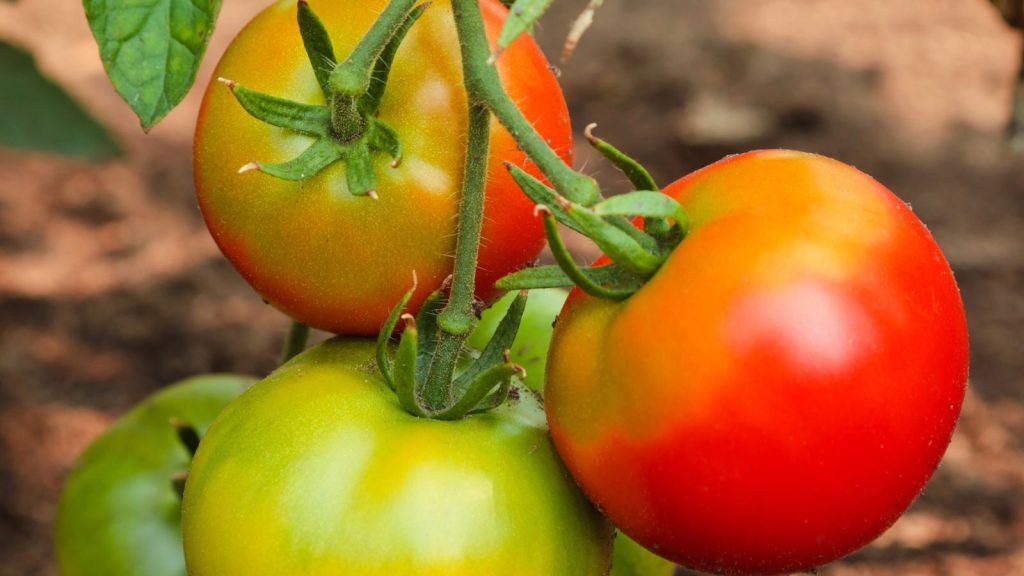
Some varieties of tomato, eggplant, and leafy greens grow faster than others. Choosing quick-growing cultivars allows your plants to mature before flea beetles reach their peak activity. This head start can significantly reduce damage caused by pests on your precious plants.
11. Use Sticky Traps
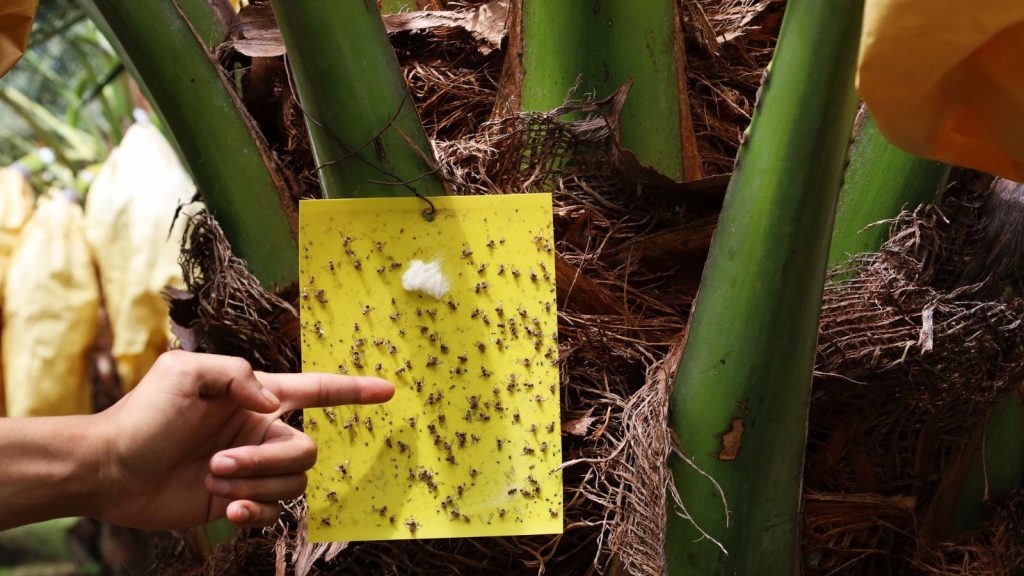
Sticky traps come in a bright yellowish color that flea beetles can’t help but be attracted to. Place them near your plant rows to catch adult beetles as they fly in. While the traps won’t eliminate every bug, they give you a sense of how bad the problem is and catch quite a few along the way. They’re also inexpensive and easy to place.
12. Sprinkle Garden Lime

A light dusting of
13. Till Soil Before Planting

Till your garden soil in the fall or early spring to expose and disrupt flea beetle larvae hiding below the surface. Once they’re brought to the surface, these larvae become easy targets for birds and predatory insects. This simple step helps break the beetle’s life cycle before they can emerge in spring and start feeding on your crops.
14. Apply Spinosad or Bt Sprаy
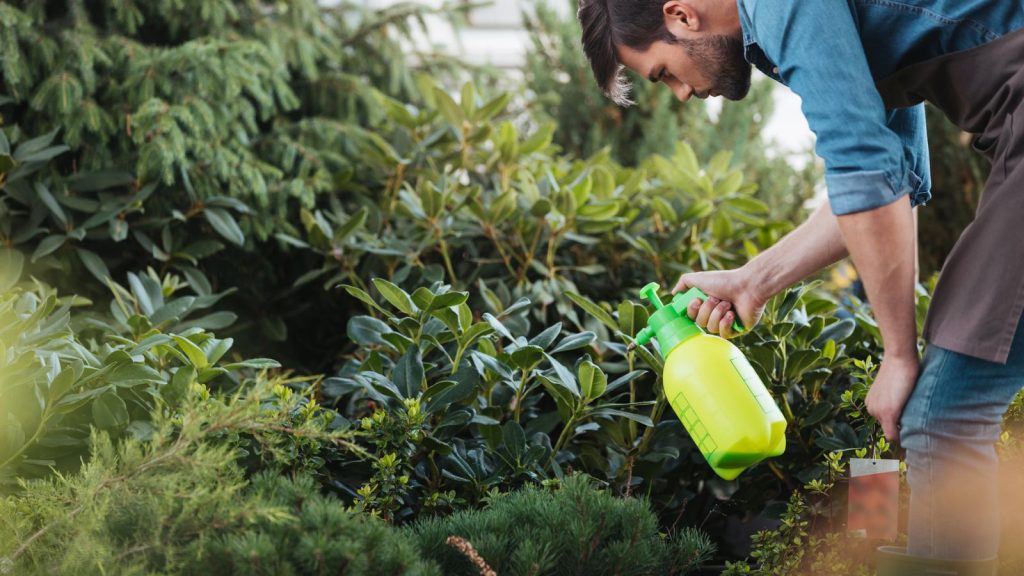
If you have a serious flea beetle infestation, try spraying biological insecticides like Spinosad or
15. Use Soil Solarization

In warmer climates, you can reduce flea beetle populations by using a method called soil solarization. Soil solarization involves covering garden beds with clear plastic sheeting for 4–6 weeks during the peak summer heat. The trapped sunlight raises soil temperatures high enough to kill off beetle pupae, larvae, and even weed seeds. Once you remove the plastic, wait for the soil to cool before planting.
8 Sneaky Animals That Are Secretly Destroying Your Lawn and Garden

Many pests can quietly cause significant damage if not controlled. It’s important to stay on top of these threats to keep your outdoor space looking its best. Here are seven sneaky pests to keep a close eye on.
8 Sneaky Pests That Are Secretly Destroying Your Lawn and Garden
How to Defeat Japanese Beetles in Your Garden

If Japanese beetles are causing problems in your garden, consider trying one of these natural methods to eliminate them.
How to Defeat Japanese Beetles in Your Garden
17 Plants That Will Keep Squirrels From Eating Your Garden

To help you safeguard your garden, we’ve handpicked 17 plants Squirrels tend to avoid due to their taste, smell, or texture.