People grow fruits and vegetables indoors to enjoy fresh, healthy produce year-round, regardless of the weather. With indoor gardening, you have greater control over temperature, light, water, and pests, resulting in consistent growth and reduced crop losses.
It’s also a great way to save space, reduce grocery costs, and ensure that produce is grown without harmful chemicals. If this sounds like something you might be interested in, then here are 13 fruits and vegetables you can start growing indoors today.
Basil
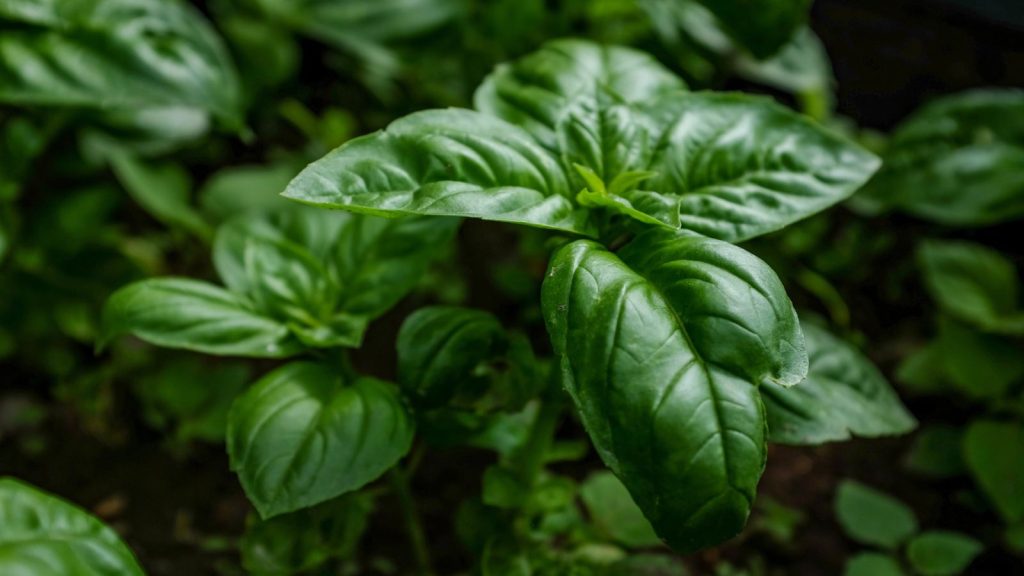
Basil loves warm conditions and bright light and grows well indoors in sunny spots. Varieties like Genovese and African Blue work well in containers. Basil is sensitive to cold, so keep it away from drafty windows in winter. With proper care, a single basil plant can provide fresh leaves for months and can also be propagated from cuttings.
Harvest basil regularly by cutting the stems just above leaf pairs. Also, pinch off flower buds to keep the leaves tender and encourage more growth.
Mint
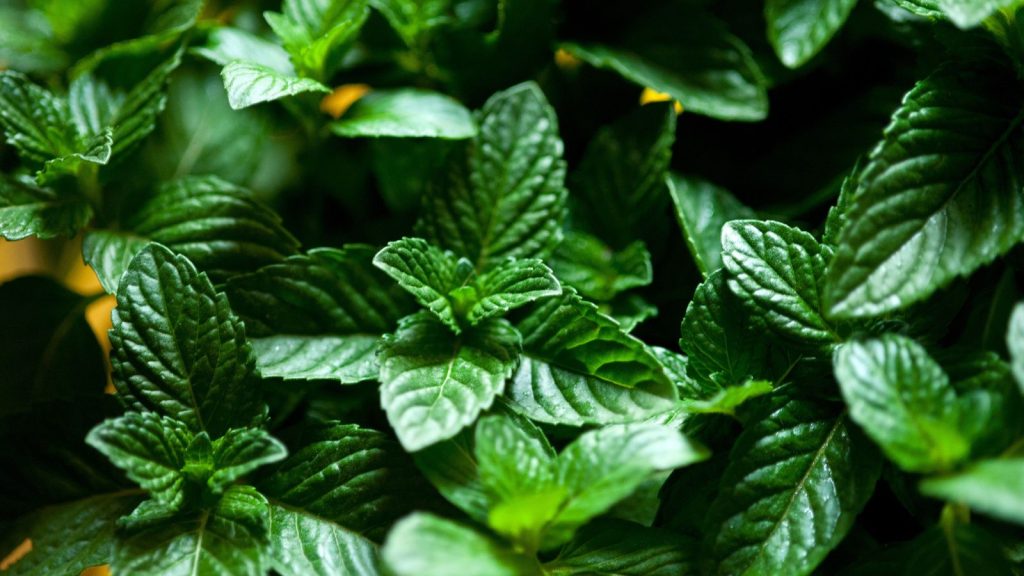
Mint grows aggressively, and growing it in a container is beneficial for both you and the plant. Choose varieties like spearmint or peppermint for cooking, or try chocolate mint for something different.
Mint tolerates partial shade and prefers consistently moist soil. You can pinch the flowers to maintain leaf quality and harvest stems regularly to encourage new growth.
Green Onions (Scallions)

Green onions are among the easiest vegetables to grow indoors. You can even start growing them with store-bought green onions. All you have to do is place the white root ends in water until new roots develop, then plant them in soil. They grow in shallow containers and tolerate various light conditions.
When it’s time to harvest, cut the green tops, leaving about an inch above the soil line for it to regrow. You’ll get multiple harvests from the same plants, making them incredibly productive for the small space they occupy.
Garlic Greens
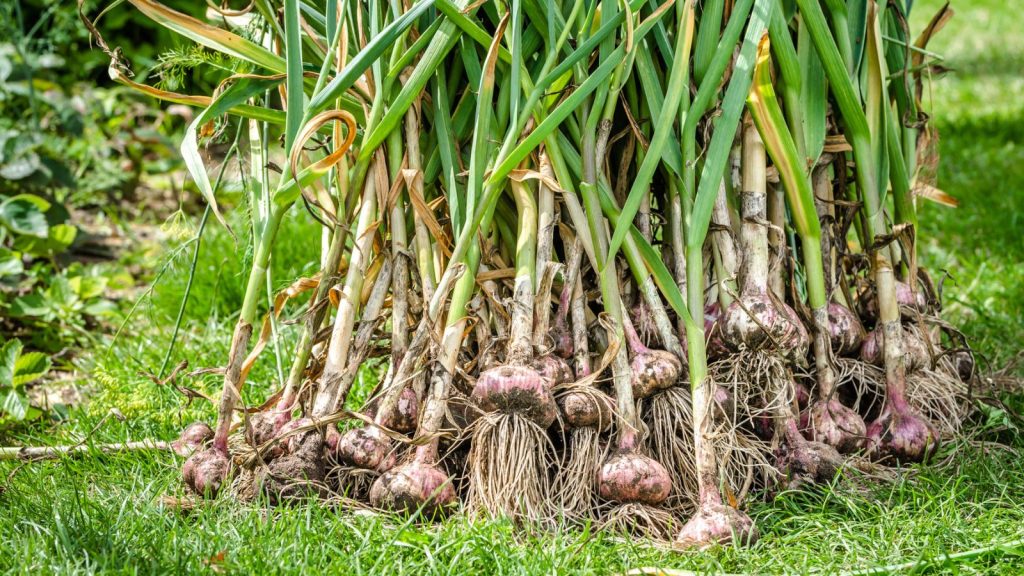
It’s harder to get
Microgreens

You can’t have a list of vegetables that can grow indoors all year round without including microgreens. Microgreens grow incredibly fast and are usually ready to harvest in 7-14 days. Some popular mixes people plant include
Use shallow trays with drainage and fine potting mix to grow microgreens. Scatter seeds densely and keep them moist until germination occurs. When the first true leaves appear, you can harvest them by cutting just above soil level.
Parsley
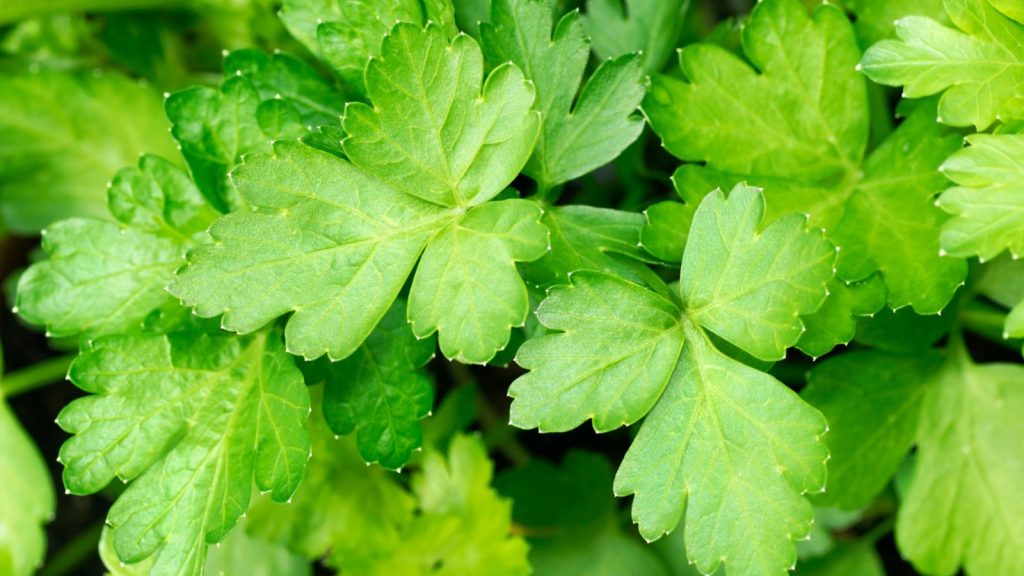
Both flat-leaf and curly parsley grow well indoors (although the flat-leaf varieties typically offer better flavor). Use containers at least 6 inches deep and provide moderate to bright light.
Parsley grows slowly from seed, so consider buying seedlings to get started faster. You can start harvesting the outer stems first, cutting close to the soil line to encourage new growth.
Cilantro
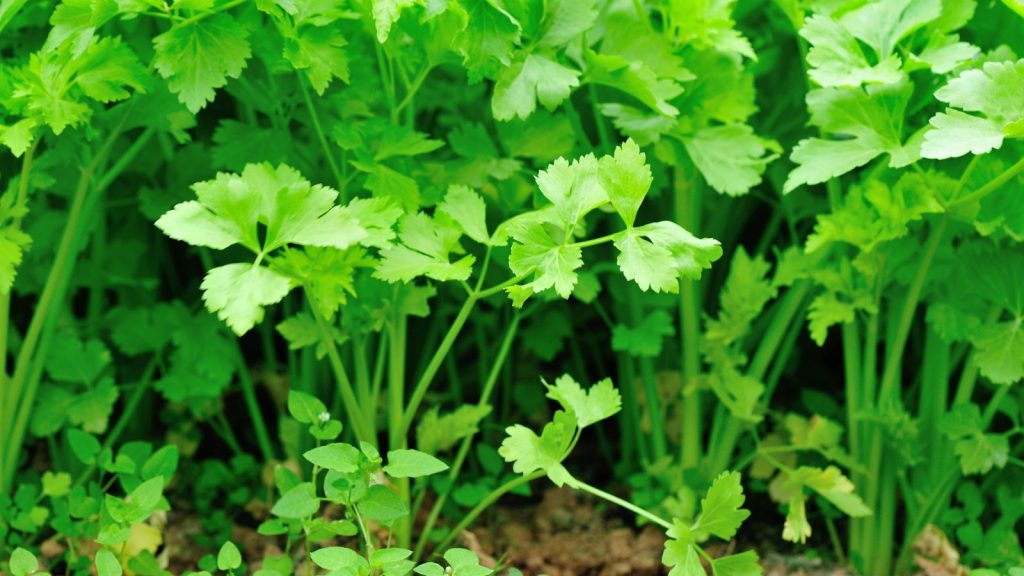
Cilantro grows quickly but tends to bolt in warm conditions. For better results, opt for slow-bolt varieties, such as Slow Bolt or Long Standing. Individual cilantro plants don’t last long, so you need to continuously sow new seeds every 2-3 weeks for continuous harvests. Harvest the outer leaves regularly and use the entire plant before it flowers. If it does bolt, the seeds (coriander) are also helpful in cooking.
Dwarf Lemon Tree
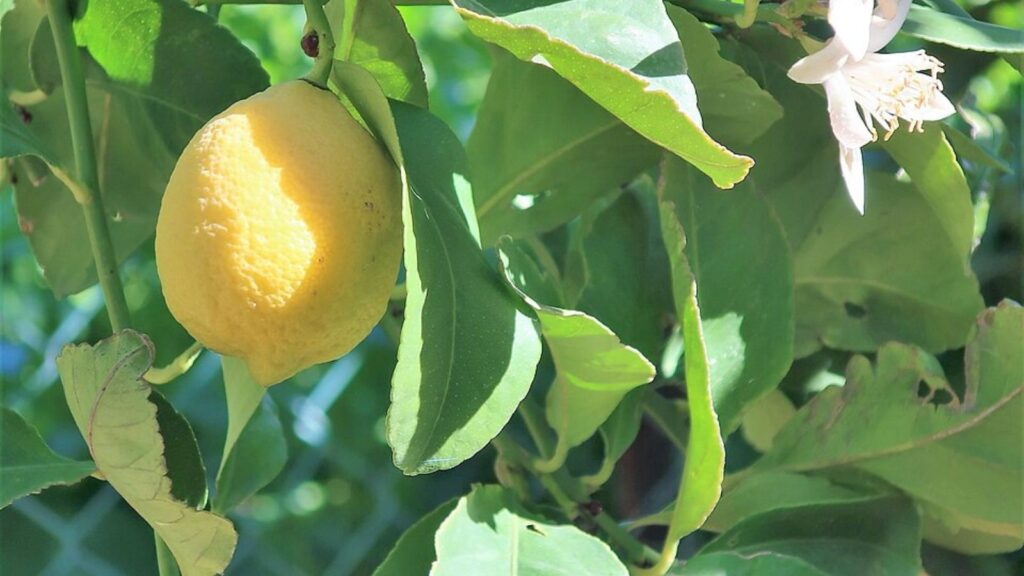
Dwarf lemon trees, such as Meyer or Ponderosa, grow well in indoor containers. But they need bright light (ideally 8-12 hours daily) and consistent watering. Use a well-draining potting mix and fertilize the soil regularly in the growing season.
These lemon trees can produce fruit year-round indoors. However, they can take 6-9 months to ripen, and production may peak in winter and spring.
Tomatoes (Dwarf or Cherry Varieties)

Tomatoes are typically outdoor plants. But some varieties can thrive indoors, especially when you choose compact cherry tomato varieties like Tiny Tim or Red Robin.
Get a 5-gallon container with drainage holes and plant your tomato seeds. Once it begins to sprout, support the plant with a small cage or stakes to prevent it from falling over. They require a lot of sunlight, so you’ll need a sunny, south-facing window or grow lights for at least 6-8 hours of daily exposure. Water consistently, but avoid overwatering, as this can cause the soil to become too wet. If all is right, you should expect your first tomatoes in about 60-80 days from planting.
Peppers (Sweet or Hot)

Compact varieties of peppers, such as Lunchbox sweet peppers or Thai Hot chilies, can be grown indoors without any problems. When growing peppers indoors, a 5-gallon pot is suitable for most plants. They also need warm conditions, ideally 65-75°F, and bright light. Keep soil evenly moist but never waterlogged.
Peppers self-pollinate, but you can help by gently shaking the flowers or using a small paintbrush to transfer pollen. Hot peppers typically produce more prolifically indoors than sweet peppers, and both will continue to produce for months with proper care.
Spinach

Compact
Plant
Kale
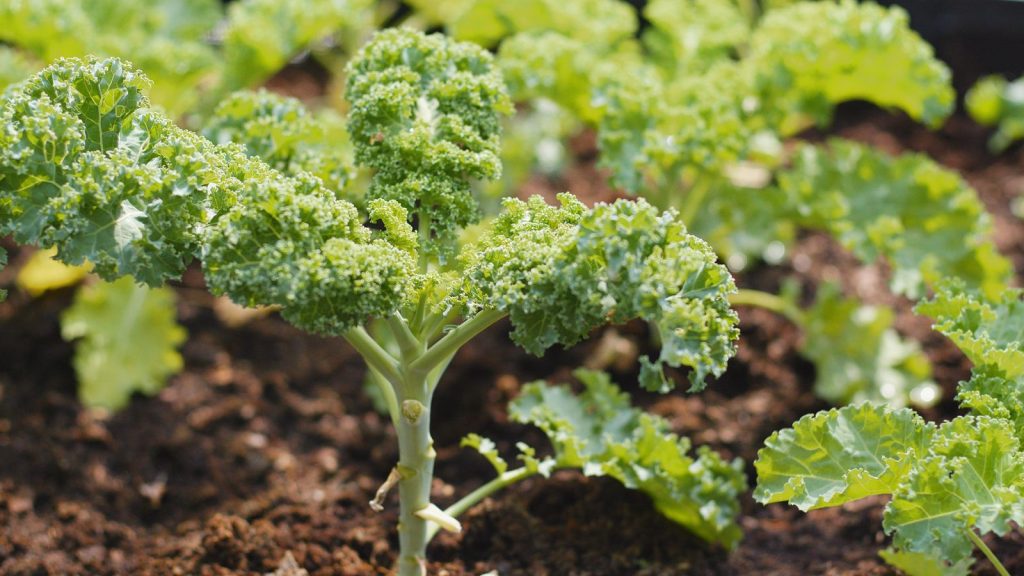
Kale grows well indoors, better than most other leafy vegetables. For instance, it handles cooler temperatures and lower light better than
Harvest outer leaves when they’re young and tender, leaving the center to continue producing. Mature kale can handle light frosts, so you can leave it near your windows in colder months.
Leaf Lettuce
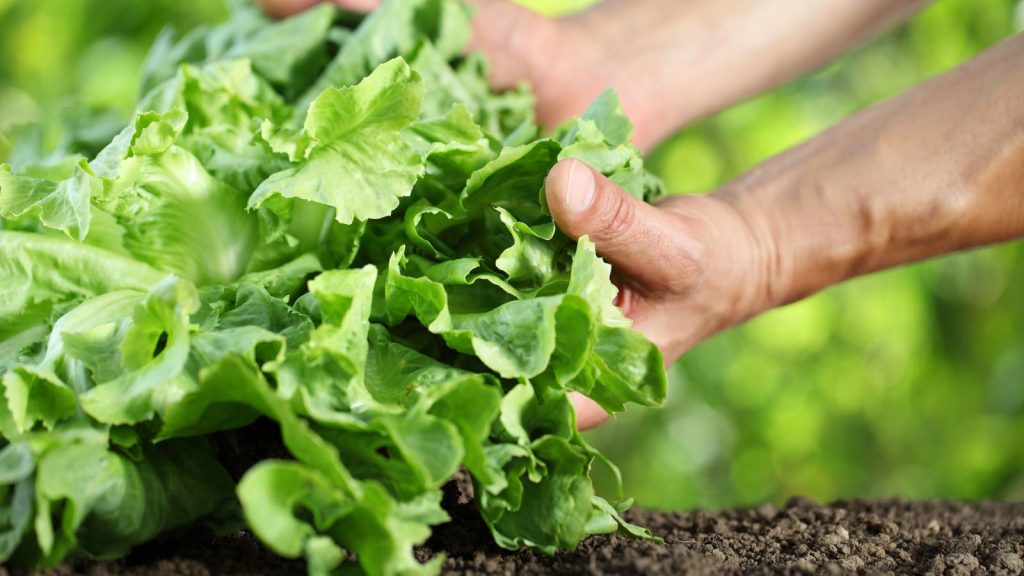
Lettuce grows quickly and doesn’t need deep containers, so even beginners can comfortably grow it indoors. Varieties like Black Seeded Simpson or Red Sails work well in shallow containers that are just 4-6 inches deep. You can start harvesting the outer leaves while the center continues to grow, providing you with fresh salad greens for weeks.
Lettuce prefers cooler conditions around 60-65°F and moderate light. Sow new seeds every 2-3 weeks to keep harvesting your
Other Posts You Might Like
- 20 Strikingly Bold Red Perennials That Bloom Year After Year
- 16 Purple Perennials That Will Bring Your Garden to Life Year and Year
- 18 Shade Loving Perennials to Brighten Your Garden
- These 12 Fall Blooming Perennials Will Be Everywhere This Season
- 38 Perennial Flowers That Deliver Gorgeous Blooms Every Blooming Season

Sandra Enuma
Sandra Enuma is a writer who's as comfortable with a trowel as she is with a keyboard. She’s passionate about sharing simple, down-to-earth tips to help you start and manage your own home garden, no matter your experience.