This post may contain affiliate links.

Share this post or pin it for later!

Lavender (Lavandula) is a hardy and fragrant perennial that’s grown in both flower and vegetable gardens. Beyond its soothing scent and ornamental beauty, lavender plays a vital role in attracting pollinators and beneficial insects, which in turn enhance a garden’s ecosystem.

While lavender pairs well with a wide variety of plants, selecting the right companions cannot be overemphasized. Companion planting can improve the overall health and appearance of your garden. Here are 15 of the best plants to grow alongside lavender.

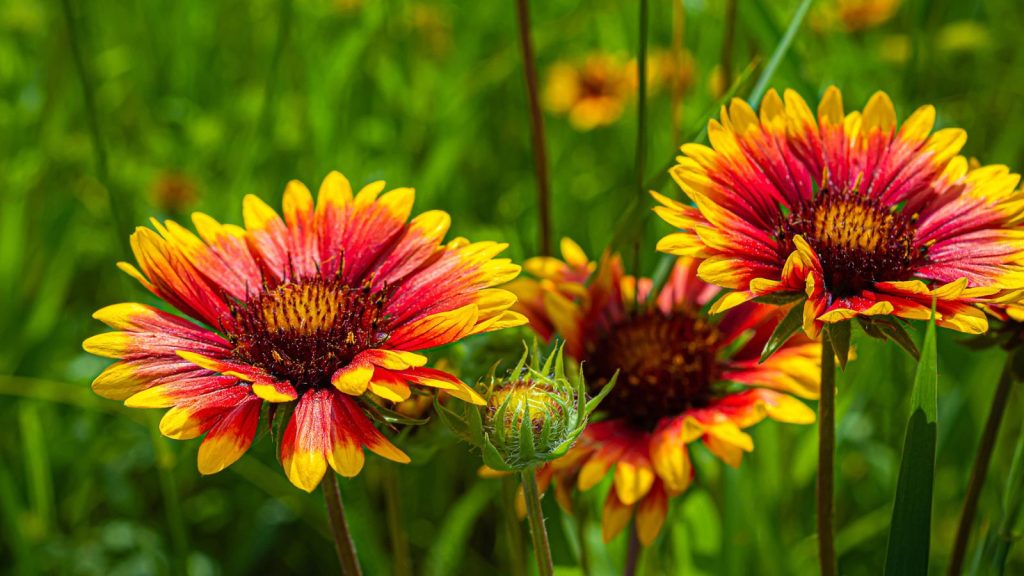
1. Blanket Flower (Gaillardia)

Gaillardia blanket flower
Image Credit: Deposit Photos

Lavender and blanket flower are a visually appealing combination that will enhance the appearance of your garden. These plants together attract pollinators and beneficial pests that will boost the growth of other plants.

Blanket flowers thrive in USDA zones 3-10, tolerate drought, and require full sun. They can grow 2-3 feet tall and 1-2 feet wide at full maturity. 

2. Yarrow (Achillea millefolium)
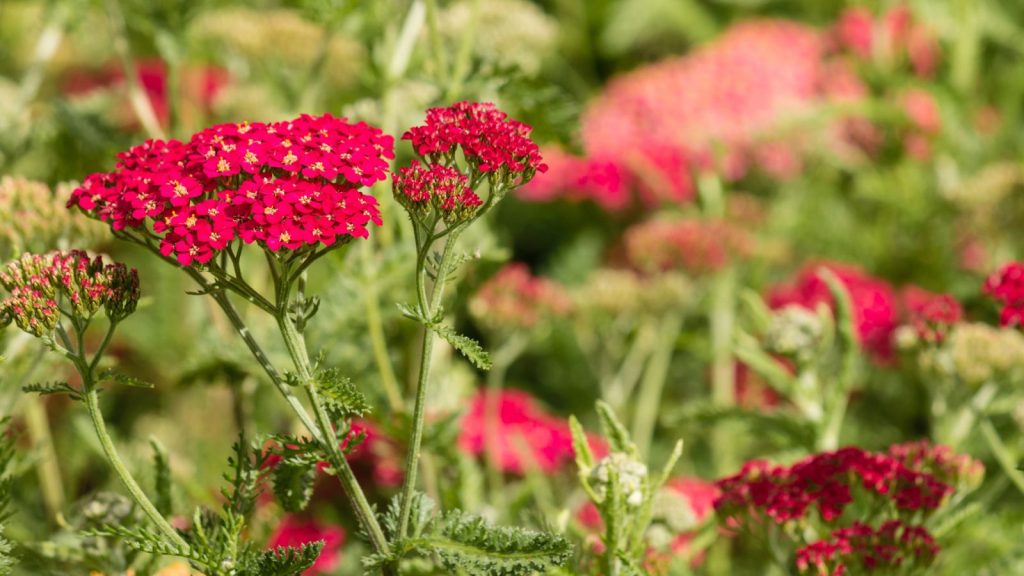
red yarrow
Image Credit: Deposit Photos

Yarrow produces yellow, pink, or red flowers that contrast nicely with lavender’s purple blooms. It grows well in USDA zones 3-9 and is fairly drought-tolerant, so water it only when the soil is dry. Give yarrow at least 6-8 hours of sunlight daily, and it’ll grow as tall as 3 feet and as wide as 2-3 feet. 

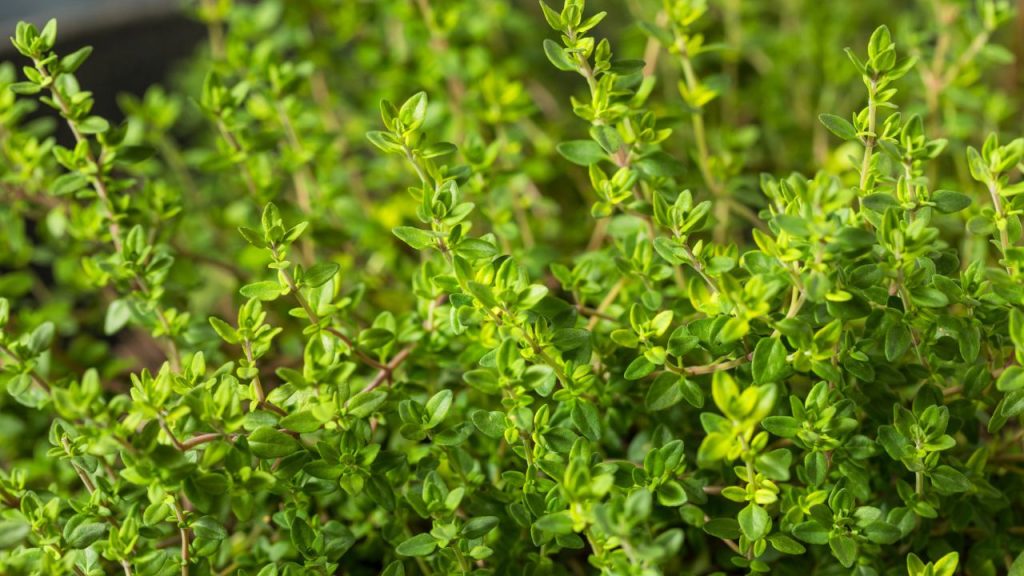
3. Thyme (Thymus vulgaris)

Thyme
Image Credit: Deposit Photos

Thyme aids in repelling lavender pests, and it can also improve soil moisture. They are small plants, often reaching 6 inches to 1 foot tall.

Thyme best grows in USDA zones 5-9. Water your thyme plant regularly, but allow the soil to dry out between waterings. Also, give it full 8 hours of sun to enhance its oils. 

4. Allium (Allium sativum)

Alliums Allium spp
Image credit: Deposit photos

Alliums are excellent companion plants for lavender, helping to deter harmful pests and subtly improving soil health, both of which contribute to a more balanced garden ecosystem.

These low-maintenance plants thrive in well-draining soil and need at least 6 hours of full sunlight daily. Alliums are drought-tolerant, so they don’t require frequent watering once established.

They grow best in USDA zones 4–9 and can reach heights of 12–24 inches and widths of about 1 foot at maturity.

5. Basil (Ocimum basilicum)
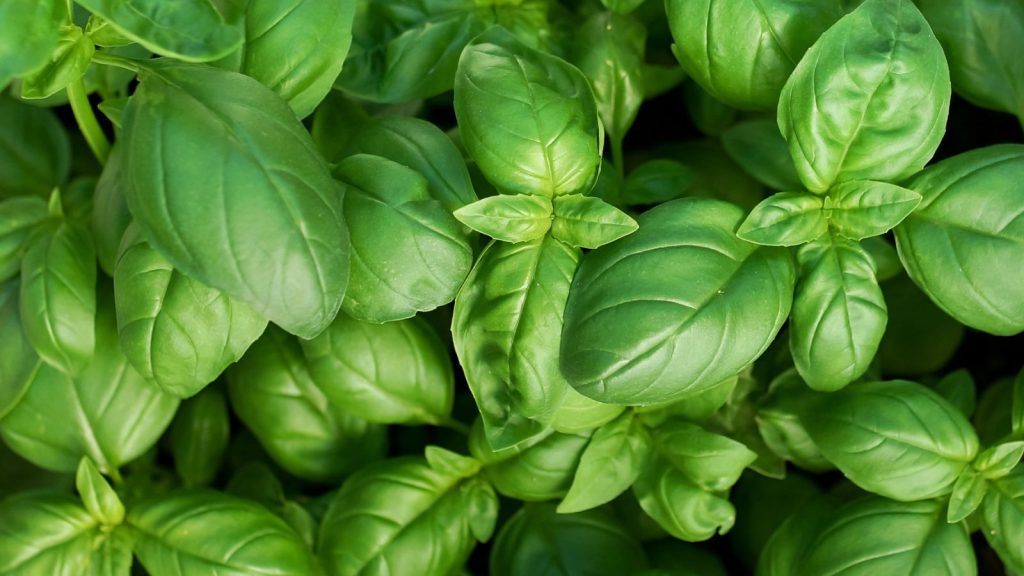
basil fresh
Image Credit: Deposit Photos

Basil and lavender make a beneficial pair in the garden. While both attract pollinators, basil also enhances the overall health of your garden by repelling common garden pests.

Water basil regularly to keep the soil consistently damp, but avoid wetting the leaves to prevent disease. Provide at least 6 hours of direct sunlight daily. Basil grows up to 2 feet tall and thrives in USDA zones 10–11.

6. Sage (Salvia officinalis)
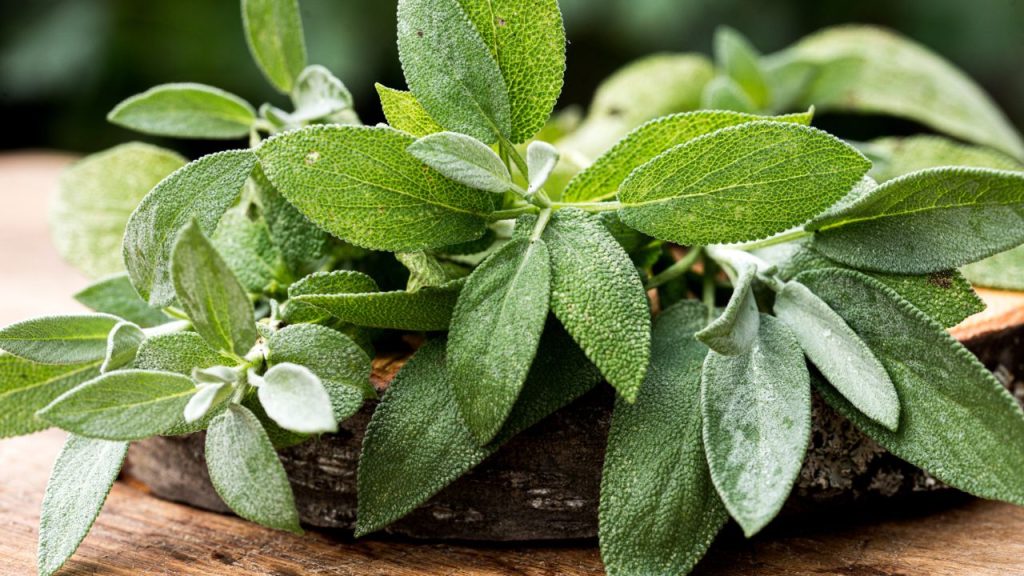
sage
Image Credit: Deposit Photos

Sage’s thick foliage can help suppress weeds around your lavender plant. The pair attracts pollinators, which will help the lavender bloom better.

Allow sage to receive 6–8 hours of direct sunlight daily to enhance its flavor. Water only when the soil feels dry to the touch; sage prefers damp, not soggy, conditions. It grows up to 2–3 feet tall and thrives in USDA zones 4–10.

7. African Daisy (Osteospermum)

Depositphotos 588450554 L
Image Credit: Deposit Photos

The African daisy is an excellent match for lavender in your garden. This plant resembles a daisy, characterized by its yellow or white flowers, which typically feature a dark blue or purple center. African daisy helps sustain a healthy garden environment by attracting butterflies and beneficial insects.

They grow best in USDA zones 10-11 and need full sunlight daily to yield bountiful blooms. Ensure you only water the plant when the top of the soil feels dry to the touch. They can reach heights of 2 feet and widths of 3 feet.

8. Marigold (Tagetes)
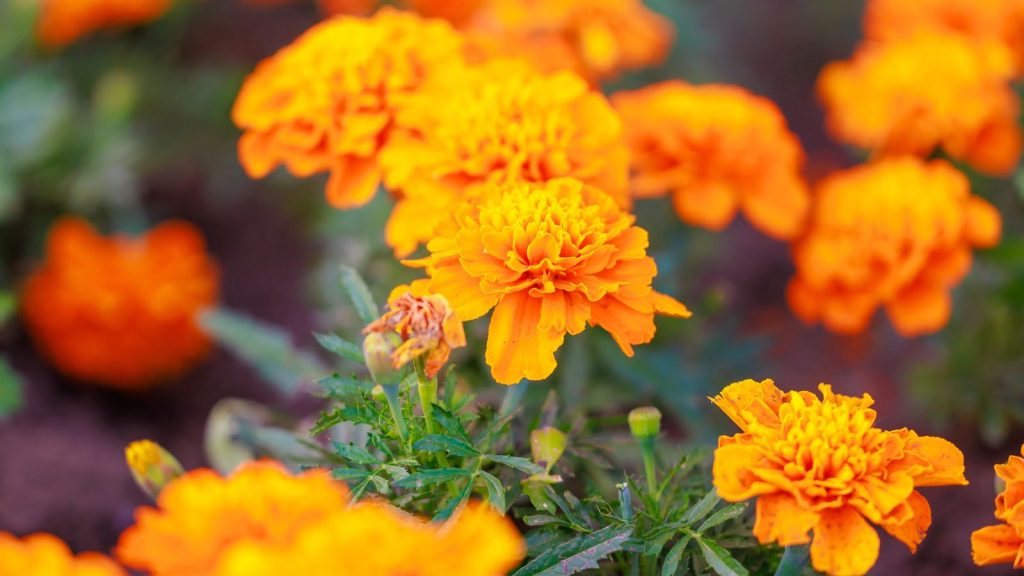
marigolds
Image Credit: Deposit Photos

Marigolds and lavender are beneficial to your garden. Marigolds repel nematodes that disturb lavender plants and also attract other insects to prey on pests. In return, lavender attracts pollinators to help pollinate garden flowers.

This annual plant grows best when it receives 6-8 hours of full sunlight daily. Water the plant only when the top part of the soil is dry to prevent waterlogging. Marigolds typically reach 3 to 4 feet tall and prefer USDA zones 2-11.

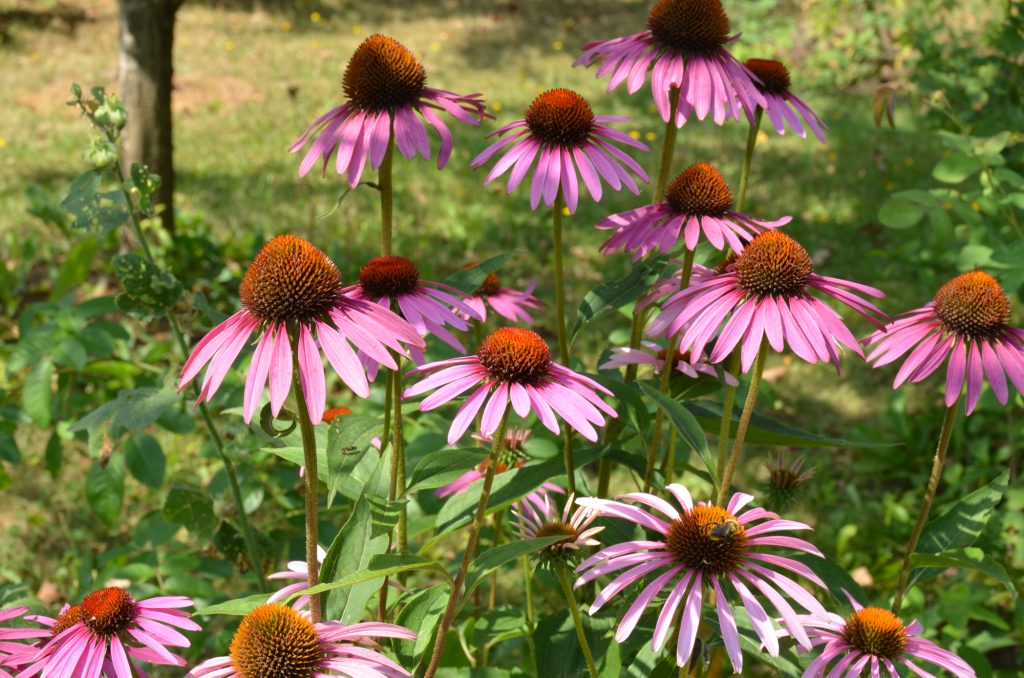
9. Coneflower (Echinacea purpurea)

Depositphotos 12231433 L
Image Credit: Deposit Photos

Coneflowers and lavender create a harmonious blend in your garden. These flowers share similar petal colors and growing habits. Coneflowers require consistent and frequent watering during their first year of growth. After becoming established, they become more drought-tolerant. 

Provide them with at least 6 hours of direct sunlight daily to encourage full bloom. They best grow in USDA zones 3-9. Their mature size can measure up to 2–5 feet tall and 1–2 feet wide.

10. Rose (Rosa rubiginosa)
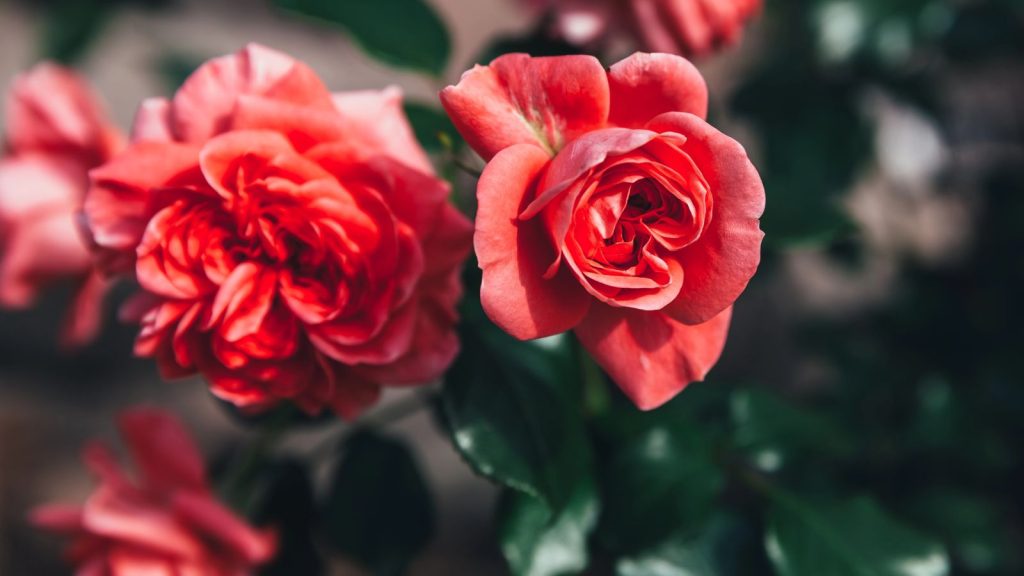
roses in summer
Image Credit: Deposit Photos

Lavender and rose have different textures, foliage patterns, and flower colors, which creates a striking and balanced contrast in your garden. Lavender repels common rose pests and attracts pollinators like bees, while roses help your garden look calming, fragrant, and appealing.

Roses thrive best with at least 6 to 8 hours of full morning sunlight. Water them deeply but infrequently, ideally in the early morning to avoid fungal issues. At maturity, rose plants can range from 6 inches to 20 feet tall, depending on the variety. They grow well in USDA zones 5–9.

11. Catmint (Nepeta cataria)
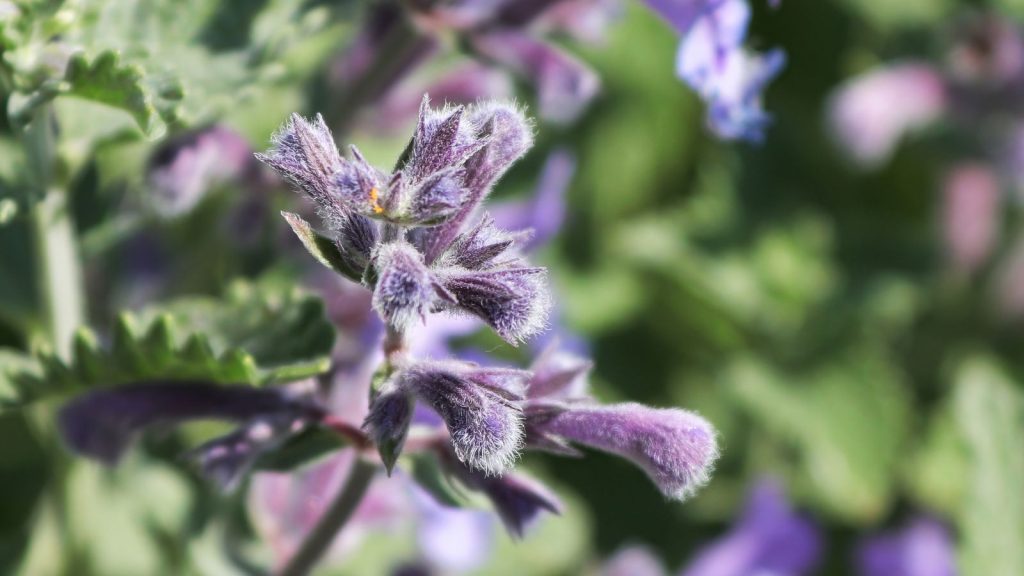
catmint close up purple
Image Credit: Deposit Photos

Catmint and lavender are another impressive pairing. Catmint’s roots improve the soil by supporting soil microbes that contribute to better plant health, which may boost lavender’s health and growth.

Catmint is susceptible to root rot, so water it sparingly. Also, provide the plant with frequent and consistent sunlight. They can get up to 3 feet tall, 1-2 feet wide and thrive in USDA zones 3-8.

12. Zinnia (Zinnia elegans)

Red and orange zinnia flowers
Image Credit: Deposit Photos

While zinnias and lavender aren’t a classic pairing, they can work beautifully together to create a pollinator-friendly garden. Zinnias attract butterflies and bees in droves, while lavender’s fragrant blooms lure in beneficial insects and help deter pests. 

Zinnias require at least 6-8 hours of full sun and consistent daily watering. They thrive in USDA zones 2-11 and can grow up to 1-3 feet tall and 8-12 inches wide.

13. Geraniums (Pelargonium x hortorum)
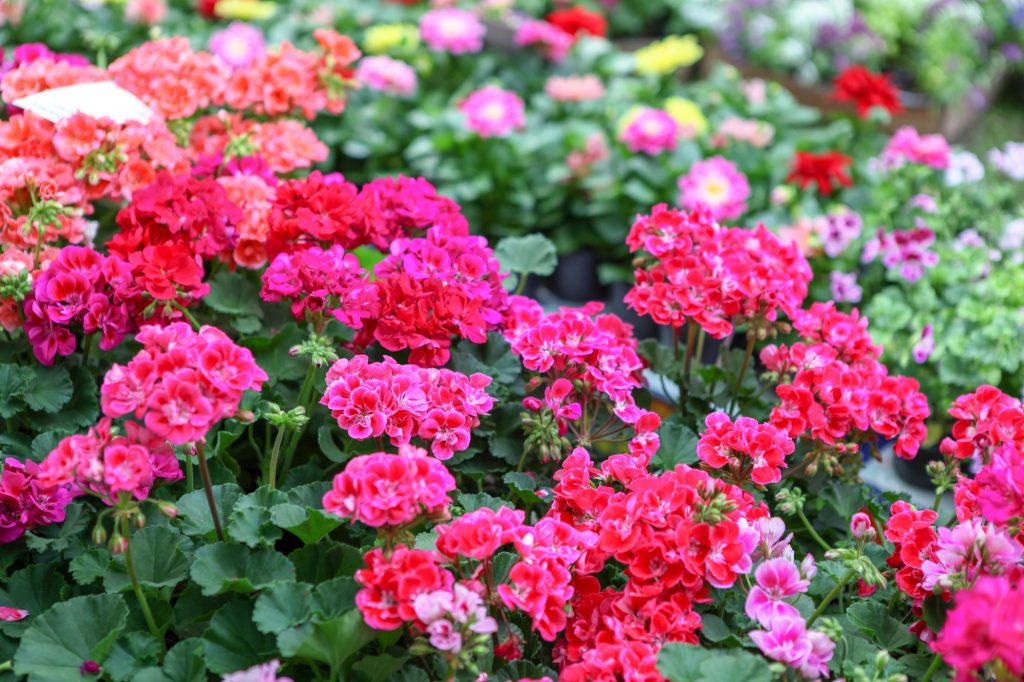
pink geranium
Image Credit: Deposit Photos

If you’re planting in a dry climate, consider pairing your lavender with geraniums. Both plants are drought-tolerant and sun-loving, thriving in similar soil conditions. Geraniums add some color with their bright, cheerful blooms, while lavender helps repel pests with its fragrant oils. 

Water sparingly (only when the top inch of soil feels dry) and ensure they receive at least 6 hours of direct sunlight daily. Grow geraniums in USDA zones 9-11 for them to grow up to 4 feet tall. 

14. Blue Fescue (Festuca glauca)

Blue Fescue (Festuca glauca)  grass
Image Credit: Deposit Photos

Blue fescue can help suppress the growth of weeds around your lavender. They have the same growth requirements as lavender, making them a great pairing. Blue fescue performs best in USDA zones 4 through 8.

They require at least 6 hours of direct sun and well-drained soil. It typically grows to a height of 6-12 inches and a width of 6-18 inches.

15. Red Valerian (Centranthus ruber)

Red Valerian Centranthus ruber
Image Credit: Deposit Photos

While lavender deters pests like moths and fleas, red valerian’s clusters of crimson or pink blooms draw in bees, butterflies, and other pollinators. Together, they create a visually stunning and ecologically balanced garden. Red valerian grows best in USDA zones 5-8  and requires full sun.

15 Enchanting Plants for a Classic English Garden
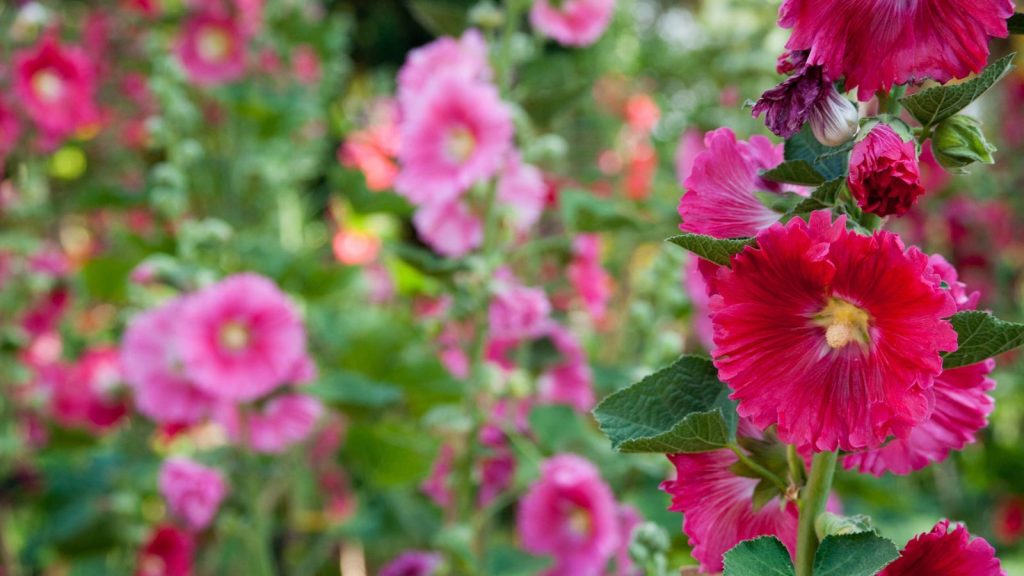
hollyhocks pink flowers
Image Credit: Deposit Photos

More people are embracing the romantic, free-flowing style of English gardens. Here are some must-have plants to bring that English charm to your garden.

15 Enchanting Plants for a Classic English Garden

30 Native Plants That Will Draw Beautiful Birds to Your Yard

morning glory growing
Image Credit: Deposit Photos

If you want to attract more birds to your garden, the right plant choices can make all the difference. Here are 16 native plants that will attract a variety of birds.

30 Native Plants That Will Draw Beautiful Birds to Your Yard

14 Pretty Flowering Shrubs and Bushes to Boost Curb Appeal
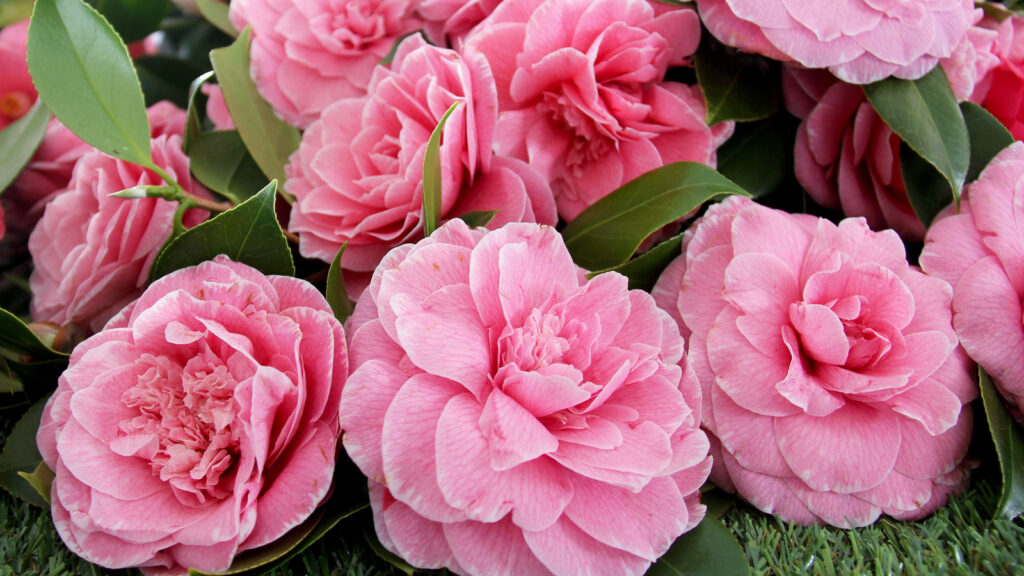
Camellias
Image Credit: Deposit Photos

Choosing the right shrubs and bushes is important for both appearance and functionality in your landscape design. These plants help increase your home’s curb appeal by providing color and beauty from spring through fall. Here are 14 attractive flowering shrubs and bushes to enhance your curb appeal.

14 Pretty Flowering Shrubs and Bushes to Boost Curb Appeal

?s=150&d=mp&r=g
Sandra Enuma
+ posts

Sandra Enuma is a writer who's as comfortable with a trowel as she is with a keyboard. She’s passionate about sharing simple, down-to-earth tips to help you start and manage your own home garden, no matter your experience.

Share this post or pin it for later!

Similar Posts

Leave a Reply

Your email address will not be published. Required fields are marked *