
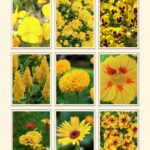
Annual flowers complete their entire life cycle—from seed to bloom—in just one growing season, making them ideal for gardeners who want quick, eye-catching results. Unlike perennials that take time to mature, annuals deliver instant color and impact. If you’re looking to add warmth and energy to your garden, yellow annuals are a great choice.
Here are 14 vibrant yellow annuals that will brighten up your garden this summer.
Petunia

Petunias are fast-growing, low-maintenance sun lovers that thrive in garden beds and containers. Hybrid varieties will not always breed true, so it’s difficult to say what your new flowers will look like.
With so many beautiful varieties available, there is a petunia for every garden. Petunias like fertile soil and moderate water. They bloom best in mild weather.
Nemesia (Scrophulariaceae)

Nemesias are colorful, rich, and vibrant. They are grown essentially for garden borders or hanging baskets and bloom from late spring to frost. They have two-lipped petals that are tubular and come in a variety of colors, including yellow, blue, white, and lilac.
This South African native requires at least six hours of sunlight daily before being given partial shade. Grow them in rich, moist, well-drained soil in USDA zones 9-11.
Marigold (Tagetes Spp.)

With a bushy growth and a spectrum of yellow, orange, and red blooms,
Zinnias

Zinnias are a garden classic. Their bushy plants produce colorful flowers in shades of orange, pink, and yellow from early summer to fall. They love full sun and well-drained soil, and frequent watering helps establish a long bloom season.
Nasturtium (Tropaeolum Majus)

Nasturtiums are known for their trailing growth, and bright green leaves are complemented by orange, yellow, and red flowers. They excel in covering bare soil and can crowd out smaller plants.
Thriving in full sun or partial shade, they tolerate drought and poor soil, making them ideal for rock gardens and hanging baskets.
Celosia

Celosia’s bold, spiky blooms bring vibrant color and texture to the garden. This adaptable plant thrives in full sun and warm temperatures. As an annual, it requires little maintenance and readily reseeds itself.
Plant it in the spring, and it will bloom steadily until the first frost. Self-sown seeds will ensure a fresh display the following season.
Pansies

These fast-growing, vibrant flowers work well in containers or garden beds. With bright and bi-colored edible flowers, pansies are popular in both fresh salads and desserts. They flourish in full morning sunlight and well-drained, fertile soil.
Calendula

Calendulas brighten the garden and offer more than just good looks. Their petals and leaves are edible, adding a mild, peppery flavor to salads or as a natural garnish. Beyond their beauty, calendulas serve a practical purpose by repelling pests, deer, and rabbits, making them a natural ally for vegetable gardens.
One of
Cosmos

Cosmos is a favorite among pollinators, attracting butterflies with their nectar-rich blooms. These easy-care flowers thrive in full sun and need consistent moisture until they’re well established.
Once mature, they become drought-tolerant and require little upkeep. Known for their self-seeding,
Impatiens

Impatiens are attractive flowering plants that prefer partial shade and will self-seed if their seed pods are left on the plant. These mounding plants are not aggressive about self-seeding. Impatiens look stunning in a mass planting. They need rich, moist soil, and in exchange, they need rich, moist soil.
Chrysanthemum

Chrysanthemums are perennials in zones 5 to 9 but are often grown annually in other zones. They require full sun and well-drained soil and bloom from late summer to fall.
Lantana

This sun-loving perennial is treated as an annual in cooler climates but is hardy in zones 9 to 11. Its clusters of small, brightly colored flowers can attract butterflies and hummingbirds, making it a perfect addition to any garden.
Viola (Viola)

Violas are classy and delicate annuals that thrive in shade. This flowering plant is easily recognizable by its five heart-shaped petals. The flowers bloom in spring, summer, and sometimes fall, depending on the variety, in shades of yellow, purple, white, or blue. They grow best in acidic, moist soil in USDA zones 3-8.
Sunflower (Helianthus Annuus)

Nothing says “full sun, summer bloom” like a sunflower; it’s literally in the name. These giants need full sun, regular water, and 11–18 weeks to reach full glory. They’re great companion plants because they improve soil health and aeration, and attract beneficial pests and pollinators.
Sunflowers grow 3–10 feet tall and are hardy in USDA Zones 2–11. For proper growth, ensure you water the plant regularly and control weeds.


