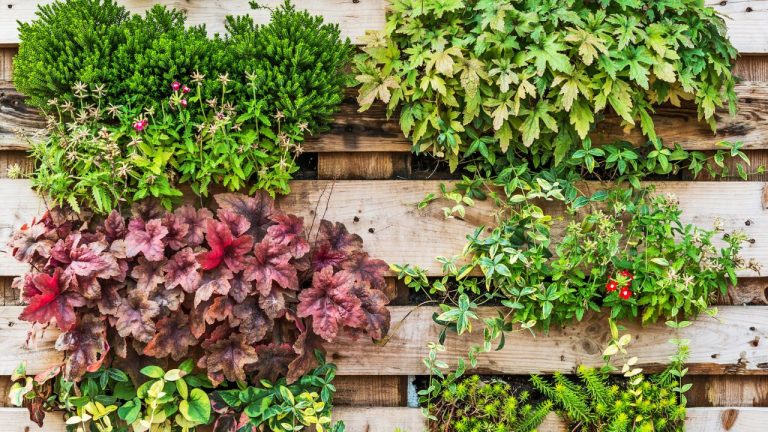
Cascading plants are perfect for creating that lush, overflowing look in hanging baskets. Their trailing stems and vibrant blooms bring instant charm while making the most of vertical space.
Whether you’re aiming for a bold burst of color or a soft, trailing green accent, these sun-loving plants are sure to elevate your outdoor space. Here are 15 beautiful cascading varieties that thrive in full sun and look stunning from every angle.
1. Petunias (Petunia x hybrida)

Petunias are a classic choice for cascading containers. Their trumpet-shaped blooms come in a variety of colors, from soft pastels to bold hues. These annuals trail gracefully over the edges of pots and baskets, creating a waterfall of colorful flowers. They thrive in full sun and well-draining soil.
Deadheading petunias regularly encourages them to bloom continuously throughout the season. Petunias are safe for humans but can be mildly toxic to pets if ingested.
2. Million Bells (Calibrachoa)

Million Bells resemble miniature petunias and produce an abundance of small, bell-shaped flowers in a rainbow of colors. They have a trailing stem that can extend up to 24 inches, making them perfect for hanging baskets and window boxes.
These plants prefer full sun to partial shade and at least 6 inches of well-drained soil. They’re low-maintenance, requiring minimal deadheading. Calibrachoa pairs well with upright plants like angelonia and ornamental grasses.
3. Bacopa (Sutera cordata)

Bacopa is known for its delicate, five-petaled flowers that bloom profusely along trailing stems. It’s ideal for adding a soft, cascading effect to containers and pairs well with calibrachoa and ivy geraniums.
Bacopa thrives in full sun to partial shade and containers with 6-8 inches of moist, well-draining soil. It requires regular watering to prevent the soil from drying out. Also, too much shade will prevent Bacopa from blooming, so ensure they get at least 6 hours of sunlight daily.
4. Lobelia (Lobelia erinus)

Lobelia offers a cascade of delicate, colorful blue, purple, or white flowers. Its trailing stem can extend up to 12 inches, making it perfect for hanging baskets and container edges. Lobelia prefers cooler temperatures, partial shade, and consistently moist soil.
It’s an annual in most climates and benefits from afternoon shade in hotter climates. Lobelia complements other flowers like petunias and verbena.
5. Sweet Alyssum (Lobularia maritima)
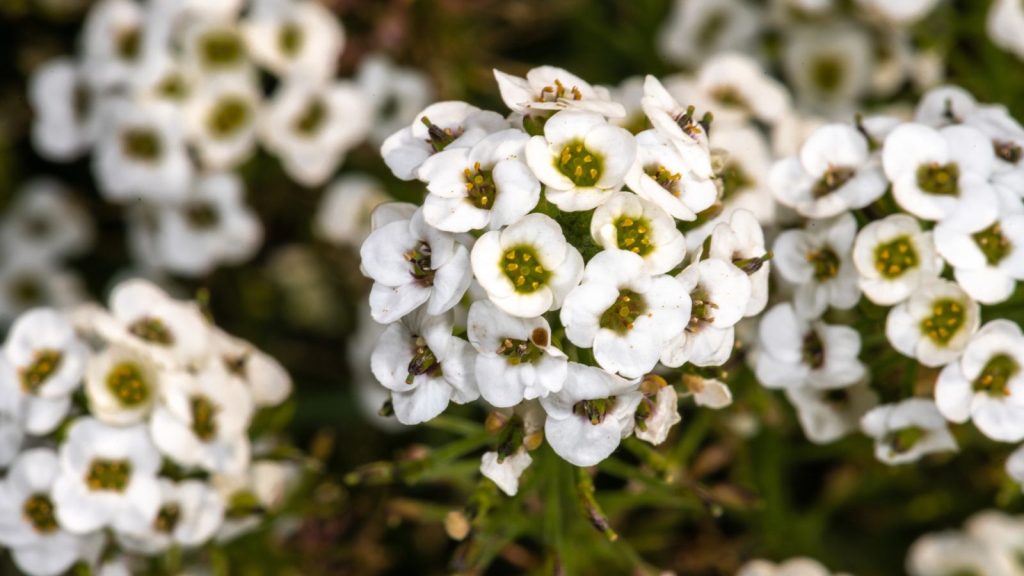
Sweet Alyssum produces clusters of tiny, fragrant flowers that cascade over the edges of containers. Its
Sweet Alyssum thrives in shallow containers with 4-6 inches of well-drained soil and full sun to partial shade. It’s a low-maintenance annual that blooms from spring to early fall.
6. Ivy Geranium (Pelargonium peltatum)
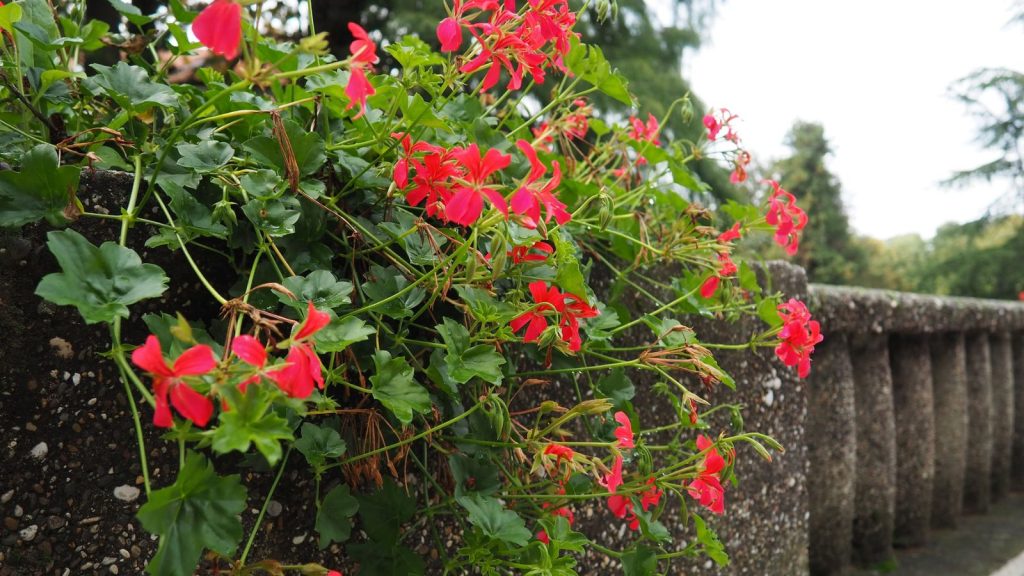
Ivy Geraniums produce glossy, ivy-like leaves and colorful flowers that can trail up to 18 inches long. They prefer full sun, but in hot climates will need partial shade to prevent leaf scorch.
Plant them in well-drained soil and water regularly; allow the soil to dry slightly between waterings. Ivy Geraniums are mildly toxic to pets if ingested.
7. Trailing Nasturtium (Tropaeolum majus)
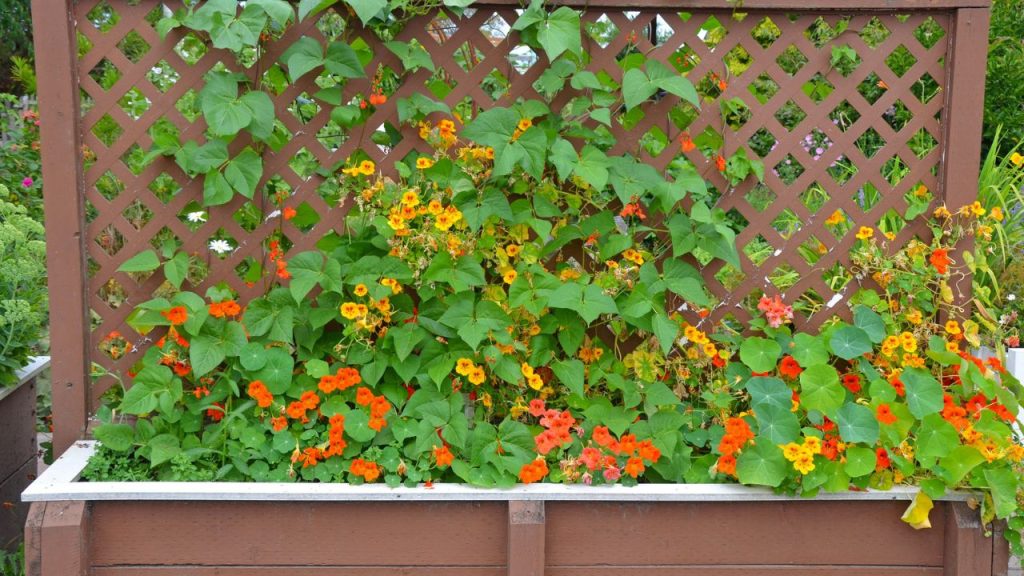
Nasturtiums also have trailing varieties. They produce bright, cheerful flowers and rounded leaves that cascade beautifully over the containers housing them. They’re edible, adding a spicy kick to salads.
Nasturtiums are low-maintenance annuals that thrive in full sun and at least 8 inches of poor to average soil. They’re also a great companion plant for tomatoes and cucumbers, and they help with pest control.
8. Fuchsia (Fuchsia spp.)

Fuchsias are known for their unique, pendulous flowers in shades of pink, purple, red, and white. They grow well in containers with 10 inches of rich, well-draining, moist soil and prefer partial to full shade.
They’re perennials in mild climates but can be grown as annuals. Fuchsia complements shade-loving plants like impatiens and coleus.
9. Verbena (Verbena spp.)

Verbena produces clusters of small, brightly colored flowers with a spreading, trailing habit. The stems can trail up to 24 inches, making them suitable for hanging baskets and tall containers.
Verbena is a heat-tolerant plant that thrives in full sun and well-drained soil that’s at least 8–10 inches deep. Grow verbena alongside plants like lantana and petunias for a very colorful cascade of flowers that brightens up balconies, baskets, or window boxes.
10. Creeping Jenny (Lysimachia nummularia)

Creeping Jenny is famous for its bold chartreuse-colored leaves and small yellow flowers. While it doesn’t bloom profusely like some of the other flowers on this list, its leaves are enough to add texture and color.
It prefers partial shade but tolerates full sun with adequate moisture. Creeping Jenny is suitable for containers with 6–8 inches of moist, well-drained soil. Aesthetically, it pairs well with hostas and ferns.
11. Trailing Pansies (Viola x wittrockiana)

Pansies do not just belong on spring flower beds; they’re also great for creating a cascading effect in containers. Trailing pansies prefer cool temperatures, moist, well-drained soil, and, depending on the climate, do well with partial to full sun.
They’re short-lived perennials in some zones but are most often grown as cool-season annuals. They’re also edible, pet-safe, and attract pollinators.
12. Dichondra Silver Falls (Dichondra argentea)
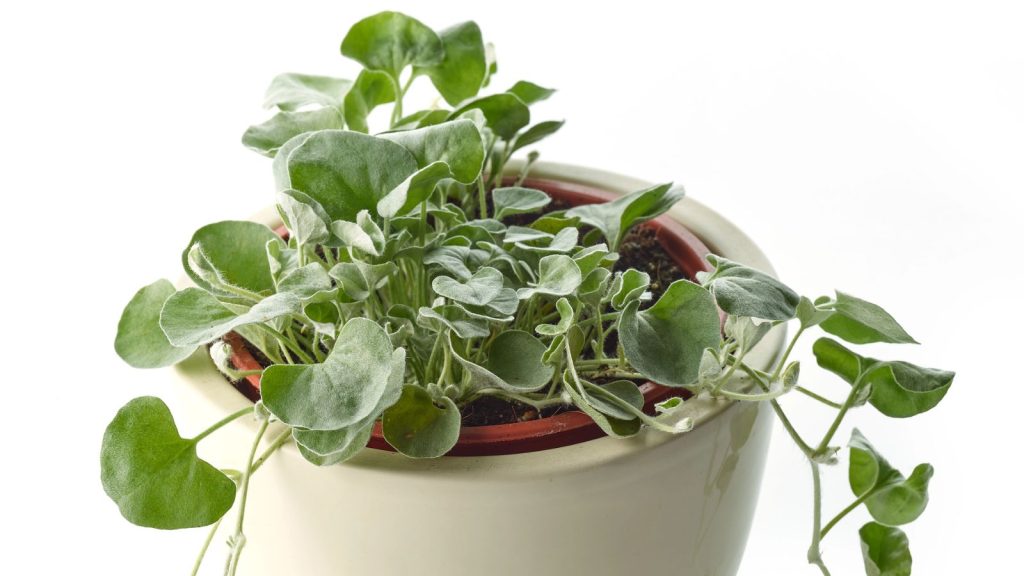
Dichondra Silver Falls features silvery, fan-shaped leaves that cascade gracefully from containers. It thrives in full sun, well-drained soil, and minimal watering. Once established, it is drought-tolerant.
You can plant Dichondra Silver Falls next to other colorful flowers, such as petunias, calibrachoa, coleus, and angelonia, to add a cool, metallic contrast.
13. Fan Flower (Scaevola)

As its common name suggests, Scaevola produces fan-shaped flowers in shades of blue, purple, or white. Scaevola prefers full sun and well-drained soil in a medium-depth container of at least 8–10 inches.
It looks lovely alongside plants like verbena, lantana, million bells, and trailing lobelia. You can also pair it with upright plants like salvia or coleus for contrast.
14. Trailing Snapdragon (Asarina)

Trailing
Trailing