
If your garden gets full sun, you’re in the perfect spot to grow vibrant, long-blooming plants. While annuals only last for one season, they make a big impact with bold color and nonstop blooms. Many sun-loving varieties are low-maintenance, heat-tolerant, and great for attracting pollinators like bees and butterflies.
Here’s your guide to 15 full-sun annuals that bloom all summer. Each one is easy to grow and beautiful to look at.
1. Cornflower (Centaurea Cyanus)

Cornflower produces colorful blooms ranging from blue, maroon, white, and pink. These cheerful flowers thrive in moist, well-drained soil and need at least 6 hours of direct sun a day.
For the best results, plant them in spring so they can start showing off by summer. They attract bees and butterflies, grow 12–36 inches tall, and are suitable for USDA Zones 2a–11.
2. Painted Daisy (Tanacetum Coccineum)
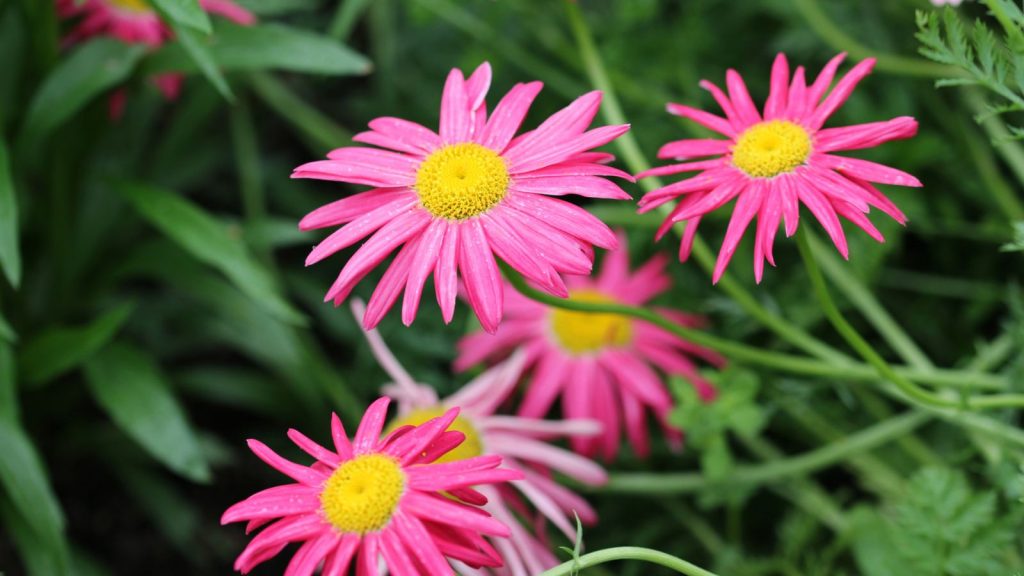
The painted daisy is characterized by its yellow center surrounded by bold, colorful petals (usually white, magenta, or
3. Satin Flower (Clarkia amoena)
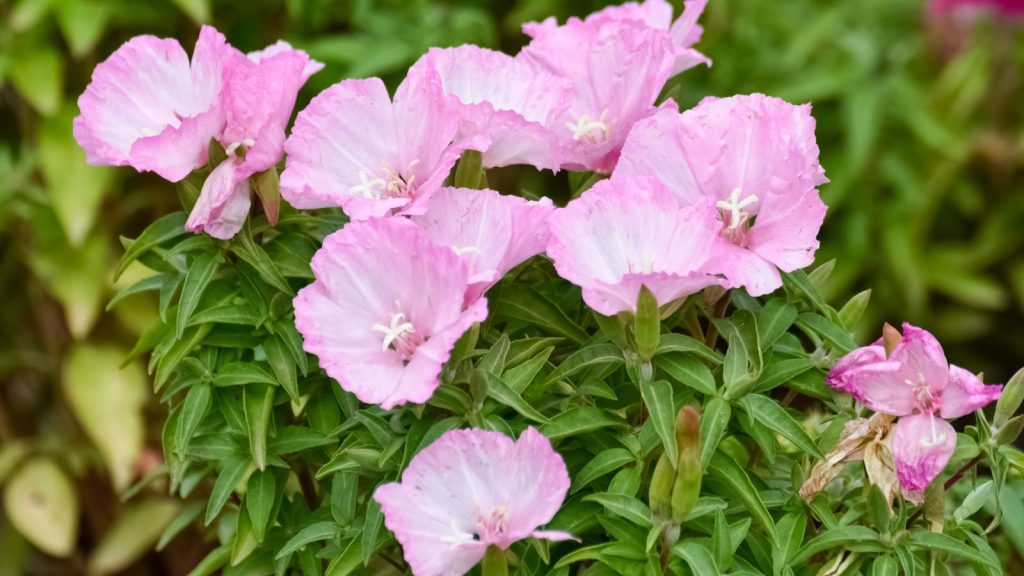
Satin flowers are elegant, complementary, making them a must for a summer garden. The single or double petals are cup-shaped with
They’re delicate in appearance but thrive in full sun. They need well-drained, slightly acidic soil (pH 6.0–7.0) to grow. These allergy-friendly, low-maintenance plants reach 1–2 feet tall and are hardy in USDA Zones 6–10.
4. Summer Snapdragon (Angelonia angustifolia Benth)
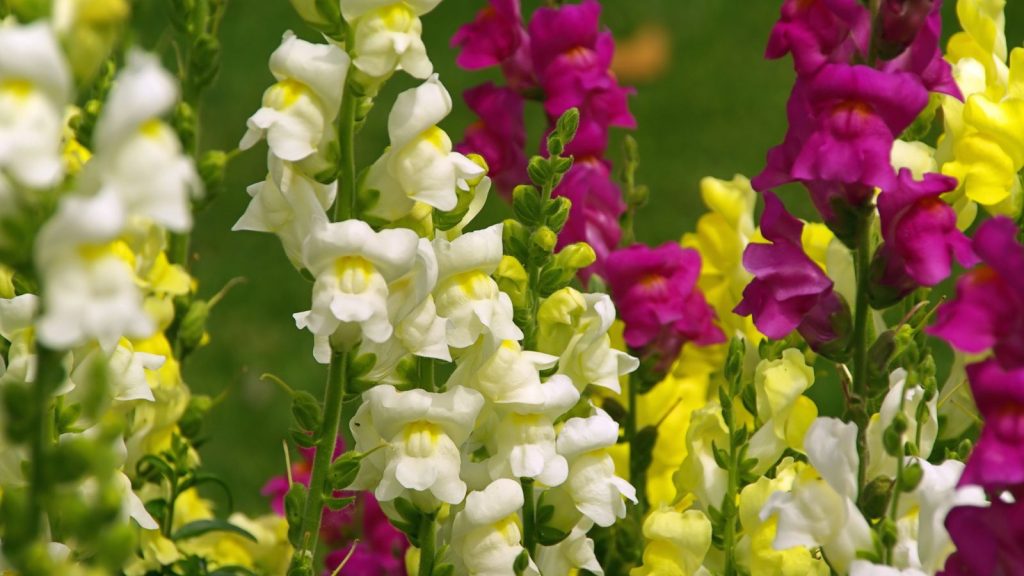
Snapdragons grow in spikes with contrasting pink, purple, or blue petals. Their grape-like odor attracts pollinators like bees.
They need consistent watering, well-drained soil, and 6+ hours of sun. Summer
5. Sweet Pea (Lathyrus odoratus)
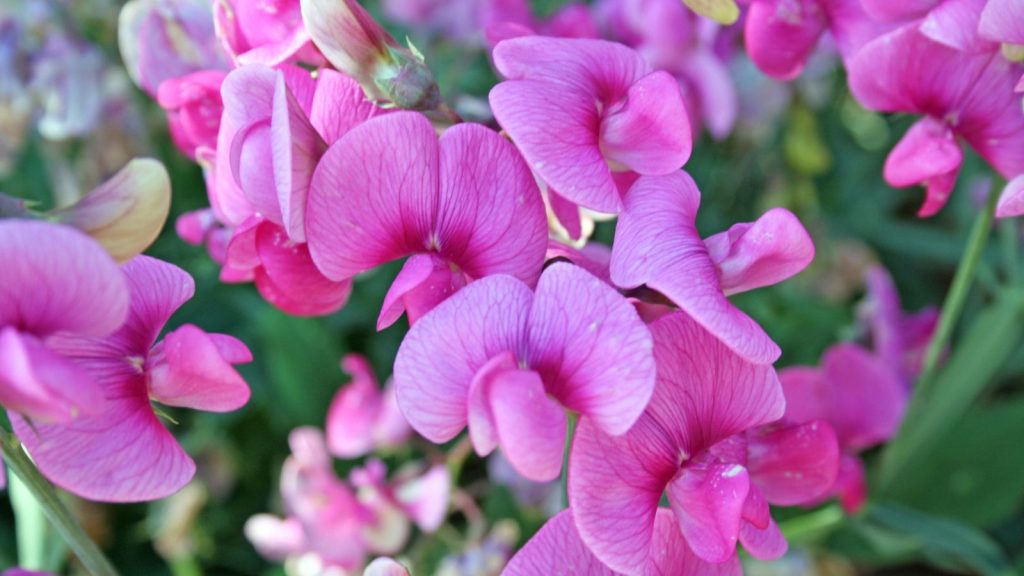
Sweet pea is a charming plant with round and upright flowers. It blooms in colors like red, purple, blue, and pink. These tall beauties can reach up to 6–8 feet in height and produce climbing vines that you will have to support.
They also repel pests, draw in pollinators, and thrive in USDA Zones 3–8. Water the plant at the base to avoid fungal issues, and aim for full sun.
6. Geraniums (Pelargonium)

Geraniums are popular blooms that look a little like rosebuds because of their cluster-like appearance. The flower petals can be oval, long, narrow, or wide and contrast well with spiky plants.
Geraniums are ideal for USDA Zones 9–12 and require about 6-8 hours of sunlight daily and well-drained soil to grow well. Also, leave about 15 inches of space between each plant.
7. Vervain (Verbena)

Vervain is an herb native to Asia and Europe. It has a long stem, small purple flowers, and leaves that often appear in pairs down the stem. Vervains are great pollinators that require 8-10 hours of sunlight daily. They also need well-drained soil (pH 6.0–7.5) and thrive in USDA Zones 7–11.
8. Sage (Salvia Officinalis)

Sage has purple spikes and bushy green leaves. It’s both beautiful and useful as a companion plant with culinary and health uses. Plant it in well-drained soil, prune regularly, and give it about 8 hours of sun. Sage can grow up to 2–3 feet tall and suits USDA Zones 4–10.
9. Firewheel (Gaillardia Pulchella)

Firewheels produce red fiery clusters called umbels. The cluster appears to look like a wheel, hence the name. They thrive in sunny, well-drained areas. To keep the base healthy, water regularly and mulch it.
These flowers attract pollinators and boost air quality. Depending on the variety, fire wheels grow 3–10 feet tall and suit USDA Zones 9–11.
10. South African Phlox (Jamesbrittenia)

This South African native plant thrives in warm weather. It is mostly planted in containers or along garden edges. Its star-shaped petals can be orange, pink, or purple.
The South African phlox is low-maintenance and will thrive in any well-drained soil. Once established, it prefers full sun (8+ hours) and doesn’t need much water. It grows 6–12 inches tall and thrives in USDA Zones 10–11.
11. Zinnia (Zinnia elegans)

Zinnias are a favorite among gardeners for their bright, daisy-like flowers that come in a variety of colors, including red, pink, orange, yellow, and white. These flowers bloom nonstop from early summer until the first frost.
They’re drought-tolerant, love the heat, and attract butterflies like magnets. They’re ideal for USDA Zones 2–11 and prefer full sun and well-drained soil.
12. Ammi (Ammi Majus)

Ammi is native to Northern Africa, Europe, and Asia. This dainty plant has white, lace-like flowers and a slender stem that adds a soft touch to any sunny garden.
It’s a low-maintenance plant that grows well in 8-10 hours of full sun and prefers minimal watering. It suits USDA Zones 2–11 and requires well-drained soil. It’s popular for cut flowers, loved by beneficial insects, and grows 3–4 feet tall.
13. Cosmos (Cosmos bipinnatus)

Cosmos are airy, daisy-like flowers that sway gently in the breeze and bring a whimsical charm to your garden. They’re easy to grow from seed and bloom in shades of pink, white, orange, crimson, and purple.
Depending on the variety,
14. Marigold (Tagetes)

Marigolds are known for their cheerful yellow, orange, and red blooms. When it comes to full sun annuals, they’ll always remain a gardener’s favorite. They are easy to grow and can deter pests, making them great vegetable companion plants.
Give them 6–8 hours of sun, avoid soggy soil, and mulch to keep roots cool. They grow 1–3 feet tall and thrive in USDA Zones 2–11.
15. Sunflower (Helianthus Annuus)

Nothing says “full sun, summer bloom” like a sunflower; it’s literally in the name. These giants need full sun, regular water, and 11–18 weeks to reach full glory. They’re great companion plants because they improve soil health and aeration, and attract beneficial pests and pollinators.
Sunflowers grow 3–10 feet tall and suit USDA Zones 2–11. For proper growth, ensure you water the plant constantly and provide weed control.
21 Cheap Perennials to Grow That Will Make Your Garden Pop

You can fill your space with lush, eye-catching blooms with the right selection without overspending. Here are 21 affordable perennials bringing long-lasting beauty without stretching your wallet this year.
21 Cheap Perennials to Grow That Will Make Your Garden Pop
20 Best Climbing Plants for Your Fences, Trellises and Pergolas

Climbing plants can dramatically transform your garden into an eye-catching feature, offering a unique way of ascending the structures they encounter. Here are the 15 best climbing plants to consider for your garden.
20 Best Climbing Plants for Your Fences, Trellises and Pergolas
19 Stunning Red Flowers to Add Bold Color to Your Garden

Adding red flowers to your garden introduces vibrant pops of color, creating a warm and lively atmosphere. Here’s a list of 19 varieties to brighten your garden, bringing in the perfect touch of spring and summer cheer.