People pinch plants to encourage fuller growth, more blooms, or a neater shape. And for many plants, it works wonders. Unfortunately, not all plants respond the same way. Some plants have specific growth habits that don’t take kindly to being snipped at the tip. Here are 16 plants that you cannot, under any circumstance, pinch.
1. Yucca (Yucca spp.)

Yucca grows from a tough central trunk that stores energy and water. If you pinch that point, it won’t trigger new branches like it would in bushier plants. On the contrary, tampering with the crown can throw the whole plant off balance. It simply stalls growth or creates unsightly damage.
Yucca is already naturally sculptural and doesn’t need shaping. But if you’d still like to tidy it, use sharp, sterile scissors to trim off any dead or browning leaves at the base. And avoid touching the crown.
2. Orchids (Orchidaceae)

Orchids are tropical plants that are famous for their delicate blooms and exotic appearance. They don’t have a typical branching structure, and their leaves and flower spikes grow from a central crown. Damaging that point can permanently halt growth or even kill the plant.
Allow the orchid leaves and spikes to age naturally. After it blooms, wait until the flower spike browns before trimming it off at the base. Keep humidity high, water carefully, and focus on gentle upkeep rather than shaping.
3. Agave (Agave spp.)

Agaves are grown mostly for their form and leaves rather than flowers, so pinching them is counterproductive. Each plant grows from a central rosette, and removing it essentially ends the plant’s life.
Leave the
4. Palm Trees (Arecaceae)
Don’t let the sturdy appearance of a palm tree fool you. Pinching them is essentially a death sentence. Without the terminal bud at the top, palm trees have no way to produce new leaves. Instead, prune only the lower fronds as they turn brown or crispy and never overprune or remove the leaves when they’re still green.
5. Bird of Paradise (Strelitzia reginae)

The Bird of Paradise grows upwards from clumping stems, and while it may look like it needs shaping, pinching doesn’t help. The plant doesn’t branch out in a traditional sense, and cutting off growing tips can distort its natural form.
To keep it looking good, simply remove any old or torn leaves at the base. Also, give it plenty of bright light and space to grow tall.
6. Peace Lily (Spathiphyllum spp.)

Peace lilies are popular because they’re forgiving and easy to grow. That is, until you start pinching them. Pinching the tips can lead to leaf damage or encourage rot if moisture settles in the wound.
You can maintain the plant in other ways, such as regularly wiping the leaves and trimming yellowing or drooping leaves at the base. Also, make sure all parts of the plant receive consistent sunlight.
7. Snake Plant (Dracaena trifasciata)
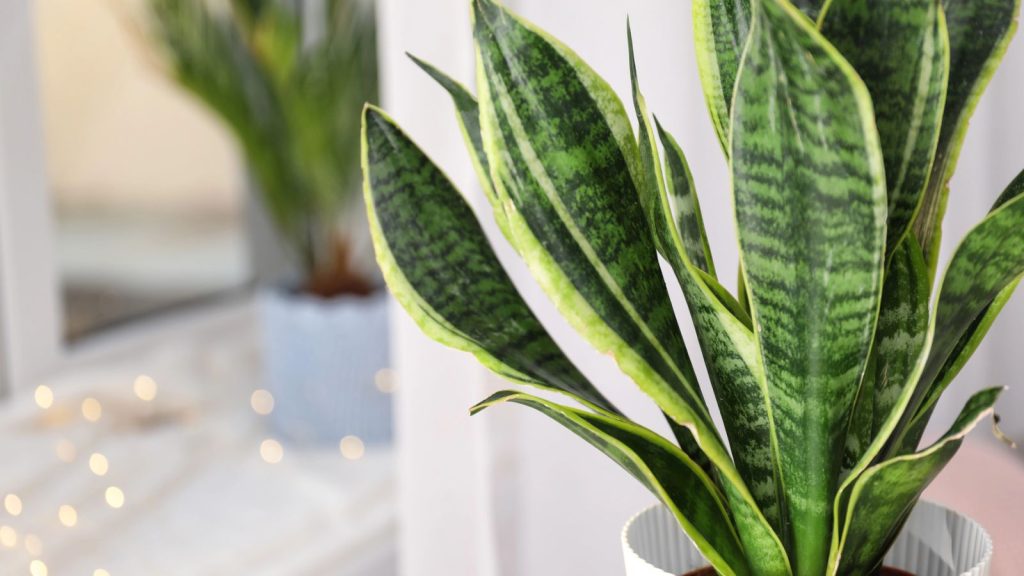
Snake plants are hardy, upright plants with sword-like leaves. People grow for their air-purifying qualities and nearly indestructible nature. The problem is that these plants don’t grow from the tips; each stiff leaf grows from the base.
Pinching the top just leaves you with a chopped, damaged leaf that won’t regrow. Worse, open cuts on succulent leaves can attract bacteria or fungus. If water gets in, rot can spread quickly. If you must trim, remove entire leaves at the base using clean
8. ZZ Plant (Zamioculcas zamiifolia)

Each stalk of the ZZ plant is a self-contained unit, and cutting the tip doesn’t encourage more branches. Instead, it just halts growth for that stem. All you’ll have left is a stubby, brown-tipped stalk that eventually yellows.
For best care, wipe the leaves to keep them shiny and remove whole stems only when they yellow. Otherwise, keep your hands off the plant.
9. Aloe Vera (Aloe barbadensis miller)

Aloe vera is a medicinal succulent known for its soothing gel and spiky rosette form. It grows new leaves from the center of the plant. Pinching an aloe is not only useless, but also damaging. Just let it grow naturally. You can remove whole leaves from the outer edge for use, and new ones will continue to push up from the middle.
10. Symmetrical Succulents

Some succulents, such as Haworthia spp. and Echeveria spp., are loved for their compact forms and symmetry. Pinching them is a fast way to ruin that symmetry or kill them off entirely. Damaged succulents are also prone to rot, especially in humid air or when water collects in open wounds.
Instead, gently remove the damaged lower leaves and let the plant propagate naturally through pups or leaf cuttings.
11. Boston Fern (Nephrolepis exaltata)
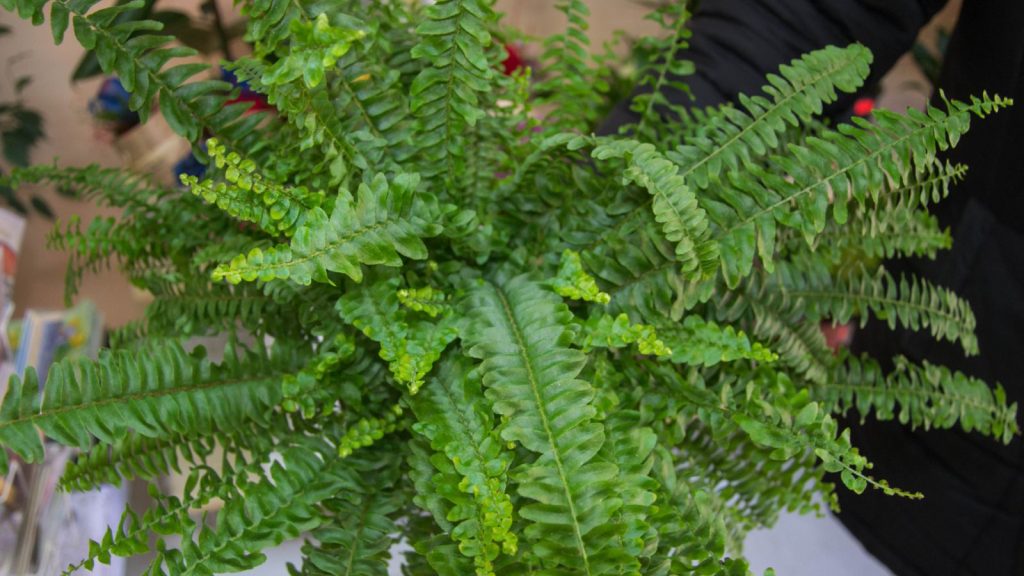
Boston ferns grow outward from a crown and unfurl new fronds over time. If you pinch the plant, you risk damaging the delicate fronds and stressing the plant. Once a frond is damaged, it won’t regenerate.
These ferns don’t need shaping like vines or shrubs, and too much meddling can lead to dieback, stress, or browning. Just keep them happy with filtered light, regular misting, and leave their growth pattern alone. If you must trim, only remove the old fronds at the base.
12. Cast Iron Plant (Aspidistra elatior)

True to its name, the Cast Iron Plant is tough as nails. It grows slowly from rhizomes underground and sends up upright leaves one by one. However, these plants take their time to grow, and messing with their tips doesn’t help things either.
The cast iron plant thrives on minimal interference. Just remove any yellow or damaged leaves at the base, and otherwise, let it chill.
13. Sago Palm (Cycas revoluta)

Despite the name, the Sago Palm is a cycad, not a true palm. It has a thick trunk and stiff, glossy fronds that grow in symmetrical rings. Sago palms are slow growers. It can take them up to 50 years to reach their mature height. If you damage any parts of the plant by pinching, it can take many years to fix that setback.
14. Ponytail Palm (Beaucarnea recurvata)

The Ponytail Palm is a quirky, tree-like succulent with a swollen trunk and long, curling leaves. It’s a very low-maintenance plant that doesn’t require pinching. Cutting the top off can leave it deformed or halt its growth completely.
Some older plants may eventually produce offsets, but they don’t respond to pruning like bushy plants.
15. Amaryllis (Hippeastrum spp.)
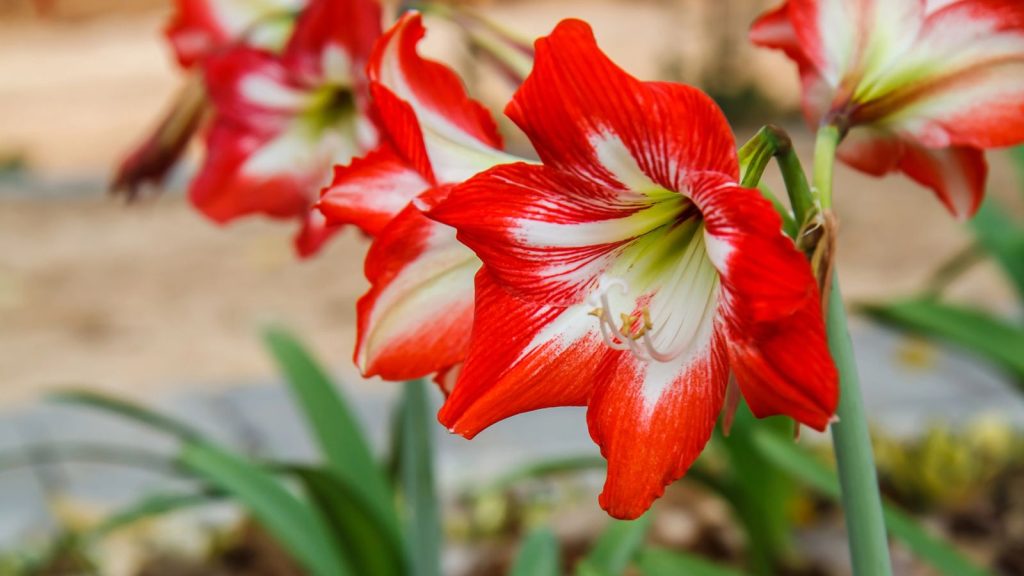
Amaryllis is grown for its big, trumpet-like blooms. Its leaves and flower stalks grow from a bulb. Cutting the green growth while the plant is still active can stop the bulb from storing energy and weaken it for next year.
Wait until leaves yellow naturally, then cut them back. Don’t touch the center unless you’re removing spent flowers or seed heads.
16. Staghorn Fern (Platycerium spp.)

Staghorn ferns are epiphytic plants that grow mounted on boards or trees. Their antler-like fronds grow in all directions, and they also have round basal fronds that help with anchoring and water collection.
These ferns don’t regrow from pinched tips. In fact, damaged fronds just die back. And the basal fronds are vital to the plant’s health. Don’t touch them at all. If a frond browns, allow it to complete its cycle, then trim it back at the base.
How to Water Your Garden The Right Way

There are watering best practices that strike the perfect balance. Let’s make sure your plants stay happy and hydrated!
How to Water Your Garden The Right Way
I’ve Grown Tomatoes for Years —These Are the Tips That Actually Work
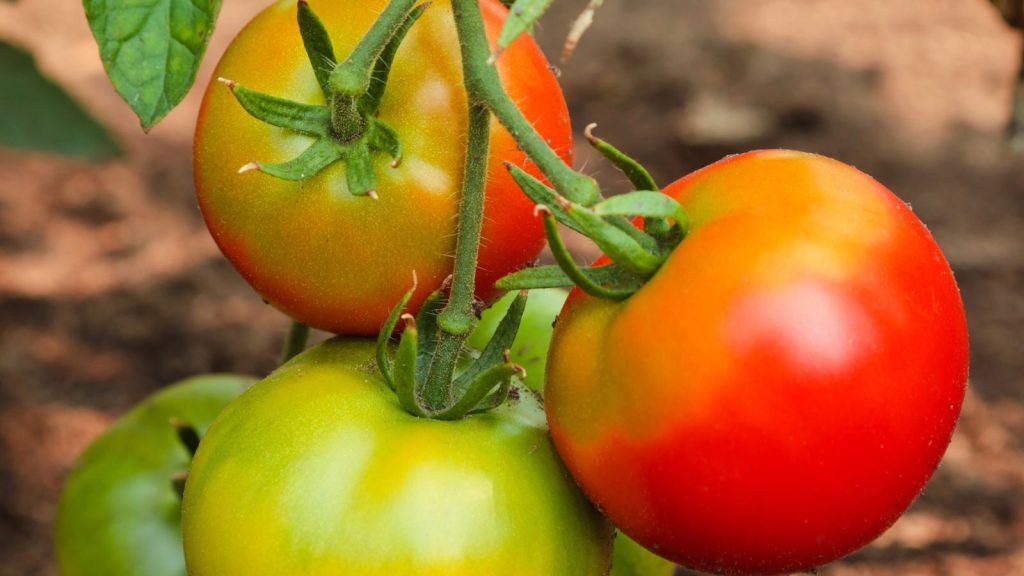
f you’re tired of trial and error and need advice that actually yields results, here are 18 tips that’ll help you grow the best tomatoes of your life.
I’ve Grown Tomatoes for Years —These Are the Tips That Actually Work