Seed saving sounds simple—until you actually try it. I remember thinking, It’s just collecting seeds. How hard can it be? But like many gardening tasks that seem beginner-friendly, the challenge is in the details.
You’re growing healthy plants that produce strong, viable seeds, then harvesting and storing those seeds properly so they’ll sprout next season. A lot can go wrong along the way.
Fortunately, a few seasons later (and so many trials and errors), I was able to figure out what works and what doesn’t. Here’s a guide to help you start your seed-saving journey.
1. Choosing Varieties to Save

Choosing the right varieties is where many beginners go wrong with seed saving. It’s easy to see a beautiful, thriving plant and decide to save seeds from it for next season. But if that plant is a hybrid, the seeds often won’t grow true to type.
For reliable results, stick with open-pollinated or heirloom varieties. These types consistently produce plants that are similar to the parent. If you want predictable outcomes, always check the seed packet or plant label before deciding to save seeds.
2. Selecting the Best Plants

If the plants are disease-prone or weak, there’s a high chance that those traits will be passed along via their seeds. So be very discerning when choosing what seeds to save. For the best results, only save seeds from the healthiest, strongest, tastiest, and productive plants.
3. Starting with Easy Crops

There’s no shame in choosing easy crops like beans,
They also don’t require complex methods or any special equipment. That way, you can get quick, reliable results that’ll boost your confidence. Once you’ve learned the basics, you can then move on to trickier plants.
4. Timing the Harvest

It’s easy to get impatient and collect seeds too early, scooping them up from green pods or unripe fruits. But you’d be doing yourself a big disservice. Seeds need to mature on the plant fully, and immature seeds usually won’t germinate.
For tomatoes and peppers, waiting until the fruit is fully ripe (even slightly overripe) before harvesting them works best. For beans and
5. Saving Many Seeds at Once

Don’t get greedy and save too many seeds at once. It may seem efficient, but storing too many, especially from multiple plants or varieties at once, can quickly become overwhelming. Without proper labeling and organization, it’s easy to forget which seeds came from where or when they were harvested.
Even if you label properly, some seeds will lose viability before being used. Saving only what you need (plus a little extra) keeps things manageable, reduces clutter, and ensures you’re not stuck with a pile of mysterious, unusable seeds next season.
6. Cleaning Seeds Properly

Generally, if your seeds are clean, it’s easier to store them and they sprout more reliably when planted. Dry seeds will germinate just fine after being shelled, dried, and winnowed.
However, for wet seeds, you need to remove any leftover pulp or debris, as these can lead to rot or mold. This means the seeds need to be thoroughly rinsed and, in some cases, fermented for a few days before being dried for storage.
7. Drying Properly

One big lesson you’ll learn when you start saving seeds is that they must be completely dry before storing. You can never dry your seeds enough. Some of them may appear dry on the outside but still retain moisture inside, which can cause mold or rot in storage. Spread your seeds out on a paper towel or screen in a cool, dry place for at least a week before storing.
8. Storing Seeds the Right Way

Do not store your seeds in plastic bags and random jars, as they will trap moisture and ruin the seeds. Store your seed in a cool, dark place in paper envelopes or small glass jars with tight lids. Even so, you need to add a silica gel packet to make sure they don’t absorb any moisture from the environment.
9. Label Everything

You don’t want to listen to that voice nudging you not to write important stuff down. Because when you need that information later on, your memory will disappoint you. Label your seeds clearly with the plant name, variety, and date to avoid confusion in the future.
For consistent results, you can take it a step further by including notes. Write down where the plant grew, the things that helped it grow, or how it performed.
10. Germination Testing

A simple germination test with a damp paper towel can help you determine what seeds are worth planting. If less than half the seeds sprout, it means the batch has a poor germination rate. You can either offset this by sowing the seeds more thickly to compensate or save yourself the trouble by starting with a fresh set of seeds.
11. Cross-Pollination Risks

Plants like squash and corn cross-pollinate easily, which can lead to unexpected results. Saving seeds from mixed plantings often produces strange hybrids the following year. It helps to grow only one variety at a time or separate different types by distance. That way, you can keep seeds true to type. In smaller gardens, hand-pollination and covering flowers with bags also work well for crops prone to cross-pollination.
12. Seed Longevity Differences

Seeds do not have the same shelf life, even if you harvest them at the same time. Seeds from plants like onions or parsnips lose viability quickly and should ideally be replanted as soon as possible. However, seeds from beans or tomatoes can last significantly longer in storage.
Learning the typical shelf life of each type will help you rotate your seed stock wisely and avoid disappointment at planting time.
13. Planting with Pollinators in Mind

Many people are unaware of the crucial role pollinators play in successful seed production. Without bees, butterflies, or other pollinating insects, some crops like cucumbers, squash, fruits, and vegetables won’t produce well-formed seeds at all. If the goal is to save seeds, include pollinator-friendly flowers like
14. Chemicals on Seed-Producing Plants

From experience, using chemical pesticides or synthetic fertilizers on plants meant for seed saving sometimes led to poor germination or weaker seedlings the next season. To keep seeds as healthy and natural as possible, switch to organic practices for pest control and fertilization, especially on the plants you’ve marked to save seeds from.
15. Using the Right Tools
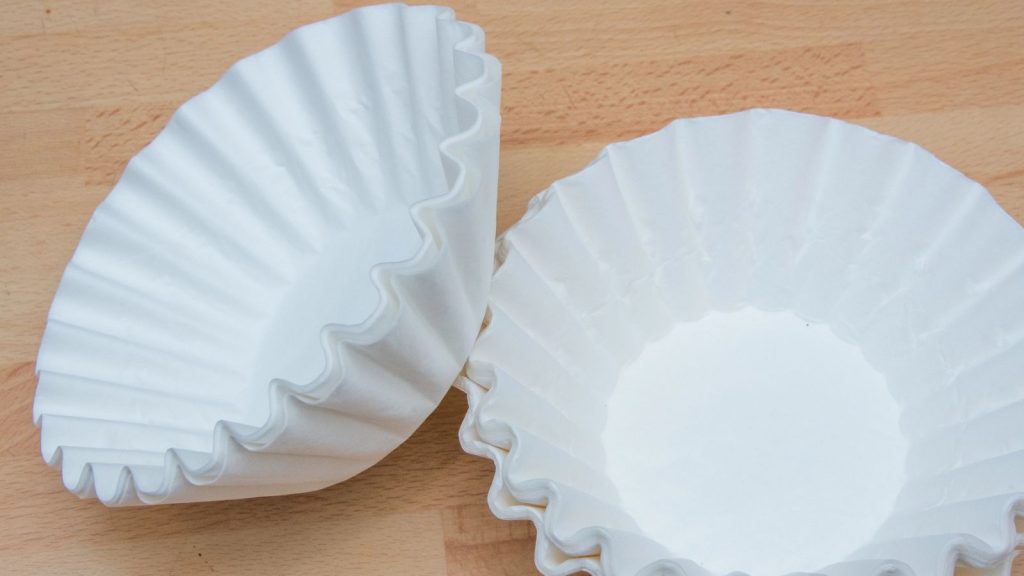
It can be very frustrating and messy to clean tiny seeds by hand. Tiny seeds will slip through your fingers, and chaff will cling to everything. If you don’t want to quit before you even start, invest in a few tools to make your work easier.
For example, you can use tools like fine mesh sieves to separate small seeds from debris with ease. Drying and winnowing can be more efficient when using large screens and trays. Even simple kitchen items, such as strainers and
16. Sharing and Swapping Seeds

One of the most surprising and rewarding parts of community seed saving is connecting with other gardeners. People sometimes swap seeds from their best plants, and you get to receive new varieties in return. Trading seeds is one way to quickly expand your garden.
It also provides access to regionally adapted seeds that perform better in your specific climate. Just remember to label everything clearly and swap with folks who follow good seed-saving practices.