
Planting in shallow, rocky soil presents unique challenges because it has limited water, nutrients, and other essential resources. You need the hardiest, most drought-tolerant plants with shallow roots to survive such harsh conditions, without requiring all your attention and time.
You can transform the most unfavorable soil into lush gardens with the right plant selections. This article focuses on the best plants to grow on shallow rocky soils.
1. Pinks (Dianthus spp.)

Dianthus Pinks are excellent choices for rocky soils. They add a splash of color to the garden and are relatively low-maintenance.
2. Catnip (Nepeta cataria)

Catnip, also known as
3. Butterfly Weed (Asclepias tuberosa)
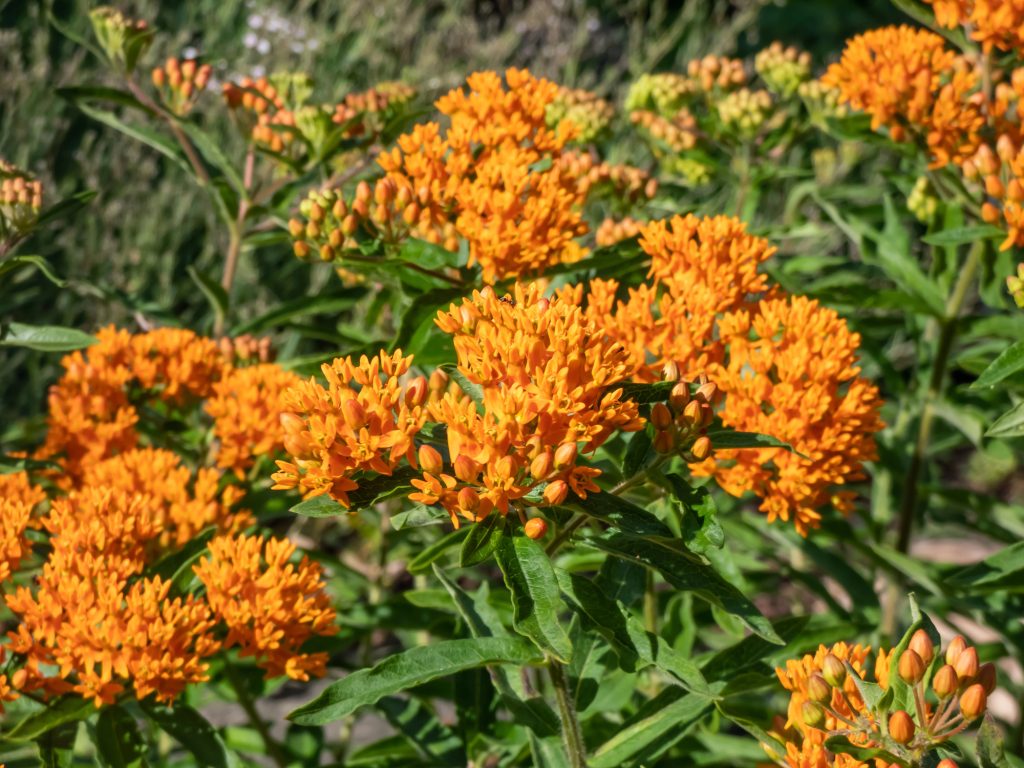
Butterfly weed is a wildflower native to Northern and Eastern America. Its yellow flowers attract pollinators, especially monarch butterflies, which is why it’s called ‘Monarch’. Butterfly weed has deep tap roots that help it tolerate dry conditions. It also thrives in neutral/ acidic, well-drained soil in USDA zones 4 to 9.
4. Sedum (Stonecrop spp.)

Sedum, or stonecrop, covers a variety of succulent species that grow well in rocky soils. They are commonly grown for two reasons: they are tolerant of a wide range of conditions. The other reason is their diversity. Sedum’s foliage can be either purple or green; they may also be either low-growing plants or upright plants with yellow, white, pink, or purple blooms.
Sedums prefer full sun and well-drained soils, thriving in USDA zones 3 to 9. Sedums are drought-resistant and often used as groundcovers or in rock gardens.
5. Lavender (Lavandula spp.)

Lavender is a low-growing flowering plant that attracts pollinators with its green leaves and purple flowers. This aromatic perennial thrives in rocky, well-drained soils and full sun.
6. Coneflower (Echinacea purpurea)

Coneflowers are native perennials that adapt to a wide range of soil types, including rocky terrain. They’re easy to care for, thrive in USDA zones 3 to 9, and prefer full sun and well-drained soils. Partial shading can cause fewer blooms.
7. Aloe Vera (Aloe barbadensis miller)

Aloe vera is a succulent plant and an evergreen perennial known for its medicinal properties. It’s well-adapted to rocky, sandy soils and thrives in USDA zones 8 to 11, requiring full sun and minimal water. Aloe vera’s fleshy leaves store water, making it exceptionally drought-tolerant. Prune dead or yellow leaves for optimal growth.
8. Yarrow (Achillea millefolium)
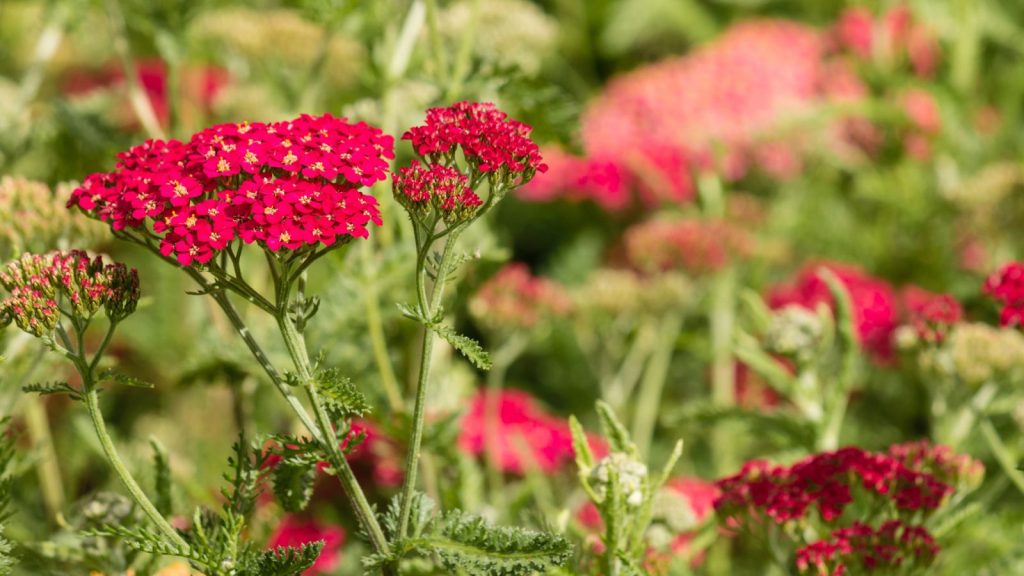
Yarrow is a hardy perennial tolerant of many types of soil, including poor and rocky ones. This plant can grow a meter tall and produces fern-like, white flowers with a strong odor. Its feathery foliage and flat-topped flowers attract beneficial insects.
9. Russian Sage (Perovskia atriplicifolia)

Russian sage is a woody perennial with silvery leaves and
10. Ajuga (Ajuga reptans)

Ajuga, or bugleweed, is a low-growing plant usually used as ground cover. Ajuga’s dense foliage suppresses weeds, and blooms from April to July to produce spiky blue or purple flowers. It thrives in USDA zones 3 to 10 and tolerates partial shade and moist, well-drained soils.
11. Verbena (Verbena officinalis)

Verbena is a tall, airy plant that can be grown as an annual, perennial, or subshrub. It thrives in rocky, well-drained soils. It prefers full sun and is hardy in USDA zones 7 to 10 (as a perennial) and zones 1 to 6 (as an annual). Verbena’s clusters of purple flowers attract butterflies and add vertical interest to gardens.
12. Blue Fescue (Festuca glauca)

Blue fescue is an ornamental grass famous for its blue-gray leaves. It prefers full sun and well-drained soils, growing well in USDA zones 4 to 8. Blue fescue forms neat clumps and adds a nice color contrast and texture to gardens grown on rocky soils.
13. Oxeye Daisy (Leucanthemum vulgare)

Oxeye is a resilient wildflower that grows well in rocky soils. It prefers full sun and well-drained conditions, suitable for USDA zones 3 to 8. Its classic white petals and yellow centers bloom with minimal care and bring a cheerful presence to dry areas.
14. Hens and Chicks (Sempervivum tectorum)

Hens and chicks are succulent rosettes that excel in rocky, shallow soils. Their fleshy leaves can sometimes feel hairy or sleek. During the summer, the plant produces reddish-purple to pink star-shaped blooms.
Hens and chicks require full sun and well-drained soils and grow best in USDA zones 3 to 8. These low-growing plants are drought-resistant and require little maintenance.
15. Creeping Thyme (Thymus serpyllum)
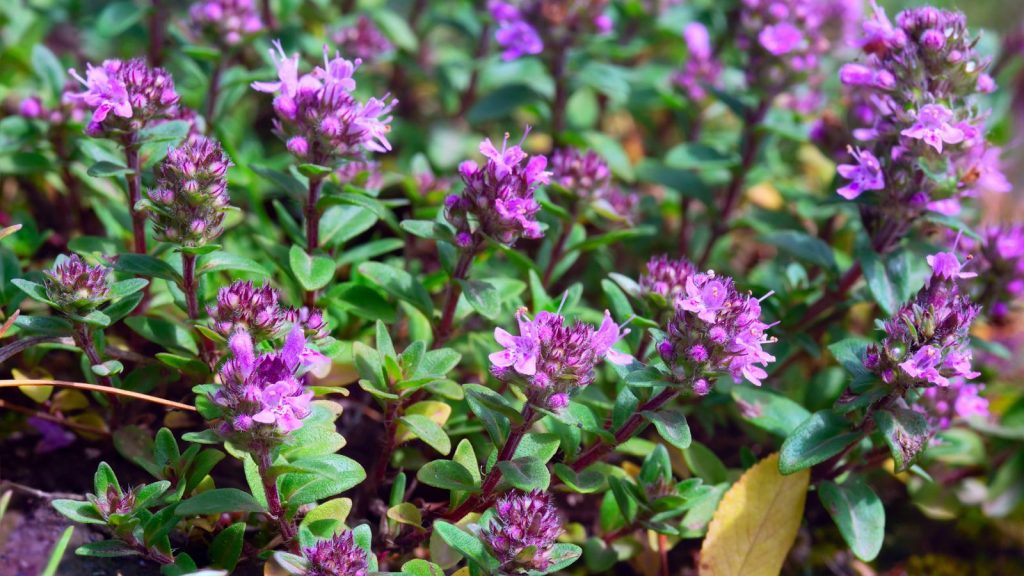
Creeping thyme is a fragrant groundcover that thrives in rocky soils. It prefers full sun and well-drained conditions, and thrives in USDA zones 4 to 8. Creeping thyme produces tiny purple flowers and releases a pleasant aroma when walked upon.
16. Golden Oats (Celtica gigantea)
Golden oats, also known as giant needle grass, are evergreen ornamental grasses native to southern Europe and Morocco. Its leaves are usually coarse and bluish-gray, while its tall, arching stems bear golden seed heads that sway gracefully in the breeze.
Golden oats require full sun and well-drained soil. It requires minimal maintenance and thrives in rocky soil, suitable for USDA zones 5 to 8.
17. Rock Cress (Arabis spp.)
Rock cress is a low-growing perennial that forms mats of colorful flowers over rocky soils. It prefers full sun and well-drained conditions. Rock cress blooms in early spring and is suitable for USDA zones 4 to 7.