
Kale is a cool-season crop that’s loved by many for its nutritional value, hardiness, and leafiness. But even the toughest vegetables grow better when they have the right neighbors. Companion planting is a time-tested gardening strategy in which plants are grown together for mutual benefits, such as pest control, improved flavor, and healthier growth.
When it comes to kale, surrounding it with the right vegetables, herbs, and flowers can make all the difference in the garden. Here are 18 excellent companions for kale you should consider adding to your garden this season.
1. Beets (Beta vulgaris)

Beets are root crops that don’t compete with kale for space or nutrients above ground. In fact, they’re great space-savers, growing low while kale grows tall. They also help loosen compacted soil, improving aeration and water movement, something kale roots appreciate. Plant
2. Celery (Apium graveolens)
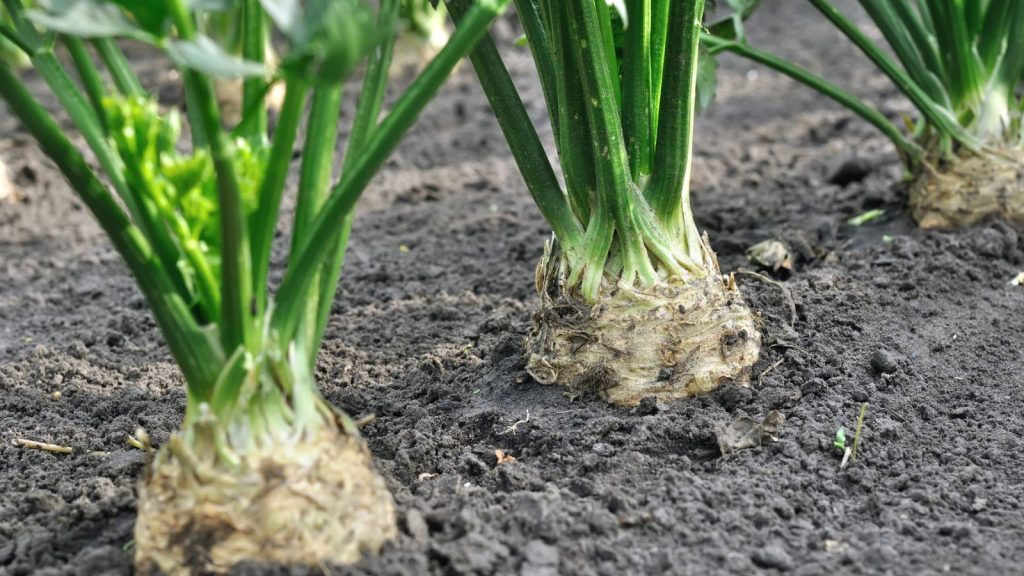
Celery and kale are both moisture-loving crops with similar growing needs. Celery protects kale from pests like cabbage moths by releasing a strong aroma that helps mask the scent of the kale. Plant in cool spring weather in USDA zones 4 to 10, and keep soil consistently moist and rich in compost for best results.
3. Chamomile (Matricaria chamomilla)

Although popular for its calming tea, chamomile also has a calming presence in the garden. It attracts hoverflies, ladybugs, and parasitic wasps, all of which prey on common kale pests.
Folklore has long regarded chamomile as a “plant doctor” believed to improve the health of nearby plants. Grow chamomile in USDA zones 3 to 9, in full sun and well-drained soil.
4. Cilantro (Coriandrum sativum)
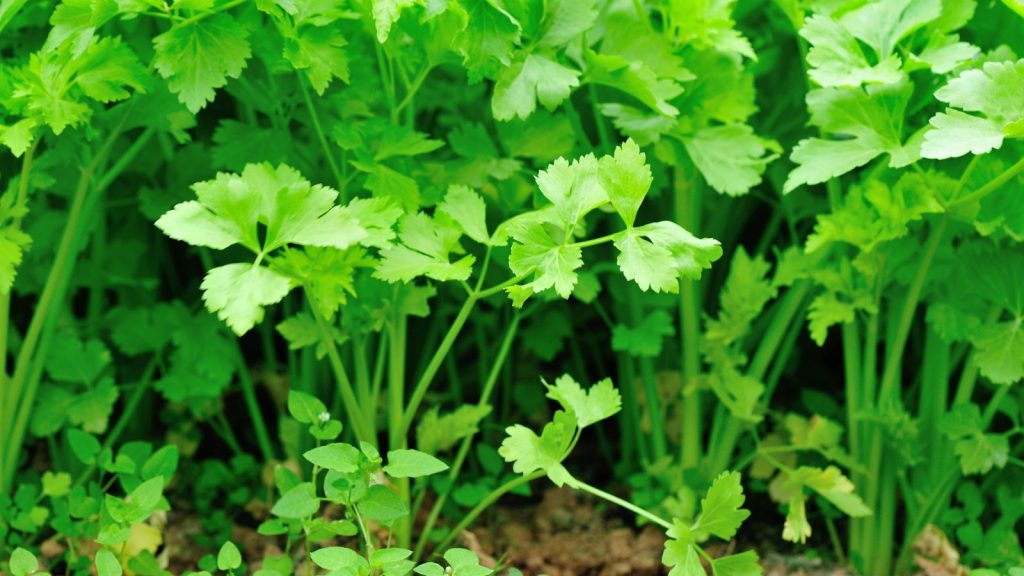
Cilantro grows really quickly and blooms delicate flowers that attract lacewings and hoverflies, two great allies in the war against aphids. Aesthetically, it also adds a nice contrast to kale’s broad leaves. Sow in early spring or fall in USDA zones 3 to 11 for maximum benefit.
5. Dill (Anethum graveolens)

Dill has several benefits that make it a great companion plant for kale. First, it’s a natural magnet for beneficial insects like ladybugs and parasitic wasps.
It also helps deter cabbage loopers, which are a major kale pest. Its airy leaves don’t compete with kale for light or space. Plant in full sun in USDA zones 2 to 9 after the danger of frost passes.
6. Sweet Alyssum (Lobularia maritime)
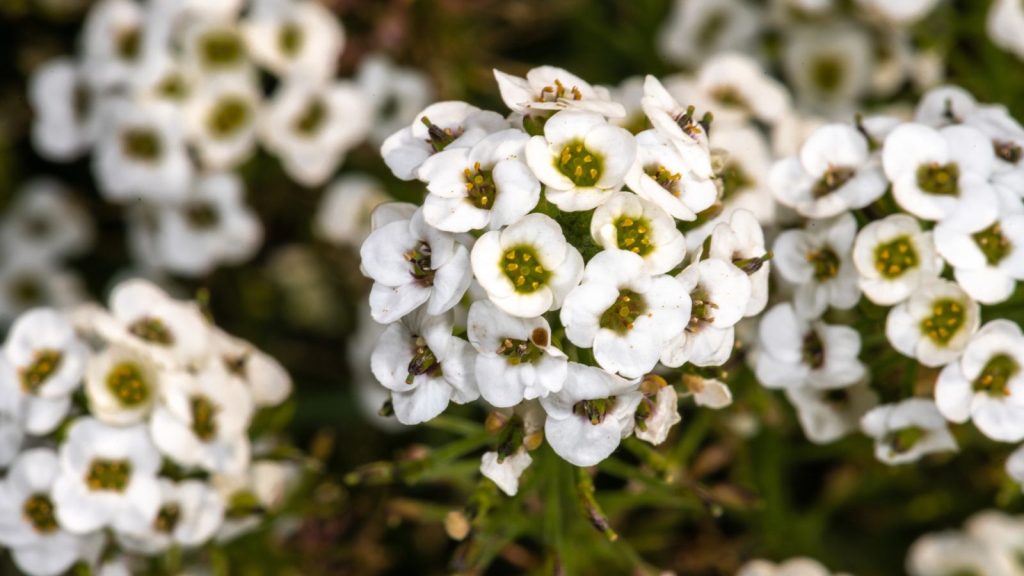
Sweet alyssum is a low-growing flowering plant that attracts beneficial insects with its tiny white, purple, or pink flowers. The beneficial insects include ladybugs, lacewings, and hoverflies, all of which feed on aphids and soft-bodied pests. It also acts as a living mulch, helping to shade the soil, suppress weeds, and retain moisture during the heat.
This cool-season annual grows best in full sun to partial shade and well-drained soil. It thrives in USDA zones 5 to 9 and can be planted between rows or along borders for maximum effect.
7. Mint (Mentha spp.)
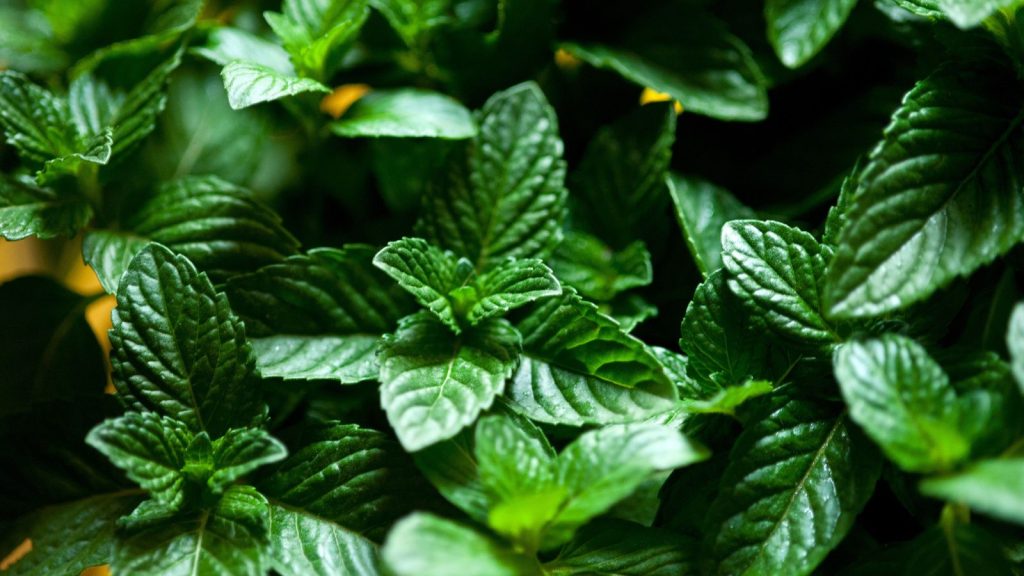
Mint’s strong scent confuses pests like flea beetles and cabbage moths, making it an excellent border plant near kale beds. Just be careful: mint spreads aggressively and can become invasive.
This herb is best grown in containers nearby rather than directly in the soil. It’s hardy in USDA zones 4 to 9, preferring partial shade and moist soil.
8. Nasturtiums (Tropaeolum majus)

Nasturtiums act as a “trap crop,” luring aphids, cabbage worms, and other pests away from kale. Their edible flowers also add beauty and attract pollinators to the garden.
They sprawl easily along garden edges, protecting kale without competing for space. Plant in full sun in USDA zones 9 to 11 after the last frost. They prefer full sun to partial shade and well-drained soil.
9. Onions (Allium cepa)

Onions act as a natural insect deterrent due to their strong sulfur scent. They help mask the smell of kale and keep aphids, slugs, and cabbage worms at bay. Since they grow tall and narrow, they don’t crowd out kale. Plant in rich, well-drained soil in USDA zones 3 to 9.
10. Peas (Pisum sativum)

Peas act as nitrogen-fixers, which help enrich the soil. Leafy crops, such as kale, require a significant amount of nitrogen to grow and yield well.
Additionally, their climbing habit allows them to coexist with kale without competing;
11. Potatoes (Solanum tuberosum)
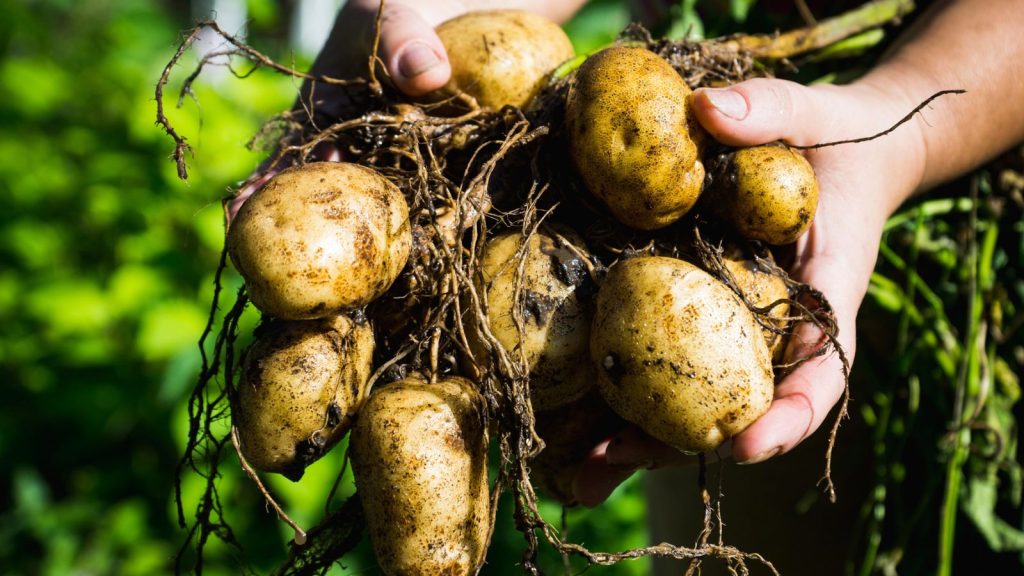
Potatoes and kale grow well together if given enough space. While kale repels some pests that plague potatoes, potatoes help break up heavy soil, which benefits kale’s root development. Potatoes are best planted in early spring in USDA zones 3 to 10. Space the plants well to avoid overcrowding and the other issues that come with it.
12. Radishes (Raphanus sativus)
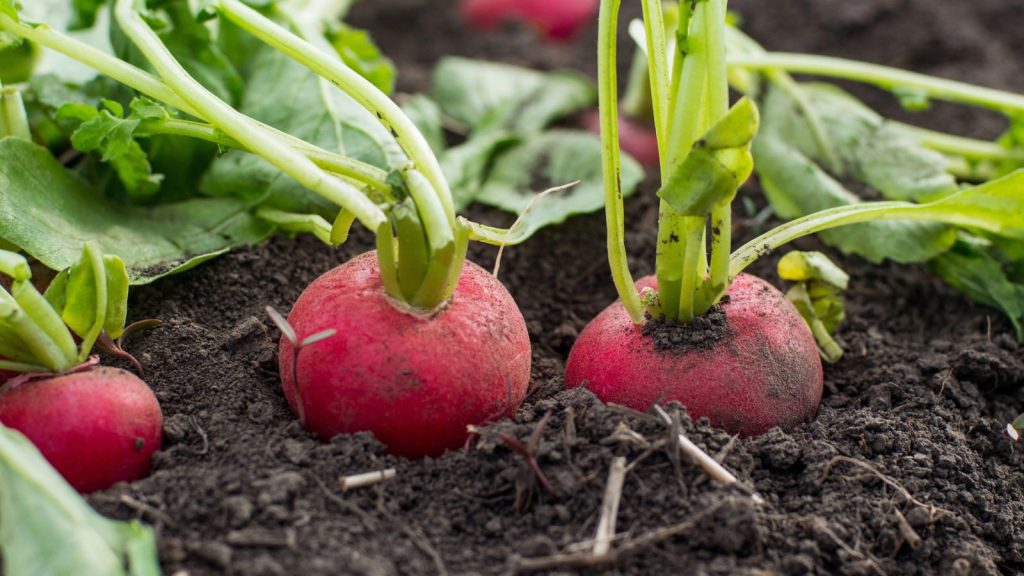
Radishes grow quickly and can serve as an early warning system for pest problems, acting as a trap crop for flea beetles that draws them away from kale. They also help loosen soil and don’t compete with kale for light. Scatter sow around kale in spring or fall in USDA zones 2-10, and harvest within a few weeks.
13. Catnip (Nepeta cataria)

As a companion to kale,
Plant
Related: Catnip Loves Company—Here Are 15 Companion Plants to Grow Beside It
14. Yarrow (Achillea millefolium)

Yarrow’s ability to attract a wide range of beneficial insects, from predatory beetles to parasitic wasps. It also helps to improve soil structure and break up heavy soil when allowed to spread naturally.
Yarrow is hardy in USDA zones 3 to 9, drought-tolerant, and practically maintenance-free once established. It thrives in full sun and prefers poor to average, well-drained soil.
15. Thyme (Thymus vulgaris)
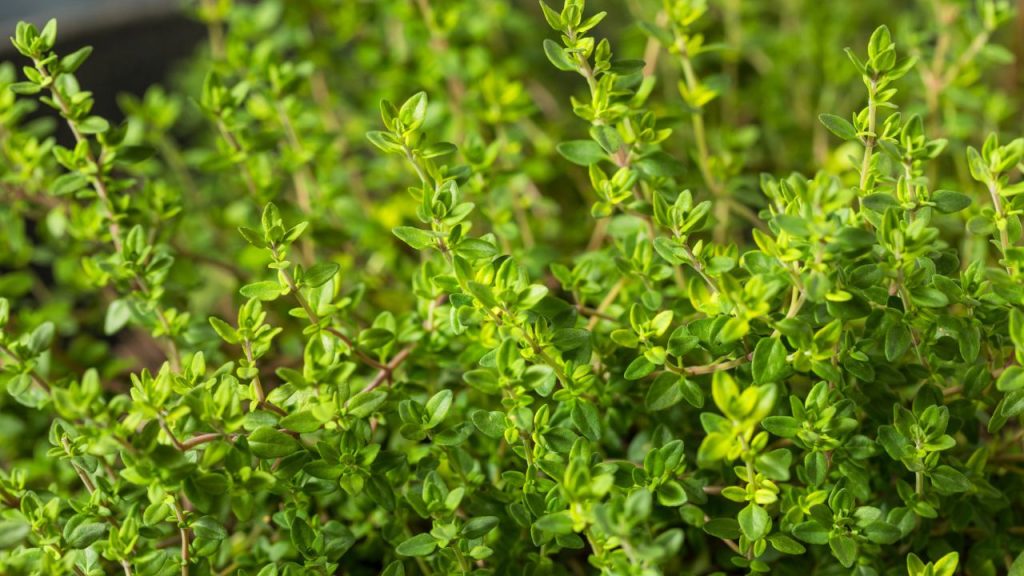
Thyme may be a small plant, but it’s mighty. It repels cabbage worms and whiteflies while serving as a favorite landing pad for pollinators. It also acts as a living mulch, keeping weeds out and soil moist. Plant thyme in sandy, well-drained soil in USDA zones 5 to 9.
16. Sage (Salvia officinalis)
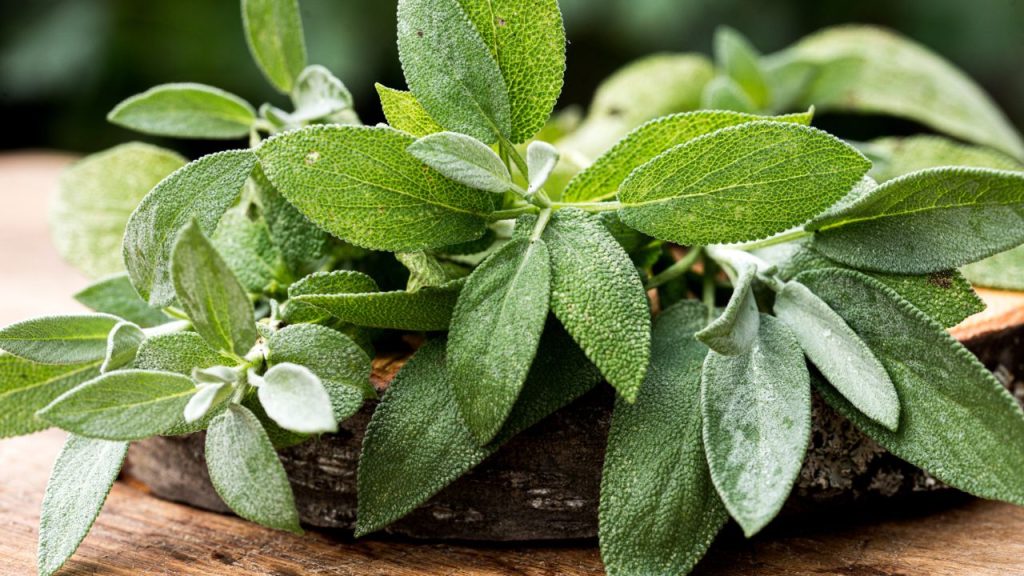
Sage has a strong fragrance that deters many of kale’s worst pests, including cabbage loopers and flea beetles. It also creates a nice visual effect in the garden as its silvery leaves contrast nicely with kale’s dark greens. Sage prefers dry, well-drained soil and thrives in USDA zones 4 to 8 with full sun.
17. Rosemary (Salvia rosmarinus)

Rosemary’s pungent smell repels pests like cabbage moths, which can devastate kale crops. It’s a woody perennial that doesn’t like excess moisture but grows well near kale if drainage is good. Rosemary also attracts bees and beneficial insects. Grow in full sun in USDA zones 7 to 10, or treat as an annual in cooler climates.
18. Marigolds (Tagetes spp.)

Marigolds are classic companion plants known for their pest-repelling abilities. They release a scent that deters nematodes, aphids, and even rabbits that like to feed on kale.
Their bright orange and yellow flowers also attract pollinators and beneficial predators. Plant
Related: Why Marigolds Deserve a Spot in Your Garden Year After Year
Plants to Avoid Planting Near Kale
As a rule of thumb, avoid planting kale near other plants from the Brassicaceae family. This includes cabbage, Brussels sprouts, mustard greens, cauliflower, broccoli, and turnips. These close cousins compete for the same nutrients and are vulnerable to many of the same pests and diseases.
Planting them together creates a buffet for pests and increases the likelihood of disease spreading across your garden bed.
Also, keep nightshades like tomatoes and peppers at a distance, as they can stunt kale’s growth in some conditions. And steer clear of strawberries and grapes, which may compete for space and nutrients while inviting fungal issues.
Your Strawberries Will Thank You for Growing Them Next to These 21 Plants
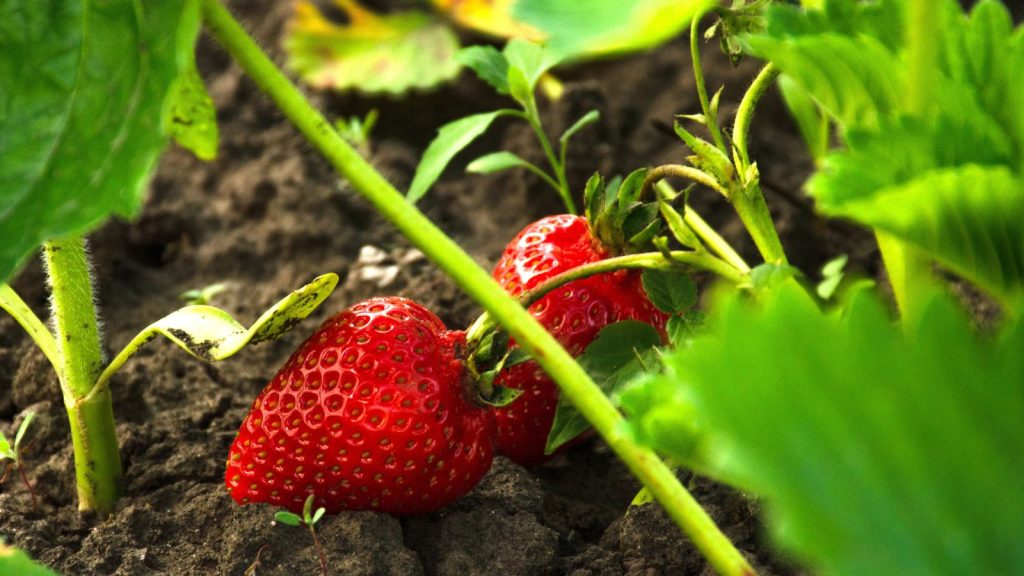
While some gardeners remain skeptical about companion planting, many have experienced firsthand the benefits of strategically pairing crops. Healthier plants, fewer pest issues, and a more abundant harvest are just a few of the advantages that make this method worthwhile. Here are 21 plants that can help your strawberries thrive.
Your Strawberries Will Thank You for Growing Them Next to These 21 Plants
32 Colorful Perennials That Will Never Leave Your Garden Once Planted

If you want to brighten your garden, consider these 32 colorful varieties that will thrive and bring life to your outdoor area year after year.
32 Colorful Perennials That Will Never Leave Your Garden Once Planted
29 Deer Resistant Flowers with The Most Beautiful Blooms

If you’re looking for beautiful, deer-resistant flowers to add color and charm to your garden, here are 29 stunning options that deer will likely leave alone.