It can be challenging to find the perfect rabbit-resistant plant, as rabbits will eat almost anything if they are hungry enough. However, many perennials can discourage rabbits from invading your garden. Some of these plants might have leaves, bulbs, or flowers that are toxic to rabbits.
You should check the plants on this list if you’re looking to grow a beautiful garden with plants that can also resist rabbits’ nibbling.
1. Larkspur (Delphinium)

Larkspur grows in shades of pink, white, violet, red, or purple. Larkspur has dangerous levels of alkaloids that can be toxic to rabbits and other mammals once ingested.
This short-lived perennial thrives in USDA zones 2-9 and requires full sunlight and well-draining, moist soil to thrive. It can reach heights of 6 feet, and its shoot also needs support as the plant grows.
2. Allium (Allium)
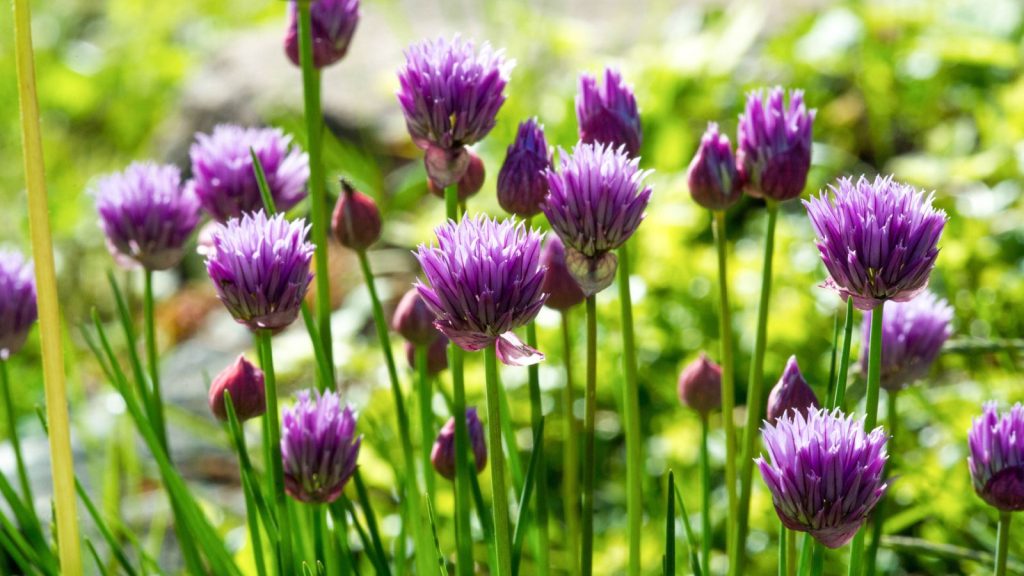
Alliums, such as
3. Hardy Geranium (Geranium bohemicum)

Many varieties of hardy geraniums are rabbit-resistant due to their scent and leaf texture. They are excellent ground cover or container plants. They are drought-tolerant but require full or partial shade and thrive best in USDA zones 5-8.
4. Snow-in-Summer (Cerastium tomentosum)

Snow-in-summer has wooly textured leaves that rabbits detest. If you plant them around your garden as border plants, they can discourage them from visiting. Snow-in-summer requires full sunlight and well-drained soil to prevent root rot.
This perennial features white blooms that can reach heights of 6-12 inches and grow best in USDA zones 3-7.
5. Anise Hyssop (Agastache foeniculum)

Another plant that drives away rabbits from your garden is
Those flowers (and the leaves) release a distinct anise or licorice scent when touched or crushed. This aroma precedes a pungent taste that rabbits generally find unpleasant.
Anise hyssop thrives in full sun or minimal part shade in USDA zones 4-8. They are drought-tolerant once they reach their mature height of 3 to 5 feet tall.
6. Betony (Betonica officinalis)

Betony is a perennial plant with beautiful purple flowers and fuzzy, fragrant foliage that makes it resistant to rabbit invasion. They are incredibly useful in many garden types as they attract pollinators like bees.
Betony typically requires moist, well-draining soil and full sunlight to reach 4-8 inches in maturity. It’s best to grow them in USDA zones 4-9.
7. Foxglove (Digitalis)
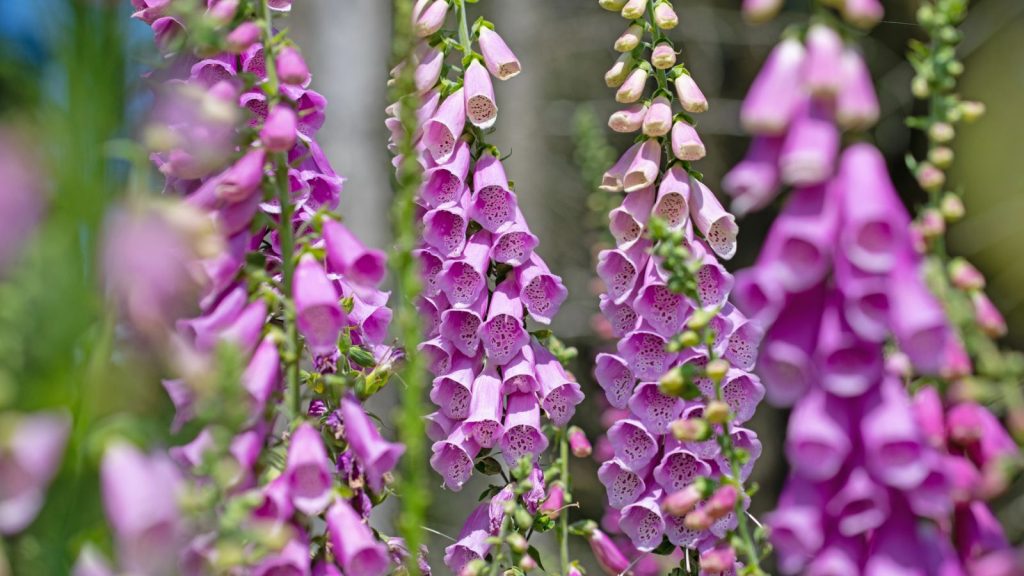
There are two reasons why foxgloves are essential in every garden. First, they’re very elegant plants and will do wonders for the aesthetics of a garden. It has hairy, oval-shaped leaves and long, bell-shaped flowers in the eye-catching shades of pink, white, red, or purple.
Second, they’re highly toxic to rabbits and can be useful deterrents. However, note that it’s also toxic to humans and pets, so exercise caution when handling it. Foxgloves prefer partial sunlight and well-draining, organic matter-rich soil in USDA zones 4-9.
8. Hens and Chicks (Sempervivum tectorum)

Hens and chicks is an interesting plant named after its mat-shaped fleshy leaves, similar to rosettes. The main outer part is referred to as hens, while the offshoots are called chicks.
This North African and European native has thick, fleshy leaves with a somewhat bitter taste that’ll help you curb the rabbit problem in your garden. Hens and chicks grow well with at least 6 hours of sunlight in USDA zones 4-8.
9. Daylily (Hemerocallis)

Daylilies are not true lilies. Their flowers only bloom for a day, usually in the morning. Despite this, daylilies are effective in deterring rabbits from your garden. That’s because they have tough, fibrous leaves that rabbits find unpalatable. Plus, the leaves also contain compounds that can be toxic to mammals, including rabbits.
Daylilies have different varieties, but the dwarf species usually grows up to 10 inches. It’s best to plant them in USDA zones 3-9 in areas that receive full sunlight for them to thrive.
10. Daffodil (Narcissus)
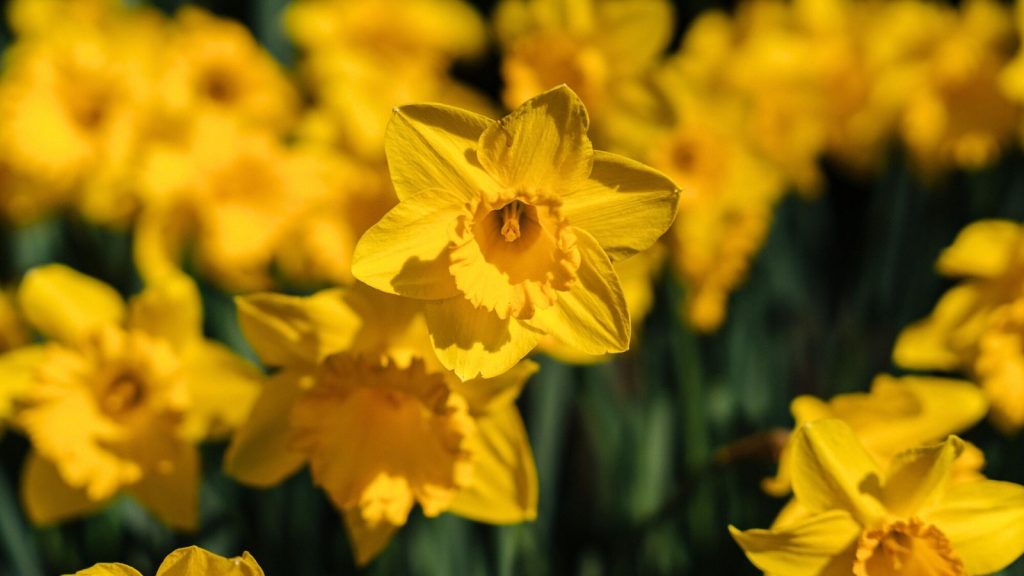
One of the easiest ways to solve the rabbit problem is by planting daffodils. Daffodils contain a toxic element called lycorine, which is poisonous to animals and humans.
Daffodils grow best when you plant them in USDA zones 3-8 and give them afternoon shade to maintain their bloom and color. This plant often grows to be 6 inches or more at maturity.
11. Siberian Iris (Iris sibirica)

Siberian Iris has a distinct scent that leaves rabbits uninterested, so you can plant them around susceptible plants for protection. Apart from being rabbit deterrents, it’s also a beautiful plant to have around.
Siberian Iris has straight, narrow leaves that can be bluish-green in color. It also produces colorful summer blooms in shades of yellow, blue, white, and purple. It requires full sunlight and minimal shade and grows well in USDA zones 3-8.
12. Lungwort (Pulmonaria)
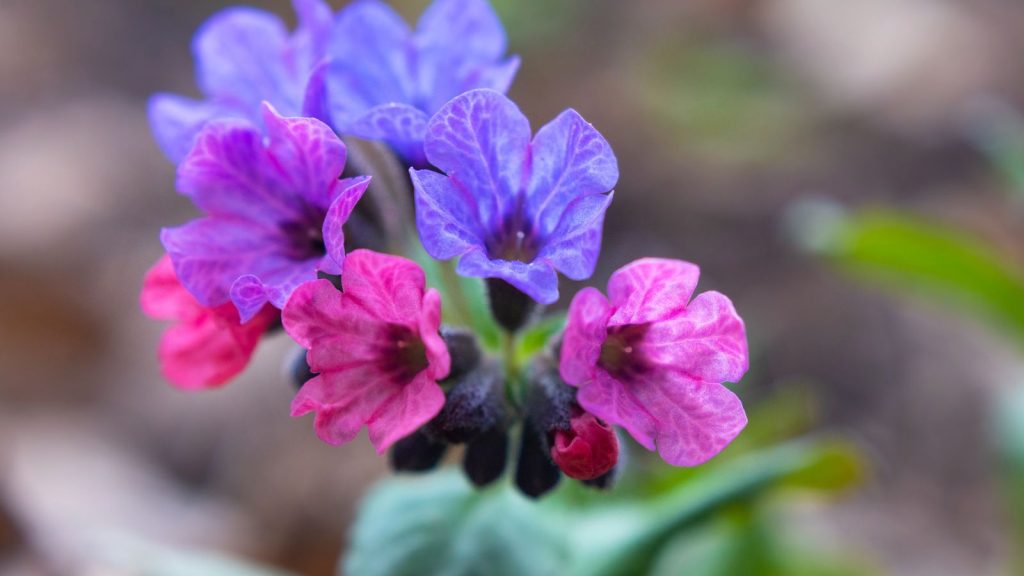
Lungwort’s leaves are unpalatable to deer and rabbits because of how bad they taste. However, their bell-shaped flowers will attract all kinds of pollinators to your garden. Lungworts are relatively easy to care for.
The most important thing is to ensure you give them early morning sun and shade them during the afternoon so they bloom during spring. This plant can reach a height of up to 6 inches and prefers USDA zones 3-9.
13. Hellebore (Helleborus)

Rabbits will leave the leaves and flowers of the hellebore plant alone, even when there are no alternative food sources. They have a leathery texture that’s not appealing and also contain some toxic substances that make them sick.
Many gardeners tend to plant hellebore for this, and for its ability to bloom through winter. The hellebore plant prefers sunlight but can tolerate partial shade and grows well in USDA zones 3-9.
14. Yarrow (Achillea millefolium)
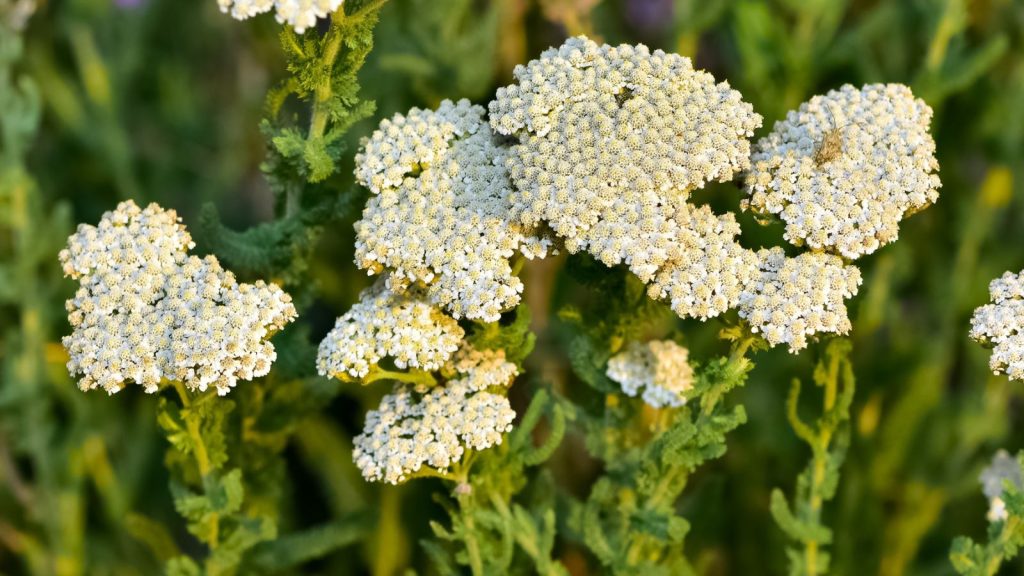
Yarrow is a rabbit-resistant plant because of its aromatic leaves; however, plant it with caution. Although it effectively deters rabbits, some varieties with deep brown flowers and green leaves are known to attract them. Overall, yarrows are easy to grow and beneficial in your garden.
15. Fritillaria (Fritillaria meleagris)

Fritillaria can come in a wide range of colors, including yellow, purple, pink, and white. Their Flowers hang elegantly from the stem and have a distinct checkered pattern on their petals.
This plant has bulbs that contain toxic alkaloids poisonous to rabbits. Most species grow well in USDA zones 4-8 and can reach heights of up to 4 feet.
16. Astilbe

Astilbes are renowned for their plume-like flowerheads, which are typically white,
This 5-foot-tall plant has leaves that rabbits find unpalatable to nibble on, which makes them a great fortress plant to have in your garden. Astilbes are also less susceptible to garden pests and diseases.
8 Sneaky Animals That Are Secretly Destroying Your Lawn and Garden

Many pests can quietly cause significant damage if not controlled. It’s important to stay on top of these threats to keep your outdoor space looking its best. Here are seven sneaky pests to keep a close eye on.
8 Sneaky Pests That Are Secretly Destroying Your Lawn and Garden
8 Best Raised Garden Beds (What to Consider Before Buying)
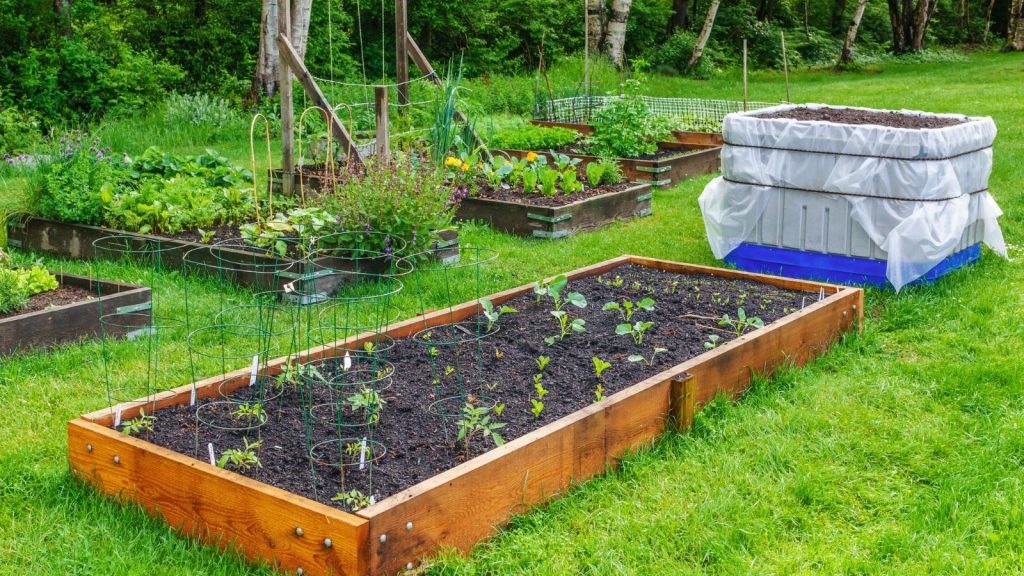
But with so many options available, how do you know what type of garden bed will meet your needs? To set you on the right path, check out our guide to the best garden beds to buy!
15 Shade Loving Perennials That Won’t Overrun Your Garden

If you’ve been hesitant to plant perennials in the shadier parts of your garden, these choices will change your mind. These hardy plants thrive without direct sunlight, bringing rich foliage and colorful blooms to areas where other plants might struggle.
15 Shade Loving Perennials That Won’t Overrun Your Garden
21 Cheap Perennials to Grow That Will Make Your Garden Pop

You can fill your space with lush, eye-catching blooms with the right selection without overspending. Here are 21 affordable perennials bringing long-lasting beauty without stretching your wallet this year.