

Peonies are famous for their lush, sweet-smelling blooms that appear each spring. But as stunning as they are, they tend to have a short bloom period. Many flowers begin to fade just days after opening.
If you’ve ever wished your
1. Mix peony varieties that bloom at different times

Some varieties of
2. Plant in appropriate soil

Peonies don’t do well with wet, soggy roots, but they still need consistent moisture. The right spot to aim for is loose, well-drained soil that doesn’t dry out too quickly. Before planting, mix compost or aged manure into the bed to give the roots a healthy, fertile base. Good soil from the start means stronger plants and bigger blooms.
3. Plant them in full sun

Peonies need at least six hours of direct sun daily to really thrive, especially in the morning. The sun helps to dry off morning dew and keeps fungal diseases away. If you plant
4. Give them space to breathe

Peonies need room for their roots to spread, but also for their leaves and stems to get good airflow. Poor circulation makes it easier for diseases like botrytis to spread, which can ruin your blooms. Space plants 3 to 4 feet apart, and thin out overcrowded clumps every few years so they don’t compete or trap humidity around their leaves.
5. Water deeply but gently during dry spells

If the weather turns dry in spring,
6. Apply mulch to hold moisture and keep roots cool

A layer of mulch does more than just make your garden look tidy. It also helps the soil stay moist, keeps temperatures steady, and stops weeds from taking over. Spread 2–3 inches of shredded leaves, bark, or compost around your
7. Deadhead spent blooms to save energy

When the flower petals start to fall or fade, it’s time to cut them off. This prevents the plant from investing energy in seed production and may even encourage a second bloom in some types of
8. Support heavy flowers before they flop

Peony blooms can be heavy, especially after rain. Without support, they tend to droop or snap. Set up cages, hoops, or DIY rings early in the season while plants are still small. As the stems grow, gently guide them through the support or tie them loosely with a soft string.
9. Water at the base, not from above

Overhead
10. Fertilize lightly in spring for stronger buds

Peonies aren’t heavy feeders, but applying a balanced fertilizer (like 10-10-10) in early spring helps encourage healthy buds. Sprinkle it around the base (never right on top of the plant) and lightly work it into the top inch of soil.
11. Don’t use nitrogen‑heavy fertilizers
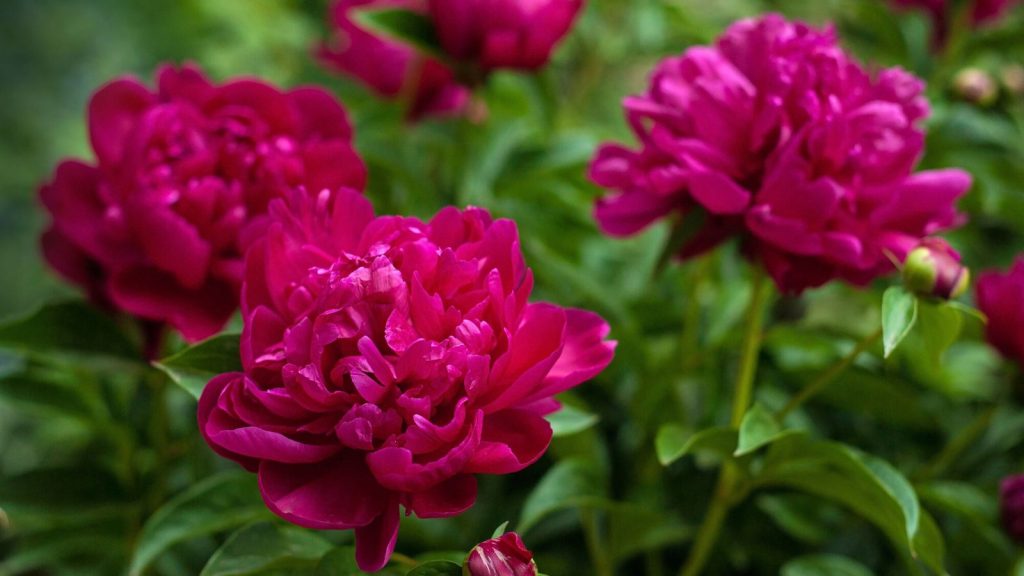
Too much nitrogen leads to excessive leaf growth but fewer flowers are produced. If you’ve already fertilized in early spring, there’s no need to feed the plants again unless the leaves start to yellow. Stick to a once-a-year schedule with a balanced mix to avoid floppiness.
12. Divide every 8–10 years to refresh growth

Peonies can bloom in the same spot for decades, but after 8 to 10 years, their growth may start slowing down. To rejuvenate them, dig up the clump in fall (after the foliage dies back), divide it into sections with 3–5 buds each, and replant in rich, well-drained soil. It may take a year to settle, but blooms will bounce back stronger.
13. Shield blooms from heavy rain

A sudden downpour can flatten your
14. Let young plants mature before cutting flowers

If your
15. Cut buds, not open flowers, for vases

If you’re bringing
16. Harvest in the morning when flowers are freshest

The best time to cut
17. Keep cut flowers in cool, clean water

Once
A packet of floral preservatives helps, but even just clean water and a clean vase can go a long way. Keep arrangements out of direct sunlight and away from heaters or vents.
Related: Secret Flower Hacks to Keep Your Bouquet Fresh for Longer
18 Breathtaking Plants to Complement Your Peonies in the Garden
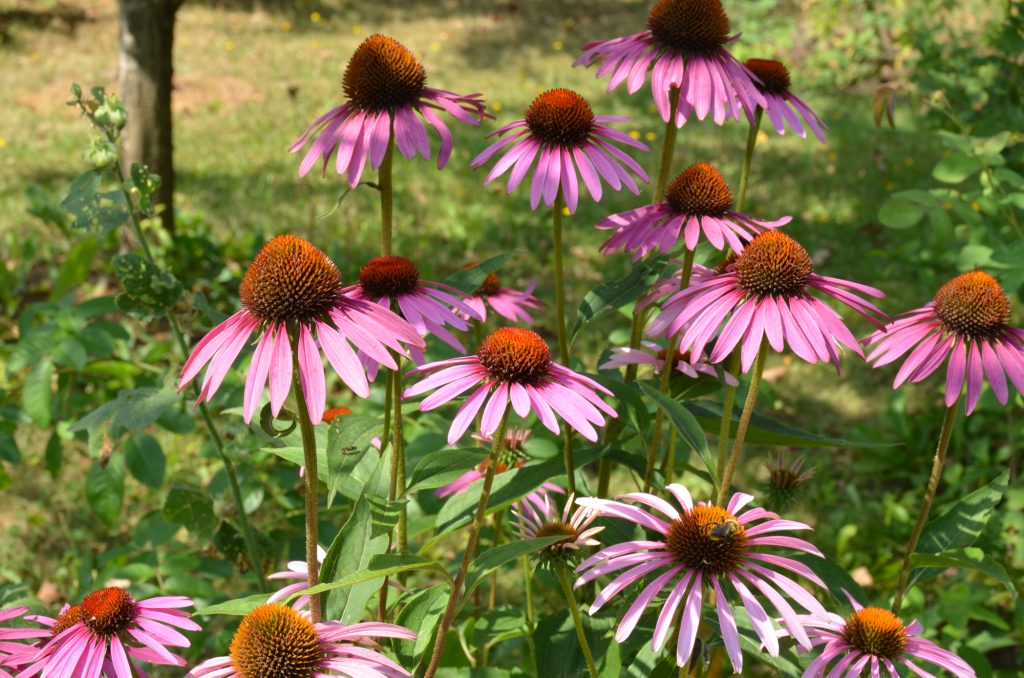
Companion plants for peonies should complement their showy blooms and enhance the overall landscape while supporting healthy growth. Here are stunning plants that pair beautifully with peonies
18 Breathtaking Plants to Complement Your Peonies in the Garden
30 Native Plants That Will Draw Beautiful Birds to Your Yard

If you want to attract more birds to your garden, the right plant choices can make all the difference. Here are 16 native plants that will attract a variety of birds.
30 Native Plants That Will Draw Beautiful Birds to Your Yard
Skip the Roses and Grow These 15 Stunning Flowers Instead

If you love the look of roses but struggle to keep them thriving, there are many other plants that offer a similar appeal with far less maintenance. Here are some beautiful alternatives that capture the elegance of roses without all the extra work.


