



Creating a thriving vegetable garden starts with healthy soil, which provides essential nutrients to support plant growth, ward off pests, and prevent disease. While composting is often considered the go-to solution for enriching soil, it’s entirely possible to improve soil quality without maintaining a compost pile.
Here are some practical ways to boost soil fertility this gardening season.

Burpee’s Premium Organic Potting Mix is the perfect choice for container gardening, whether you're growing vegetables, flowers, or herbs indoors or outdoors. This nutrient-rich, natural soil blend provides essential plant food for strong root development and healthy growth. With its 9-quart size, it’s ideal for raised beds, pots, and planters, giving your plants the organic boost they need to thrive.
Eggshells
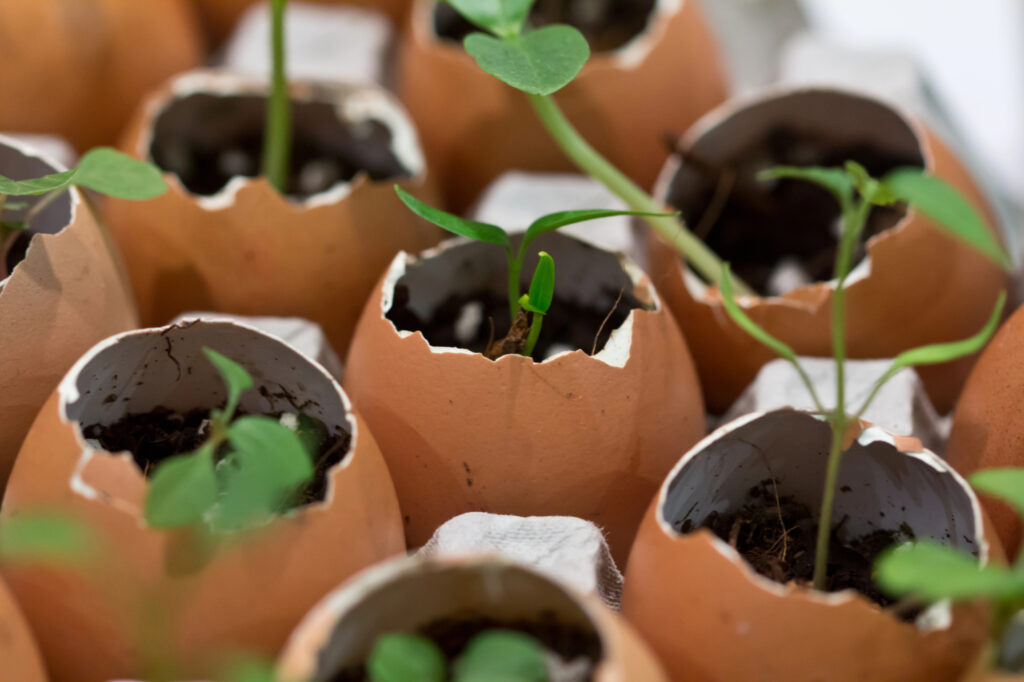
Eggshells, often dismissed as kitchen waste, are gardening gold. Rich in calcium carbonate, they help strengthen plant cell walls and prevent issues like blossom end rot in tomatoes and peppers. Crushed eggshells can be mixed into the soil or added to planting holes to slowly release nutrients over time.
11 Ways To Use Eggshells in the Garden So You Never Have To Throw Them Out
Orange Peels

Burying orange peels in the soil is a simple way to enhance its fertility. As they break down, they release beneficial nutrients while deterring pests like aphids. This natural solution helps create a balanced, nutrient-rich environment for your plants.
12 Clever Ways to Use Up Leftover Orange Peels
Banana Peels

Banana peels are packed with potassium and phosphorus, essential for strong root development and flowering. They can be used as mulch or steeped in water to create a nutrient-rich “banana tea” that nourishes plants as a liquid fertilizer.
11 Reasons Banana Peels Are the Secret Ingredient Your Garden Needs
Spread Grass Clippings
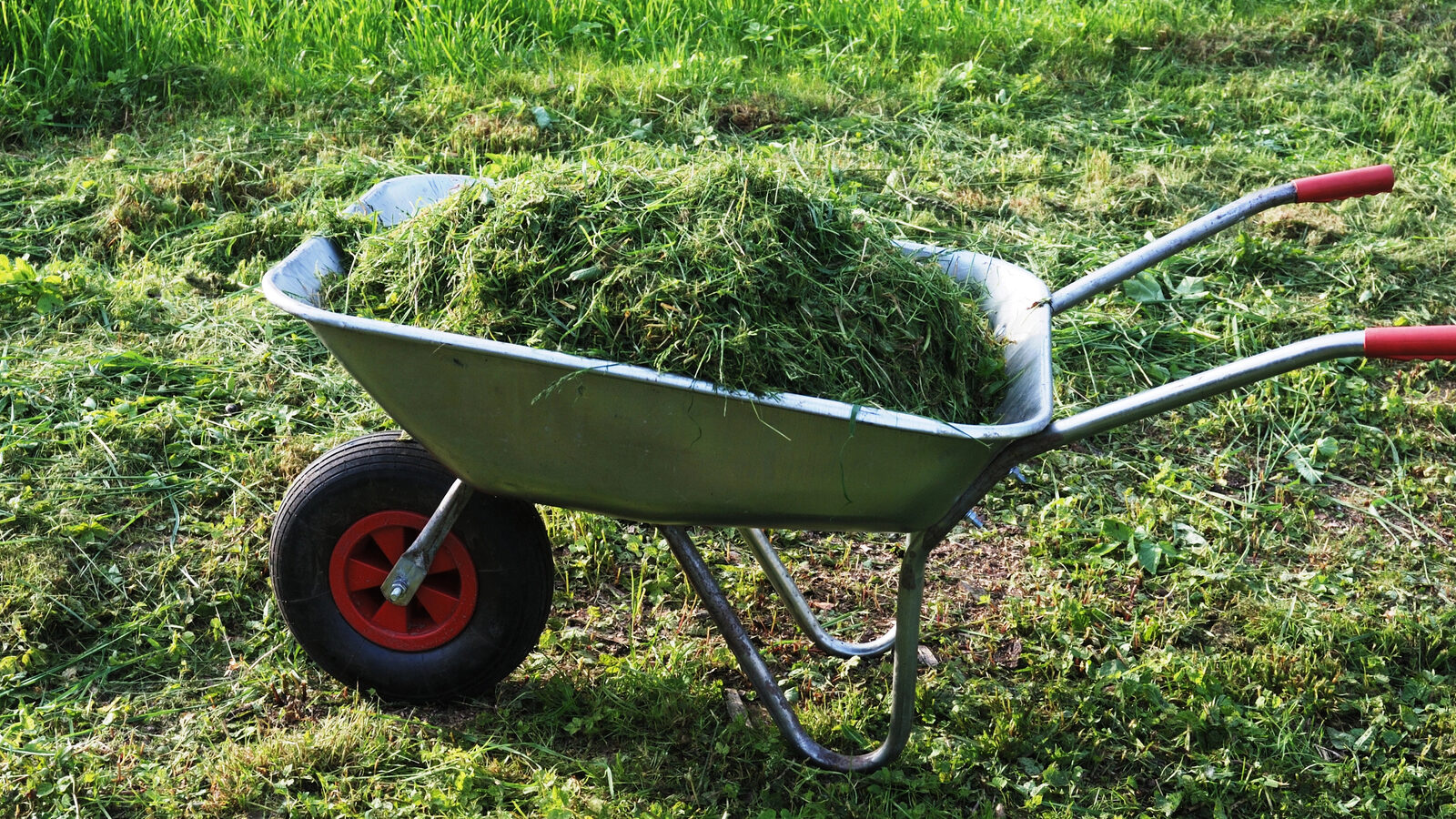
Fresh grass clippings from untreated lawns make an excellent nitrogen-rich mulch. Spread them around your plants to retain moisture and gradually enrich the soil as they decompose. This sustainable practice also helps suppress weeds.
Composted Manure
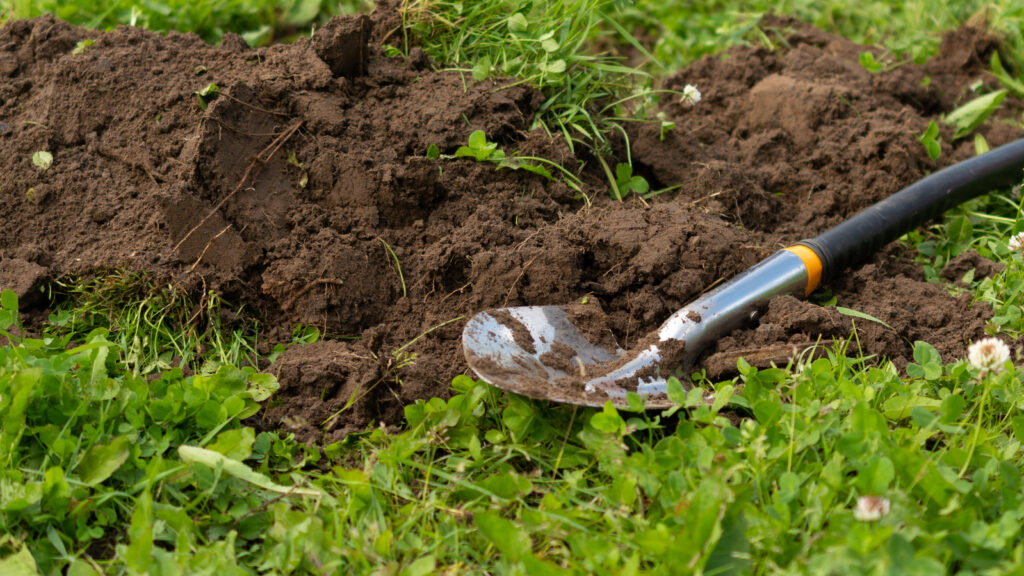
If you have access to farm animals or can source composted manure, it’s a fantastic way to add organic matter and nutrients to your soil. Chicken manure is particularly high in nitrogen, while horse and cow manure offer balanced nutrients. Ensure manure is well-aged to avoid burning plants.
Fish Emulsion

This liquid fertilizer, derived from fish byproducts, provides a quick dose of nitrogen and other essential nutrients. While it has a strong odor, its benefits in promoting lush growth make it a worthwhile addition to your garden soil routine.
Feather Meal
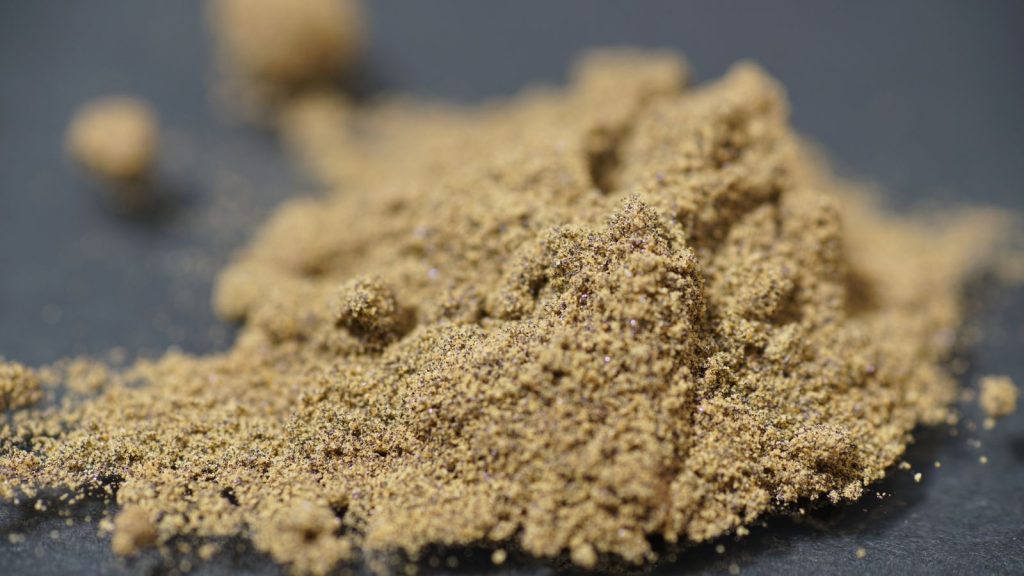
Made from poultry feathers, feather meal is a slow-release nitrogen source that steadily nourishes plants over time. It’s a great option for long-term soil enrichment without the need for frequent applications.
Old Coffee Grounds

Coffee grounds are a fantastic way to add organic matter and nitrogen to the soil. They also improve aeration and drainage, making them especially beneficial for heavy soils. Used coffee grounds are an excellent resource for coffee drinkers looking to repurpose waste effectively.
22 Plants That Thrive with Coffee Grounds
Grow Nitrogen-Rich Cover Crops

Planting cover crops such as clover or alfalfa is an effective way to naturally enrich soil. These crops improve soil structure, prevent erosion, and add organic matter. Once grown for a few months, they can be tilled into the soil, releasing valuable nitrogen for future plantings.
Wood Ash

Wood ash can be sprinkled into garden soil to increase alkalinity, making it a beneficial amendment for overly acidic soils. Always ensure the ash is completely cool before application and conduct a soil test to avoid over-alkalizing.
Clever Ways to Reuse Sawdust From Your Recent DIY Project
Blood Meal
A quick way to add nitrogen to your soil is by using a blood meal, which is dried, powdered animal blood from butcheries. It’s packed with nitrogen and can boost your plants when sprinkled around them and watered. However, be cautious, as the scent may attract animals to your garden.
12 Natural Ways to Get Rid of Weeds in Your Garden

While we may tolerate certain weeds like dandelions, most gardeners aim to remove these undesired plants from their gardens—for good. To help you get rid of weeds in your garden, here are 12 natural methods to consider.
12 Natural Ways to Get Rid of Weeds in Your Garden
How to Outsmart Gnats to Keep Them Away From Your Houseplants
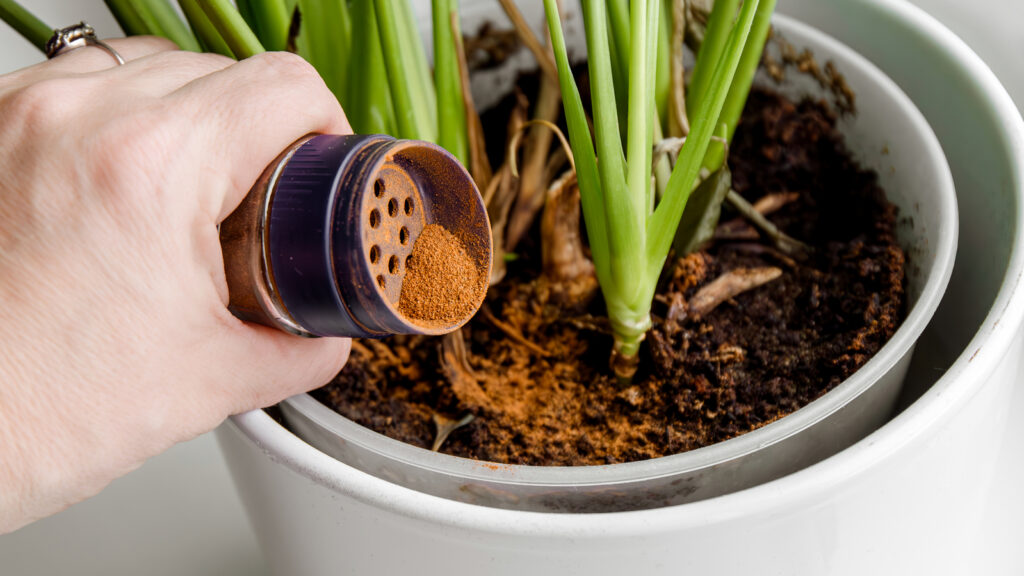
Gnats are more than just a minor annoyance; these tiny pests buzz around with a persistence that’s hard to ignore. Here are ten effective ways to keep gnats away from your house plants.
How to Outsmart Gnats to Keep Them Away From Your Houseplants