Do you dream of leaving the hustle and bustle of city life for a peaceful rural homestead? You’re not alone—Increasingly, city dwellers dream of swapping the daily grind of city life. While a move to the countryside isn’t always an option, that’s where urban homesteading comes in.
Homesteading isn’t just for those with acres of land. It’s about self-sufficiency, sustainability, and living more intentionally. And guess what? You can absolutely homestead in your apartment!
From growing herbs on your windowsill to composting kitchen scraps, there are many ways to bring the homesteading spirit to your apartment or condo.
Here’s how you can get started.
Learn How to Cook From Scratch

Cooking from scratch is an essential skill that can help you become more self-sufficient. By making your own food, you control the ingredients used in your recipes.
Imagine the satisfaction of biting into a loaf of bread you baked yourself or savoring yogurt you made from scratch. These simple projects are a fantastic starting point.
Start a Small Garden
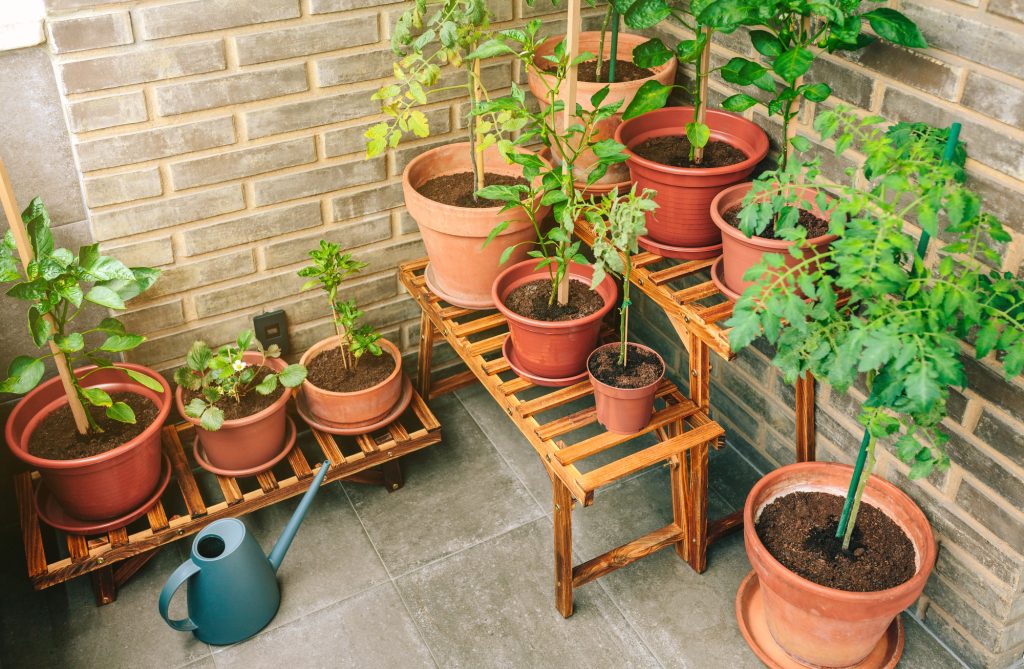
Planning a garden is a great way to begin homesteading. The great thing about gardening is that even if you’re in an apartment, you can still grow your own food using small spaces like a sunny windowsill, a balcony, or even containers around your home.
Containers can create flexible growing spaces whenever and wherever you want them. Plus, containers make it easy to move plants around to protect them from extreme weather or to follow the best sunlight throughout the day.
Clever use of vertical gardening can double the available growing space in any garden. Wall-mounted planters and hanging baskets can be used to create additional growing areas above ground level, and plants such as cucumbers, zucchini, peas, and pole beans can all be persuaded to grow up trellises or poles whilst taking up a small area.
Compost Pile out of Kitchen Scraps

Creating a compost system is a simple homesteading project you can start in your apartment – and you don’t have to use worms. Composting at home helps reduce food waste and enriches your garden naturally.
For those without outdoor space, many cities across the U.S. offer composting programs through local waste management services. These programs allow you to collect food scraps and contribute to eco-friendly initiatives without the need to manage compost yourself.
Eating with the Season
One of the easiest ways to embrace urban homesteading, even in an apartment, is by eating with the seasons. If you already shop at local farmers’ markets, you’re probably doing this without even realizing it.
Eating seasonally means choosing fruits and vegetables that are naturally available during a particular time of year in your area rather than relying on produce shipped from across the world and wrapped in plastic.
By focusing on seasonal produce, you can enjoy fresher, more flavorful food while also saving money, reducing waste, and cutting down on the environmental impact of long-distance food transportation.
Canning and Preserving Food

Once you start harvesting food from your homestead garden, figuring out how to make it last becomes important. Food preservation helps extend the freshness of your produce and allows you to enjoy your homegrown fruits and vegetables long after the growing season has ended.
There are several simple methods to try, including canning, freezing, fermenting, drying, and even freeze-drying. Each method has its own benefits. Start with small batches and experiment with different techniques to find what works best for your lifestyle.
Start Foraging
Foraging isn’t just for people dwelling in the countryside – the urban jungle also offers a whole host of freely available nutritious foods if you know where to look! From sweet berries to hearty greens, many edible plants thrive in city environments, waiting to be harvested for your culinary pleasure.
Thrifting

Thrifting is a great way to save money and cut down on waste—all key aspects of urban homesteading. By choosing secondhand items over new ones, you’re being resourceful and helping to extend the life of products that might otherwise end up in a landfill.
Before buying new furniture, clothes, or household essentials, explore secondhand options first. Thrift stores, online marketplaces, and community swap events can offer everything from gently used furniture to unique kitchen gadgets at a fraction of the cost.
Support Your Local Community

One of the core values of urban homesteading is choosing to support local businesses and farmers instead of relying on mass-market consumerism. Many people turn to this lifestyle because they want to move away from industries that prioritize profit over sustainability and ethical practices. Shopping locally allows you to invest in your community, support small businesses, and enjoy fresher, higher-quality products.
A great place to start is your local farmers market, where you can find fresh produce, meat, dairy, and other goods directly from the people who grow and make them. If you’re looking for more options, consider joining a local food co-op, which can provide access to seasonal products while supporting sustainable farming practices.
Learn to Sew

Learning to sew—whether by hand or with a sewing machine—is a valuable skill that can bring both practical and creative benefits to your urban homesteading journey.
Mending your clothes, sewing simple home items, or even creating your own garments can save you money and reduce waste by extending the life of what you already own. Instead of discarding a shirt with a missing button or a pair of pants with a small tear, you can easily repair them yourself. Over time, these small fixes can add up to significant savings.
Make Your Skin Products

Making your skincare products is a homesteading project idea worth exploring. Homemade skincare products can be quite cost-effective and give you complete control over the ingredients added to your products.
Whether it’s for dry skin, acne, or sun damage, you can add ingredients that work best for your skin.
DIY Household Cleaners

If you haven’t started making your own cleaning supplies yet, now is the perfect time to give it a try. Using everyday ingredients like vinegar, rubbing alcohol, and lemon, you can create effective homemade cleaners that keep your home fresh and tidy without the harsh chemicals found in store-bought products.
Taking the time to make your own household cleaners is a great way to embrace a more sustainable lifestyle. Plus, once you see how effective and easy they are, you’ll be glad you made the switch—just in time for your next deep clean.
How to Make Simple Homemade Cleaning Products
Practice Slow Living

Slow living is about savoring the moments, prioritizing quality over quantity, and finding a deeper connection with the world around us. u. By embracing a slower, more intentional lifestyle, you can find joy in simplicity and appreciate the things that often get overlooked in a busy routine.
Practicing slow living means being mindful of how you spend your time and energy—preparing a homemade meal, enjoying a quiet cup of tea, or tending to your apartment garden. It encourages you to be present in the moment, making conscious choices that align with your values rather than rushing through tasks to check them off a list.
Slow living doesn’t mean doing less; it means doing things with more purpose and appreciation.
What is Slowing Living? Practical Tips on How to Embrace It
Practice Minimalism

Adopt a minimalist approach to your home and lifestyle. Minimalism isn’t just about owning fewer things; it’s about creating a life that aligns with your values and priorities. By simplifying your surroundings and focusing on what truly matters, you can reduce waste, lower your carbon footprint, and live more sustainably—key aspects of urban homesteading.
Getting started with minimalism doesn’t have to be overwhelming. Begin by decluttering items you no longer need, limiting impulse purchases, and embracing mindful consumption. Consider getting rid of the stuff that doesn’t bring you joy, selling it, or rearranging a room to make it easier to keep clean.
Minimalism looks different for everyone, so find an approach that works for you without feeling pressured to meet a certain standard.
Get to Know Your Community

Although the concept of homesteading does contain elements of self-sufficiency, it is the cooperative spirit of this lifestyle that many people are drawn to. Self-sufficiency is much easier in community.
You must find people to share the workload and teach you vital skills. Homesteading helps to build strong community ties, where sharing resources, knowledge, and labor is common. This sense of belonging and mutual support contrasts with the often isolating nature of modern urban life.