While many vegetables and flowers demand full sunlight to thrive, there’s good news for those with shady gardens: some herbs are perfectly content in low-light conditions. These shade-loving herbs grow well without direct sunlight.
If you’ve struggled to find plants that thrive in the shadier corners of your yard, these 12 herbs are just what you need to make the most of those overlooked areas.
Here are 12 herbs that grow best in the shade and are sure to thrive in your garden!

Grow 15 organic herbs with this high-quality variety pack, featuring 2,500+ non-GMO, heirloom seeds perfect for indoor, outdoor, or hydroponic gardens. With a high germination rate and an included online grow guide, these sustainably sourced USA seeds
Mint (Mentha)

Mint, with its refreshing flavor, is a delightful addition to teas and beverages and enhances the taste of salads and various dishes. This plant makes an excellent model for propagation.
- USDA Growing Zones: 3 to 8
- Propagation Method: Cuttings are best rooted in water
- Soil Type: Well-drained but moist with a soil pH of 6.0 to 7.0
- Height: Averages from 1 to 3 feet tall
Lovage

Lovage, a relative of celery, is a hardy plant that thrives in various climates and soil conditions, requires minimal maintenance, and is generally problem-free. Zones 3–9
Chives

Chives are one of the few perennial vegetables that can thrive in nearly all kinds of soil and weather conditions. These hardy plants are known for their slender, grass-like leaves and delicate onion-like flavor. They are a perfect addition to creamy potato dishes, providing a subtle and fresh onion taste.
Additionally, chives’ purple flowerheads can add a vibrant touch to any garden space, attract pollinators, and bring beauty and color to your outdoor area.
Parsley (Petroselinum Crispum)

Parsley is great for homestead gardens. It is a beginner-friendly plant that is more forgiving than other herbs and can grow easily in many conditions.
- USDA Growing Zones: 2 to 11
- Propagation Method: Cutters generally do well in soil
- Soil Type: Moist soil with a pH of 6.0 to 7.0
- Height: Normal height is around 9 to 12 inches tall
Oregano

Oregano is quite popular among lovers of Italian cuisine, and can easily be propagated for your gardens.
- USDA Growing Zones: 4 to 10
- Propagation Method: The recommended method is soil
- Soil Type: Moist and organic soil with a pH of 6.5 to 7.0
- Height: Can reach around 1 to 3 feet tall
Feverfew

Feverfew, also known as featherfew, is a medicinal plant traditionally used for ailments like migraines, arthritis, and fevers. Often resembling chamomile flowers, feverfew also has anti-inflammatory and antioxidant properties.
Feverfew is a hardy herb that thrives in partial to full shade, making it an excellent choice for darker corners of your garden.
Thyme

Thyme, a low-growing perennial herb, is a must-have in a shaded garden. The tiny, delicate flowers of thyme are irresistible to insects that boost pollination and keep pests under control.
Flash SaleLast-Minute Flight Deals
Grab incredible discounts on flights to New York, Paris, and London.
Thyme is known for its antiseptic and antibacterial qualities, making it a go-to remedy for coughs and sore throats. Enjoy it in a tea or make a salve.
How to Dry Fresh Thyme – 5 Methods
Lemon Balm

This herb is perfect for brewing both hot and cold teas. It offers a soothing remedy for stomach discomforts such as bloating and indigestion and has a calming effect on the mind.
- USDA Growing Zones: 3 to 7
- Propagation Method: Recommended to root in soil
- Soil Type: Well-drained fertile soil at a pH of 6.5 to 7.0
- Height: Up to 3 feet tall
How to Make Lemon Balm Lip Balm for Cold Sores
Tarragon
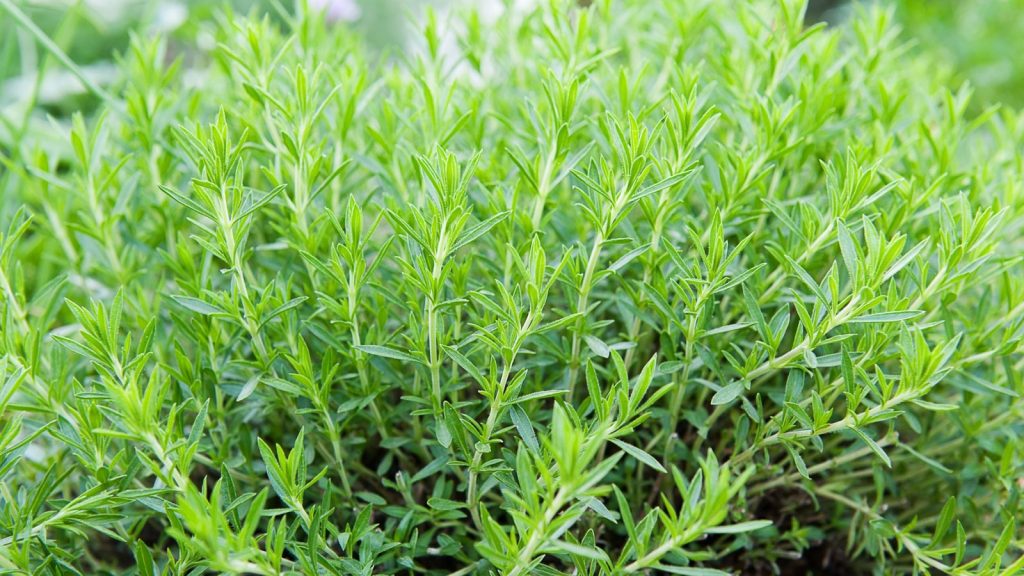
Tarragon is known for its earthy flavor and aroma, which people adore. It adds a whole new level of flavor to your dishes, especially when fresh from the garden.
- USDA Growing Zones: 4 and higher
- Propagation Method: Does best in soil but can root in water
- Sun Requirements: Partial sun, partial shade
- Soil Type: Moist and light soil with a pH of 6.5 to 7.5
- Height: 2 to 3 feet tall
Ginger

Ginger can be grown in a garden, pot, or garden bed in the backyard. It works well in shaded areas of the garden.
Related: How to Make Ginger Powder
Yarrow (Achillea)

Yarrow is a hardy plant that showcases clusters of small, flat-topped flowers in shades of yellow, white, pink, and red. This drought-resistant herb flourishes in full sun and is well-known for its medicinal properties.
Yarrow has been traditionally used to help relieve anxiety, soothe menstrual discomfort, treat colds and flu, and reduce fevers.
Lemongrass

Lemongrass adds a refreshing, lemony flavor to teas with a mild sweetness. It is often used to aid digestion, reduce stress, and as a detoxifying agent. While it prefers full sun, it does tolerate a fair amount of shade.
How to Start a Herb Garden from Scratch

Growing something as simple as our own herbs is a huge step towards sustainability. You can begin the process in a small space in the kitchen or backyard with some of your favorite herbs. Here are some simple but practical steps to get you started on your own herb garden.
How to Start a Herb Garden from Scratch
PartnerCheap Hostels & Airbnbs
Find the best affordable accommodation options across Europe and the USA.