Growing plants from seeds is a fulfilling and cost-effective way to expand your garden, but it can be discouraging when seeds don’t sprout.
Successful germination depends on providing the right conditions, including proper temperature, moisture, soil type, and light. If these factors aren’t met, the seeds may fail to grow or even rot in the soil.
Luckily, some plants are far less fussy than others, making them super simple to start from seed. Let’s take a look at the 15 easiest plants to grow from seeds, each with simple instructions to ensure success.
Snapdragons

To get a head start with snapdragons, start the seeds indoors 8-10 weeks before the last frost and transplant seedlings outdoors in full sun or partial shade in late spring or early summer.
Black-eyed Susans

These hardy flowers thrive in full sun and tolerate pretty much any type of soil. Sow seeds in early spring or late summer in pots or directly in the ground, thinning seedlings to allow good air circulation.
Lupine

Lupine has impressive spikes of blue flowers. It prefers cooler climates, growing best in full sun to partial shade with well-drained soil. While lupines are generally low maintenance, they may require extra watering during dry spells. Zones 4-9.
Poppies

Poppies need light to germinate, which is why they often appear on recently disturbed ground such as building sites. Scatter poppy seeds on the soil surface in cool weather, watering regularly if rainfall is scarce.
Sweet Alyssum (Lobularia Maritime)

Sweet Alyssum creates a fragrant carpet of tiny white, pink, and purple flowers that attract beneficial insects. It thrives in full sun to partial shade and adapts well to poor soil and drought conditions. This low-growing plant is perfect for filling gaps in the garden or spilling over containers and rock walls.
Morning Glory

Morning Glory vines are famous for their large, trumpet-shaped blue flowers that open each morning and close in the afternoon. They require full sun, well-drained soil, and regular watering. These vines are typically annual but may be perennial in warmer climates. Plant morning glory for a dynamic, daily display of vibrant blooms.
Coneflower (Echinacea)

Also known as Echinacea,
Blanket Flower

Blanket Flowers are perfect for growing as cut flowers. These sun-loving, drought-tolerant perennials thrive in zones 3 to 10 and offer bright, long-lasting blooms throughout summer and into fall. Their vivid colors, including red, purple, yellow, and white, make them excellent additions to any arrangement.
14 Stunning Plants That Bring Butterflies to Your Garden
Feverfew

Feverfew, also known as featherfew, is an excellent perennial to grow from seed, especially for gardeners looking to add a low-maintenance, medicinal herb to their garden. This herb is known for its small, daisy-like white flowers with yellow centers, which bloom profusely from early summer to fall. It’s a hardy plant that thrives in a variety of conditions, including partial shade and full sun.
It is a medicinal plant traditionally used for ailments like migraines, arthritis, and fevers. Often resembling chamomile flowers, feverfew also has anti-inflammatory and antioxidant properties.
Beardtongue

Also known as Penstemon, this plant produces showy, long-lasting flowers with a distinctive pollen-free stamen. It thrives in poor, rocky soils with good drainage and full sun and requires weekly watering in summer. It can grow up to 4 feet high and USDA hardiness zones range between 3 and 9.
Yarrow (Achillea)

Yarrow produces clusters of small, flat-topped flowers in colors including yellow, white, pink, and red. It’s drought-tolerant and thrives in full sun. Zones 3-9
Columbine

Columbine is a perennial with bright flowers contrasting against dark, clover-shaped leaves. Available in various colors, including two-tone, its unique bell-shaped flowers with five spurs catch the eye. This sun-loving perennial is Ideal for slopes, ledges, or open garden spaces. Columbine adds beauty, attracts wildlife, and deters deer. Zones 3-9
Calendula

Calendula is a bright, cheerful addition to any garden. Calendulas are easy to grow in well-drained soil and prefer gentle sunlight. Plant it in early spring to enjoy its vibrant blooms from late spring to early summer.
Additionally, Calendula‘s are known to deter pests, deer, and rabbits, making them useful for protecting vegetable gardens.
Create a Stunning, Deer Resistant Garden with These 15 Colorful Annual Flowers
Shasta Daisy

Add charm to your garden with Shasta Daisies. These simple white flowers are low-maintenance perennials that do best in rich, well-drained soil but need full sun and regular watering to thrive. Shasta daisies bloom all summer and reach heights from 12 to 39 inches. Zones 4-9.
16 Gorgeous Wildflowers Perfect for Low Maintenance Gardens
Foxglove
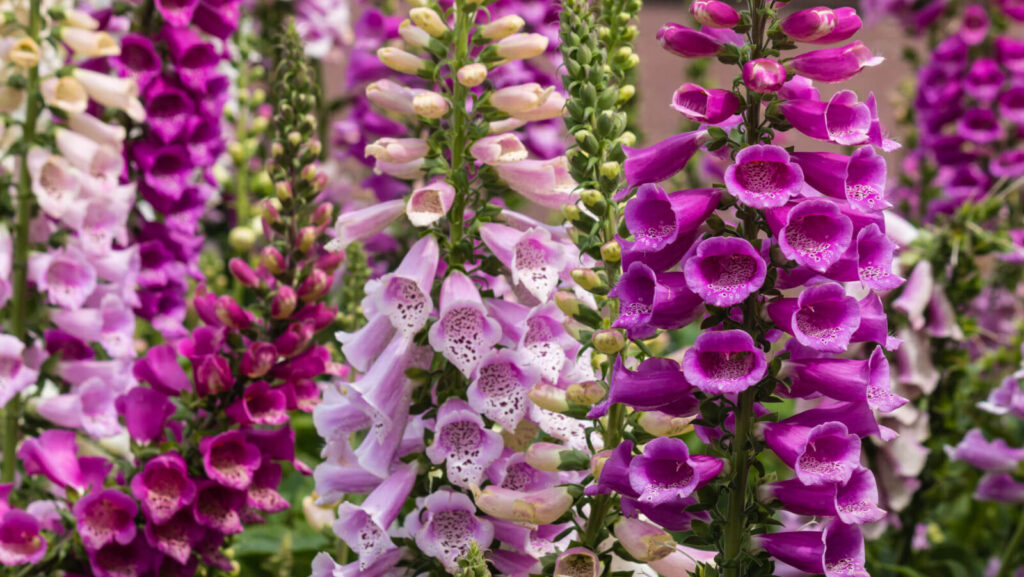
Foxglove features tall spikes of bell-shaped flowers, ideal for adding vertical interest to shaded garden areas. It blooms from late spring to early summer and is suitable for Zones 4-10.
How to Start Seeds Indoors

Starting seeds indoors is a fun way to expand your vegetable garden projects. With a little care and attention you can grow successful seedlings that will transfer into your garden and thrive. Here we share the process and the strategies that work best for us for indoor seed starting.
How to Start a Herb Garden from Scratch

Growing something as simple as our own herbs is a huge step towards sustainability. You can begin the process in a small space in the kitchen or backyard with some of your favorite herbs. Here are some simple but practical steps to get you started on your own herb garden.