It’s easy to give your plants a little too much love, especially with watering. Many beginners end up with soil that stays wet for too long, and that can do more harm than good. Roots need air just as much as they need water, and soggy soil can quickly lead to problems.
The good news is you can still turn things around. Drying out overwatered soil takes time, and how long it takes depends on things like the type of soil, the weather, and how soaked it is.
Whether you’re caring for houseplants or working in your garden, a few simple changes can help your soil drain better and keep your plants on track. Here are 14 practical ways to fix soggy soil.
Give it Sunlight
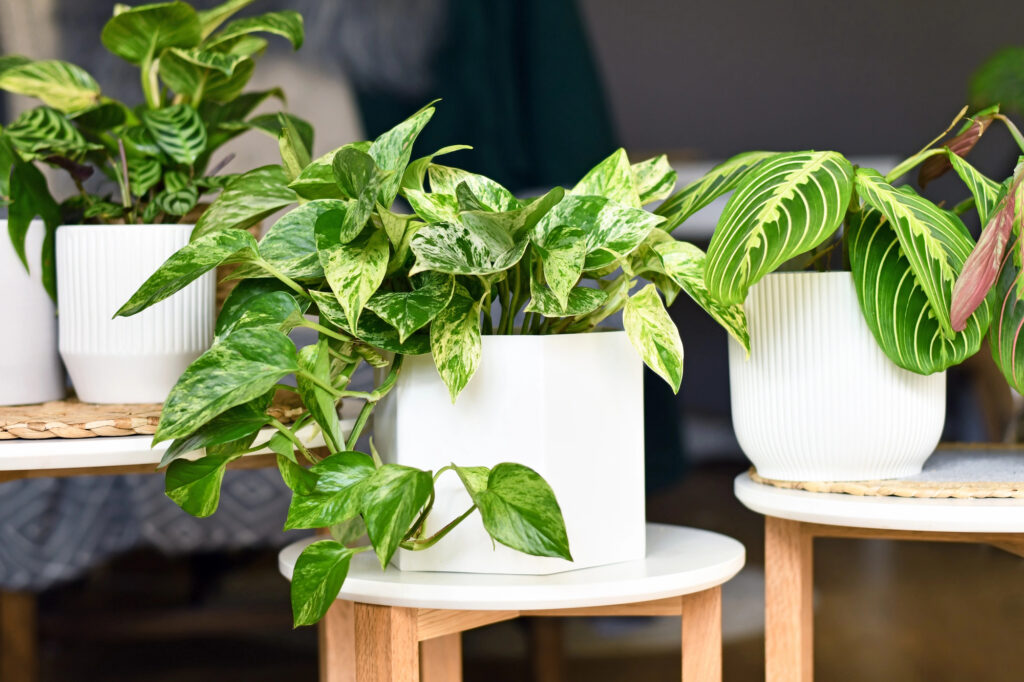
Let the soil bask in the sunlight. Sunlight warms the soil and enhances the evaporation process.
Move it

To naturally dry out overwatered soil, relocate the plant to environments conducive to water evaporation. This could mean placing it by the window sill or outside where it can be exposed to sufficient sunlight.
Break It Up

With a gentle touch, rake or fork through the top layer of soil. This loosens compacted areas, allowing moisture to escape and air to flow better.
Remove Standing Water

If you spot any puddles, carefully scoop them out or dab them with towels. Every bit of excess water you remove helps.
Boost Airflow

Set up fans around the area. The moving air speeds up evaporation, helping the soil dry faster.
Improve Soil Structure

Mix in some
Lift Things Up

Consider raising your garden beds or pots if drainage is a chronic issue. This simple change can dramatically improve water flow away from plant roots.
Keep an Eye on Moisture
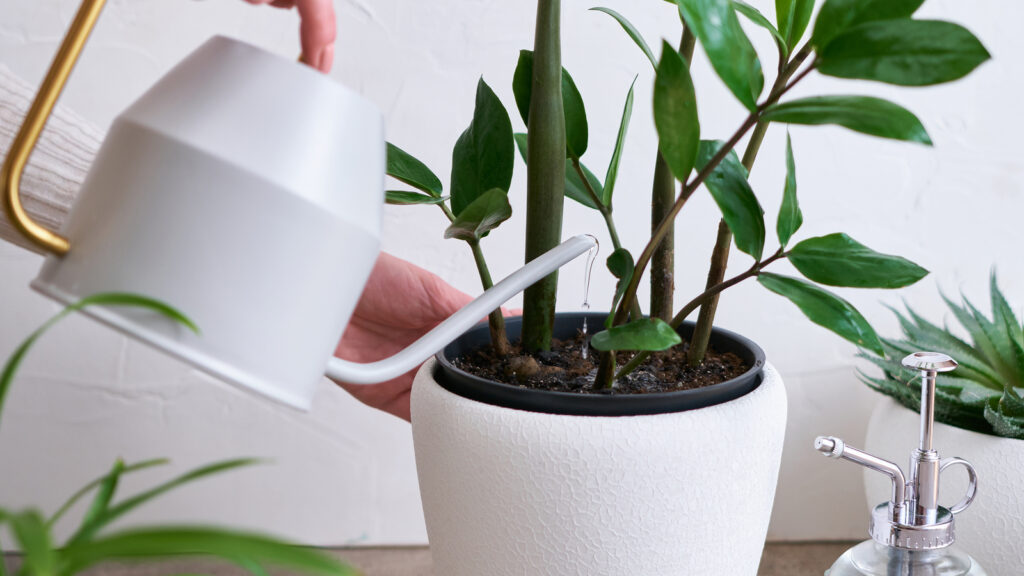
Use your finger or a moisture meter to check the soil. Wait to water again until it’s properly dried out.
Use a Dehumidifier for Indoor Spaces

If you’re indoors, a dehumidifier can work wonders by pulling moisture from the air, helping your soil dry out quicker.
Minimize Watering

Cease watering the soil immediately to prevent further saturation. In the future, adjust your watering practices to prevent future waterlogging. Allow the soil to dry out slightly between waterings, and avoid overwatering.
Add Compost

Incorporate organic matter such as compost or well-rotted manure into the soil. Organic matter helps improve soil structure, increasing its ability to absorb and drain water effectively.
Apply a Layer of Organic Mulch

Apply a layer of organic mulch, such as wood chips or straw, to the soil surface. Mulch helps regulate soil moisture levels by reducing evaporation and runoff, preventing waterlogging during heavy rainfall.
11 Reasons Banana Peels Are the Secret Ingredient Your Garden Needs

Banana peels are not just kitchen scraps but an excellent way to enrich your garden. Here are 11 reasons banana peels can be your garden’s secret ingredient.
11 Reasons Banana Peels Are the Secret Ingredient Your Garden
How to Outsmart Gnats to Keep Them Away From Your Houseplants
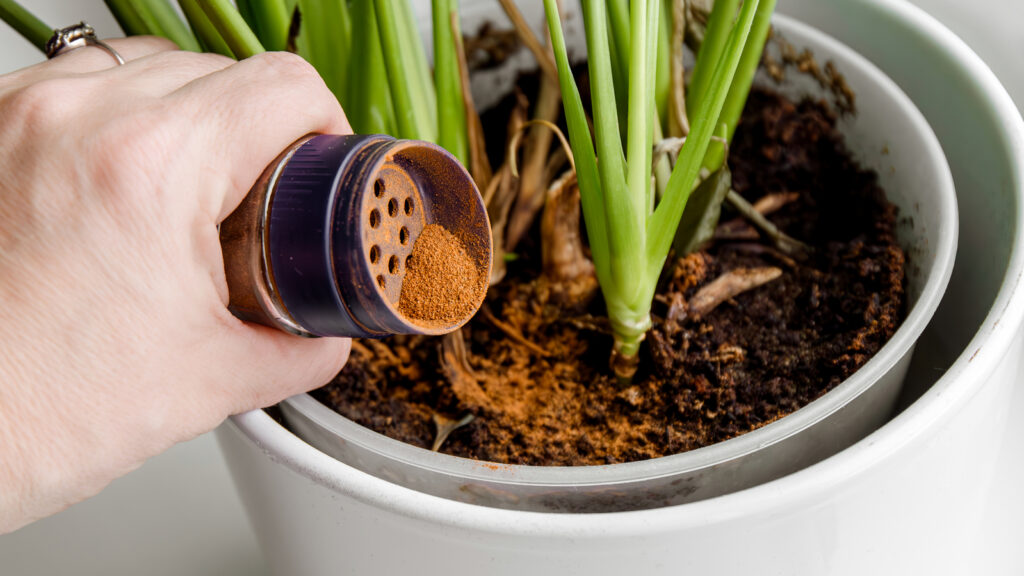
Gnats are more than just a minor annoyance; these tiny pests buzz around with a persistence that’s hard to ignore. Here are ten effective ways to keep gnats away from your house plants.
How to Outsmart Gnats to Keep Them Away From Your Houseplants