Hydrangeas are beloved for their big, colorful blooms and lush foliage, making them a standout in many gardens. They do well in borders, woodland areas, and along foundations, thriving in well-drained, nutrient-rich soil with plenty of moisture.
While hydrangeas can grow alongside many plants, some neighbors can actually hold them back. Certain plants compete for water and nutrients, slowing growth or even harming your shrubs. Choosing the right companions is key to keeping your hydrangeas healthy and vibrant.
Here are 14 plants you should avoid planting too close to your hydrangeas to give them the best chance to flourish.
Black Walnut Tree
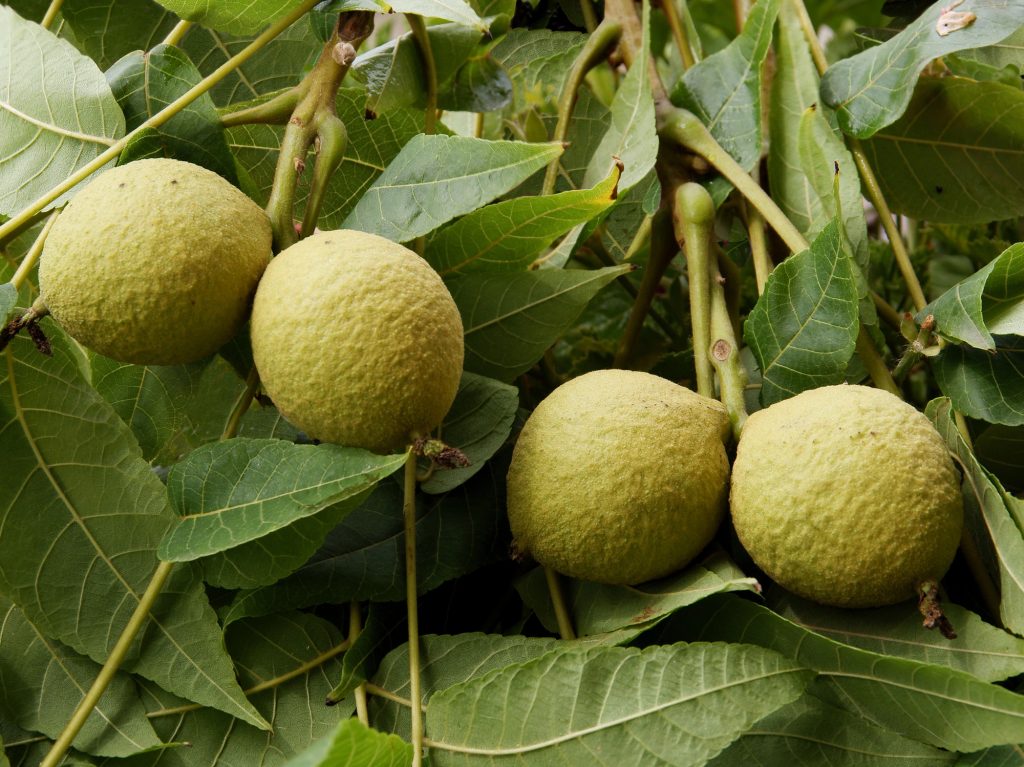
Black walnut trees produce juglone, a substance toxic to many plants, including hydrangeas. This chemical inhibits the growth of hydrangeas and other sensitive plants nearby. Additionally, the extensive root system and large canopy of black walnuts create competitive conditions unfavorable for hydrangeas.
Sunflower

Sunflowers thrive in full sun and hotter conditions, making them quite different in their needs compared to hydrangeas. The stark contrast in their requirements can lead to competitive growth if planted too close together. It’s best to plant sunflowers in a separate area where they can enjoy the full sunlight without affecting the growth of hydrangeas.
Lilac Bush

Lilac bushes prefer full sun and alkaline soil, contrasting sharply with the acidic soil and partial shade that hydrangeas need. While both are beautiful, lilacs and hydrangeas will compete for moisture and space, and the soil pH necessary for lilacs can hinder hydrangea health.
Rosemary

Rosemary is a perennial herb that flourishes in sunny, dry environments and prefers lean, well-draining soil. This makes it a poor match for hydrangeas, which thrive in moist, slightly acidic soil and benefit from some shade.
Because rosemary and hydrangeas have such different needs for sunlight and soil, planting them close together can lead to problems. Rosemary may dominate the available resources, depriving hydrangeas of the moisture and nutrients they need to thrive.
Peppers

Peppers are another high-sun, low-water plant that conflicts with the needs of hydrangeas. While peppers do well in containers that can be managed separately, planting them in the ground alongside hydrangeas can result in competition for water and nutrients, with peppers likely dominating the relationship.
China Aster

China
Amur Maple

Amur maple, while smaller than many trees, still competes intensely with hydrangeas for root space and nutrients. Despite its tolerance for partial shade, its root competition and preference for well-draining soil can stress nearby hydrangea plants, making close planting inadvisable.
Squash

Squash plants, including zucchini, are vigorous growers and heavy feeders that require a lot of space and nutrients, which can deprive hydrangeas of essential resources. Their differing needs for mulching and full sun make them incompatible with hydrangeas in a shared garden space.
Oak Tree

Oak trees create a challenging environment for hydrangeas due to their large size and dense canopy. This can limit sunlight and space for hydrangeas, and their extensive root systems compete heavily with hydrangeas for water and nutrients. Planting hydrangeas too close to oak trees can severely inhibit their growth.
Lavender
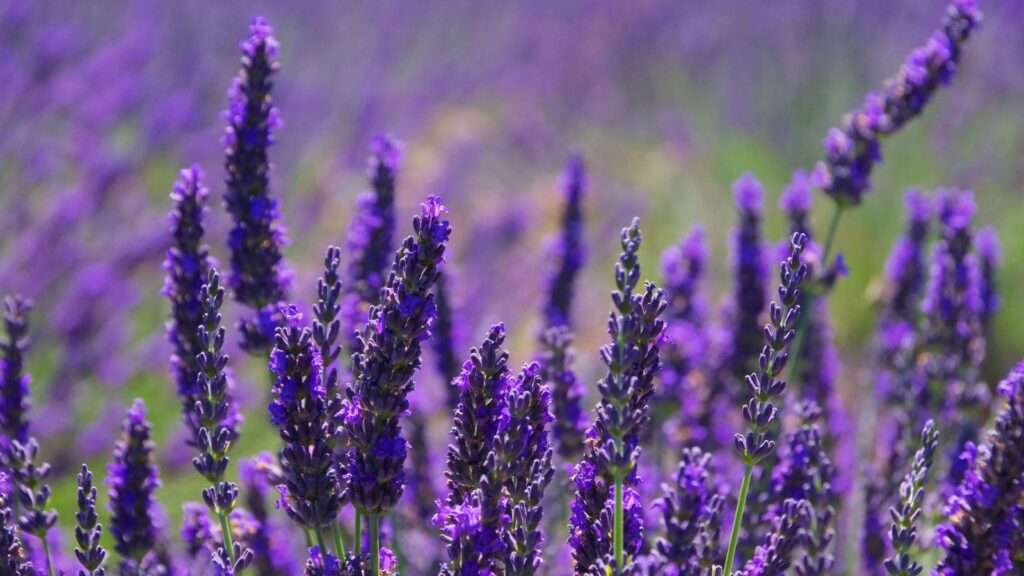
Lavender and hydrangeas are fundamentally mismatched in a garden setting. Lavender loves full sun and dry, alkaline soil, whereas hydrangeas flourish in moist, slightly acidic conditions.
Asparagus

Asparagus and hydrangeas have conflicting soil pH preferences, making co-planting them problematic. Asparagus thrives in alkaline soil, while hydrangeas prefer acidic conditions. Keeping these plants separate helps avoid compromising their soil needs and ensures better growth and health.
Sedum Burrito

Sedum burrito is a succulent that thrives in dry, sunny locations. Its need for minimal water and high light does not complement the moist, semi-shaded environment preferred by hydrangeas, making them unsuitable garden friends.
Dwarf Bearded Irises

Dwarf irises enjoy the sun to partial shade and well-drained soil but do not fare well in the dense shade or moist soil that hydrangeas may create. While tough, their preference for drier conditions makes them poor companions for hydrangeas, which can lead to water competition.
Tender Geraniums

Tender geraniums are well-suited to hot, sunny, and dry conditions, quite the opposite of what hydrangeas require. While they can make visually appealing neighbors, the fundamental differences in their growing conditions mean they should not share the same garden space.
12 Plants to Grow Alongside Your Blueberry Bushes to Keep Them Happy

Planting the right companion plants near blueberry bushes can help to ensure successful fruiting. Here are some plants that you should grow alongside blueberry bushes to help them thrive.
12 Plants to Grow Alongside Your Blueberry Bushes to Keep Them Happy
19 Stunning Red Flowers to Add Bold Color to Your Garden

Adding red flowers to your garden introduces vibrant pops of color, creating a warm and lively atmosphere. Here’s a list of 19 varieties to brighten your garden, bringing in the perfect touch of spring and summer cheer.
19 Stunning Red Flowers to Add Bold Color to Your Garden
28 Budget-Friendly Front Yard Ideas for Stunning Curb Appeal

Improving your home’s curb appeal not only presents well but can also boost your home’s value. Here are 28 to give your front yard the attention it deserves and transform it into a beautiful and inviting space you can be proud of.
28 Budget-Friendly Front Yard Ideas for Stunning Curb Appeal