Rodents are a nuisance. They can carry diseases, damage property, and turn your yard into their personal playground. The problem is, you might not even realize you’re inviting them in. Many rodent problems begin with simple things, such as easy access to food, water sources, or places to hide.
If your yard offers shelter, food, and water, you’ve essentially rolled out the welcome mat for mice, rats, and squirrels. The good news is that by identifying and eliminating these attractants, you can significantly reduce the appeal of your outdoor space to unwanted visitors. Here are some of the most common things that attract rodents, along with how to address them.
Cluttered Yards

Old furniture, tools, and piles of junk create shelter for pests. Keep your yard tidy by removing unnecessary clutter.
Thrift stores can’t use half the things they receive—here’s what they toss and what to do instead
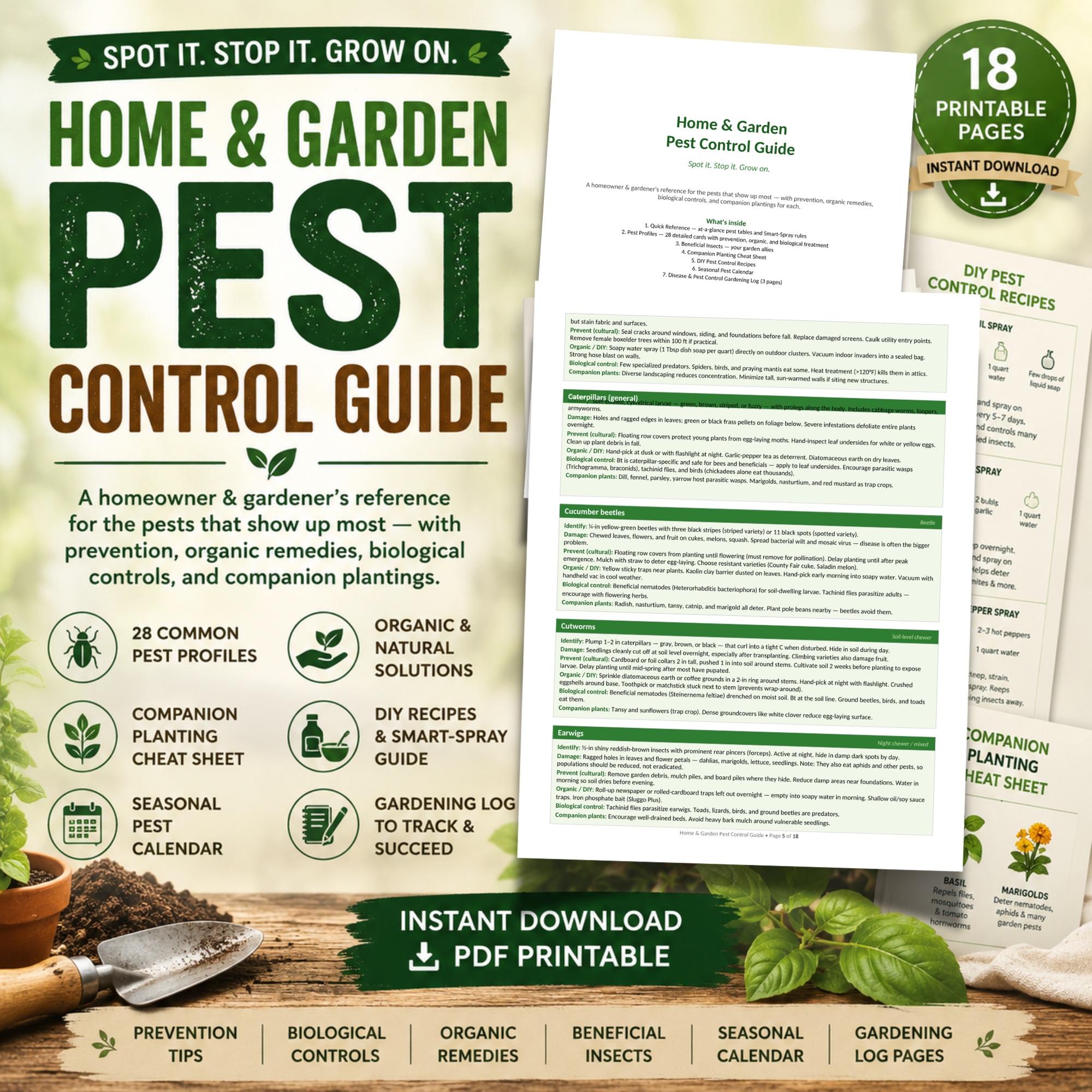
18-page quick guide and reference for gardeners dealing with pests that show up the most. From prevention strategies to treatment and remedies, this is the perfect printable for your garden.
Unmaintained Fences

Gaps or holes in fences can provide easy entry points. Inspect fences regularly, repair damage, and consider adding a rodent-proof barrier along the bottom.
Available Food Sources

Rodents are opportunistic eaters. Pet food left outside, fallen bird seed, rotting fruit on the ground, or even crumbs left behind after a barbecue can be a feast in their eyes. Secure all food sources, clean up promptly after outdoor meals, and pick up fallen fruit to reduce temptation.
Open Trash Cans
An open or partially closed trash can is like a buffet for rodents. They can chew through bags, containers, and even plastic lids. Use tightly sealed, rodent-proof trash cans, ideally raised off the ground, to keep pests out.
Standing Water

All rodents need water, and puddles, clogged gutters, and leaky faucets are perfect sources. Regularly check for standing water and fix leaks quickly to make your yard less appealing.
Compost Piles
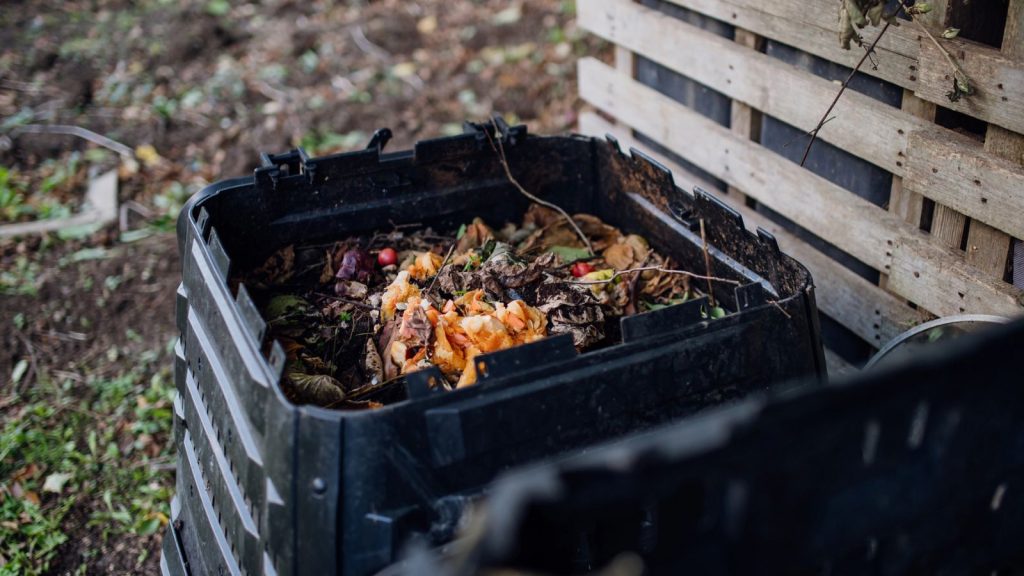
While composting is great for your garden, it can attract rodents if done carelessly. Avoid adding meat, dairy, or greasy foods to your compost, and always keep the bins covered. Turning the compost regularly will also help reduce odors.
15 Surprising Everyday Items You Can Add to Your Compost Pile
Overgrown Grass and Weeds
Tall grass and thick weeds provide excellent hiding spots for rodents. Mow your lawn regularly, trim back overgrowth, and clear debris to limit shelter options.
Tired of Pulling Weeds? 15 Ground Covers That Help Suppress Weeds
Wood Piles and Debris
Firewood and scrap piles make ideal nesting areas. Store wood at least 12 inches off the ground and away from your home to reduce risk.
Bird Feeders

Spilled bird seed is irresistible to rodents. Use spill-proof feeders and clean the ground underneath frequently to prevent your bird feeder from becoming a rodent feeder.
Fruit Trees and Vegetable Gardens
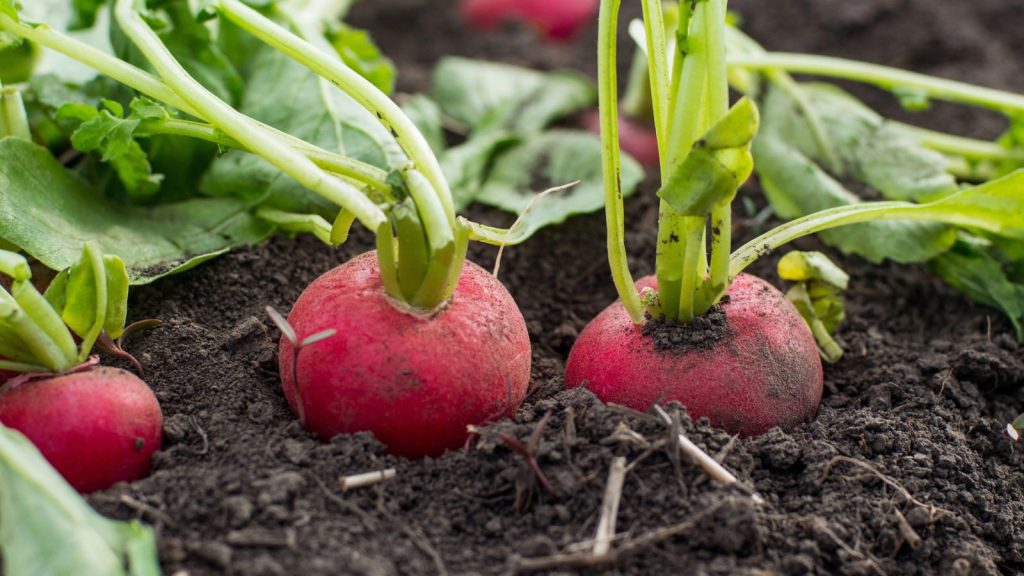
Rats and mice will gladly feast on fallen fruit or accessible vegetables. Harvest produce promptly, pick up fallen fruit, and consider fencing off your garden to keep them out.
Unsecured Outdoor Pet Food
If you feed pets outside, rodents will take advantage of the opportunity. Feed pets indoors when possible or clean up leftovers immediately and store food in airtight containers.
Dense Shrubbery and Bushes
Overgrown shrubs and hedges offer prime hiding spots. Keep plants trimmed, especially those near fences or the house, to remove rodent cover.
Leaky Pipes or Dripping Faucets
Moisture from leaks can draw rodents just as much as food. Inspect your outdoor plumbing regularly and repair any issues promptly.
Unprotected Garden Sheds

Rodents can slip through surprisingly small openings. Seal any gaps in sheds and store items neatly to discourage nesting.
Nesting Materials

Rodents will gather leaves, grass clippings, insulation, and other materials for nests. Rake leaves, bag yard waste, and store materials securely to prevent them from settling.
16 Germiest Places in Your Home That Need a Deep Clean

It’s easy to overlook the hidden areas that accumulate dirt and germs over time. These often-forgotten areas can become breeding grounds for pests and bacteria. Here’s a rundown of the dirtiest places in your home.
16 Germiest Places in Your Home That Need a Deep Clean
Common Pests That Could Ruin Your Fall Vegetable Garden

Fall gardens can attract a variety of pests eager to snack on your crops, threatening your harvest. The good news is that nature provides ways to manage these unwanted visitors. Here’s a guide to some of the most common fall garden pests and tips on how to prevent and manage them.