Hydroton, also known as expanded
Using
When shopping for the best
Here are some recommendations for
What is Clay Pebbles (Hydroton)?
Hydroton, often referred to as LECA (Lightweight Expanded Clay Aggregate), are small
They are made by heating clay to very high temperatures, causing the clay to expand and become porous. The result is these lightweight pebble-shaped pieces that have excellent water and air retention properties.
Hydroton
The
Hydroton
What are the Best Clay Pebbles ?
When selecting the best
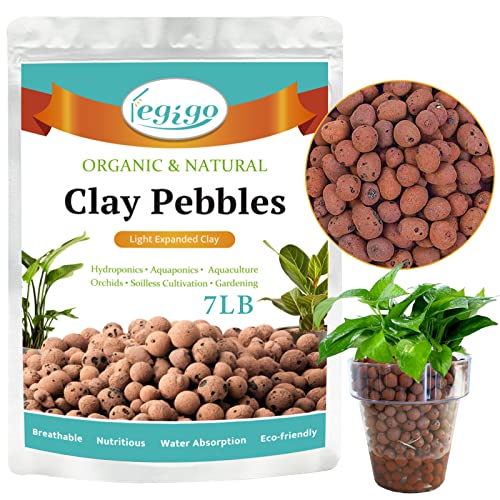
The Legigo 7 LBS Organic Expanded Clay Pebbles are an all-natural, lightweight growing medium perfect for hydroponics, aquaponics, orchids, and indoor plants. Made from natural clay and baked at high temperatures, these pH-neutral pebbles help regulate soil acidity while providing excellent aeration and drainage to prevent root rot and improve oxygen flow. With a porous structure, these clay pellets retain moisture and nutrients, gradually releasing them to support healthy root growth. Measuring 4mm-16mm in diameter, they are ideal for small to medium pots and various gardening applications, including Dutch buckets, media beds, and roof gardens.
Grow !t GMC40l

The GROW!T GMC40l
Designed for durability and reusability, they resist algal growth and pathogen buildup, making them a sustainable investment for multiple growing seasons.
Their uniform 4mm-16mm size allows for reliable spacing and smooth flow in flood and drain systems without clogging. Packaged in a convenient 40-liter bag, these versatile pebbles are perfect for drainage, decoration, and soil enhancement, offering a long-lasting solution for home and commercial growers.
GEOLITE GMGC45L 45L Clay Pebbles

GEOLITE GMGC45L
A key benefit of GEOLITE pebbles is their longevity and resistance to algal growth across seasons. Cleaned and sterilized after harvest, they maintain their integrity for years rather than compacting or dissolving. Pathogens also have difficulty establishing on the pebble surface. This reusable nature makes them a sound value investment for indoor gardeners focused on sustainability.
UQYES 4.4lb Hydroponics Clay Pebbles Ceramsite Balls

The UQYES Ceramsite Balls provide a quality, affordable clay pebble option for small-scale home hydroponic gardens. These clay aggregates consist of highly porous pebbles fired into rounded balls measuring 8-16mm across. This sizing allows reliable drainage and airflow in containers while still fully moistening plant roots.
A standout feature of these pebbles is their low cost and smaller packaging compared to commercial-scale options. The 4.4lb bag allows for cultivating clay media before investing in bulk quantities. UQYES pebbles work well mixed into soilless media or alone in containers and narrow columns. Their bag is also resealable for storing leftovers.
These affordable pebbles still deliver consistent quality that outperforms many budget-friendly alternatives, which compress or degrade over time. When properly cleaned, they resist algal growth and maintain their rigid structure across multiple seasons. First-time hydroponic growers find these an approachable introduction without heavily increasing costs.
D’vine Dev Ceramic Planter Filler Balls
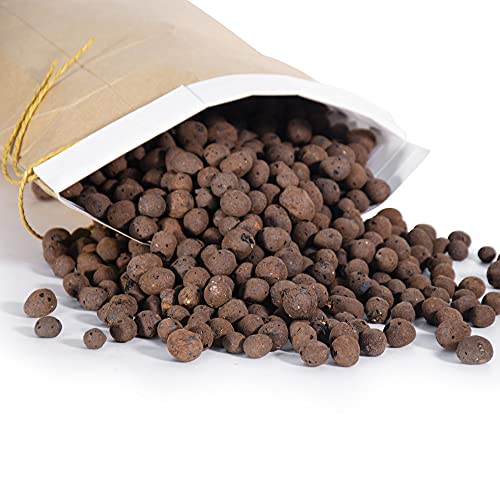
D’vine Dev Ceramic Balls offer a unique take on
These tiny porous pebbles elevate drainage and root health for houseplants and delicate indoor gardening. Used alone, their smaller size is best suited to seeds, propagations, and microgreens rather than support for larger plants. Filling window boxes and accent planter arrangements reduces soil compaction while adding eye-catching highlights.
A standout advantage of D’vine Dev’s filler balls is their crushed marble composition. Often lighter than fired clay, they reduce overall weight in hauling bags of soil amendments. Their neutral pH also makes integrating them into custom mixes simple without skewing acidity. Dense but tiny, a little goes a long way towards improving soil structure.
wohohoho 2.2lbs Mini Coffee Hydroponics Clay Pebbles

The Wohohoho Mini Coffee
These mini clay balls shine in narrow vessels like hanging growth columns, wall-mounted planters, and tiered hydro towers. Their petite proportions won’t clog small-scale irrigation lines. Their dark coffee color also lends an earthy, natural aesthetic to kitchen herb gardens and living wall planters where visibility matters.
While too small for mature plants, these micro
How Do Clay Pebbles Work?
Clay pebbles like Hydroton provide an excellent growing media for hydroponics because they help anchor and support plants while allowing air flow and drainage. The porous structure and spacing of the individual pieces offer the ideal environment for plant roots.
Each clay granule has tiny air pockets that retain water and oxygen. This oxygen helps promote beneficial bacteria and healthy white root growth. Spaces between the pebbles allow for drainage so oxygen can reach the roots. This air pruning stops excessive horizontal growth and instead encourages more vertical roots that access the nutrient solution faster.
Having a nice gap spacing between pebbles also prevents compression and suffocation of the root zone. In denser media like Rockwool, tight stacking can limit airflow. The smooth, round Hydroton balls avoid this, and roots easily swell into the gaps, naturally seeking moisture and nutrients.
Another advantage is that the
Properly sizing the Hydroton pieces for the hydro method, filling nets pots correctly, and maintaining consistent watering optimizes how the