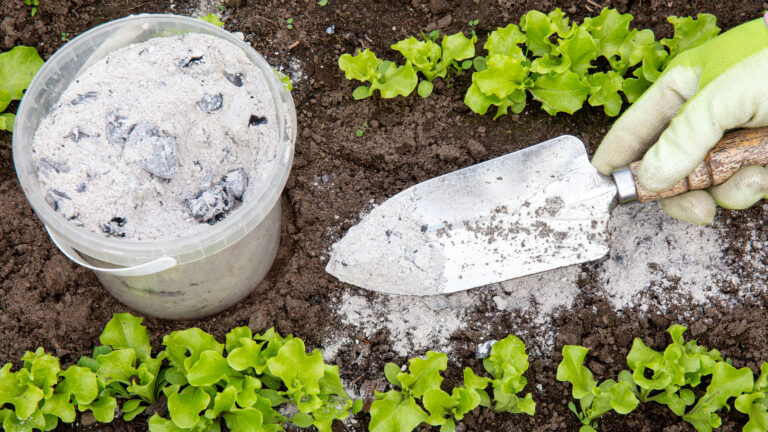
Cornmeal was a pantry staple in our home growing up—especially for making creamy porridge, a beloved comfort food in Jamaican households. While most people consider cornmeal a cooking ingredient, its usefulness goes far beyond the kitchen. Surprisingly, this humble product can do wonders in the garden too.
Cornmeal provides a natural, budget-friendly solution for addressing a range of garden-related issues. Gardeners everywhere are discovering that this everyday item can quietly transform how we care for plants. We’ll dig into the many practical and eco-friendly ways you can put cornmeal to work in your garden.
Chemical-Free Weed Control

Cornmeal, a finely milled by-product of corn, doubles as an organic pre-emergent herbicide. It works by disrupting the development of young weed roots, stopping weeds before they even sprout. This method allows you to manage weeds without harming the environment or beneficial plants.
Sprinkle it on garden beds to suppress new weed growth.
A Gentle Boost of Nutrients

Cornmeal contains nitrogen, an essential nutrient for plant growth. This can work particularly well for crops like tomatoes and leafy greens. When worked into the soil, cornmeal breaks down slowly, releasing nutrients over time—perfect for gardeners looking for a natural, low-impact fertilizer.
Related: 15 Natural Plant Fertilizers Made from Everyday Waste to Feed Your Garden
Control Ants
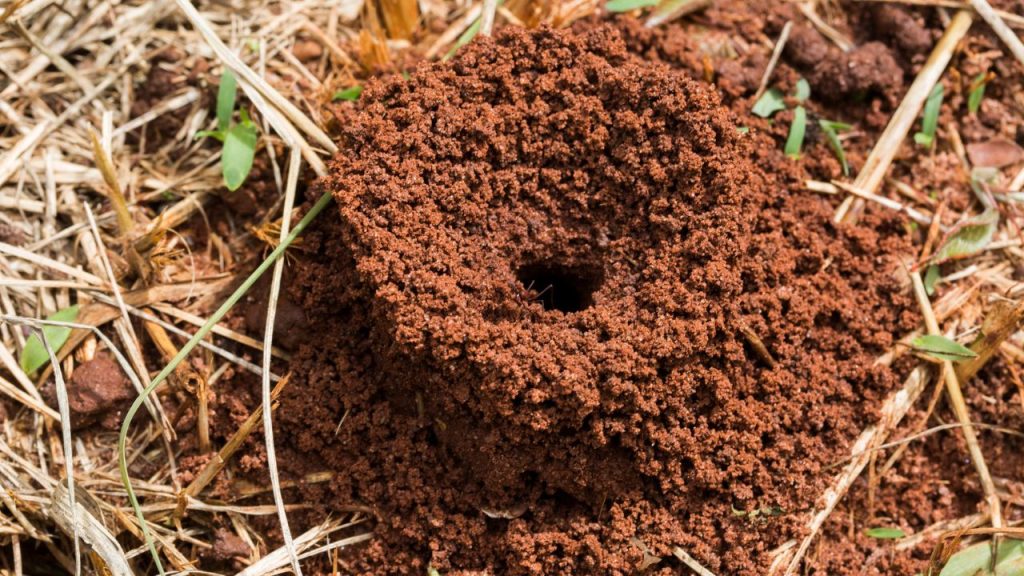
Cornmeal works great for dealing with ants. All that’s needed is a sprinkle of cornmeal around your garden beds and any visible ant trails. Ants are drawn to cornmeal and will carry it back to their nest as food. Since they can’t digest it, the cornmeal expands inside them, eventually leading to their death.
How to Get Rid of Ants in the Raised Garden Beds
Attracts Soil-Friendly Helpers

Cornmeal can be quite the snack for earthworms, which is great news for your soil. Earthworms play a vital role in creating air pockets and enriching the soil with nutrients as they tunnel through it. Scatter cornmeal in your garden beds or compost pile to encourage more of these natural tillers to move in.
Pest Deterrent
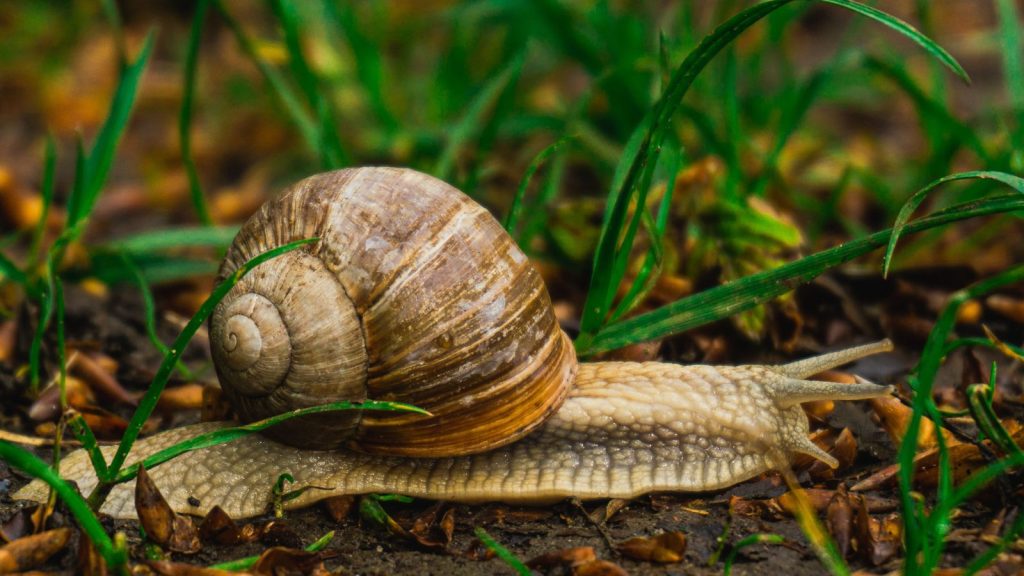
Cornmeal can be a non-toxic method of deterring pests like ants and slugs. The theory is that these pests consume the cornmeal, which then swells and causes digestive issues, leading them to leave or perish. Many gardeners have used this method as part of a broader pest control strategy.
Compost Activator
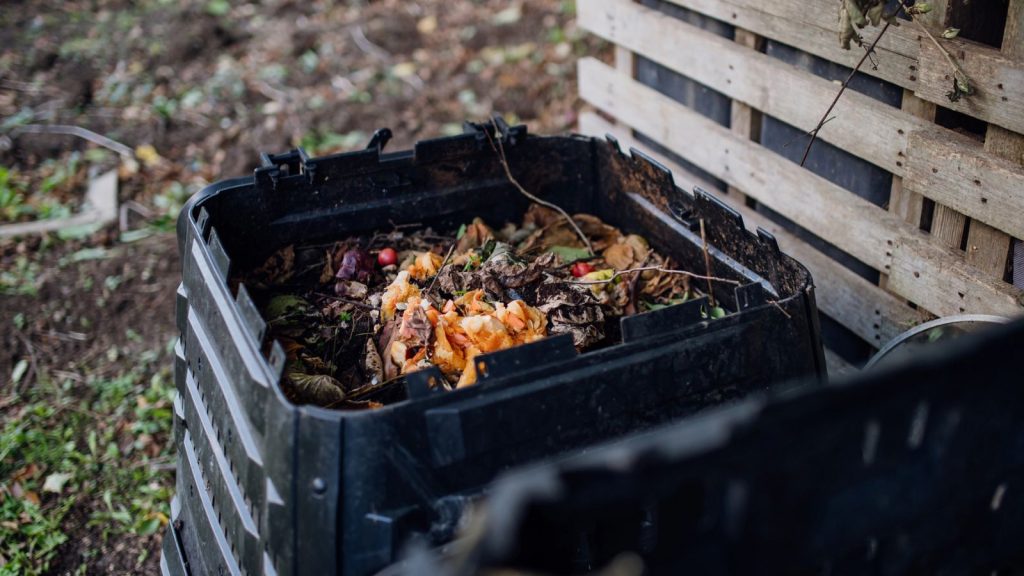
If you are big on composting, Cornmeal can help “feed” the microbes in your compost pile, speeding up decomposition. It provides a source of nitrogen and carbohydrates that beneficial bacteria thrive on, helping break down organic matter more efficiently.
Related: 10 Compelling Reasons to Start Composting Today
Use as Chicken Feed
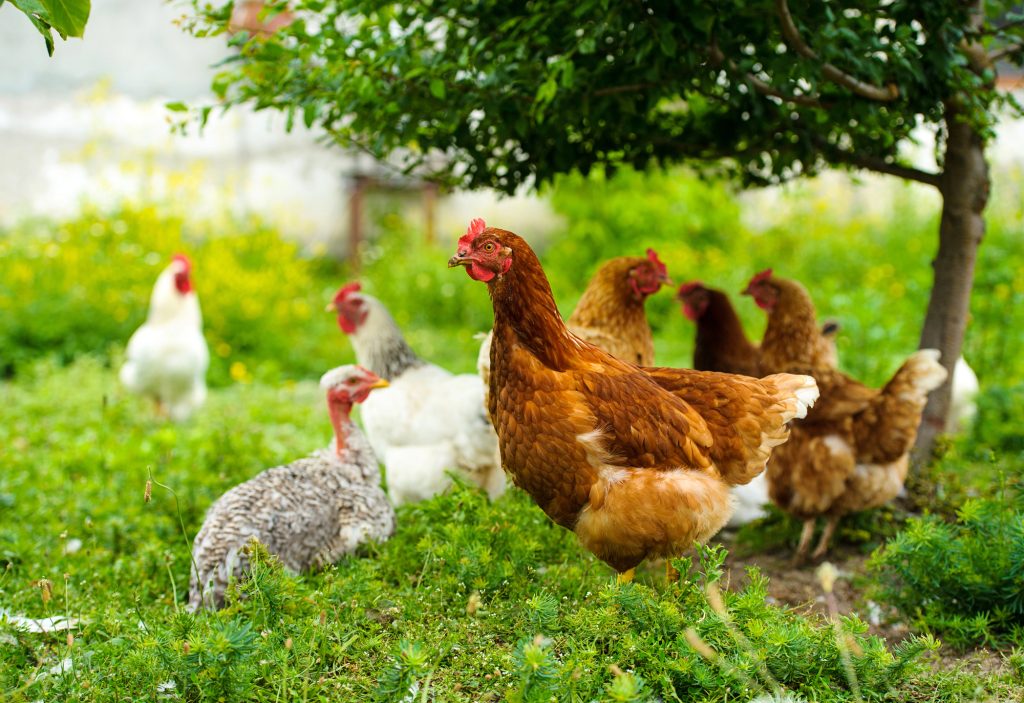
If you raise backyard chickens, cornmeal is an option for chicken feed. Many commercial chicken feeds utilize cornmeal as an ingredient. It can be a great nutritional grain for your chickens.
Soil pH Balancer

Cornmeal can slightly lower soil pH over time, which may help in neutral or alkaline soils. Some acid-loving plants, such as blueberries, roses, or azaleas, may benefit from this mild effect, especially when used alongside other soil acidifiers.
Pathway or Walkway Clean-Up
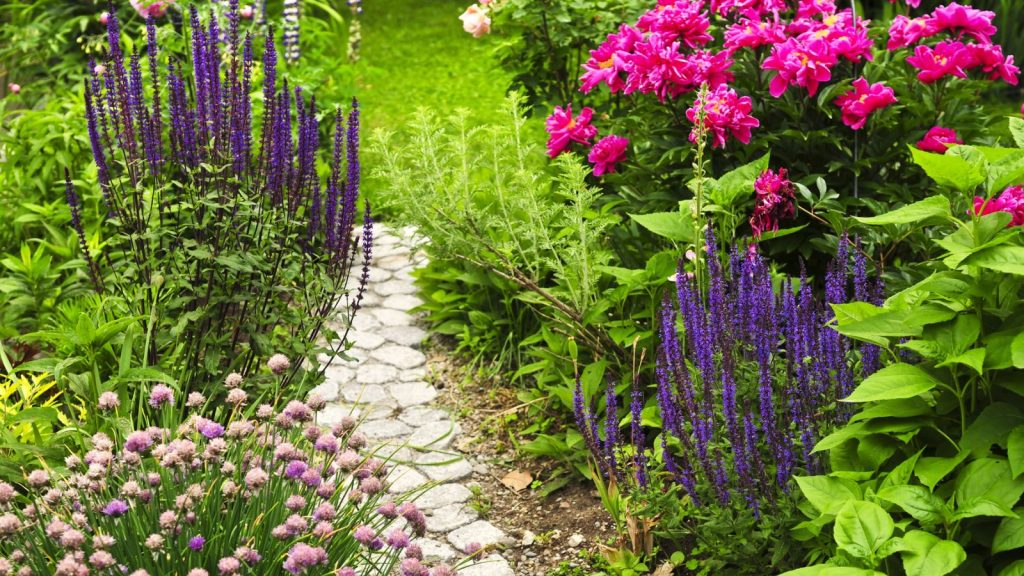
If your garden paths are prone to slippery algae or mold, cornmeal can help dry up the area and discourage regrowth. Simply sprinkle a thin layer over damp spots. The cornmeal will absorb moisture and interfere with fungal growth on hard surfaces.
14 Pretty Flowering Shrubs and Bushes to Boost Curb Appeal
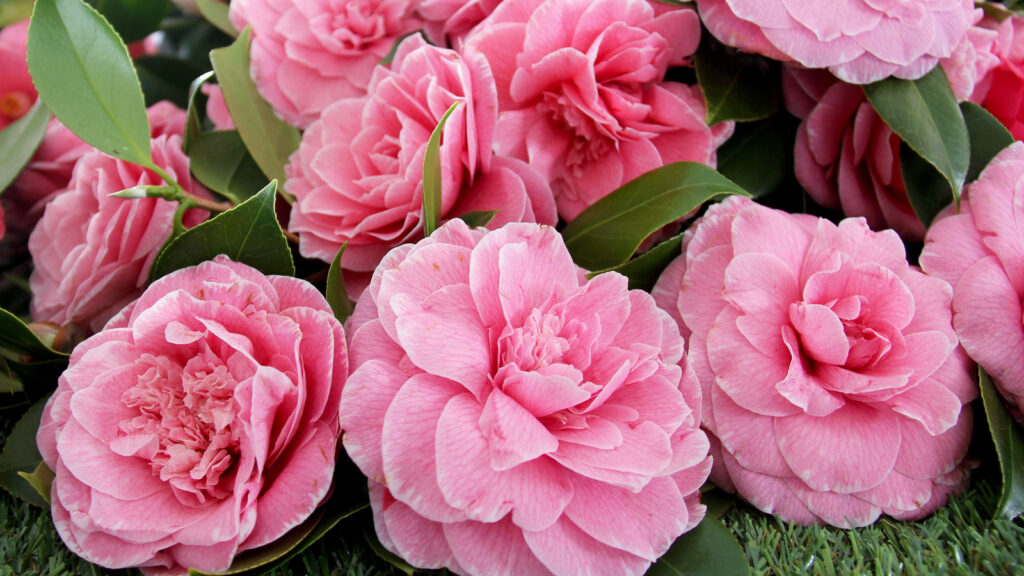
Choosing the right shrubs and bushes is important for both appearance and functionality in your landscape design. These plants help increase your home’s curb appeal by providing color and beauty from spring through fall. Here are 14 attractive flowering shrubs and bushes to enhance your curb appeal.
14 Pretty Flowering Shrubs and Bushes
28 Pantry Staples You’ll Be Surprised to Learn Are This Easy to Make at Home

What if you could make your favorite pantry staples at home instead of buying them at the store? Making things from scratch is a simple way to rely less on grocery stores and have more control over what’s in your food.
28 Pantry Staples You’ll Be Surprised to Learn Are This Easy to Make at Home