
Pairing your hibiscus plants with the right companion plants helps them pop more. The best plants to grow alongside hibiscus enhance its tropical beauty, help with pest control, attract pollinators, and keep your garden thriving. We will highlight 17 perfect companion plants for your hibiscus.
1. Daylilies (Hemerocallis)

Daylilies thrive in fertile loamy soil enriched with organic matter and grow well in USDA Zones 3 to 9. These vibrant flowers, reaching up to 4 feet tall, attract hummingbirds and bees, making them ideal pollinator partners for hibiscus.
They feature three broad petals and three narrower sepals, forming a trumpet-like shape in a variety of colors such as orange, yellow, red, pink, and purple. Daylilies need regular sunlight and consistent mulching to retain moisture, and should be watered weekly or as needed.
2. Hydrangeas (Hydrangea macrophylla)

Hydrangeas grow best in fertile, well-drained soil with a pH below 6.5 and are suitable for USDA Zones 3 to 9. These low-maintenance shrubs can reach a mature height of 1 to 4 feet. Hydrangea produces flowers in purple, blue, and pink hues, which attract pollinators like bees and butterflies.
Always water hydrangeas every one or two days. Ensure the plant receives full or partial sunlight. Planting with compost is also strongly encouraged.
3. Bee Balm (Monarda)

Bee balm grows in rich humus soil and thrives in USDA Zones 3 to 9, reaching up to 4 feet tall. It is a magnet for pollinators, especially bees, butterflies, and hummingbirds.
These perennial flowers have round, showy petals in pink, red, or purple, with a dark center that pairs nicely with hibiscus.
4. Sweet Alyssum (Lobularia maritime)
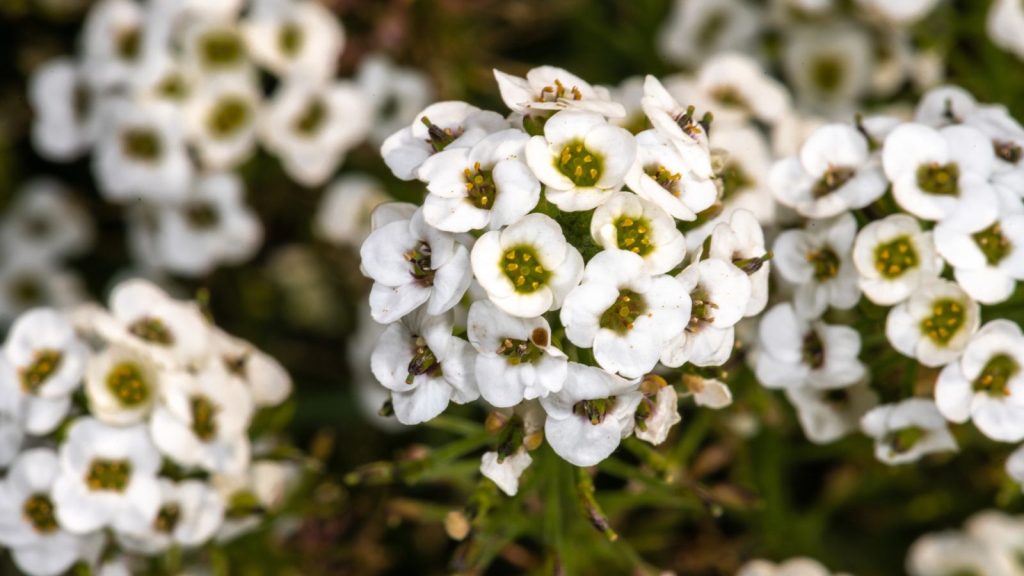
Sweet alyssum prefers moist, well-draining soil with neutral to acidic pH and grows in USDA Zones 5 to 9. This low-growing plant (only 3 to 10 inches tall) helps retain the soil moisture and heat while suppressing weeds, making it a great companion plant for hibiscus.
Its fragrant blooms improve the aesthetic value of your garden. For optimal growth, provide sweet alyssum with good air circulation, consistent watering, and at least six hours of sunlight daily.
5. Gaillardia (Gaillardia pulchella)

Gaillardia, or
Gaillardia grows in sandy or well-drained soils and is suitable for USDA Zones 3 to 10. It also reaches 12 to 24 inches tall when mature.
6. Pentas (Pentas lanceolata )
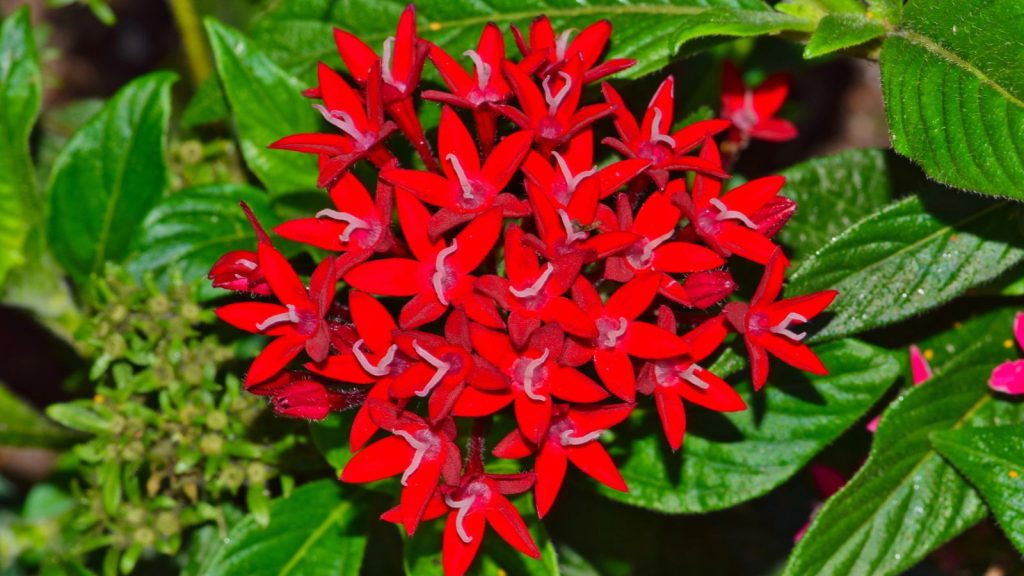
Pentas are eye-catching, scrubby plants that will turn heads in your garden. The plant has oval-shaped leaves with sharp tips. They have clusters of star-shaped flowers in red, pink, or white that attract numerous pollinators.
Pentas grow in fertile, well-drained soil and thrive in USDA Zones 10 to 11. They require 6-8 hours of sunlight daily and reach a mature height of 3 feet. Prune them in early summer and check soil moisture before watering.
7. Nasturtium (Tropaeolum majus)

Nasturtiums have large, vibrant flowers often in yellow, red, orange, and cream tones. The flowers are easily recognizable by their funnel shape. They’re ideal companions for tropical hibiscus because they help prevent soil erosion and attract both pollinators and beneficial pests.
Nasturtiums thrive in infertile, well-draining soil and grow in USDA Zones 9 to 11. Controlled and regular watering will help prevent wilting.
8. Echinacea (Echinacea purpurea)
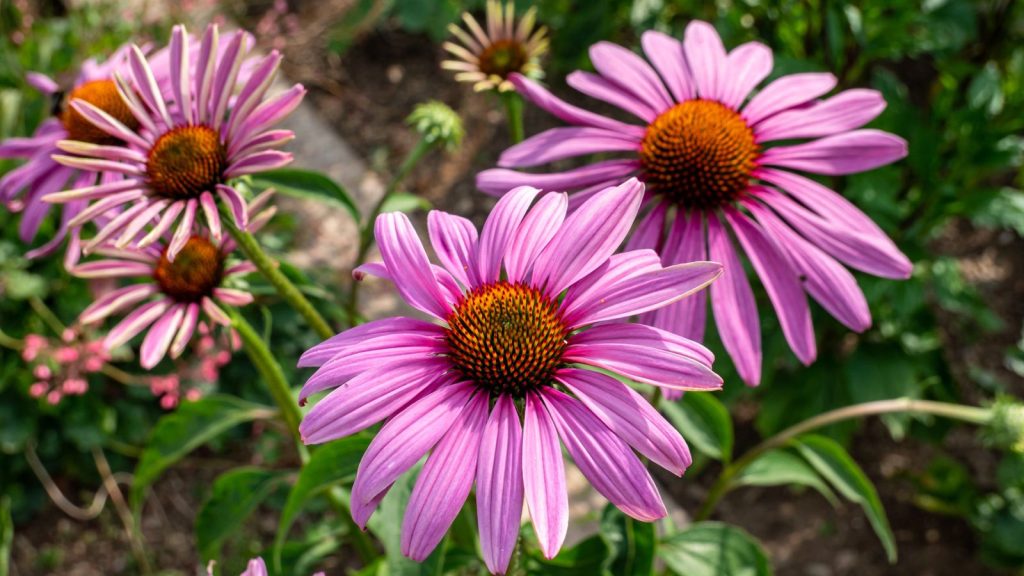
Echinacea offers pest control benefits and fits right into a diverse hibiscus garden. Its drooping petals, which are pink, purple, orange, or green, add variety to the garden.
9. Sweet Potato Vines (Ipomoea batatas)
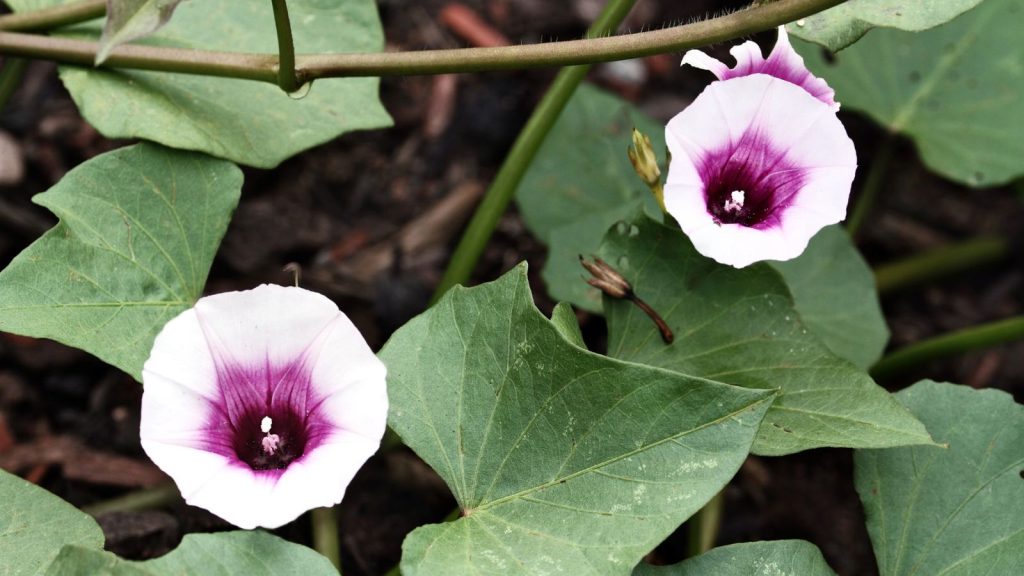
These vines are the perfect companion for hibiscus; they’re excellent space fillers and deter pests like aphids. Their blooms resemble jasmine flowers but gradually become purple as they age.
Sweet potato vines grow best in moist, well-drained soil and USDA Zones 9 to 11. They also require regular weeding and consistent sunlight.
10. Lantana (Lantana camera)

Lantana and tropical hibiscus have contrasting flower patterns that improve your garden’s aesthetics. Lantana spots showy clusters of flowers that can be pink, purple, red, yellow, or orange. They also attract pollinators and repel spider mites and aphids.
Lantana grows in moist, well-draining soil that is slightly acidic or alkaline and is suited to USDA Zones 9 to 11. Water during the early growth stage and prune in early spring for optimal health. They can grow 1 to 2 feet tall when healthy.
11. Rudbeckia (Rudbeckia hirta)
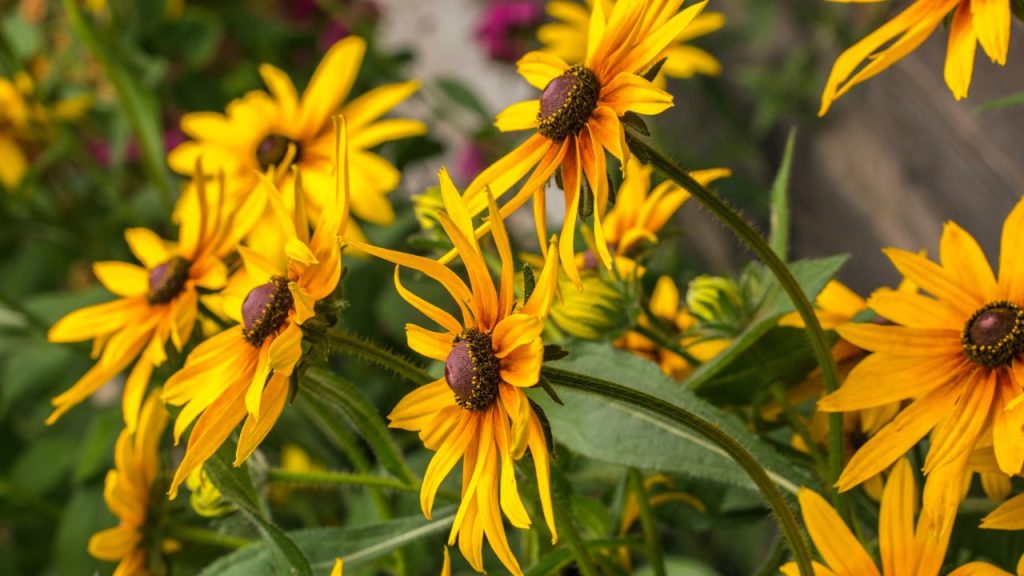
Rudbeckia can sometimes be confused with daisies because of their yellow/orange petals with a dark central cone. Its cheerful appearance draws pollinators and brightens any garden bed alongside hibiscus.
Rudbeckia thrives in fertile, organic soil and USDA Zones 3 to 9. With regular sunlight and mulching, it can grow 2 to 4 feet tall.
12. Salvia (Salvia officinalis)
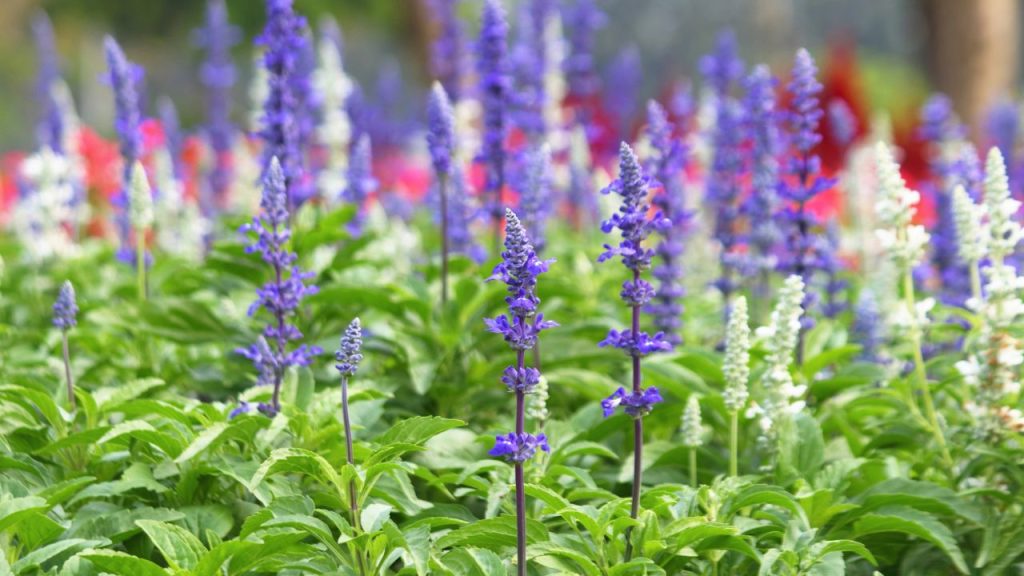
Salvias are low-growing shrubs that bloom in purple, red, pink, or white and help deter pests. They grow in rich, fertile soil and suit USDA Zones 3 to 9.
Depending on the variety, they range from 18 inches to 5 feet. To stimulate growth, prune and deadhead dried flowers.
13. Basil (Ocimum basilicum)
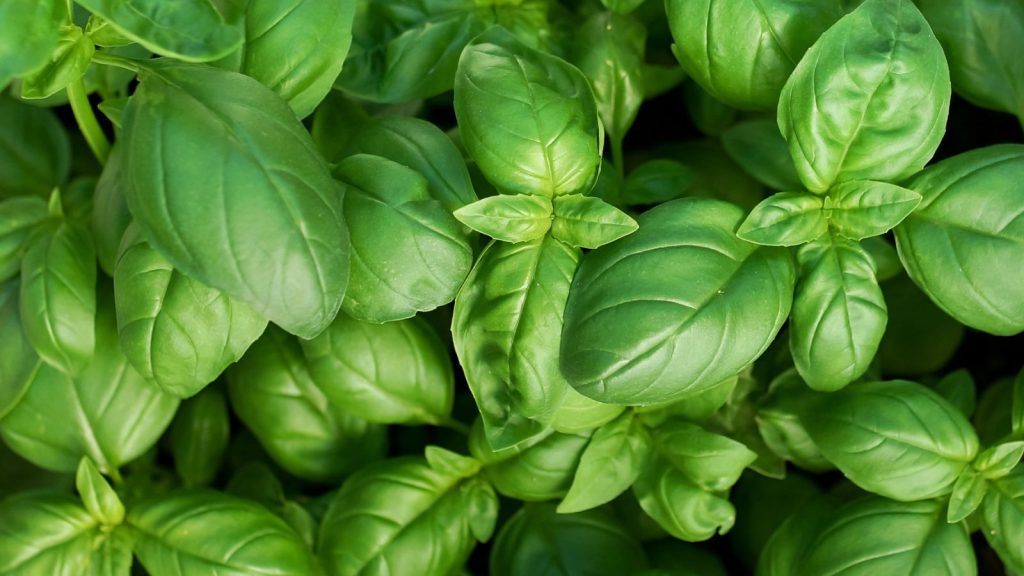
The basil plant is a herb that flourishes in fertile, well-drained loamy soil and USDA Zones 9 to 11.
Basil can grow up to 18 to 24 inches tall, has oval leaves that can be green or purple, and may produce small white flowers. This herb attracts pollinators and repels pests such as mosquitoes and thrips. For best results, plant basil in direct sunlight and protect it from slugs.
14. Milkweed (Asclepias)
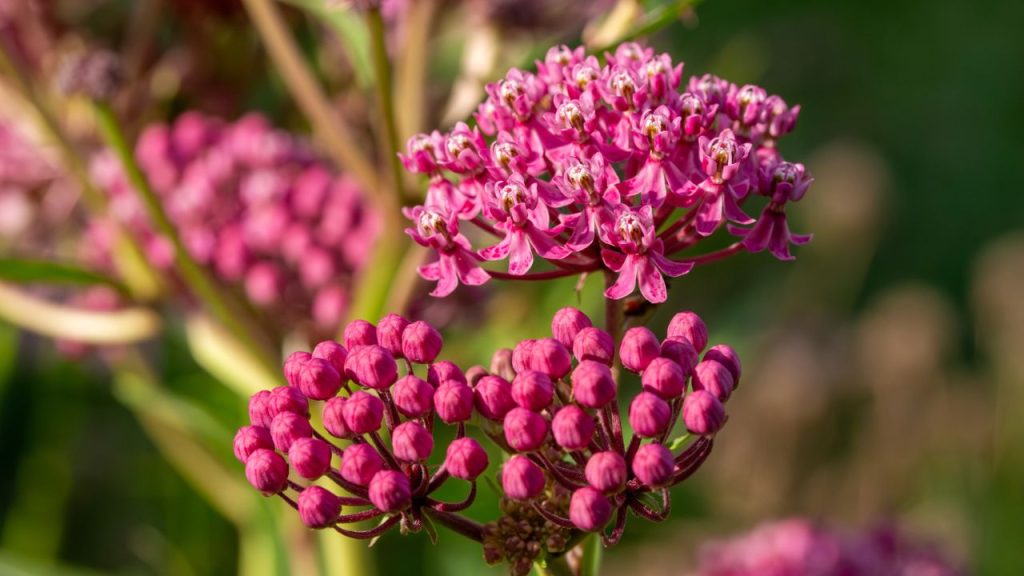
Milkweed contrasts visually with hibiscus and is beneficial for attracting bees and supporting pollinator populations in your garden. It adapts to most well-draining soils and is suitable for USDA Zones 3 to 10. It can reach a mature height of 2 to 4 feet and produces fuzzy pink, white, or purple blooms.
15. Crape Myrtle (Lagerstroemia indica)

Crape myrtle produces showy clusters of red and pink flowers that pair beautifully with hardy hibiscus to create a lush garden.
Crape Myrtle thrives in well-drained soil and USDA Zones 6 to 10. It is low maintenance but requires frequent mulching to retain heat and suppress weeds. Water thoroughly during its early growth stages.
16. Coreopsis (Coreopsis grandiflora)
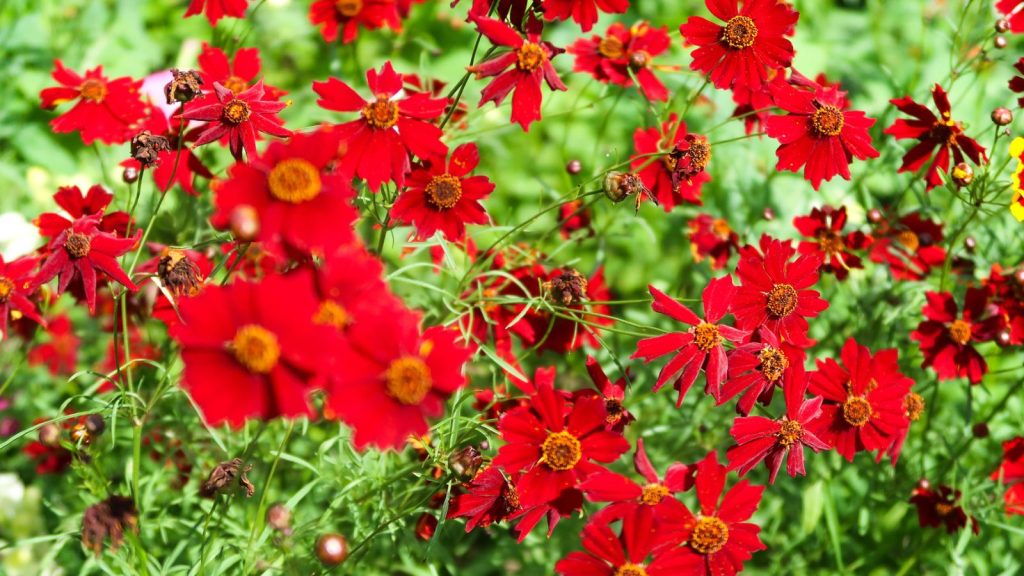
Coreopsis is a cheerful, daisy-like flower that blooms in yellow, orange, and red shades throughout summer. It attracts bees and butterflies, making it an excellent companion for hibiscus.
Coreopsis prefers well-drained soil and thrives in USDA Zones 4 to 9. It also tolerates drought and poor soil conditions once established, adding resilience to your garden. It typically reaches a height of 1 to 3 feet.
17. Sweet Caroline (Ipomoea batatas)
Sweet Caroline and hardy hibiscus are an essential pair in every garden. This plant produces satin-textured flowers that are bright pink. Their ruffled petals often feature a pale yellow center.
Sweet carolines are adaptable and typically require 6-8 hours of full sunlight daily. It grows well in loose, fertile soil that is slightly acidic or alkaline and is best suited for USDA Zones 9 to 11. It can reach 6 to 12 inches in height and attracts pollinators like hummingbirds and butterflies.
22 Perennials That Will Take Over Your Garden (And Not in a Good Way)

If you want a thriving, low-maintenance garden without unexpected headaches, it’s best to think twice before planting these problematic perennials.
22 Perennials That Will Take Over Your Garden (And Not in a Good Way)
15 Shade Loving Perennials That Won’t Overrun Your Garden

If you’ve been hesitant to plant perennials in the shadier parts of your garden, these choices will change your mind. These hardy plants thrive without direct sunlight, bringing rich foliage and colorful blooms to areas where other plants might struggle.
15 Shade Loving Perennials That Won’t Overrun Your Garden
21 Cheap Perennials to Grow That Will Make Your Garden Pop

You can fill your space with lush, eye-catching blooms with the right selection without overspending. Here are 21 affordable perennials bringing long-lasting beauty without stretching your wallet this year.