Gardening comes with its own set of lessons, and one of them is that not all plants grow well side by side. Each perennial has its own needs, and some simply don’t perform well when they’re too close to certain neighbors. In shared garden spaces, that difference can show up in slower growth, weaker blooms, or plants that never seem to settle in.
This matters even more with perennials since they stay in the same spot year after year. A poor pairing can affect your garden for a long time.
If you’re planning a new flower bed or rearranging an existing one, here are some perennial combinations best kept apart.
1. Roses and Lilacs
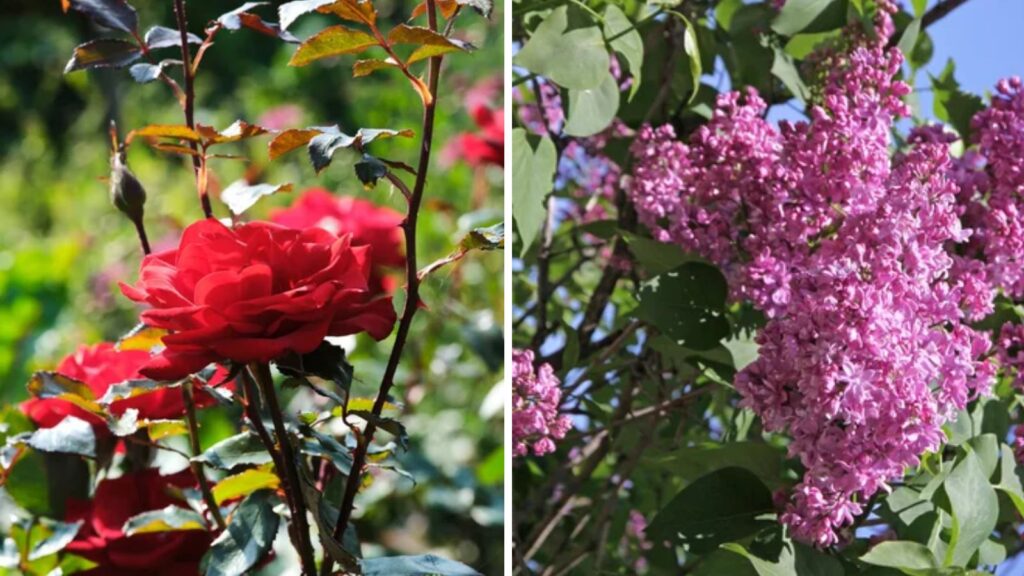
Roses and lilacs require different soil pH levels – roses prefer slightly acidic soil, while lilacs thrive in more alkaline conditions. It is impossible to create the perfect conditions for both plants to thrive, so they’re better off planted in separate areas. Roses would prefer to live next to plants that share similar soil acidity preferences, such as lavender or catmint.
2. Chives and Asparagus

Chives and asparagus are common additions to a perennial vegetable garden, but they don’t make good companions. Chives can quickly overcrowd the space and compete for nutrients with the deeper-rooted asparagus plants, leading to poor growth and low yields.
3. Bleeding Heart and Russian Sage

These two ornamental plants couldn’t be much more incompatible when it comes to growing conditions! Bleeding heart plants prefer damp, shaded conditions, whereas Russian sage thrives in dry, well-drained soil and full sun. Consider pairing bleeding hearts with other shade-loving plants like hostas or ferns, and Russian sage with drought-tolerant companions like lavender or sedum.
4. Iris and Daylilies

Iris plants thrive in moist soil in partial shade, while daylilies prefer well-drained soil and full sun. Planting them together may result in competition for resources, especially if one plant shades out the other. Pair iris with other shade-loving perennials, and plant your daylilies with suitable companions such as
5. Lavender and Hostas

Lavender grows best in poor, stony soil in full sun, while hostas thrive in rich, moist soil with partial shade. Plant lavender alongside other sun-loving perennials like rosemary or
6. Kiwi and Blackberries

When planning a fruit garden or orchard, it is important to consider the differing needs of your plants. Kiwi vines are vigorous growers that demand substantial nutrients and water, while blackberries also require nutrient-rich soil but prefer slightly drier conditions. Planting them together can lead to competition for resources, affecting growth and fruit production.
7. Creeping Thyme and Creeping Phlox

Both creeping thyme and creeping phlox are vigorous groundcovers that spread quickly, competing for space and nutrients if planted together. To ensure success with both these delightful plants, pair creeping thyme with other low-growing herbs like oregano or chamomile. Creeping phlox can be planted alongside compatible groundcovers such as sedum or ajuga for a well-coordinated garden layout.
8. Raspberries and Strawberries

Strawberries and raspberries enjoy similar growing conditions – fertile, well-drained soil in a sunny spot. However, raspberries are greedy feeders and will outcompete with strawberries for nutrients. Taller raspberry canes will also cast shade over sun-loving strawberries, leading to slow growth and poor yields. There’s only one winner in this arrangement, so do your strawberries a favor and move them elsewhere!
9. Mint and Parsley

Planning a herb garden can be tricky, as the temptation is to plant all your favorite aromatic and culinary herbs together. However, mint is notorious for its vigorous spreading habit, quickly dominating and outcompeting parsley for nutrients and space. Parsley would be happier in a separate area alongside other herbs or vegetables that share similar growing conditions. As for mint, this fast-growing plant should ideally be grown in containers or confined areas to prevent its invasive spread.
10. Japanese Maple and Dianthus

Planting Japanese maples and dianthus together can lead to one overshadowing the other or competition for resources such as water and nutrients. Pair Japanese maples with other shade-loving perennials like hostas or ferns, and dianthus with sun-loving companions like coreopsis or salvia.
11. Persimmon and Pomegranate

Persimmons prefer well-drained soil with moderate moisture levels, whereas pomegranates thrive in drier conditions. Planting them together can lead to one species being stressed due to inappropriate soil conditions, affecting overall health and fruit production.
12. Azaleas and Lilacs

Azaleas prefer acidic soil and partial shade, while lilacs prefer slightly alkaline soil and full sun. Pairing these two perennial plants together can lead to nutrient deficiencies and affect their overall health and flowering. Pair azaleas with other acid-loving plants like rhododendrons or camellias, and lilacs with sun-loving shrubs or perennials like butterfly bush or peonies.
13. Apples and Black Walnuts

It can be hard to find plants that enjoy growing next to black walnuts – these beautiful trees produce a chemical (juglone) that inhibits the growth of many other plants, including apples. Planting them together can result in stunted growth or poor fruit production for apples due to juglone toxicity.
14. Peonies and Hibiscus

Planting peonies and hibiscus together can result in competition for nutrients and sunlight, affecting the growth and flowering of both plants. It’s better to pair peonies with other sun-loving perennials like daylilies or catmint, and hibiscus with moisture-loving plants such as hydrangeas or