

Pain is something we all experience from time to time, whether from a headache, muscle soreness, chronic medical conditions, or injuries. While over-the-counter medications can provide relief, did you know that certain foods contain natural compounds that can help reduce pain and inflammation? These foods offer a safe way to ease pain and, if appropriate, help reduce your intake of conventional medicines.
We’ve compiled a comprehensive list of foods with pain-relieving properties, explaining how they work, the types of pain they may help alleviate, and tips on how to incorporate them into your diet.
(It is important to note that these natural remedies are not a substitute for professional medical advice or prescribed treatments. If you have a serious or chronic condition, always consult with your healthcare provider before making significant changes to your diet or pain management plan)
1. Almonds
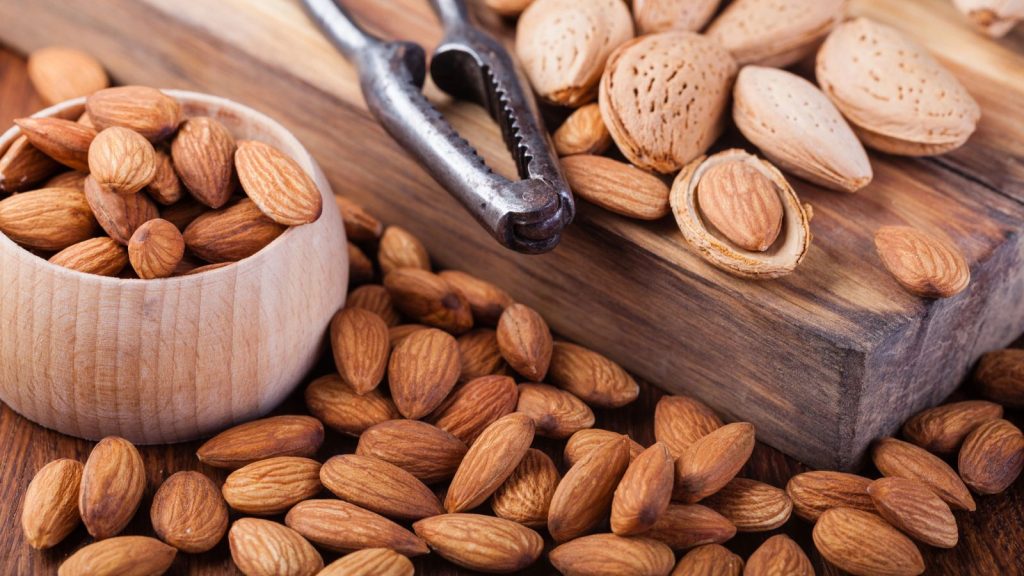
How it works: Almonds contain vitamin E and healthy fats that help fight oxidative stress and reduce pain and inflammation.
Best for: Long-term pain, muscle fatigue, and chronic inflammatory conditions.
How to use: Snack on a handful of almonds every day or add almond butter to smoothies or toast.
2. Avocado

How it works: Avocadoes are rich in monounsaturated fats, vitamin E, and carotenoids that reduce inflammation and pain.
Best for: Joint pain and muscle recovery.
How to use: Add sliced avocado to salads, spread on toast, or blend into smoothies.
3. Bananas

How it works: There’s a good reason that runners eat a lot of bananas – these tasty fruits are not only a good energy boost, but are also high in potassium and magnesium, both of which help relax muscles.
Best for: Muscle cramps, nerve pain, and headaches.
How to use: Eat one banana daily as a snack, add to smoothies, or slice onto cereal or yogurt.
4. Beets
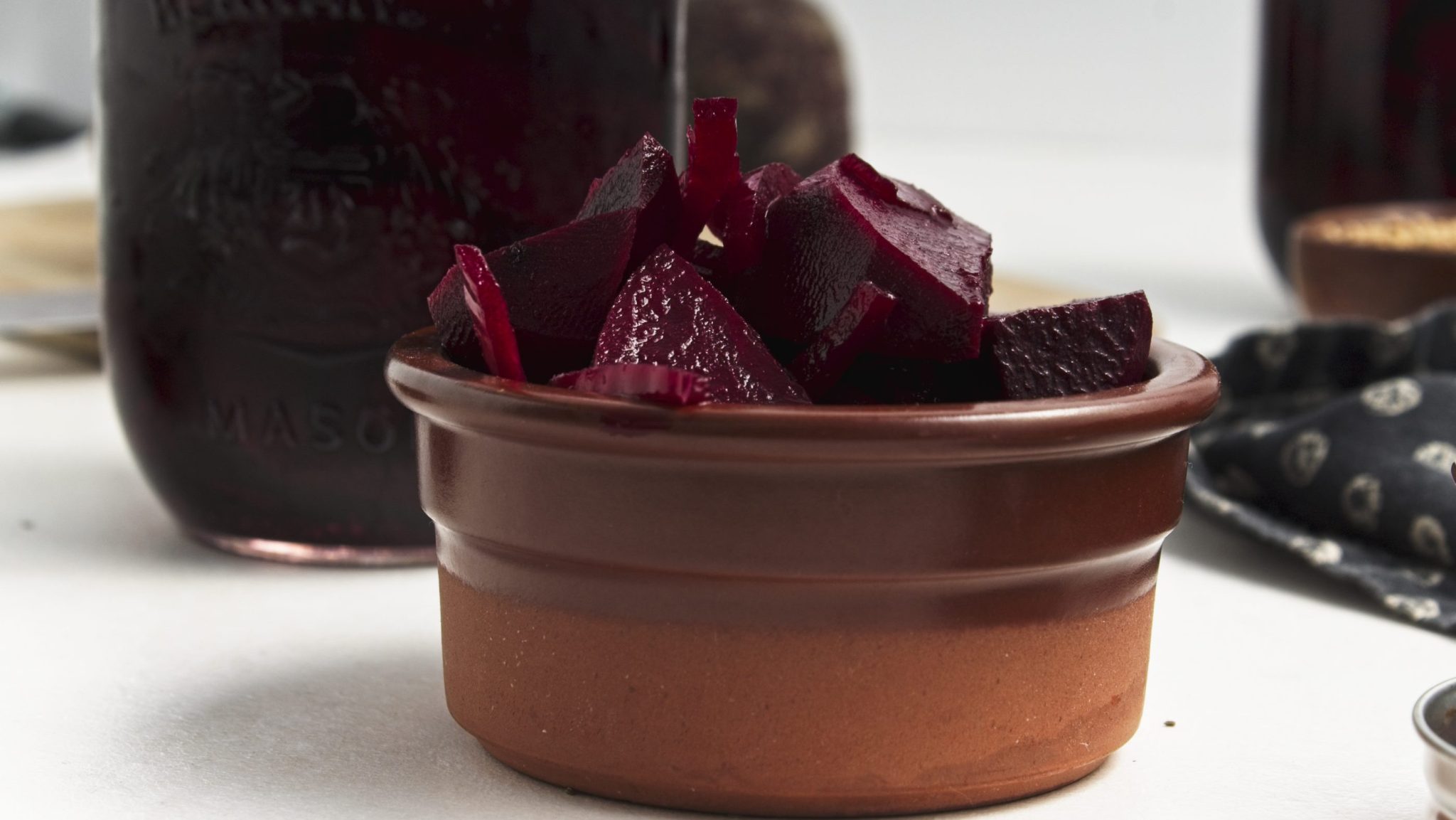
How it works: The high levels of nitrites in
Best for: Muscle soreness and inflammation.
How to use: Juice fresh
22 Brilliant Beet Recipes That Can’t Be Beat
5. Blueberries

How it works: Famed for being the ultimate superfood, blueberries are packed with antioxidants and anti-inflammatory compounds that help reduce pain and repair damage.
Best for: Chronic pain and nerve pain.
How to use: Add fresh or frozen blueberries to smoothies, oatmeal, or yogurt.
6. Cherries

How it works: Cherries are rich in anthocyanins, which reduce inflammation and block pain signals.
Best for: Gout, muscle soreness, and joint pain.
How to use: Eat a handful of fresh cherries daily for best results.
7. Cinnamon

How it works: Cinnamon contains cinnamaldehyde, a natural compound with anti-inflammatory and pain-relieving properties.
Best for: Muscle pain, joint pain, and menstrual cramps.
How to use: Sprinkle ground cinnamon on oatmeal for a tasty breakfast snack.
8. Cloves

How it works: Cloves have long been used as a natural remedy for dental pain. They contain eugenol, a natural pain reliever and anti-inflammatory compound.
Best for: Toothaches, headaches, and muscle pain.
How to use: Diluted clove oil can be applied directly to the affected area to soothe tooth pain.
9. Dark Chocolate

How it works: I don’t think anyone will be disappointed to hear that dark chocolate can be classed as pain relief! This tasty treat contains flavonoids and magnesium, both of which reduce stress-induced pain and inflammation.
Best for: Headaches and general muscle tension.
How to use: Eat moderate amounts of dark chocolate with at least 70% cocoa.
10. Flaxseeds
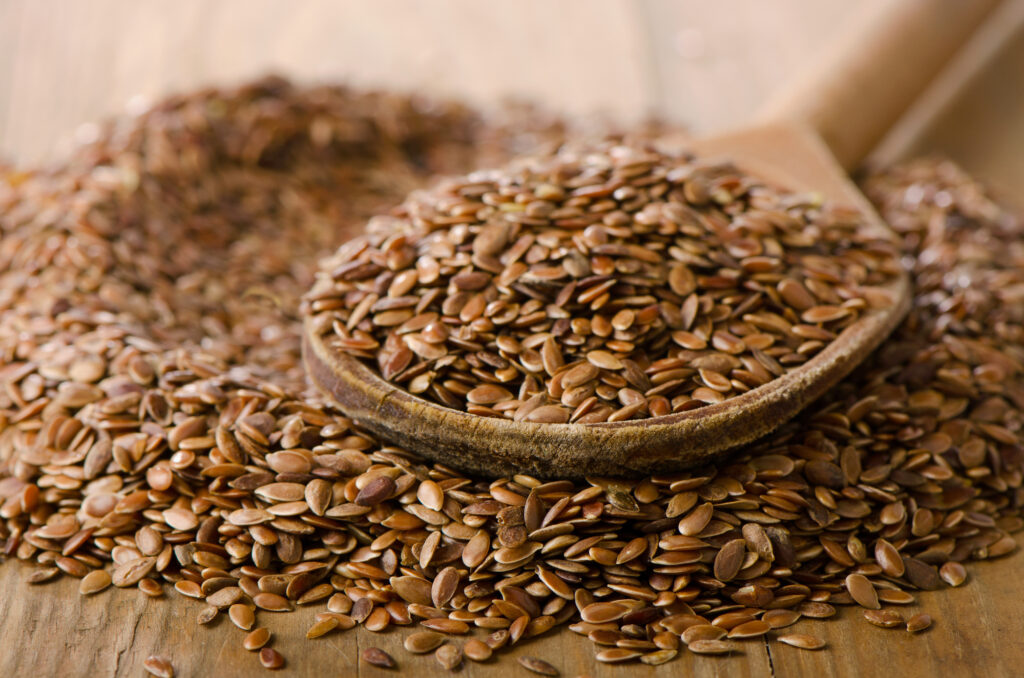
How it works: Flaxseeds are rich in omega-3 fatty acids, helping to lower inflammation and support nerve health.
Best for: Joint pain, nerve pain, and muscle recovery.
How to use: Sprinkle ground flaxseeds on oatmeal, yogurt, or smoothies.
How to Substitute Flax Seed for Eggs
11. Garlic

How it works: The sulfur compounds in
Best for: Inflammatory conditions like arthritis and ear pain.
How to use: Regularly add raw or cooked
12. Ginger

How it works: Ginger contains natural compounds that reduce inflammation and block pain pathways.
Best for: Muscle pain, arthritis, and menstrual cramps.
How to use: Add fresh ginger to herbal teas, soups, or smoothies. You can also use ginger powder in cooking or as a supplement.
13. Green Tea
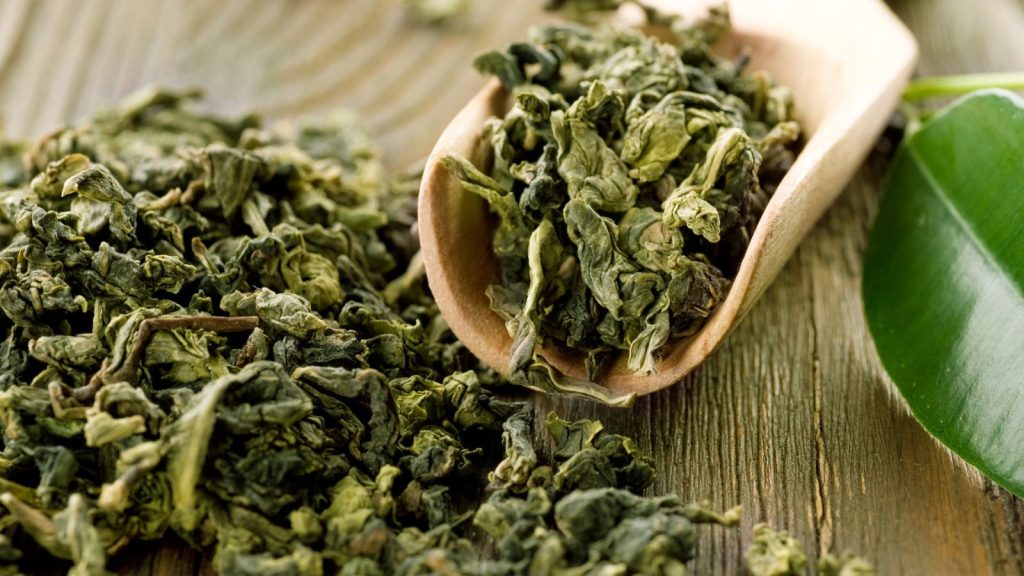
How it works: Green tea contains high levels of polyphenols that fight inflammation and relieve pain.
Best for: Arthritis, headaches, and nerve pain.
How to use: Drink 2-3 cups of green tea daily, or use it as a base for smoothies.
14. Kale

How it works: Kale is packed with antioxidants, including quercetin, which reduces inflammation and blocks pain pathways.
Best for: Chronic pain, joint pain, and muscle soreness.
How to use: Use fresh kale in salads, smoothies, or as a sautéed side dish.
15. Mushrooms

How it works: Rich in beta-glucans and antioxidants, mushrooms can support immune health and alleviate pain.
Best for: Chronic pain and joint inflammation.
How to use: Regularly add mushrooms to stir-fries, soups, or roasted vegetable dishes.
16. Olive Oil

How it works: Now for one of my favorites – olive oil! This healthy oil contains oleocanthal, a compound with anti-inflammatory effects similar to ibuprofen.
Best for: Joint pain, chronic pain, and inflammatory conditions.
How to use: Use extra virgin olive oil as a dressing, drizzle over cooked vegetables, or use in cooking.
17. Pineapple

How it works: The juicy flesh of pineapple contains bromelain, an enzyme that reduces inflammation and improves circulation to painful areas.
Best for: Post-surgery recovery, sports injuries, and joint pain.
How to use: Incorporate fresh pineapple regularly into your diet.
18. Spinach
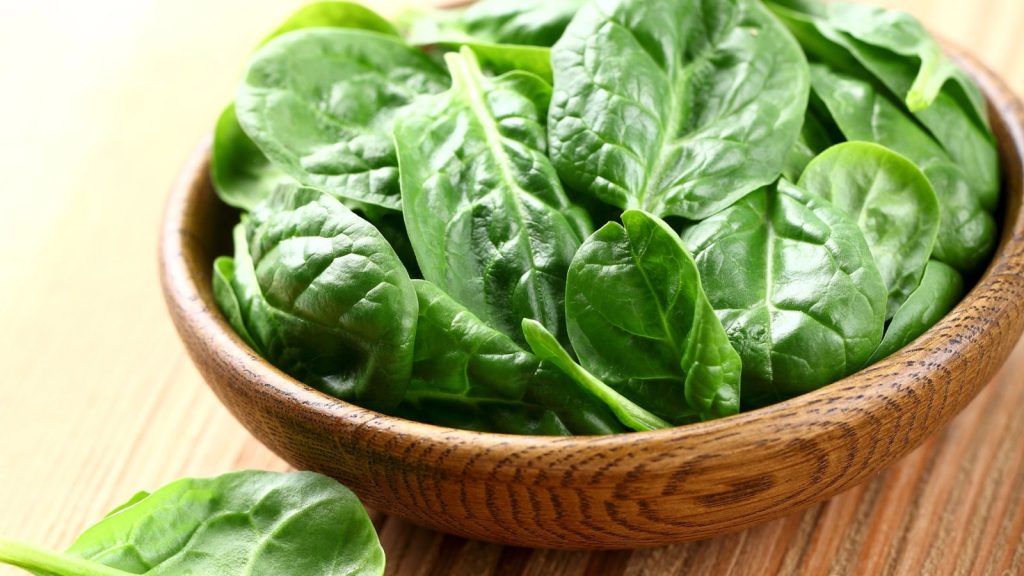
How it works:
Best for: Muscle cramps, migraines, and nerve pain.
How to use: Add fresh
19. Turmeric

How it works: Many people regularly take turmeric supplements – this flavorsome spice contains curcumin, a powerful anti-inflammatory and antioxidant that modulates pain.
Best for: Chronic conditions like arthritis, post-surgery recovery, and nerve pain.
How to use: Mix turmeric powder into warm milk, teas, or soups. Nutritionists advise pairing with black pepper to enhance absorption.
20. Watermelon

How it works: Freshy juicy watermelon contains citrulline, a natural compound that improves circulation and reduces muscle soreness.
Best for: Post-exercise muscle pain and general muscle fatigue.
How to use: Eat fresh watermelon slices or blend them into a refreshing juice or smoothie.
21 Herbal Tea Recipes to Boost Your Mornings

Here are 21 herbal tea recipes that will take your morning to the next level.
21 Herbal Tea Recipes to Boost Your Mornings

Kate Chalmers
Kate is a passionate gardener who has a keen interest in all things related to homesteading and sustainability. She resides in Portugal with her husband and menagerie of animals and has over 15 years of experience in the UK veterinary industry. In 2020, Kate and her husband took on a dilapidated Portuguese house and abandoned olive grove, turning it into an abundant food forest and home for nature.
Life on the homestead is never the same from one day to the next, and Kate has mastered many skills that she is keen to pass on to anyone with an interest in becoming more self-sufficient. Kate believes that living a sustainable lifestyle is the key to happiness and fulfillment and that everyone can make simple changes that connect us back to nature and reduce our impact on the planet.