This post may contain affiliate links.


I love having a garden that brings in birds, bees, and other wildlife—but I draw the line at rats. A few summers ago, I started noticing chewed-up vegetables, seedlings vanishing overnight, and telltale signs of digging around my garden beds. Sure enough, rats had moved in and were helping themselves to my harvest.
It was frustrating, but I didn’t want to give up on growing food. After some trial and error, I found a few practical solutions that actually worked to keep them out. If you’re dealing with the same problem, here’s what finally helped me take back control of my garden.
Tidy overgrown plants

Rats are shy creatures and rely on dense ground cover to hide in as they move around the garden. Taking a few moments to cut back overgrown plants and expose their hiding places may encourage visiting rats to move on elsewhere.
18-page quick guide and reference for gardeners dealing with pests that show up the most. From prevention strategies to treatment and remedies, this is the perfect printable for your garden.
Secure compost bins

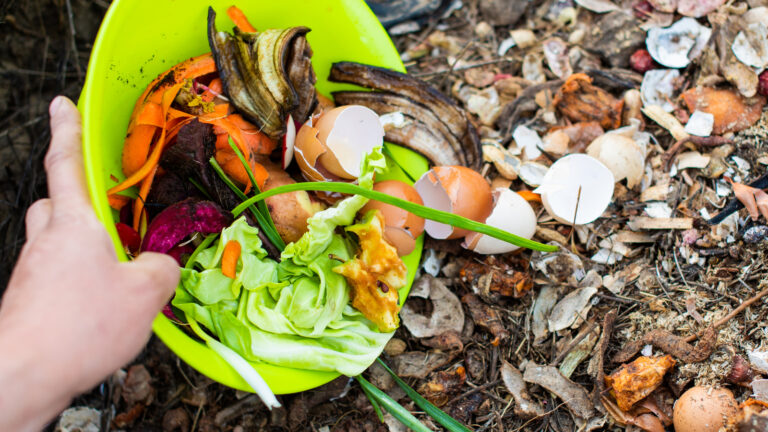
Rodents like rats and mice love to hang out in compost bins, not just in search of food but also as a warm, cozy place to nest. Line the base of your compost bins with wire mesh and use a tight-fitting metal or thick plastic lid to stop rats from setting up home.
Humane traps

Rats play a vital role in the ecosystem, perhaps not in our gardens. If rats are destroying your vegetable patch, consider investing in a humane trap to capture them and release them in a safe location far from your home.
Chili peppers

Hot chili peppers contain capsaicin, which is highly irritating to rats if inhaled. Create a homemade pepper spray by soaking crushed peppers or cayenne pepper powder in water and spraying it around plants and garden entrances.
Wind chimes

I love the sound of wind chimes in the garden, so hanging them all around to deter rats is no hardship! The constant noise fools the rats into thinking that humans may be present, discouraging them from setting up a home in your garden.
Encourage natural predators

Natural predators like owls and hawks can help reduce the rat population in your garden. To attract them, install owl boxes and perches for hawks to make your garden a welcoming and safe place.
Garlic
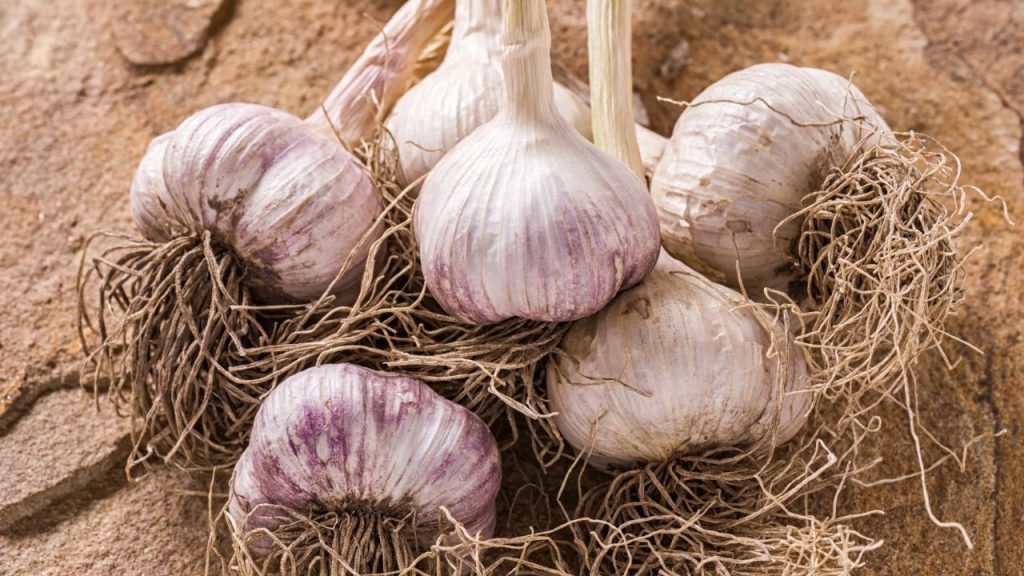
Plant
Lavender

Lavender might smell wonderful to us, but rats disagree! Plant
Related: Lavender Cookies
Raised garden beds

If you’re happy to let rats roam freely but want to keep your veggies safe, consider growing them in raised beds. Use wire mesh on the bottom and sides to keep rats from burrowing underneath or climbing in.
How To Fill a Raised Garden Bed for a Successful Harvest
Mint
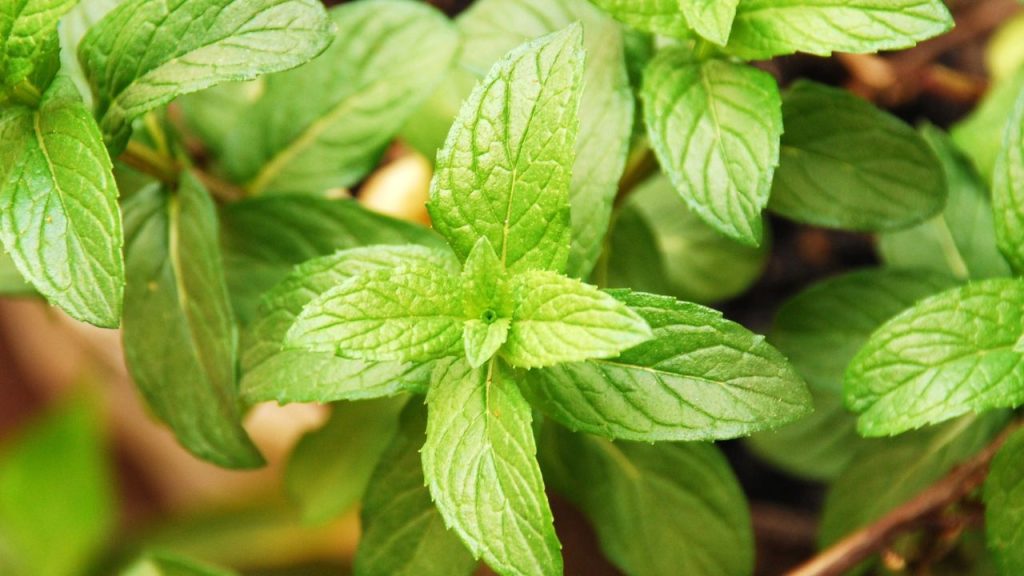
Plant mint varieties such as spearmint, peppermint, or catnip near vulnerable vegetables act as a natural barrier. Rats dislike the strong smell of these plants and will look elsewhere for food. Remember that most plants in the mint family grow vigorously, so prune them regularly before they invade your garden.
Reflective objects

The reflection and movement of shiny objects like aluminum foil or old CDs will create a visual disturbance that discourages rats from entering your garden. This is also a great way to deter birds from eating vegetables, so it is a win-win solution!
Predator decoys

In urban areas where natural predators are scarce, place decoy figures of owls, hawks, or snakes in your garden to mimic the presence of predators. Position them in high-visibility areas and make sure to move the decoys around regularly to maintain the illusion of danger.
Castor oil

The pungent smell of
Predator urine

Commercially produced rat deterrents that mimic the scent of coyote or fox urine will rapidly scare rats away. Remember to reapply every few weeks or after heavy rain for continued effectiveness.
Fennel
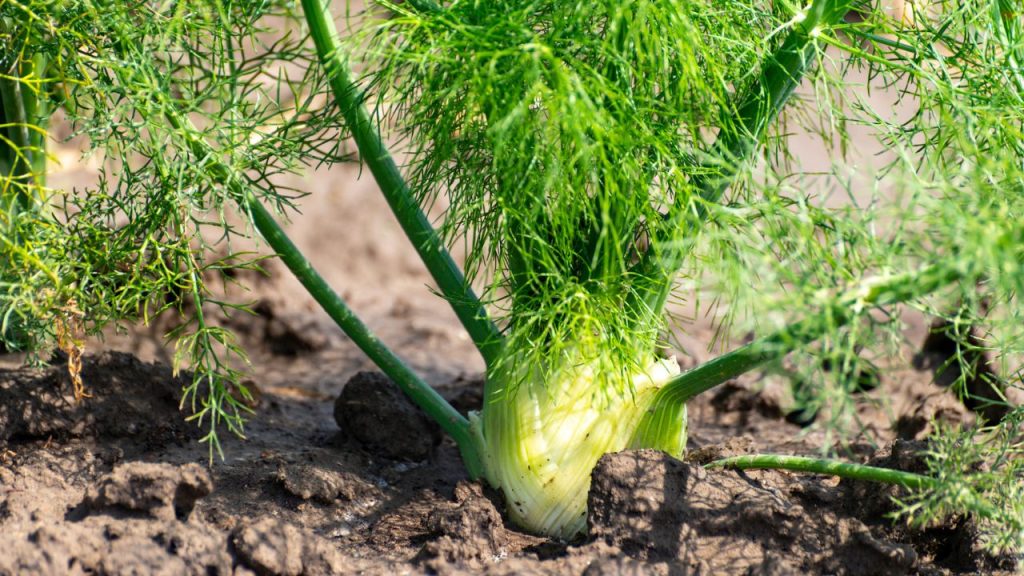
Rats tend to avoid the distinctive, licorice-like scent of fennel, so plant it around your garden boundary to create a natural barrier. Fennel is not a good companion for other plants, so keep it out of the vegetable patch.
15 Plants That Can Peacefully Coexist with Fennel
Block entry points

Regularly inspect and secure any cracks, gaps, or holes in your garden fence that rats could use as entry points. Rats like an easy life and will move on elsewhere if their normal route is blocked.
How to Defeat Japanese Beetles in Your Garden

If Japanese beetles are causing problems in your garden, consider trying one of these natural methods to eliminate them.
How to Defeat Japanese Beetles in Your Garden
I’ve Grown Tomatoes for Years —These Are the Tips That Actually Work

f you’re tired of trial and error and need advice that actually yields results, here are 18 tips that’ll help you grow the best tomatoes of your life.
I’ve Grown Tomatoes for Years —These Are the Tips That Actually Work
How to Get Rid of Squash Bugs for Good
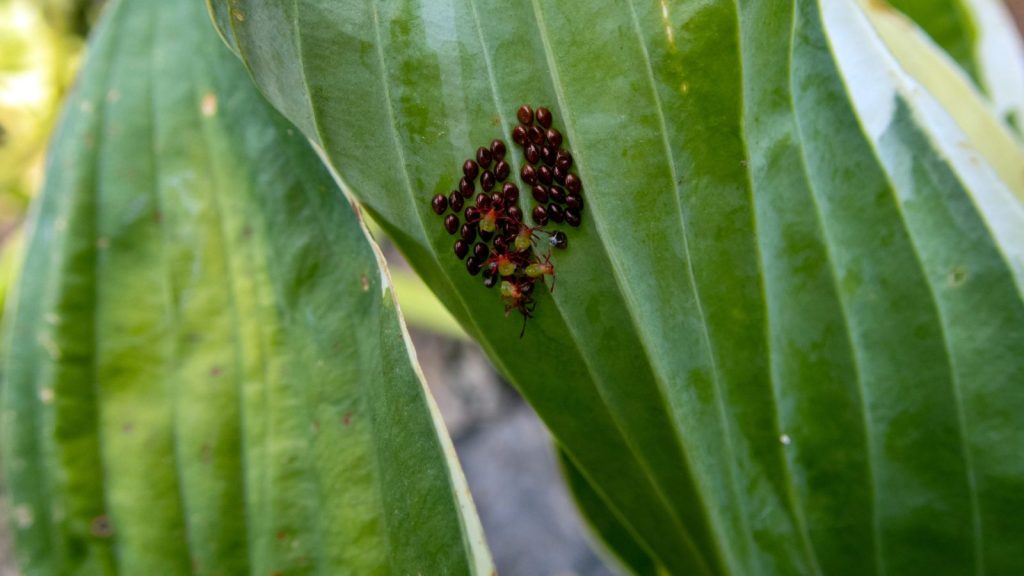
Let’s talk about ways you can identify squash bugs at every stage of their life cycle, recognize the damage they leave behind, and explore effective, natural methods to control and eliminate them for good!

Kate Chalmers
Kate is a passionate gardener who has a keen interest in all things related to homesteading and sustainability. She resides in Portugal with her husband and menagerie of animals and has over 15 years of experience in the UK veterinary industry. In 2020, Kate and her husband took on a dilapidated Portuguese house and abandoned olive grove, turning it into an abundant food forest and home for nature.
Life on the homestead is never the same from one day to the next, and Kate has mastered many skills that she is keen to pass on to anyone with an interest in becoming more self-sufficient. Kate believes that living a sustainable lifestyle is the key to happiness and fulfillment and that everyone can make simple changes that connect us back to nature and reduce our impact on the planet.