Healthy soil is the foundation of a thriving garden, but you don’t need to rely on chemical fertilizers to keep it in top shape. By selecting the right plants, you can naturally improve soil quality, making it richer, more fertile, and easier to work with. These incredible plants act like tiny underground engineers, working hard to enrich the soil so you don’t have to!
By choosing plants that enrich the soil while they grow, gardeners can create a regenerative cycle that naturally improves soil quality. Many of these plants also provide food, attract pollinators, or add beauty to the garden, making them a win-win for both soil health and garden productivity. Let’s take a look at the powerhouse plants that can transform your soil!
Comfrey

Comfrey is the ultimate soil-improver, which is why fans of permaculture gardening rave about it.
These fast-growing plants have deep roots that can access an abundance of nutrients from deep underground, making them available to shallower-rooted plant companions. Chop back the leafy growth periodically to make a natural mulch that feeds your soil.
Peas

Peas are the multitaskers of the plant world. They fix nitrogen in the soil, feed pollinating insects, and offer a bountiful yield of delicious pods. At the end of the growing season, chop the vines down and leave the roots in the soil for an extra boost of nutrient-rich organic matter.
Plantain

Plantain is often dismissed as a ‘weed’, but it is actually a soil-building champion! It is known as a pioneer plant as it frequently grows in poor soil, where its deep tap root can break up compacted earth and draw up minerals.
The abundant leafy top growth is also valuable organic matter and a great compost accelerator.
Fava Beans

The winter months are the ideal time to start building good soil, but why not let fava beans do the work for you? These cool-weather legumes not only fix nitrogen in the soil but also provide good ground cover, help aerate the soil, and provide vital food for bees in early spring.
Fava beans can be grown as an edible crop or chopped down before flowering for green manure.
Lupines

Did you know that beautiful lupines belong to the same plant family as
Sunflowers

Another beautiful addition to the garden,
Mustard Greens

In warmer climates, mustard greens are often grown as green manure over the winter months to add biomass and nitrogen to the soil.
These easy-to-grow plants also have biofumigant properties, meaning they suppress soil-borne pests and diseases. If allowed to flower, mustard greens will readily self-seed and pop up in any area of bare soil.
Daikon Radish

With their massive taproots, daikon radishes break up compacted soil, creating deep channels that improve drainage and aeration. They’re also excellent for suppressing weeds, and their abundant leafy growth can build up organic matter in the soil.
Clover

Both red and white clover are the perfect cover crop for areas of bare ground. These low-growing plants suppress weeds, fix nitrogen in the soil, and can be grown as a living mulch between taller plants. Chop clover down before it flowers to maximize its nitrogen boost, or let it bloom to feed the bees.
Chicory
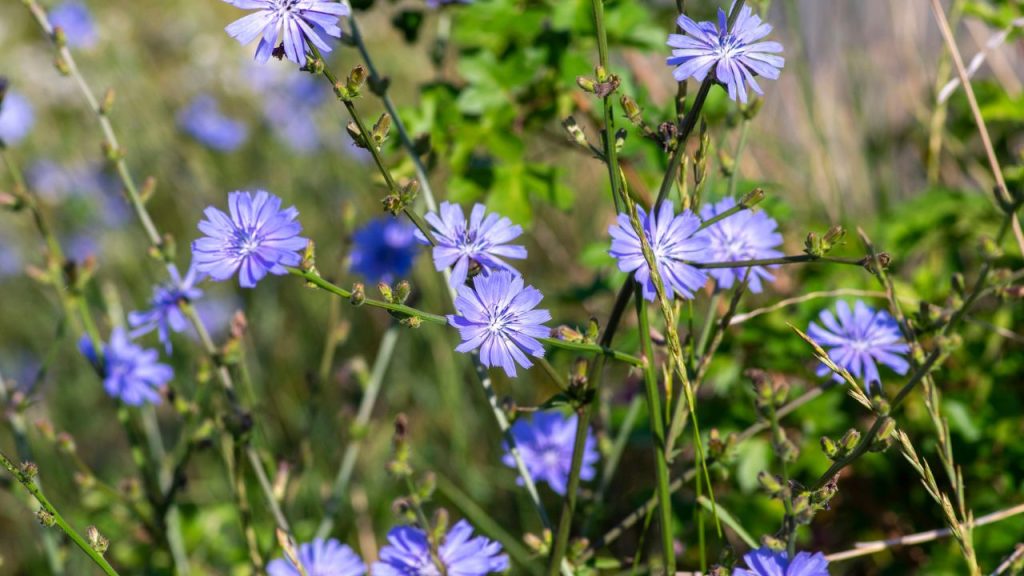
Chicory is often grown as an edible salad leaf, but this hardy perennial can also be left to its own devices to improve your soil. The long roots go deep into the soil, bringing up nutrients that other plants can’t reach. If you don’t like the slightly bitter flavor of the leaves, chop them down for biomass instead.
Borage
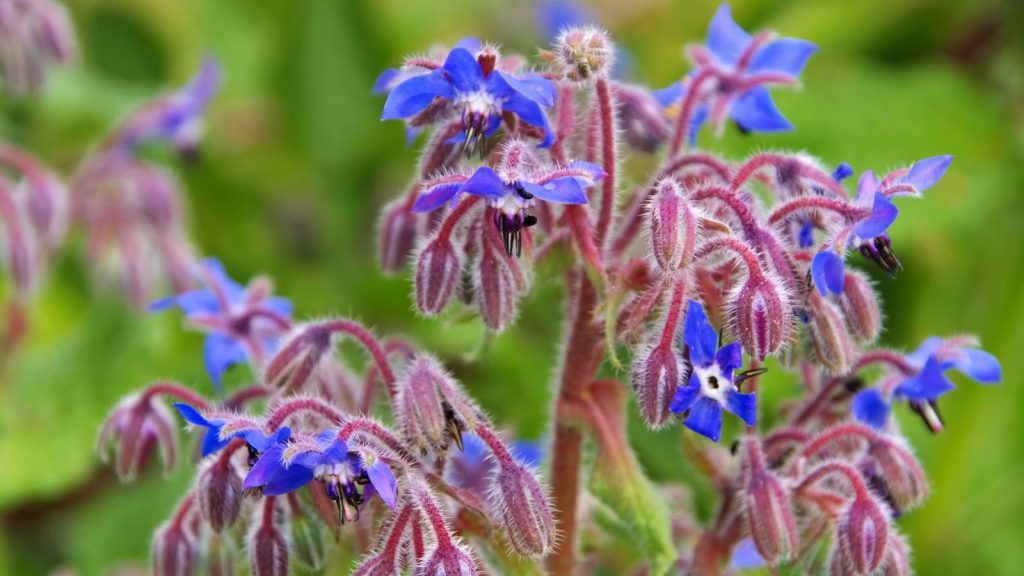
Beautiful borage accumulates nutrients in its foliage, which can then be chopped up for mulch. It is also a fantastic plant for pollinating insects, plus the edible blue flowers make a decorative addition to salads and cocktails.
Buckwheat

Buckwheat, along with rye and oats, makes a fantastic cover crop that outcompetes weeds, scavenges phosphorus, and decomposes rapidly to add organic matter to the soil.
Jerusalem Artichoke
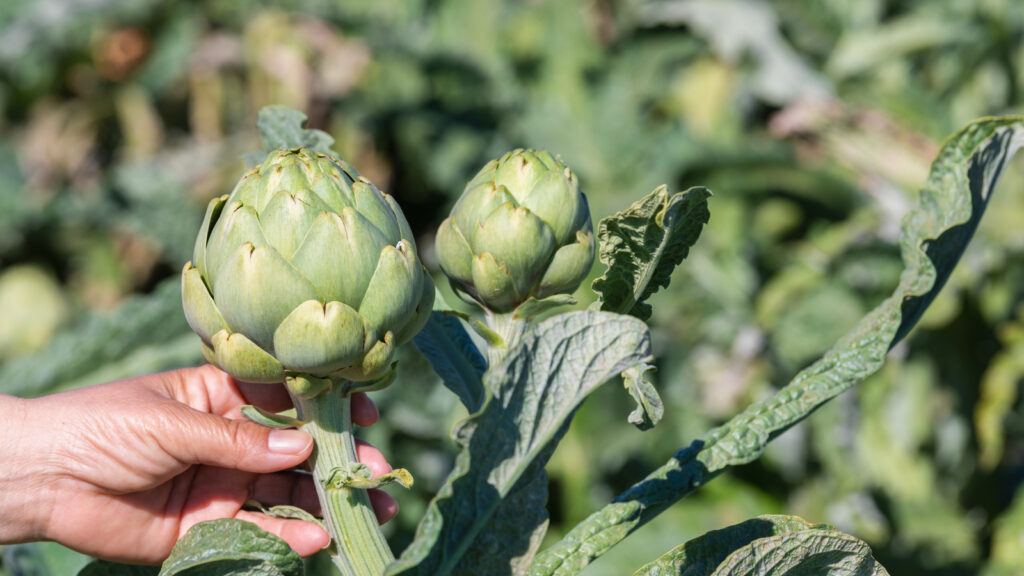
Fast-growing
Yarrow

The benefits of
Alfalfa
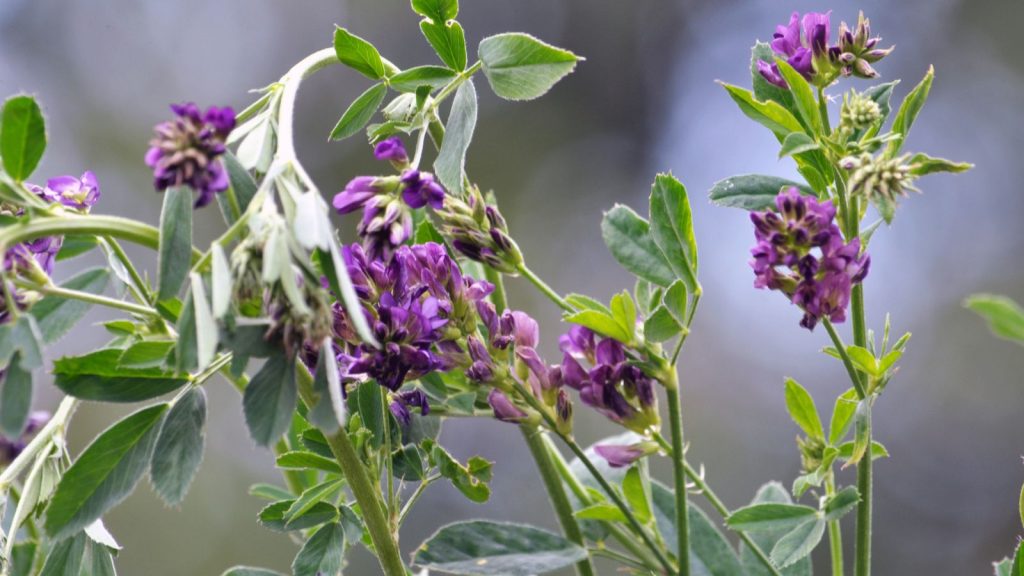
Did you know that alfalfa roots can go up to 10 feet deep in the ground? This enables it to pull up nutrients from lower layers of subsoil, boosting the ground’s minerals and nitrogen levels. The top growth can be chopped and dropped or added to compost heaps to boost organic matter levels.
18 Herbs That Boost Soil Health and Biodiversity in a Permaculture Garden
18 Herbs That Boost Soil Health and Biodiversity in a Permaculture Garden
22 Perennials That Will Take Over Your Garden (And Not in a Good Way)

If you want a thriving, low-maintenance garden without unexpected headaches, it’s best to think twice before planting these problematic perennials.
22 Perennials That Will Take Over Your Garden (And Not in a Good Way)
15 Shade Loving Perennials That Won’t Overrun Your Garden

If you’ve been hesitant to plant perennials in the shadier parts of your garden, these choices will change your mind. These hardy plants thrive without direct sunlight, bringing rich foliage and colorful blooms to areas where other plants might struggle.
15 Shade Loving Perennials That Won’t Overrun Your Garden
21 Cheap Perennials to Grow That Will Make Your Garden Pop

You can fill your space with lush, eye-catching blooms with the right selection without overspending. Here are 21 affordable perennials bringing long-lasting beauty without stretching your wallet this year.
21 Cheap Perennials to Grow That Will Make Your Garden Pop
32 Colorful Perennials That Will Never Leave Your Garden Once Planted

If you want to brighten your garden, consider these 32 colorful varieties that will thrive and bring life to your outdoor area year after year.
32 Colorful Perennials That Will Never Leave Your Garden Once Planted

Kate Chalmers
Kate is a passionate gardener who has a keen interest in all things related to homesteading and sustainability. She resides in Portugal with her husband and menagerie of animals and has over 15 years of experience in the UK veterinary industry. In 2020, Kate and her husband took on a dilapidated Portuguese house and abandoned olive grove, turning it into an abundant food forest and home for nature.
Life on the homestead is never the same from one day to the next, and Kate has mastered many skills that she is keen to pass on to anyone with an interest in becoming more self-sufficient. Kate believes that living a sustainable lifestyle is the key to happiness and fulfillment and that everyone can make simple changes that connect us back to nature and reduce our impact on the planet.