


No one wants their backyard to smell like a barnyard. While chickens are generally clean animals, their droppings can accumulate quickly, especially in the coop where they spend their time. Without proper management, the combination of ammonia, moisture, and poor ventilation can lead to strong odors that aren’t just unpleasant; they can also harm your chickens’ health.
A smelly coop is a sign of inadequate hygiene and poor air quality, which can cause respiratory issues, parasite and fly infestations, and stress for your birds. However, by adopting a few smart habits, you can keep your coop smelling fresh throughout the year.
Clean regularly

It might seem obvious, but a clean coop is the key to beating unpleasant odors. We’ve all been guilty of poor coop hygiene at one time or another, but it is our lovely hens that have to put up with the horrible smell. At a minimum, make sure to remove droppings and replace soiled bedding at least once a week.
Use the deep litter method
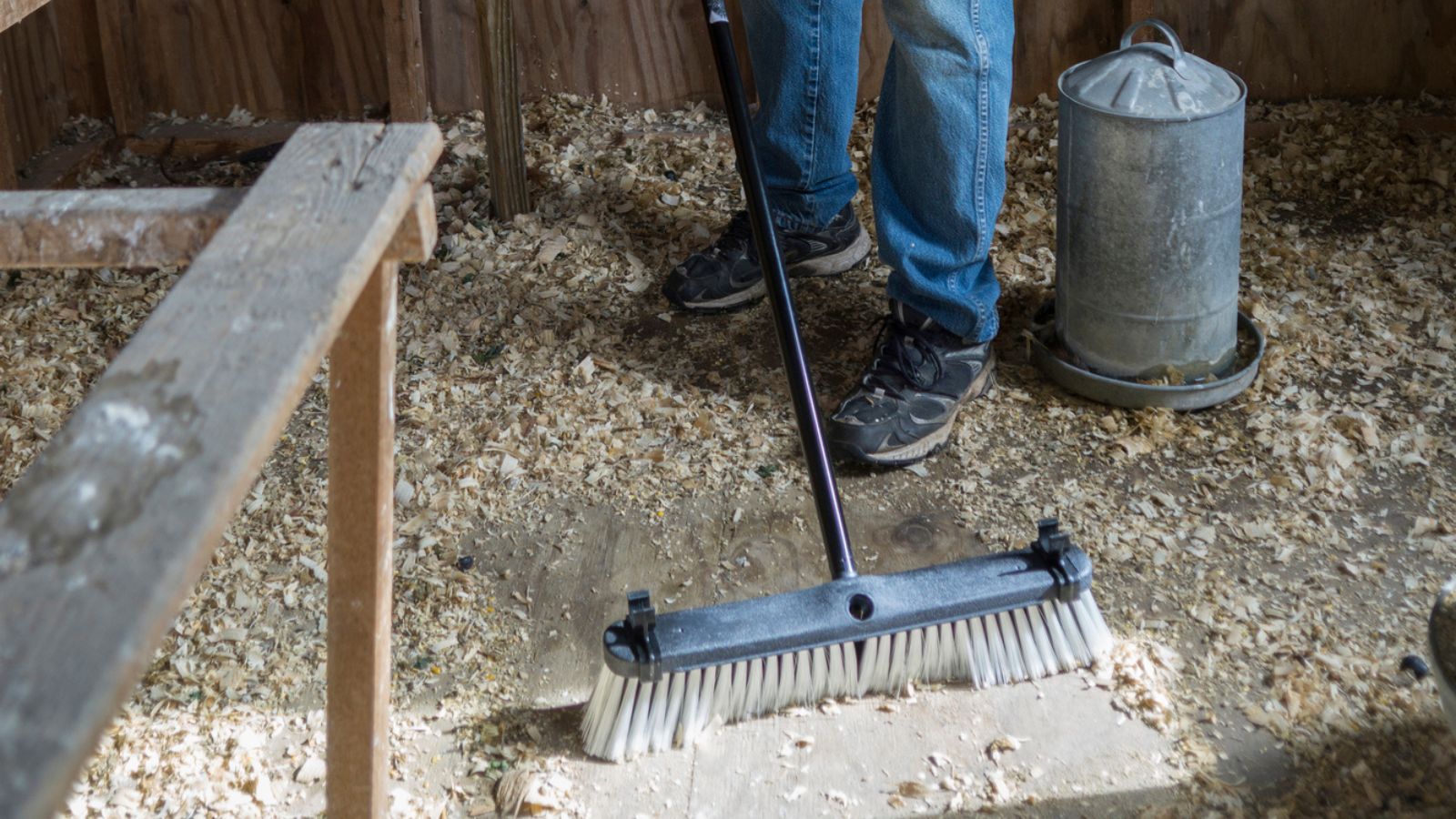
If you struggle to find time to regularly clean the coop, consider switching to the deep litter method to reduce odors. Start with a deep layer of bedding – at least 4-6 inches – and every few days add new bedding on top to cover wet and soiled areas. Dig the whole lot out (perfect for the compost heap!) after a few months and start again.
Ventilate the coop well

Chicken manure produces a gas called ammonia, which creates that unpleasant farmyard smell. Without good airflow, ammonia can build up fast inside the coop. All chicken coops should be fitted with vents near the roof to let warm, moist air escape.
Keep the coop dry

Excess moisture is a major cause of unpleasant smells in chicken coops. Keeping your coop dry prevents mold and odor from developing in the first place. Make sure your coop is completely watertight and fix any leaks immediately.
Use absorbent bedding

The right bedding makes a big difference in odor control. Choose absorbent materials that trap moisture, to help keep droppings dry and reduce ammonia buildup. Pine shavings are a top choice for most chicken keepers, but hemp, chopped straw, and sand can also work well.
Add coop refresher

To keep your coop smelling as fresh as a daisy, add a sprinkling of coop refresher, such as Sweet PDZ, to clean the bedding. This is a safe, natural mineral that absorbs excess moisture and neutralizes ammonia, and is especially helpful during hot, humid weather.
Use dropping boards or trays

You may have noticed a buildup of poop under the roosting bars in your coop – this is because most of a chicken’s poop is dropped while they sleep. Install a board, slide-out tray, or plastic tarp beneath the roost and scrape the poop off each morning into a waste bin to make cleaning your coop easier.
Spot clean daily

Just like scooping a cat litter box, removing the worst messes from the coop every day can significantly reduce unpleasant odors.
Use a small hand trowel and bucket to scoop up droppings from under roosts, around feeders, and favorite dust bath spots. This daily job only takes a few minutes and helps stretch the time between full cleanings.
Use herbs for added coop freshness

Herbs like mint, oregano,
Remove wet or soiled bedding immediately

Wet bedding quickly starts to smell sour, so don’t wait for cleaning day if you notice a wet patch. Keep a small scoop near your coop to quickly clean up spilled water right away.
Limit coop crowding
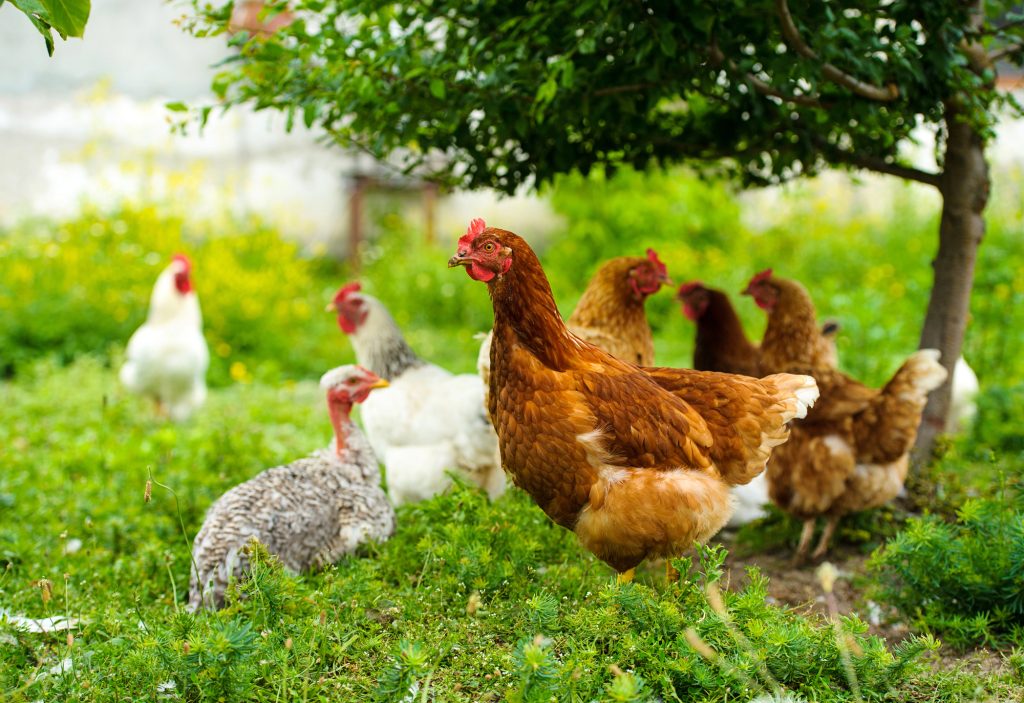
Give your chickens plenty of space in the coop, as overcrowding leads to more poop, more dampness, and more stress for your birds.
Use a coop disinfectant

Even with good daily habits, it’s important to give your coop a disinfecting scrub every few months. Remove all bedding and scrub down roosts, walls, floors, nesting boxes, and feeder areas thoroughly to kill bacteria and mold.
Use a poultry-safe disinfectant or a homemade alternative such as diluted white vinegar or bleach solution, and rinse well and air thoroughly before allowing your hens back in the coop.
Keep the run clean

If your chicken run is a muddy mess, the smell and dirt won’t stay outside. Add dry material like wood chips or sand around the coop entrance to keep it dry, and consider creating shelter around the exterior of the coop to limit rainfall.
Use nesting box liners
Replaceable liners in nesting boxes make it easier to keep things clean and odor-free. Use washable pads that you can switch out as needed for cleaner eggs and happy hens.
Install spill-proof feeders and waterers

Spilled feed can ferment and cause a buildup of mold, while spilled water leads to soggy bedding. Use well-designed feeders and waterers that minimize waste, and place them on bricks or hang them on the coop walls to reduce the risk of tipping.
Check feeders and waterers daily to make sure they are clean and that everything is working as it should.
6 Best Automatic Chicken Feeders
Compost manure away from the coop
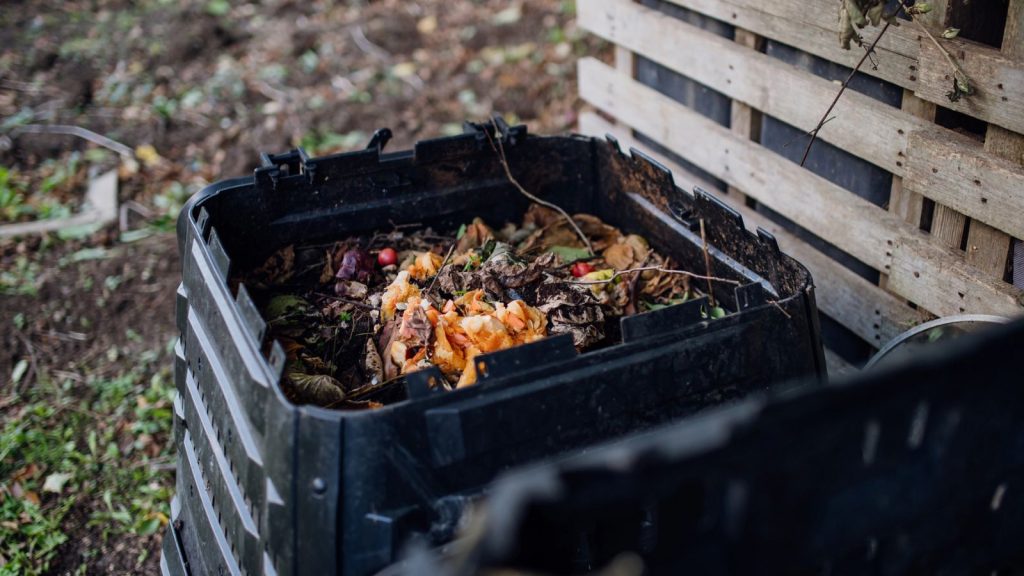
Don’t be tempted to build your compost heap near the chicken coop, as it will become quite smelly! Transport soiled bedding and chicken manure to a compost pile a safe distance away, and cover with straw or garden waste to speed up breakdown and minimize smells.
What is Compostable? All The Things You Can Compost
Encourage your chickens to roost
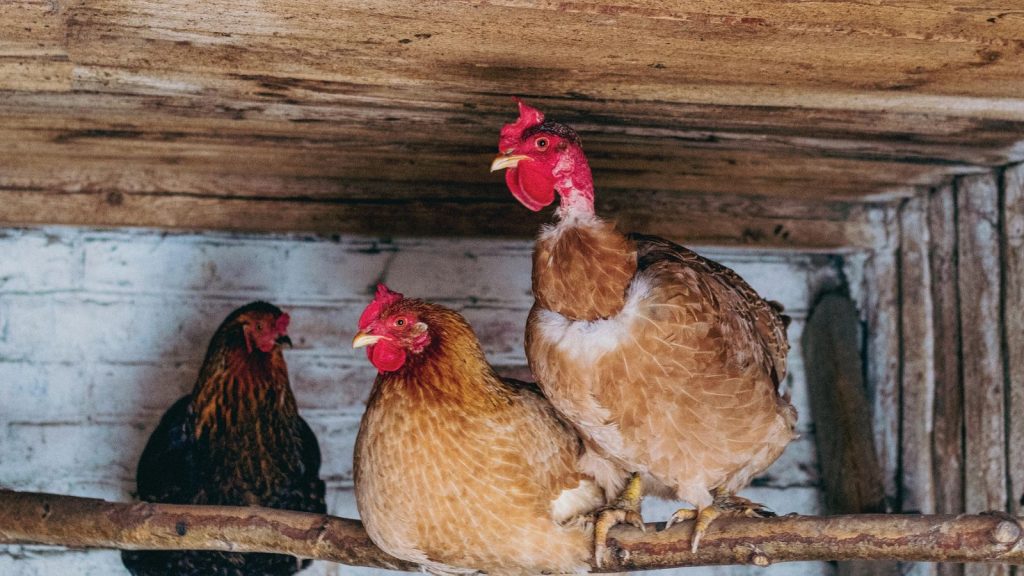
When chickens sleep in nesting boxes or on the floor, they leave a smelly pile of droppings and wet bedding behind. To encourage your chickens to sleep on roosting bars, place roosts that are higher than the nesting boxes, allowing each bird about 8–12 inches of space. Gently lift birds onto the roosts at dusk until they get the idea and start to hop up there themselves.
Grab Your Chicken Record Keeping Planner
Take the guesswork out of managing your flock with this all-in-one Planner! This 45-page printable bundle helps you track egg production, maintain bird health, organize coop chores, and stay on top of your poultry finances—all in one place.
$17
The Best Animals to Raise on Your Homestead That Aren’t Chickens

If you are looking for animals to raise on your homestead beyond chicken, here are 14 that we’ve rounded up.
The Best Animals to Raise on Your Homestead That Aren’t Chickens
19 Things You Should Know Before Getting Chickens

Before you jump into the world of chicken-keeping, there are a few essential things to know. Here’s our comprehensive guide of 19 essential tips to help you become a confident and successful chicken owner!
19 Things You Should Know Before Getting Chickens
How to Raise Your Own Chickens

Here’s a guide on how to raise your own chickens to lay eggs and eat meat.
How to Raise Your Own Chickens

Kate Chalmers
Kate is a passionate gardener who has a keen interest in all things related to homesteading and sustainability. She resides in Portugal with her husband and menagerie of animals and has over 15 years of experience in the UK veterinary industry. In 2020, Kate and her husband took on a dilapidated Portuguese house and abandoned olive grove, turning it into an abundant food forest and home for nature.
Life on the homestead is never the same from one day to the next, and Kate has mastered many skills that she is keen to pass on to anyone with an interest in becoming more self-sufficient. Kate believes that living a sustainable lifestyle is the key to happiness and fulfillment and that everyone can make simple changes that connect us back to nature and reduce our impact on the planet.


