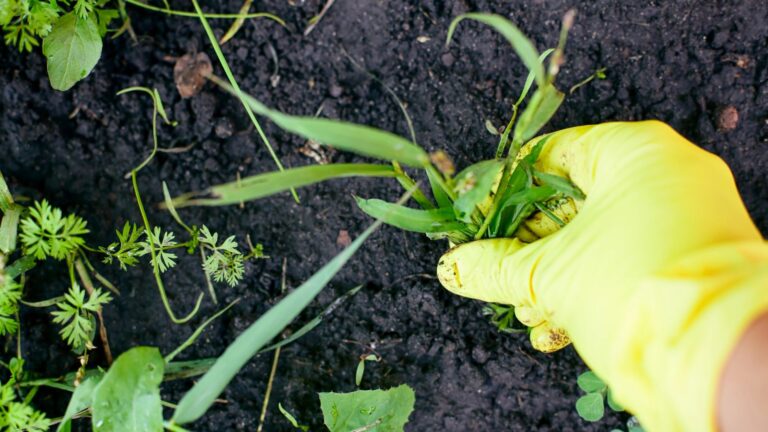
Lettuce is one of the easiest cool-season crops to grow, even for beginners. But it’s not without challenges—aphids, slugs, and early bolting can quickly undo your hard work. To give your
1. Brassicas (broccoli, cabbage, Brussels sprouts, cauliflower)

All plants in the Brassica family are heavy feeders that compete with
2. Fennel
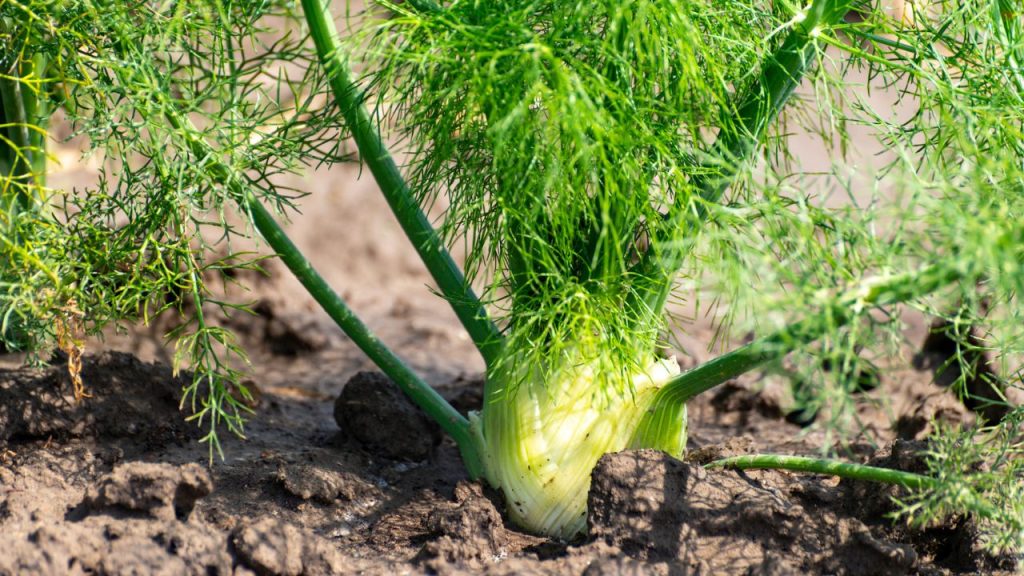
Poor fennel, the plant that no other plant likes! Fennel exudes allelopathic compounds from its roots that inhibit the growth of many plants, including
3. Parsley
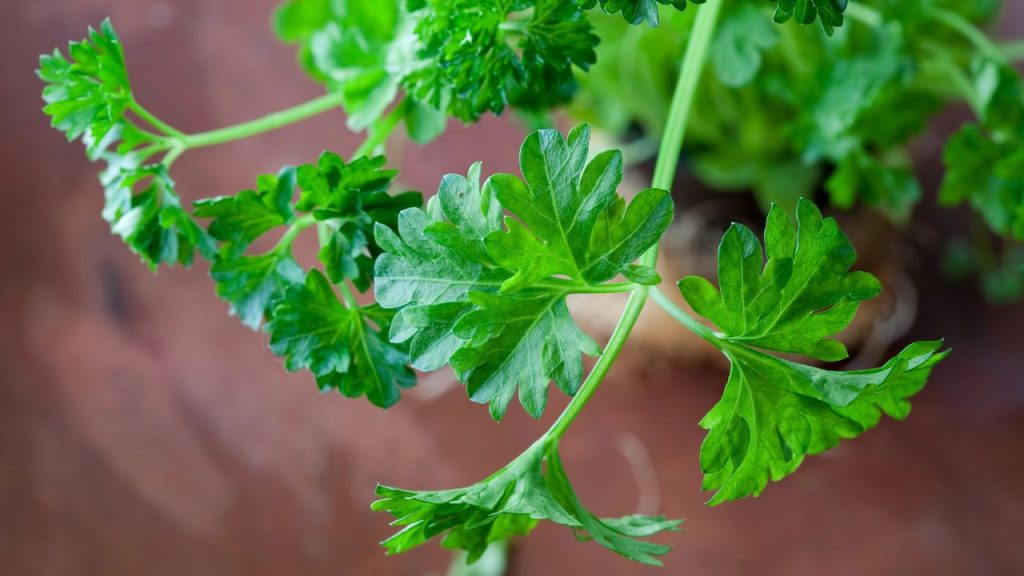
Leafy parsley competes with
4. Tomatoes
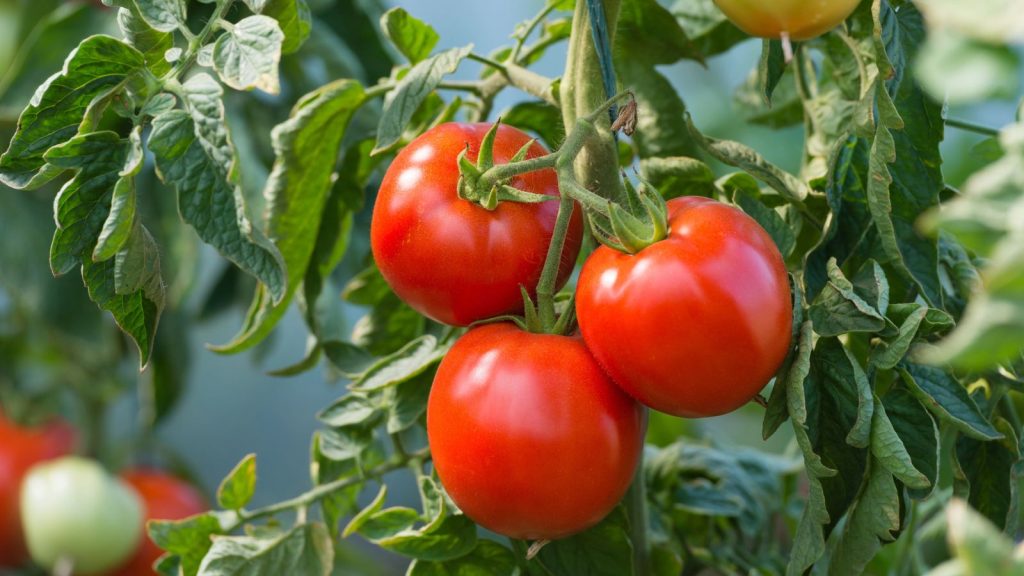
Tall tomato plants can easily shade out lettuces, as well as outcompete them for moisture and nutrients. The perfect companion for tomatoes is basil, helping to both improve flavor and repel pests.
5. Peppers

Peppers take up a lot of growing space and light, which can stunt
6. Melons

Melons are a vining plant that likes to sprawl across the ground, smothering delicate
7. Eggplant

Eggplant competes heavily with
20 Best Plants for Container Gardening

Container gardening can be as fulfilling as large-scale farming in growing and harvesting food. Whether planting in your backyard, on a balcony, patio, or urban homestead, here are some of the best plants for growing in containers.
20 Best Plants for Container Gardening
Build Your Dream Garden with These 16 Easy DIY Raised Beds

While pre-made raised beds can be expensive, building your own is a cost-effective alternative. With some basic materials and a bit of effort, you can construct your own raised beds at a fraction of the cost. Here are 16 DIY Raised garden bed projects to help you get started.
Build Your Dream Garden with These 16 Easy DIY Raised Beds
Grow Juicier, Tastier Tomatoes with These 15 Companion Plants

Companion planting is an age-old gardening method that can help prevent common plant issues and boost crop yields. By using some of the best companion plants for tomatoes, your harvests will be better than ever. Here are the 15 best companion plants for your tomato garden.
Grow Juicier, Tastier Tomatoes

Kate Chalmers
Kate is a passionate gardener who has a keen interest in all things related to homesteading and sustainability. She resides in Portugal with her husband and menagerie of animals and has over 15 years of experience in the UK veterinary industry. In 2020, Kate and her husband took on a dilapidated Portuguese house and abandoned olive grove, turning it into an abundant food forest and home for nature.
Life on the homestead is never the same from one day to the next, and Kate has mastered many skills that she is keen to pass on to anyone with an interest in becoming more self-sufficient. Kate believes that living a sustainable lifestyle is the key to happiness and fulfillment and that everyone can make simple changes that connect us back to nature and reduce our impact on the planet.